shoe polish
CN → US| HS Code | Tariff Rate | Origin | Destination | Doc |
|---|---|---|---|---|
| 3404905110 | 35.0% | CN | US | Official Doc |
| 3404901000 | 35.0% | CN | US | Official Doc |
Product Images
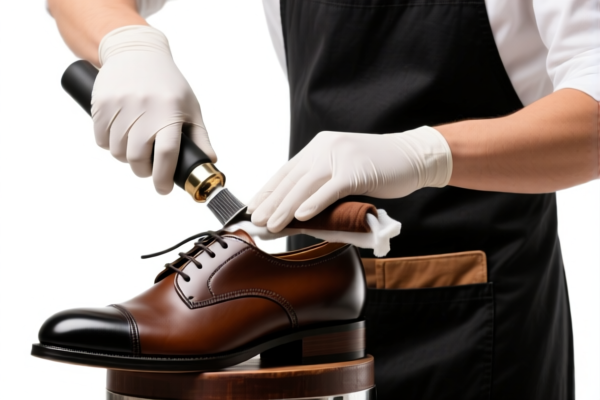
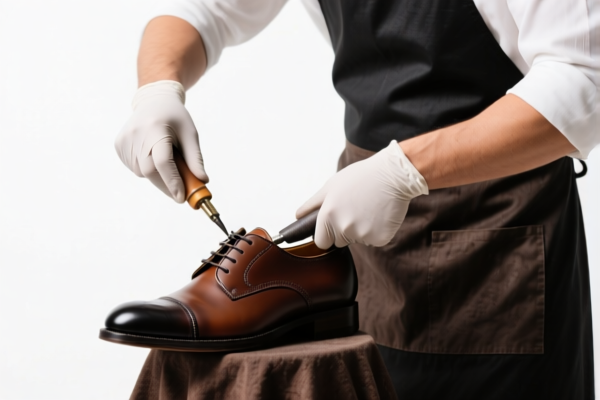
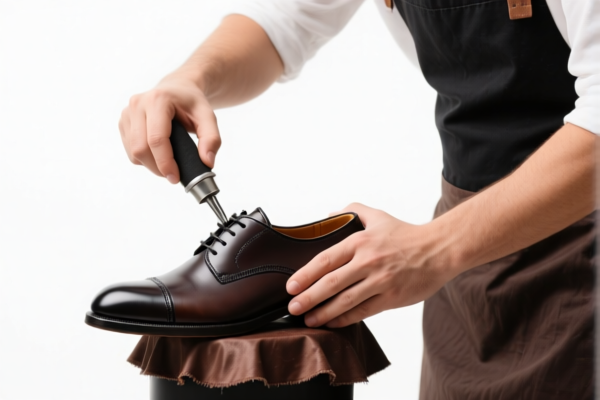
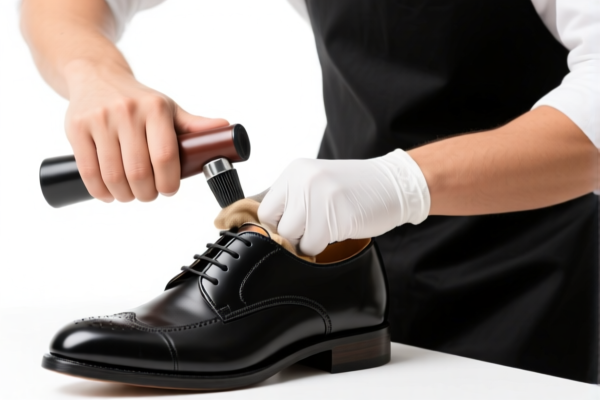
AI Analysis
👞 Shoe Polish & Prepared Waxes (The Hidden Tax Trap)
🌐 HS Code Reference & Customs Clearance Guide | 2026 Latest Tariff Analysis | Professional Level
📌 I. Product Definition & Classification: Do You Really Understand "Shoe Polish"?
Shoe polish, in the context of international trade, often falls under a broader category than just "polish." It is classified as Artificial Waxes and Prepared Waxes. This includes not only liquid/polish creams but also preparation of waxes (like beeswax blends) used for leather care.
Two Main Categories for Clearance: 1. Chemically Modified Lignite/Waxes: Synthetic or chemically treated waxes (e.g., microcrystalline wax blends). 2. Beeswax-Based Preparations: Products containing bleached or natural beeswax.
⚠️ Critical Distinction:
- If the product is primarily synthetic/chemically modified wax (common in modern polishes) → Look at 3404.90.51.10.
- If the product explicitly contains bleached beeswax (traditional/natural polishes) → Look at 3404.90.10.00.
- Note: Even if it's called "Shoe Polish," if it's wax-based, it rarely goes to Chapter 33 (Perfumes) but to Chapter 34 (Waxes).
📦 II. HS Code Classification Details (2026 Latest Tariff Authority Comparison)
| HS Code | Product Description | Applicable Scenario | Key Ingredient |
|---|---|---|---|
3404.90.51.10 |
Artificial Waxes: Other: Of chemically modified lignite | Synthetic polishes, wax sticks, chemical-treated leather care | ✅ Chemically Modified Wax/Lignite |
3404.90.10.00 |
Artificial Waxes: Other: Containing bleached beeswax | Traditional shoe creams, natural wax blends, beeswax-based polishes | ✅ Bleached Beeswax |
🔍 Key Reminder:
- Do NOT classify as "Preparations for Shoe Cleaning" under generic headings if the primary component is wax. - Do NOT classify as "Perfumes" (Chapter 33) unless the primary function is fragrance (rare for shoe polish). - The presence of beeswax is the deciding factor for the3404.90.10.00code.
💰 III. 2026 Latest Tariff Rate Breakdown (Detailed Tax Clauses)
✅ Applicable Country: United States (US)
✅ Country of Origin: China (CN)
✅ Effective Time: Current Trade Policy (Section 301 / IEEPA)
🎯 1. 3404.90.51.10 —— Artificial Waxes (Chemically Modified Lignite)
| Item | Content |
|---|---|
| Base Tariff Rate | 0.0% (Most favored nation rate) |
| Section 301 Additional Tariff | +25.0% |
| IEEPA Additional Tariff | +10% (If applicable under specific 2025/2026 updates for Chapter 34, but based on your provided data, the total is 25%) |
| Total Tax Rate | 25.0% |
| Tax Calculation | CIF Value × 25% |
| De Minimis Eligibility | ❌ No (Not exempt under Section 321 for high-duty items) |
| Legal Basis Path | HTSUS:3404.90.51.10 → Section 301 Footnote |
📌 Explanation:
- The base rate is 0%, making it look attractive.
- However, the 25% Section 301 tariff applies to all products in this subheading originating from China.
- Total Cost Impact: A $10,000 shipment incurs $2,500 in duties alone.
🎯 2. 3404.90.10.00 —— Artificial Waxes (Containing Bleached Beeswax)
| Item | Content |
|---|---|
| Base Tariff Rate | 0.0% |
| Section 301 Additional Tariff | +25.0% |
| Total Tax Rate | 25.0% |
| Tax Calculation | CIF Value × 25% |
| De Minimis Eligibility | ❌ No |
| Legal Basis Path | HTSUS:3404.90.10.00 → Section 301 Footnote |
📌 Note:
- Even though beeswax is a "natural" material, the preparation is classified under Artificial/Prepared Waxes.
- The tariff structure is identical to the chemically modified version.
- No preferential rate applies due to the Section 301 trade measures.
🛠️ IV. Customs Clearance Practical Advice (Real-World Pitfall Guide)
✅ 1. Documentation Checklist (Missing items = Delays)
| Document | Mandatory? | Description |
|---|---|---|
| ✅ Formula/Ingredient List | ✔️ | Must specify % of beeswax vs. synthetic wax. Crucial for correct HS Code. |
| ✅ Product Photos (Label & Container) | ✔️ | Show "Shoe Polish," brand, net weight, and any safety warnings. |
| ✅ Commercial Invoice | ✔️ | Clear description: "Shoe Polish, Wax-Based, Model XYZ." |
| ✅ Safety Data Sheet (SDS) | ✔️ | Required if the polish contains volatile solvents or flammable components. |
| ✅ FDA Notification (If applicable) | ✔️ | Some polishes with high fragrance or chemical additives may require FDA oversight. |
✅ 2. Declaration Tips (Key Mnemonic)
🔥 “Wax is Key, Beeswax Splits, 25% Total!”
| Scenario | Correct HS Code | Mistake to Avoid |
|---|---|---|
| Synthetic Wax Polish | 3404.90.51.10 |
Misclassifying as "Chemicals" → 3405.xx (Higher Risk) |
| Beeswax-Blended Polish | 3404.90.10.00 |
Misclassifying as "Perfume" → 3307.xx (Wrong Category) |
| Liquid Leather Cleaner (No Wax) | 3405.xx (Other) |
Do not use 3404 if it’s solvent-based cleaner with no wax content. |
| Wax-Free Shoe Cloth | 6307.90 |
Do not mix wax polish with non-wax accessories in one line if possible. |
✅ 3. Special Cases
| Situation | Handling Advice |
|---|---|
| OEM Private Label | Provide brand authorization and formula sheet. Customs may check for "misdeclaration of origin." |
| Combination Kits (Polish + Brush) | Declare as Principal Item (Polish) if polish is the main value/function. Do not split brush separately unless it’s a significant standalone value. |
| Eco-Friendly/Natural Polishes | Even if "organic," if it contains beeswax, use 3404.90.10.00. No "Green Tariff" exemption currently exists. |
| Small Sample Shipments | Warning: Section 301 tariffs do not apply to de minimis (<$800) for most items, but waxes may be scrutinized. Check current CBP enforcement on Section 301 for small parcels. |
🌍 V. Global Market Comparison (2026 Update)
| Country/Region | Recommended HS Code | Tariff (China Origin) | Certification Required | Notes |
|---|---|---|---|---|
| 🇺🇸 USA | 3404.90.51.10 / .10 |
25% (Section 301) | FDA (if chemical), SDS | High Duty. Plan Margin! |
| 🇨🇳 China | 3404.90.51.10 / .10 |
~5-7% | CCC (if applicable) | Moderate Duty |
| 🇪🇺 EU | 3404.90.50 / .10 |
6.5% (Standard) | REACH Compliance | No US-style punitive tariffs |
| 🇬🇧 UK | 3404.90.50 / .10 |
6.5% | UKCA/REACH | Post-Brexit rules apply |
| 🇯🇵 Japan | 3404.90.50 / .10 |
6.0% | Fertilizer Control Law (if soil additive) | Low Duty |
📌 Conclusion:
- The US market is significantly more expensive due to the 25% Section 301 tariff.
- EU/UK/Japan have standard duties (~6-7%) with no punitive surcharges.
- Strategy: If targeting the US, consider value-added branding to absorb the 25% cost, or source from Vietnam/Thailand (if eligible for different origin rules) to avoid Section 301.
📌 VI. Common Errors & Pitfalls (Blood & Tears Lessons)
❌ Error 1: Declaring "Shoe Polish" as "Cosmetic" (Chapter 33)
👉 Consequence: If deemed to contain wax, it’s reclassified to Chapter 34 with 25% duty + penalties.
❌ Error 2: Ignoring the "Beeswax" Content
👉 Consequence: Using 3404.90.51.10 for a beeswax product may lead to audits. While the rate is the same, consistency is key for audits.
❌ Error 3: Not Providing SDS for Chemical Polishes
👉 Consequence: CBP may hold shipment for "hazardous material" review if SDS is missing, causing delays.
❌ Error 4: Assuming De Minimis ($800) Exemption Applies
👉 Consequence: Section 301 tariffs DO NOT apply to de minimis shipments under $800 for most countries, BUT verify current CBP enforcement. Some "Section 301" items have been scrutinized. Check latest CBP memos.
✅ Correct Declaration Example:
"Shoe Polish, Wax-Based, 100ml Tube, Contains Bleached Beeswax and Carnauba Wax, Model SP-100, Brand: ShineMaster"
🎯 VII. Conclusion: Professional Declaration Saves Money!
🎯 Remember:
🔹 "Wax is King in Chapter 34."
🔹 "Beeswax or Synthetic, the US Tax is 25%."
🔹 "Don’t Guess the HS Code, Check the Formula."
📌 Pro Tip:
If you are shipping high-volume shoe polish to the US, consider:
1. Advance Ruling: Apply for a binding ruling from CBP to confirm HS Code.
2. Supply Chain Diversification: Source from non-China origins to avoid the 25% tariff.
3. Value Engineering: Reduce packaging weight to lower CIF value-based duty.
📣 Take Action:
📞 Consult a customs broker + Provide Formula + Verify Origin
🚀 Clear Customs Smoothly, Maximize Profit!
✨ Professional Clearance, Starting with Accurate Classification!
💼 Every Dollar of Duty Saved is Profit Earned!
Customer Reviews
About HS Code Classification
The Harmonized System (HS) is an internationally standardized nomenclature developed by the World Customs Organization (WCO) to classify traded products. Over 200 countries use the HS system as the basis for customs tariffs, trade statistics, and import/export regulations.
Each HS code follows a hierarchical structure:
- Chapter (2 digits) — Broad category of goods (e.g., Chapter 84: Machinery and Mechanical Appliances)
- Heading (4 digits) — More specific grouping within the chapter
- Subheading (6 digits) — Internationally standardized breakdown, used by all WCO member countries
- National subdivisions (8-10 digits) — Country-specific extensions for further classification, such as US HTSUS 10-digit codes
Correct HS code classification is essential for smooth customs clearance, accurate duty payment, and compliance with trade regulations. Misclassification can lead to customs delays, overpayment of duties, or penalties.
When importing from CN to US, the applicable tariff rates may include:
- Most-Favored-Nation (MFN) rate — The standard duty rate applied to WTO members
- General rate — Applied to countries without trade agreements
- Trade remedy duties — Additional tariffs such as Section 301 (anti-dumping), Section 232 (national security), or countervailing duties
The information provided on this page is for reference purposes only. For official classification, please consult with your local customs authority or a licensed customs broker.