shoe upper chamois leather
CN → US| HS Code | Tariff Rate | Origin | Destination | Doc |
|---|---|---|---|---|
| 6402993165 | 16.0% | CN | US | Official Doc |
| 6402993145 | 16.0% | CN | US | Official Doc |
| 6402993115 | 16.0% | CN | US | Official Doc |
| 3926909989 | 22.8% | CN | US | Official Doc |
| 6402993145 | 16.0% | CN | US | Official Doc |
Product Images
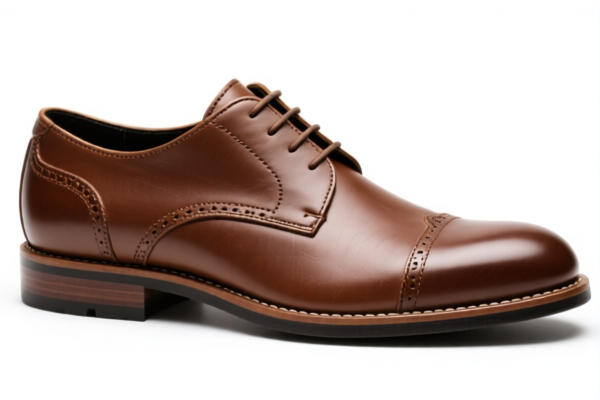
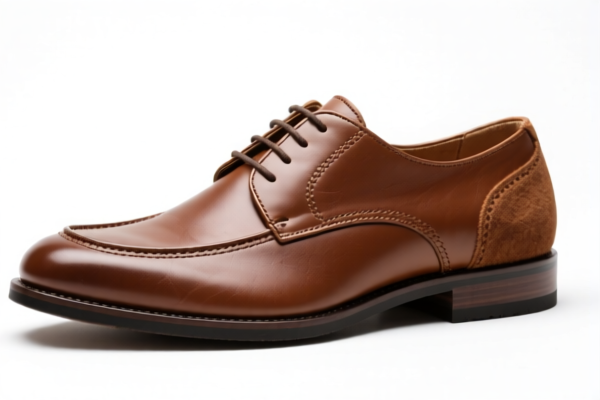
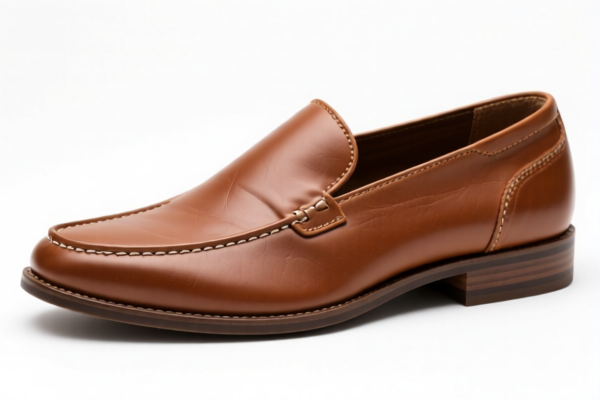
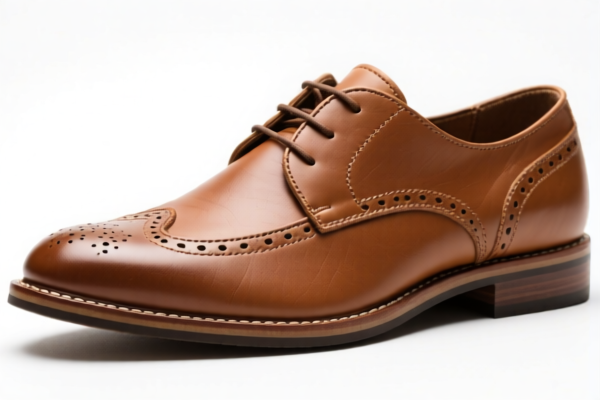
AI Analysis
👞 Shoe Upper: Chamois Leather (Synthetic/Synthetic Leather)
🌐 HS Code Reference & Customs Clearance Guide | 2026 Latest Tariff Analysis | Professional Strategy for Artificial Leather Footwear
📌 I. Product Definition & Classification: What is "Chamois Leather" in Footwear?
In international trade, "Chamois Leather" (人造革/合成革) does NOT refer to genuine leather from chamois animals. It refers to Artificial Leather, typically made from Plastic (PVC/PU) or Synthetic Resin materials.
When classifying shoes with "Chamois Leather" uppers, the key determinant is composition percentage: * >90% Rubber or Plastic: Falls under Chapter 64 (Footwear). * <90% or Classified as Other Articles: Falls under Chapter 39 (Plastics and Articles Thereof).
⚠️ Critical Distinction:
- If the upper is primarily plastic/synthetic and constitutes >90% of the external surface area → HS 6402.99.31.xx
- If the product is considered an unclassified plastic article (e.g., non-footwear accessories, or specific synthetic resin compositions not meeting footwear criteria) → HS 3926.90.99.89
📦 II. HS Code Classification Details (2026 Latest Tariff Alignment)
Based on the provided data, here are the applicable HS Codes for Shoe Uppers made of Chamois/Synthetic Leather:
| HS Code | Product Description | Material Composition | Key Criteria |
|---|---|---|---|
6402.99.31.65 |
Artificial Leather Upper Classification | Plastic / Synthetic Material | Meets requirements for rubber/plastic sole AND upper |
6402.99.31.45 |
Artificial/Synthetic Leather Upper Classification | Plastic / Synthetic Material | ≥90% of external surface area is rubber or plastic |
6402.99.31.15 |
Synthetic Leather Upper Classification | Plastic / Rubber Class | Upper & Sole made of rubber or plastic |
3926.90.99.89 |
Synthetic Leather Upper (Alternative) | Plastic / Synthetic Resin | Classified as "Other Articles of Plastics" (Unclassified) |
6402.99.31.45 |
Synthetic Leather Upper Classification | Plastic / Rubber Class | ≥90% of upper made of rubber or plastic |
🔍 Note on Duplicate:
6402.99.31.45appears twice in the data with slightly different summaries but identical tax rates. This indicates flexibility in description as long as the 90% plastic/rubber criterion is met.
💰 III. 2026 Latest Tariff Rate Breakdown (Including Surtaxes)
✅ Applicable Country: United States (US)
✅ Origin: China (CN)
✅ Effective Date: 2025+ (Including Section 301 & IEEPA measures)
🎯 1. HS 6402.99.31.xx Series (Footwear Classification)
Applies to: 6402.99.31.65, 6402.99.31.45, 6402.99.31.15
| Item | Content |
|---|---|
| Base Tariff | 6.0% |
| Section 301 Surtax | 0.0% |
| Section 122 Tariff | 10.0% |
| Total Tariff Rate | 16.0% |
| Tax Calculation | CIF Value × 16.0% |
| De Minimis Exemption? | ❌ No (Section 321 de minimis generally does not apply to goods subject to Section 122 or specific anti-dumping/countervailing duties, though Section 122 itself is a surtax on de minimis shipments < $800. Note: Section 122 specifically targets de minimis, so this 16% applies even to small parcels.) |
| Legal Basis Path | HTSUS:6402.99.31.xx → Section 122 (EO 14117) → Total: 16% |
📌 Explanation:
- The 16% total is a combination of the standard MFN base rate (6%) and the Section 122 surtax (10%).
- Section 122 (Executive Order 14117) specifically imposes a 10% duty on de minimis entries (shipments under $800) from China, starting April 2025. This means even small e-commerce parcels face this tax.
- There is no additional Section 301 (25%) surtax for these specific subheadings in the provided data.
🎯 2. HS 3926.90.99.89 (Plastic Articles Classification)
Applies to: 3926.90.99.89
| Item | Content |
|---|---|
| Base Tariff | 5.3% |
| Section 301 Surtax | 7.5% |
| Section 122 Tariff | 10.0% |
| Total Tariff Rate | 22.8% |
| Tax Calculation | CIF Value × 22.8% |
| De Minimis Exemption? | ❌ No (Subject to Section 122 and 301) |
| Legal Basis Path | HTSUS:3926.90.99.89 → Section 301 (7.5%) → Section 122 (10%) → Total: 22.8% |
📌 Warning:
- If your "Chamois Leather Shoe Upper" is misclassified as a plastic article instead of footwear, the tax rate jumps to 22.8%.
- This class is for "Other Articles of Plastics" not specifically provided for elsewhere.
🛠️ IV. Customs Clearance Practical Advice (Avoiding Pitfalls)
✅ 1. Preparation Checklist (Must-Have)
| Document | Required? | Purpose |
|---|---|---|
| ✅ Product Composition Report | ✔️ | Must state % of rubber, plastic, and other materials in the upper. |
| ✅ 90% Surface Area Test | ✔️ | Proof that >90% of the external surface is rubber/plastic (to qualify for 6402). |
| ✅ Material Safety Data Sheet (MSDS) | ✔️ | Confirms synthetic/plastic nature (not animal leather). |
| ✅ Commercial Invoice | ✔️ | Clearly state "Artificial Leather Upper" or "Synthetic Leather," NOT "Genuine Leather." |
| ✅ Photos of Product | ✔️ | Show texture and construction to prove it’s synthetic. |
| ✅ Section 122 Declaration | ✔️ | For shipments < $800, ensure compliance with de minimis surtax rules. |
✅ 2. Classification Strategy (Key Tips)
🔥 "90% Rule is King: Hit 90%, Get 16%; Miss 90%, Pay 22.8%!"
| Scenario | Recommended HS Code | Total Tax | Why? |
|---|---|---|---|
| Upper is >90% Plastic/Rubber | 6402.99.31.45 / 6402.99.31.15 |
16% | Meets footwear definition; lower base rate. |
| Upper is Mixed/Lower Plastic % | 3926.90.99.89 |
22.8% | Classified as plastic article; higher base + 301 surtax. |
| Misclassified as Genuine Leather | 6403.xxxx / 6404.xxxx |
Varies | High Risk: If not genuine, leads to fraud penalties + back taxes. |
📌 Critical Warning:
- Never declare "Chamois Leather" as "Genuine Leather" if it is synthetic. Customs will require proof of origin/material.
- "Chamois" in trade often refers to "Suede-like" texture, not material. Always specify "Synthetic" or "PU/PVC".
✅ 3. Special Cases
| Situation | Advice |
|---|---|
| E-commerce Dropshipping (<$800) | Subject to 16% (if 6402) or 22.8% (if 3926) under Section 122. No de minimis exemption. |
| B2B Shipment (>$800) | Same rates apply, but de minimis rules don’t apply; standard customs entry required. |
| Mixed Shipment (Shoes + Accessories) | Declare separately. Shoes under 6402, accessories under 3926 if plastic. |
🌍 V. Global Market Comparison (2026)
| Country | Recommended HS Code | Base Tax | Additional Surtaxes | Total Est. Tax | Notes |
|---|---|---|---|---|---|
| 🇺🇸 USA | 6402.99.31.45 |
6.0% | Section 122: 10% | 16.0% | Section 301 not applied to these subheadings in data. |
| 🇺🇸 USA | 3926.90.99.89 |
5.3% | Section 301: 7.5%, Sec 122: 10% | 22.8% | Avoid if possible; higher tax. |
| 🇨🇳 China | 6402.99.31.45 |
~6-10% | None | ~10% | Lower cost for imports into China. |
| 🇪🇺 EU | 6402.99.90 |
~8-14% | None | ~10% | No Section 122/301. |
| 🇬🇧 UK | 6402.99.90 |
~8-14% | None | ~10% | Post-Brexit alignment with EU. |
📌 Conclusion:
- The USA is the most complex market due to Section 122 (de minimis surtax) and potential Section 301 implications.
- Correct classification is vital: A 1.8% difference (16% vs 22.8%) can add up significantly on large volumes.
📌 VI. Common Errors & Pitfalls (Learn from Mistakes)
❌ Error 1: Calling "Synthetic Chamois" "Genuine Chamois Leather"
👉 Consequence: Customs seizure, fines, and back taxes for misdeclaration.
❌ Error 2: Assuming all plastic uppers are 6402
👉 Consequence: If plastic content is <90%, misclassification leads to 22.8% tax instead of 16%, plus potential penalties.
❌ Error 3: Ignoring Section 122 for small packages
👉 Consequence: Underestimating landed cost. Many sellers assume de minimis is tax-free, but Section 122 imposes 10%.
✅ Correct Approach:
"Specify Material: PU/PVC/Synthetic. Confirm >90% Plastic Content. Declare under 6402.99.31.45. Pay 16% Total."
🎯 VII. Conclusion: Precise Classification Saves Money!
🎯 Remember the Golden Rules:
🔹 "90% Plastic = 16% Tax (6402)"
🔹 "Less than 90% = 22.8% Tax (3926)"
🔹 "Section 122 Applies to All De Minimis from China!"
🔹 "Never Hide the Synthetic Nature!"
📌 Pro Tip:
If your product is high-volume B2B, consider applying for a Binding Ruling from CBP to confirm the 90% calculation and avoid disputes.
For B2C/E-commerce, pre-calculate the 16% cost into your pricing model—do not assume tax-free entry.
📣 Take Action Now:
📞 Consult a licensed customs broker.
📄 Provide material composition reports.
🚀 Clear customs smoothly, avoid penalties, and maximize profit!
✨ Professional Customs Clearance Starts with Accurate HS Codes!
💼 Every Dollar Saved is a Dollar Earned!
Customer Reviews
About HS Code Classification
The Harmonized System (HS) is an internationally standardized nomenclature developed by the World Customs Organization (WCO) to classify traded products. Over 200 countries use the HS system as the basis for customs tariffs, trade statistics, and import/export regulations.
Each HS code follows a hierarchical structure:
- Chapter (2 digits) — Broad category of goods (e.g., Chapter 84: Machinery and Mechanical Appliances)
- Heading (4 digits) — More specific grouping within the chapter
- Subheading (6 digits) — Internationally standardized breakdown, used by all WCO member countries
- National subdivisions (8-10 digits) — Country-specific extensions for further classification, such as US HTSUS 10-digit codes
Correct HS code classification is essential for smooth customs clearance, accurate duty payment, and compliance with trade regulations. Misclassification can lead to customs delays, overpayment of duties, or penalties.
When importing from CN to US, the applicable tariff rates may include:
- Most-Favored-Nation (MFN) rate — The standard duty rate applied to WTO members
- General rate — Applied to countries without trade agreements
- Trade remedy duties — Additional tariffs such as Section 301 (anti-dumping), Section 232 (national security), or countervailing duties
The information provided on this page is for reference purposes only. For official classification, please consult with your local customs authority or a licensed customs broker.