short folding board
CN → US| HS Code | Tariff Rate | Origin | Destination | Doc |
|---|---|---|---|---|
| 3923900080 | 38.0% | CN | US | Official Doc |
| 7326908688 | 87.9% | CN | US | Official Doc |
| 3923109000 | 38.0% | CN | US | Official Doc |
| 7326190080 | 87.9% | CN | US | Official Doc |
| 4819200040 | 35.0% | CN | US | Official Doc |
Product Images
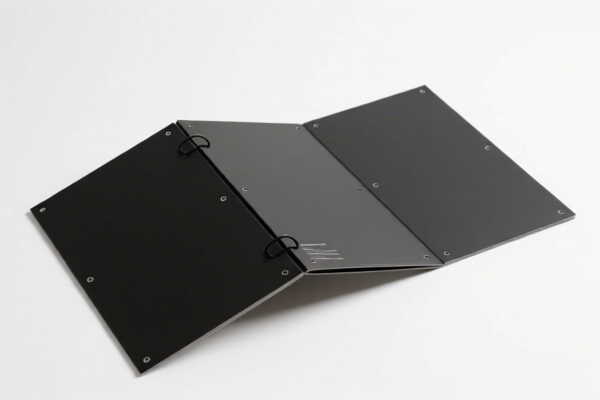
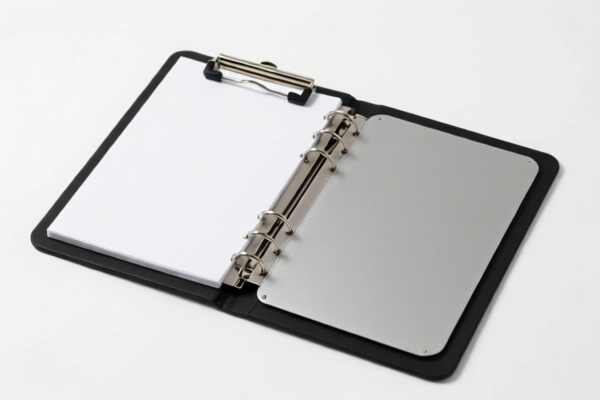
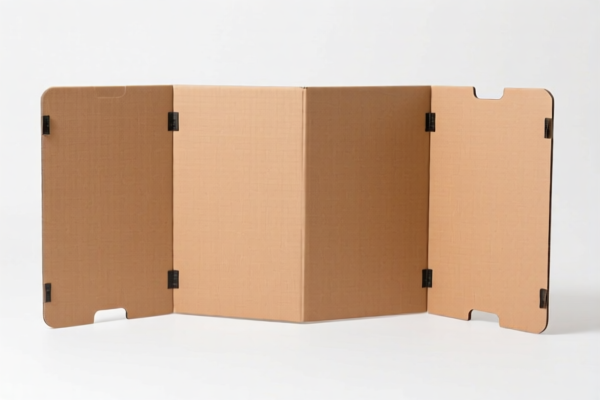
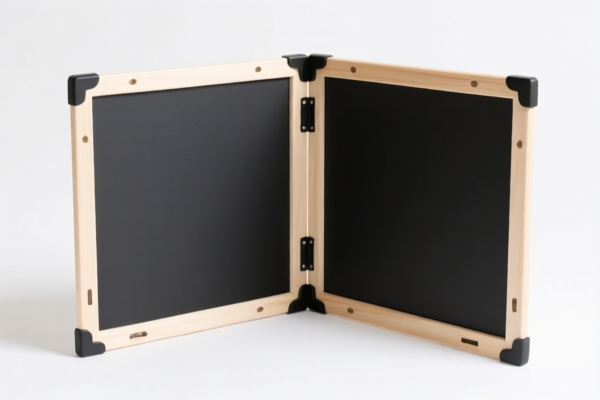
AI Analysis
📦 Short Folding Board: HS Code Classification & US Customs Clearance Guide (2026)
🌐 HS Code Reference & Customs Strategy | 2026 Latest Tariff Analysis | Professional Clearance Guide
The "Short Folding Board" is a versatile industrial or packaging component. However, its customs classification is highly material-dependent. Because the name alone does not specify whether the board is made of Plastic, Metal (Steel/Iron), or Paper/Cardboard, it falls into three distinct HS Code categories with drastically different tax implications.
⚠️ Critical Distinction:
- If made of Plastic →归入 3923 (Plastic Articles) → Low Tax
- If made of Metal → 归入 7326 (Steel/Iron Articles) → High Tax (Due to Section 232/301)
- If made of Paper → 归入 4819 (Paper Packaging) → Lowest Tax
📊 二、HS Code Classification Breakdown (2026 Latest Tariff Authority)
Based on the material inference, here are the four possible HS Codes and their corresponding tax structures.
| HS Code | Product Description | Material Inference | Key Characteristics |
|---|---|---|---|
3923.90.00.80 |
Plastic Articles for Packing, Storage & Transport of Goods, N.E.C. | Plastic | Folding board as a structural accessory/packaging part. No material conflict. |
7326.90.86.88 |
Other Articles of Iron or Steel, N.E.C. | Metal (Steel/Iron) | Folding board made of iron/steel. Classified under "Other" non-specific metal articles. |
3923.10.90.00 |
Boxes, Cases, Crates & Similar Articles of Plastic | Plastic | Folding board used for packaging/transport. Fits "similar articles" under plastic boxes/crates. |
7326.19.00.80 |
Other Articles of Iron or Steel (e.g., Bars, Rods, Angles, Shapes & Sections) | Metal (Steel/Iron) | Folding board inferred as metal sheet/plate. "Plate" form fits "Other steel articles." |
4819.20.00.40 |
Boxes, Cases, Cartons & Similar Containers of Paper or Paperboard, Folding (Non-Corrugated) | Paper/Cardboard | Folding board inferred as paper-based packaging. No conflict with metal/plastic. |
🔍 Key Warning:
- Metal HS Codes (7326) attract 50% Additional Tariff (Section 232/301) + 10% (Section 301) + Base Duty. Total: ~87.9%.
- Plastic/Paper HS Codes (3923,4819) attract 25% Additional Tariff (Section 301) + 10% (Section 301) + Base Duty. Total: ~35-38%.
- Misclassification is costly: Declaring a metal board as plastic could lead to penalties or back-taxes.
💰 三、2026 Latest Tariff Rate Breakdown (Including Surtaxes)
✅ Applicable Country: USA (US)
✅ Origin: China (CN)
✅ Effective Date: 2025/2026 (Current Policy)
🎯 1. 3923.90.00.80 & 3923.10.90.00 —— Plastic Folding Boards
| Item | Details |
|---|---|
| Base Duty | 3.0% (Ad Valorem) |
| Section 301 Additional Duty | +25.0% (China-origin goods) |
| Section 301 (122 Clause) Surcharge | +10.0% |
| Total Duty Rate | 38.0% |
| Calculation Basis | CIF Value × 38% |
| De Minimis Exemption | ❌ Not Eligible (High tariff rates disqualify from $800 de minimis) |
| Legal Basis | 301:3923 → 122:3923 → Base:3.0 |
📌 Explanation:
- Plastic folding boards are classified under "Other plastic articles" or "Plastic boxes/crates."
- The 38% rate includes base duty, standard Section 301, and specific 122 clause surcharges.
🎯 2. 7326.90.86.88 & 7326.19.00.80 —— Metal (Steel/Iron) Folding Boards
| Item | Details |
|---|---|
| Base Duty | 2.9% (Ad Valorem) |
| Section 301 Additional Duty | +25.0% (China-origin goods) |
| Section 301 (122 Clause) Surcharge | +10.0% |
| Section 232 (Steel/Aluminum/Copper) Surcharge | +50.0% |
| Total Duty Rate | 87.9% |
| Calculation Basis | CIF Value × 87.9% |
| De Minimis Exemption | ❌ Not Eligible |
| Legal Basis | 232:7326 → 301:7326 → 122:7326 → Base:2.9 |
📌 Explanation:
- Metal folding boards fall under "Other articles of iron or steel."
- Critical: The 50% Section 232 tariff applies to steel/aluminum/copper products from certain countries, including China. This pushes the total rate to nearly 88%.
- This is an extremely high duty rate.
🎯 3. 4819.20.00.40 —— Paper/Cardboard Folding Board
| Item | Details |
|---|---|
| Base Duty | 0.0% (Ad Valorem) |
| Section 301 Additional Duty | +25.0% (China-origin goods) |
| Section 301 (122 Clause) Surcharge | +10.0% |
| Total Duty Rate | 35.0% |
| Calculation Basis | CIF Value × 35% |
| De Minimis Exemption | ❌ Not Eligible |
| Legal Basis | 301:4819 → 122:4819 → Base:0.0 |
📌 Explanation:
- Paper-based folding boards have a 0% base duty.
- However, the 25% + 10% surcharges still apply, resulting in a 35% total rate.
- This is the lowest tariff option among the three materials, provided the material is genuinely paper/cardboard.
🛠️ 四、Customs Clearance Practical Advice (Avoiding Pitfalls)
✅ 1. Preparation Checklist (Mandatory)
| Document | Required? | Notes |
|---|---|---|
| ✅ Product Specification Sheet | ✔️ | Must clearly state Material Composition (e.g., "100% HDPE Plastic" or "Galvanized Steel"). |
| ✅ Product Photos | ✔️ | Show texture, rigidity, and any markings (e.g., recycling symbol for plastic, mill mark for steel). |
| ✅ Commercial Invoice | ✔️ | Must specify material and usage (e.g., "Plastic Folding Board for Warehouse Use"). |
| ✅ Packing List | ✔️ | Include weight and dimensions to verify classification. |
| ✅ Origin Certificate | ✔️ | Confirm Country of Origin (China) to apply correct surcharges. |
✅ 2. Declaration Tips (Key Mantra)
🔥 "Material is King, Name is Secondary! Declare Material Explicitly!"
| Scenario | Correct Declaration | Incorrect Declaration | Consequence |
|---|---|---|---|
| Plastic Board | "Folding Board, Plastic, for Packaging" | "Folding Board" (Vague) | Risk of reclassification to Metal (87.9%) or Paper (35%) → Back Taxes |
| Metal Board | "Folding Board, Steel, Industrial Grade" | "Folding Board" (Vague) | Risk of penalty for undervaluation if plastic rate applied |
| Paper Board | "Folding Board, Paper/Cardboard" | "Folding Board" (Vague) | Acceptable if material is verified |
✅ 3. Special Cases & Mitigation
| Situation | Recommendation |
|---|---|
| Mixed Material Board | If the board has a plastic coating on metal, consult a customs broker. May still be classified as metal (7326) due to core structure. |
| OEM Custom Design | Provide design drawings showing material layers. Essential for proving non-metal status if claiming Plastic/Paper rates. |
| High-Value Metal Board | Consider HTS Code Pre-Ruling from CBP before shipment. 87.9% tax can destroy margins. |
| Small Quantity Samples | Check if Section 301 exclusions apply (though rare for generic folding boards). Generally, no de minimis exemption for these HS codes. |
🌍 五、Global Market Comparison (2026)
| Market | Recommended HS Code | Total Tax Rate (China Origin) | Notes |
|---|---|---|---|
| 🇺🇸 USA | Depends on Material | 35%–87.9% | Highest risk market due to Section 232/301. Material proof is critical. |
| 🇨🇳 China | Depends on Material | 0%–13% | Lower duties, but subject to VAT. |
| 🇪🇺 EU | Depends on Material | 0%–6.5% | No Section 232 equivalent. Plastic: 4.5%, Steel: 4.5%. |
| 🇨🇦 Canada | Depends on Material | 0%–15% | Similar to US but with lower surcharges. |
📌 Conclusion:
- The USA imposes the highest tariffs on folding boards, especially if made of metal.
- Plastic and Paper options offer significant tax savings (35-38%) compared to Metal (87.9%).
- Material verification is the single most important step in customs clearance.
📌 六、Common Mistakes & Pitfalls (Blood & Tears Lessons)
❌ Mistake 1: Declaring a Steel Folding Board as "Plastic" to save tax
👉 Consequence: Customs inspection reveals metal → 87.9% tax + Penalties + Delay
❌ Mistake 2: Using vague terms like "Board" or "Plate" without material specification
👉 Consequence: CBP assigns highest duty rate (likely Metal) → Unnecessary 87.9% tax
❌ Mistake 3: Assuming all "Folding Boards" are packaging
👉 Consequence: Industrial metal boards used in machinery are still subject to Section 232 (50%) → High Tax
❌ Mistake 4: Ignoring Section 122 (10%) surcharge
👉 Consequence: Underestimating total cost by 10% → Budget overrun
✅ Correct Approach:
"Short Folding Board, Material: Polypropylene (PP), Use: Warehouse Storage, Model: XYZ, Made in China"
🎯 七、Conclusion: Precision Saves Money!
🎯 Remember the Mantra:
🔹 "Metal = 87.9% (High Risk)"
🔹 "Plastic = 38.0% (Moderate)"
🔹 "Paper = 35.0% (Lowest)"
🔹 "Always Declare Material Explicitly!"
📌 Pro Tip:
- If your folding board is metal, consider sourcing from non-subject countries (e.g., Vietnam, Mexico) to avoid Section 232 tariffs, if feasible.
- For plastic/paper, ensure the material composition is documented in the Invoice and Packing List to justify the 35-38% rate.
- Apply for a CBP Pre-Ruling if the material is ambiguous or mixed. It provides legal certainty and avoids post-clearance audits.
📣 Immediate Action:
📞 Contact a Licensed Customs Broker
📤 Submit Material Safety Data Sheet (MSDS) or Spec Sheet
🚀 Ensure Smooth Clearance, Avoid Delays, Maximize Profit!
✨ Professional Customs Clearance Starts with Accurate Classification!
💼 Every Percentage Point of Duty is a Percentage Point of Profit Lost!
Customer Reviews
About HS Code Classification
The Harmonized System (HS) is an internationally standardized nomenclature developed by the World Customs Organization (WCO) to classify traded products. Over 200 countries use the HS system as the basis for customs tariffs, trade statistics, and import/export regulations.
Each HS code follows a hierarchical structure:
- Chapter (2 digits) — Broad category of goods (e.g., Chapter 84: Machinery and Mechanical Appliances)
- Heading (4 digits) — More specific grouping within the chapter
- Subheading (6 digits) — Internationally standardized breakdown, used by all WCO member countries
- National subdivisions (8-10 digits) — Country-specific extensions for further classification, such as US HTSUS 10-digit codes
Correct HS code classification is essential for smooth customs clearance, accurate duty payment, and compliance with trade regulations. Misclassification can lead to customs delays, overpayment of duties, or penalties.
When importing from CN to US, the applicable tariff rates may include:
- Most-Favored-Nation (MFN) rate — The standard duty rate applied to WTO members
- General rate — Applied to countries without trade agreements
- Trade remedy duties — Additional tariffs such as Section 301 (anti-dumping), Section 232 (national security), or countervailing duties
The information provided on this page is for reference purposes only. For official classification, please consult with your local customs authority or a licensed customs broker.