shrink tubings sample
CN → US| HS Code | Tariff Rate | Origin | Destination | Doc |
|---|---|---|---|---|
| 8547900020 | 89.6% | CN | US | Official Doc |
| 3917320050 | 38.1% | CN | US | Official Doc |
| 8547900010 | 89.6% | CN | US | Official Doc |
| 3917390050 | 38.1% | CN | US | Official Doc |
| 8547200000 | 35.0% | CN | US | Official Doc |
Product Images
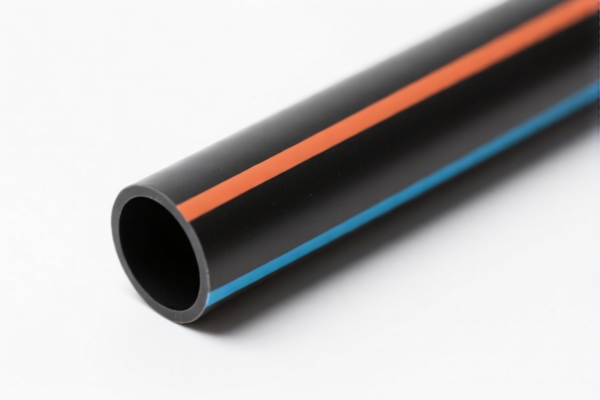
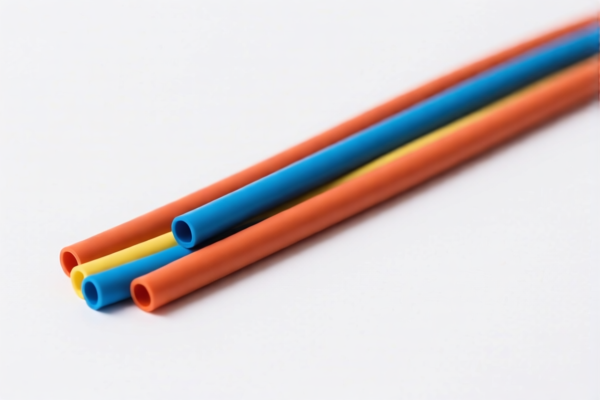
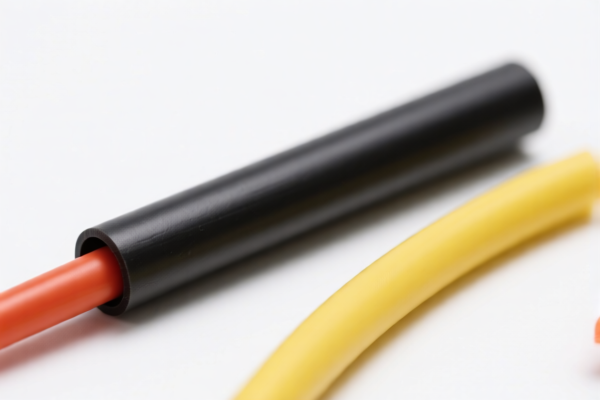
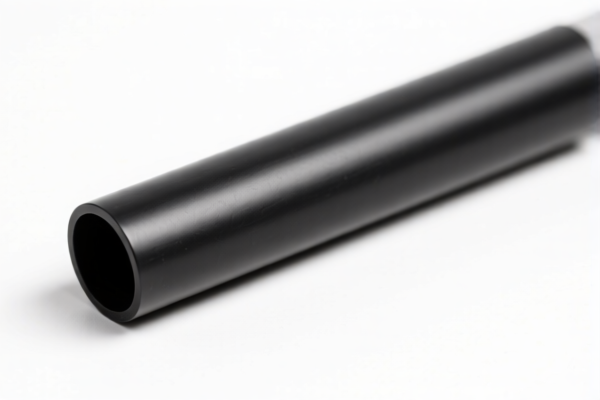
AI Analysis
🧪 Shrink Tubing Samples (Heat Shrink Tubing Kits)
🌐 HS Code Reference & Customs Clearance Guide | 2026 Latest Tariff Analysis | Professional Compliance Strategy
📌 I. Product Definition & Classification: Do You Really Understand "Shrink Tubing"?
Shrink tubing, technically known as Heat Shrink Tubing, is a flexible polymeric tube that shrinks when exposed to heat. It is primarily used for electrical insulation, mechanical protection, strain relief, and bundling of wires.
In international trade, it is classified based on material composition and primary function. There is a critical distinction between "Electrical Insulation Accessories" and "Plastic Pipes/Tubes":
1. Electrical Insulation Accessories (Chapter 85):
Tubing specifically designed for electrical insulation (e.g., polyolefin, fluoropolymer) is often classified under Chapter 85 as "Electrical insulators of any material" or "Parts of electrical machines."
2. Plastic Pipes/Tubes (Chapter 39):
If the tubing is considered a general-purpose plastic tube (not exclusively for electrical use) or made of specific thermoplastics not meeting the strict "insulator" definition, it falls under Chapter 39.
⚠️ Key Distinction Point:
- If the product is marketed as "Electrical Insulation Tubing" or "Wire Harness Insulation" → Likely 8547 or 8547.20.
- If the product is marketed as "Heat Shrink Plastic Tube" for general industrial/civil use → Likely 3917 (Plastic pipes/tubes).
- Note: Many customs authorities scrutinize 3917 vs. 8547 closely due to tariff differences.
📦 II. HS Code Classification Details (2026 Latest Tariff Authority对照)
| HS Code | Product Description | Application Scenario | Material/Type |
|---|---|---|---|
8547.90.00.20 |
Heat shrink tubes or kits, matching form and use (Electrical Insulation/Protection), typically polymer/plastic material. | Electrical wire insulation kits, professional harnessing. | Polymer/Plastic Insulation |
3917.32.00.50 |
Heat shrink tubing, form: tube/hose, material inferred as plastic (non-PVC or PE), fits residual category for other materials. | General purpose heat shrink, non-specialized plastic tubing. | Plastic (Thermoplastic, non-specified) |
8547.90.00.10 |
Heat shrink tubing, made of insulating material such as polyolefin, belonging to electrical insulation accessories, no obvious material conflict. | Standard polyolefin electrical shrink wrap. | Polyolefin/Insulating Material |
3917.39.00.50 |
Heat shrink tubing, material is plastic (thermoplastic), form fits other pipes, tubes, and hoses category. | General thermoplastic shrink tubing. | Plastic (Thermoplastic) |
8547.20.00.00 |
Heat shrink tubing kits, inferred material is plastic, purpose is electrical insulation/protection accessory, fits plastic insulation accessory characteristics. | Electrician kits with crimp tools/adhesives, plastic-based insulation. | Plastic Electrical Insulation Accessory |
🔍 Key Reminder:
- 8547 Codes: Generally apply to electrical insulation parts. However, note the high tariff impact due to Section 301/122 clauses in the US.
- 3917 Codes: Apply to plastic tubes/pipes. These often have lower base duties but still face additional taxes.
- Kit vs. Loose: If sold as a "Kit" (with tools/accessories), it may still fall under the primary component's code (8547.20) if the insulation aspect is dominant.
💰 III. 2026 Latest Tariff Rate Detail (Including Surtaxes & Policy Surcharges)
✅ Applicable Country: United States (US)
✅ Country of Origin: China (CN)
✅ Effective Date: From November 10, 2025 (including subsequent imports)
🎯 1. 8547.90.00.20 & 8547.90.00.10 —— Electrical Insulation Heat Shrink Tubes
| Item | Detail |
|---|---|
| Base Duty Rate | 4.6% (ad valorem) |
| Section 301 Surcharge | +25.0% |
| Section 122 Tariff (Steel/Aluminum/Copper Products) | +50% (Applicable if the tubing contains metal cores or is classified under specific metal-related provisions; Note: Data indicates this high rate for these specific HS codes) |
| Total Tariff Rate | 89.6% |
| Tax Calculation | CIF Value × 89.6% |
| De Minimis Eligibility | ❌ No (deny_de_minimis) |
| Legal Basis Path | Section 301: 8547.90.00 → Section 122: Metal/Copper related surcharge |
📌 Explanation:
- These codes are classified under Chapter 85 (Electrical Machinery).
- The 89.6% rate is extremely high due to the combination of the base duty (4.6%), Section 301 surcharge (25%), and the significant Section 122 surcharge (50%) applied to certain electrical components or materials linked to steel/aluminum/copper supply chains.
- Risk: High probability of audit or reclassification if documentation is unclear.
🎯 2. 3917.32.00.50 & 3917.39.00.50 —— Plastic Heat Shrink Tubes (Pipes/Tubes)
| Item | Detail |
|---|---|
| Base Duty Rate | 3.1% (ad valorem) |
| Section 301 Surcharge | +25.0% |
| Section 122 Tariff | +10% (Note: Data specifies 10% for this category, likely due to different material origin or product type classification compared to 8547) |
| Total Tariff Rate | 38.1% |
| Tax Calculation | CIF Value × 38.1% |
| De Minimis Eligibility | ❌ No (deny_de_minimis) |
| Legal Basis Path | Section 301: 3917.32/39 → Section 122: 10% surcharge |
📌 Note:
- While the base duty is lower (3.1%), the total rate of 38.1% is still substantial.
- This classification assumes the product is treated strictly as a plastic tube rather than an electrical insulator.
- Advantage: Lower than the 89.6% rate for 8547, but requires strong justification that it is not primarily an "electrical insulator" under Chapter 85.
🎯 3. 8547.20.00.00 —— Electrical Insulation Accessories (Plastic Kits)
| Item | Detail |
|---|---|
| Base Duty Rate | 0.0% (ad valorem) |
| Section 301 Surcharge | +25.0% |
| Section 122 Tariff | +10% |
| Total Tariff Rate | 35.0% |
| Tax Calculation | CIF Value × 35.0% |
| De Minimis Eligibility | ❌ No (deny_de_minimis) |
| Legal Basis Path | Section 301: 8547.20 → Section 122: 10% surcharge |
📌 Strategic Insight:
- This code offers the lowest total tariff (35.0%) among the electrical-related codes.
- It applies to accessories (kits) made of plastic for electrical insulation.
- Condition: Must be clearly defined as an "Accessory" (e.g., a kit containing tubing, connectors, and tools) rather than just the tubing itself.
🛠️ IV. Customs Clearance Practical Advice (Battle-Tested Pitfall Avoidance)
✅ 1. Document Preparation Checklist (Mandatory)
| Document | Required? | Description |
|---|---|---|
| ✅ Product Specification Sheet | ✔️ | Must specify material (Polyolefin, PVC, Fluoropolymer, etc.), shrink ratio, voltage rating. |
| ✅ HS Code Ruling/Pre-decision | ✔️ | Recommended to obtain an advance ruling if unsure between 3917 and 8547. |
| ✅ Commercial Invoice | ✔️ | Clearly state "Heat Shrink Tubing for Electrical Insulation" or "Plastic Heat Shrink Tubing." |
| ✅ Material Safety Data Sheet (MSDS) | ✔️ | For chemical composition verification. |
| ✅ Photo of Product & Packaging | ✔️ | Show labels, shrink ratios, and any "Electrical" markings. |
✅ 2. Declaration Strategy (Key Mantras)
🔥 “Material Defines HS, Function Defines Duty, Kit Avoids High Rate!”
| Scenario | Correct Declaration | Wrong Practice |
|---|---|---|
| Electrical Insulation Tubing (Loose) | 8547.90.00.10 or 8547.90.00.20 |
Declare as "Plastic Tube" (3917) → Risk of reclassification + penalties. |
| General Purpose Plastic Tube | 3917.39.00.50 |
Declare as "Electrical Insulator" → May trigger unnecessary 122 scrutiny. |
| Shrink Tubing Kit (with tools) | 8547.20.00.00 |
Declare as individual components → May miss the "Kit" classification benefit. |
| Non-Electrical Industrial Tubing | 3917.32.00.50 |
N/A |
✅ 3. Special Situation Handling
| Situation | Handling Advice |
|---|---|
| Mixed Materials | If tubing contains metal cores, it may fall under Section 122 (50% surcharge) regardless of HS code. Disclose explicitly. |
| "Sample" Shipments | Even samples are subject to duty if value exceeds de minimis thresholds or if denied de minimis (as per data). Declare full value. |
| Origin Marking | Ensure all tubes/packages are marked "Made in China" to avoid Section 301/122 disputes. |
| Voluntary Disclosure | If previously classified under a lower rate erroneously, consider VDP (Voluntary Disclosure Program) to mitigate penalties. |
🌍 V. Global Market Comparison (2026 Latest)
| Country/Region | Recommended HS Code | Tariff Rate | Certification Requirements | Notes |
|---|---|---|---|---|
| 🇺🇸 USA | 8547.20.00.00 (Kit) or 3917.39.00.50 |
35.0% - 38.1% | UL, CSA (if electrical) | High scrutiny on 8547 vs 3917. Avoid 8547.90 if possible due to 89.6% rate. |
| 🇨🇳 China | 3917.39.00.00 |
~3.1% | CCC (if electrical accessories) | Base duty is low. |
| 🇪🇺 EU | 3917.39.00 |
0% - 2% | CE, RoHS | Generally low duty. Focus on REACH compliance. |
| 🇬🇧 UK | 3917.39.00 |
0% - 2% | UKCA, RoHS | Post-Brexit alignment with EU. |
| 🇨🇦 Canada | 3917.39.00 |
0% - 5% | Health Canada (if food contact) | Lower tariffs than US. |
📌 Conclusion:
- The US market poses the highest tariff risk for shrink tubing, especially if classified under Chapter 85 (8547).
- Strategy: If the product is a kit, use8547.20.00.00(35.0%). If it is loose tubing for general use, consider3917.39.00.50(38.1%) but ensure documentation supports "Plastic Tube" classification to avoid Section 122 metal surcharges.
- Avoid8547.90.00.20and8547.90.00.10unless absolutely necessary, as the 89.6% rate is prohibitive.
📌 VI. Common Errors & Pitfalls (Lessons from Experience)
❌ Error 1: Classifying electrical insulation tubing as 3917 to avoid high tariffs without proper justification.
👉 Consequence: Customs reclassifies to 8547, applies 25% Section 301 + 50% Section 122 → 89.6% duty + penalties.
❌ Error 2: Declaring a "Kit" as individual components (tube + crimp tool separately).
👉 Consequence: May miss the "Kit" classification (8547.20.00.00) which has a lower total rate (35.0%) compared to the tube alone under high-surtax categories.
❌ Error 3: Ignoring Section 122 "Steel/Aluminum/Copper" implications.
👉 Consequence: If the tubing has metal fittings or is deemed part of a metal assembly, the 50% surcharge applies.
❌ Error 4: Using vague descriptions like "Plastic Tube" for electrical products.
👉 Consequence: Customs request for information delays clearance, potentially leading to storage fees and detention.
✅ Correct Practice:
"Heat Shrink Tubing Kit, Polyolefin Material, For Electrical Insulation, Includes Tubing & Crimping Tools, Model XYZ, UL Listed"
🎯 VII. Conclusion: Professional Declaration, Save Cost, Ensure Compliance!
🎯 Remember the Mantra:
🔹 "Kit is King: 35% Rate. General Tube: 38%. Electrical Loose: 90% (Avoid!)"
🔹 "HS Code Determines Life and Death, Tariff Difference is Thousands, Declaration One Step Away, Backup Tax Upstairs!"
📌 Tips:
- If your shrink tubing is originating from Vietnam, Mexico, Thailand, or Malaysia, you may be eligible for IEEPA Exemptions or lower Section 301 rates.
- It is strongly recommended to apply for an Advance Ruling from US Customs (CBP) to lock in the correct HS Code (especially between 3917 and 8547) and avoid unexpected 89.6% bills.
📣 Take Action Now:
📞 Contact a Professional Customs Broker + Provide Product Specs + Apply for HS Code Advance Ruling
🚀 Let your shrink tubing clear customs smoothly, expand globally, and double your profits!
✨ Professional Clearance Starts with Accurate Classification!
💼 Every Cent of Your Cost Deserves to Be Precisely Calculated!
Customer Reviews
About HS Code Classification
The Harmonized System (HS) is an internationally standardized nomenclature developed by the World Customs Organization (WCO) to classify traded products. Over 200 countries use the HS system as the basis for customs tariffs, trade statistics, and import/export regulations.
Each HS code follows a hierarchical structure:
- Chapter (2 digits) — Broad category of goods (e.g., Chapter 84: Machinery and Mechanical Appliances)
- Heading (4 digits) — More specific grouping within the chapter
- Subheading (6 digits) — Internationally standardized breakdown, used by all WCO member countries
- National subdivisions (8-10 digits) — Country-specific extensions for further classification, such as US HTSUS 10-digit codes
Correct HS code classification is essential for smooth customs clearance, accurate duty payment, and compliance with trade regulations. Misclassification can lead to customs delays, overpayment of duties, or penalties.
When importing from CN to US, the applicable tariff rates may include:
- Most-Favored-Nation (MFN) rate — The standard duty rate applied to WTO members
- General rate — Applied to countries without trade agreements
- Trade remedy duties — Additional tariffs such as Section 301 (anti-dumping), Section 232 (national security), or countervailing duties
The information provided on this page is for reference purposes only. For official classification, please consult with your local customs authority or a licensed customs broker.