signal generator module
CN → US| HS Code | Tariff Rate | Origin | Destination | Doc |
|---|---|---|---|---|
| 8542390090 | 60.0% | CN | US | Official Doc |
| 8542390070 | 60.0% | CN | US | Official Doc |
| 9030890100 | 35.0% | CN | US | Official Doc |
| 9030906800 | 35.0% | CN | US | Official Doc |
| 8543200000 | 35.0% | CN | US | Official Doc |
| 8543906800 | 35.0% | CN | US | Official Doc |
Product Images
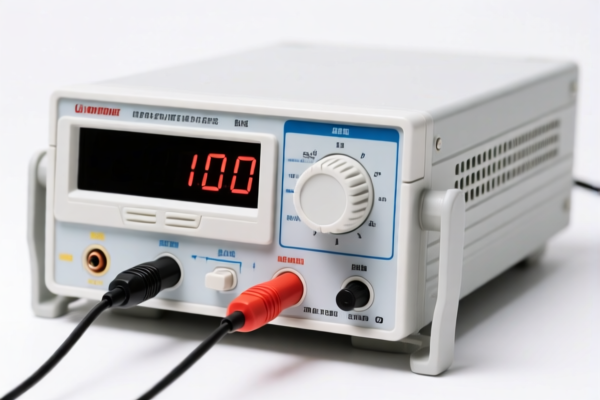
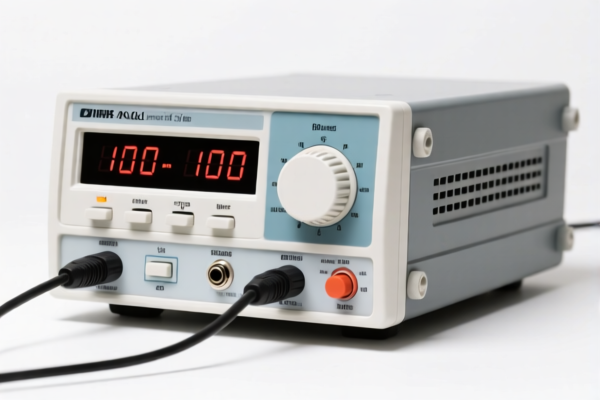
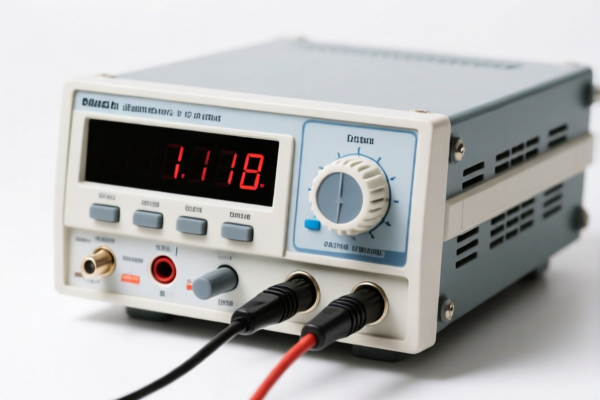
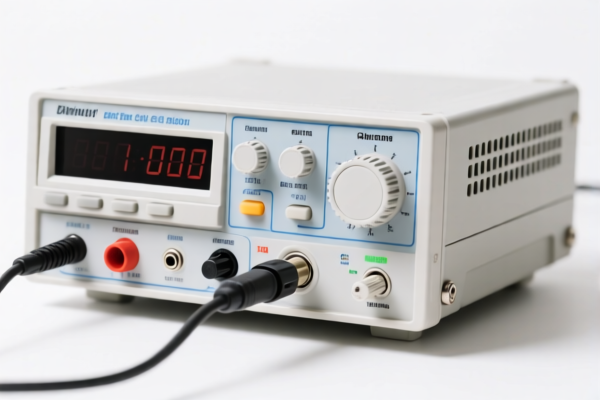
AI Analysis
⚡ Signal Generator Module (信号发生器模块)
🌐 HS Code Reference & Customs Clearance Guide | 2026 Latest Tariff Analysis | Professional Entry Strategy
📌 1. Product Definition & Classification: Do You Really Understand a “Signal Generator Module”?
A Signal Generator Module is a core electronic component used in testing, measurement, communications, and industrial control systems to generate specific electrical waveforms (sine, square, triangular, etc.). In international trade, its classification depends heavily on functional characteristics: whether it is a standalone functional unit, a processing component, or a measurement instrument.
⚠️ Key Distinction:
- If it performs signal processing as an integrated circuit block → Chapter 85 (Electronic Integrated Circuits)
- If it acts as a measurement/checking instrument or generates specific waveforms for testing → Chapter 90 (Optical/Medical/Scientific Instruments)
- If it is a standalone signal generator device or functional module → Chapter 85 (Other Electronic Machines/Parts)
📦 2. HS Code Classification Details (2026 Latest Authorized Reference)
Based on the provided data, here are the 6 most likely HS Codes with their tax implications:
| HS Code | Product Description & Justification | Total Tax Rate | Tax Composition (Base + Additional) |
|---|---|---|---|
| 8542.39.00.90 | Functional module of electronic integrated circuits; core function is signal processing; fits “Other” category. | 60.0% | Base: 0% + Sec. 301: 50% + 122 Clause: 10% |
| 8542.39.00.70 | Component of electronic ICs; possesses signal generation/regulation properties; fits “Adjustable Signal” description. | 60.0% | Base: 0% + Sec. 301: 50% + 122 Clause: 10% |
| 9030.89.01.00 | Electronic device for generating specific waveform signals; fits “Other Instruments & Apparatus” for measurement/checking. | 35.0% | Base: 0% + Sec. 301: 25% + 122 Clause: 10% |
| 9030.90.68.00 | Electronic circuit component; functional attribute matches “Printed Circuit Assembly” use. | 35.0% | Base: 0% + Sec. 301: 25% + 122 Clause: 10% |
| 8543.20.00.00 | Perfect match with “Signal Generator” usage; “Module” form fits electronic equipment components. | 35.0% | Base: 0% + Sec. 301: 25% + 122 Clause: 10% |
| 8543.90.68.00 | Functional electronic module; independent electrical device part; matches “Printed Circuit Assembly/Parts” attributes. | 35.0% | Base: 0% + Sec. 301: 25% + 122 Clause: 10% |
🔍 Critical Note:
- Chapter 85 (8542.39.00) items are classified as Integrated Circuit Parts/Functional Modules and carry a higher tariff (60%) due to stricter Section 301 classifications for IC components.
- Chapter 85 (8543) and Chapter 90 (9030) items are classified as Electronic Machines/Parts or Scientific Instruments, carrying a lower tariff (35%).
- The key to saving 25% in tariffs lies in proving the product is a functional module/instrument (8543/9030) rather than a pure IC component (8542).
💰 3. 2026 Latest Tariff Rate Breakdown (Detailed Tax Clauses)
✅ Applicable Country: United States (US)
✅ Country of Origin: China (CN)
✅ Effective Date: Post-2025 Trade Policy (Includes IEEPA & Section 301)
🎯 Group A: High-Tariff IC Components (HS 8542.39.00)
1. 8542.39.00.90 & 8542.39.00.70
| Item | Details |
|---|---|
| Base Duty | 0% |
| Section 301 Duty (Additional) | +50% |
| 122 Clause Duty (Additional) | +10% |
| Total Effective Rate | 60.0% |
| Calculation Basis | CIF Value × 60% |
| De Minimis Exemption | ❌ Not Applicable |
| Legal Path | USITC:8542.39.00.90/70 → Sec.301:9903.88.01 → IEEPA:9903.01.25 |
📌 Explanation:
- These codes classify the module as a functional block of an integrated circuit.
- The 50% Section 301 duty is applied to all Chinese-origin IC components to protect domestic semiconductor industries.
- The 10% IEEPA duty applies to all Chinese goods under emergency economic powers.
- Result: This is the most expensive classification option. Avoid if possible.
🎯 Group B: Standard-Tariff Functional Modules & Instruments (HS 8543 & 9030)
2. 9030.89.01.00 (Measurement Instrument)
| Item | Details |
|---|---|
| Base Duty | 0% |
| Section 301 Duty | +25% |
| 122 Clause Duty | +10% |
| Total Effective Rate | 35.0% |
| Calculation Basis | CIF Value × 35% |
| De Minimis Exemption | ❌ Not Applicable |
| Legal Path | USITC:9030.89.01.00 → Sec.301:9903.88.01 |
3. 9030.90.68.00 (Circuit Component for Instruments)
| Item | Details |
|---|---|
| Base Duty | 0% |
| Section 301 Duty | +25% |
| 122 Clause Duty | +10% |
| Total Effective Rate | 35.0% |
| Calculation Basis | CIF Value × 35% |
4. 8543.20.00.00 (Signal Generator)
| Item | Details |
|---|---|
| Base Duty | 0% |
| Section 301 Duty | +25% |
| 122 Clause Duty | +10% |
| Total Effective Rate | 35.0% |
| Calculation Basis | CIF Value × 35% |
5. 8543.90.68.00 (Parts of Electronic Machines)
| Item | Details |
|---|---|
| Base Duty | 0% |
| Section 301 Duty | +25% |
| 122 Clause Duty | +10% |
| Total Effective Rate | 35.0% |
| Calculation Basis | CIF Value × 35% |
📌 Explanation:
- These codes classify the product as either a signal generator (8543) or a measurement instrument (9030).
- The Section 301 duty is only 25% (half of the IC component rate).
- The 10% IEEPA duty still applies.
- Result: This is the preferred classification for cost optimization.
🛠️ 4. Customs Clearance Practical Advice (Pro Tips to Avoid Pitfalls)
✅ 1. Documentation Checklist (Mandatory)
| Document | Required? | Purpose |
|---|---|---|
| ✅ Product Specification Sheet | ✔️ | Must detail: Signal types (Sine/Square), Frequency Range, Output Impedance, Interface (HDMI/LVDS/etc.). |
| ✅ Circuit Diagram/Block Diagram | ✔️ | CRITICAL: Proves it is a functional module (8543/9030) and NOT just an IC die/component (8542). |
| ✅ Product Photos (Clear Label) | ✔️ | Show model number, brand, and input/output connectors. |
| ✅ Third-Party Test Report | ✔️ | FCC, CE, RoHS compliance. |
| ✅ Commercial Invoice | ✔️ | Description must include: “Signal Generator Module” or “Electronic Testing Instrument Module”. |
| ✅ Packing List | ✔️ | Ensure no separation of parts to avoid “split shipment” penalties. |
✅ 2. Classification Strategy (Key Mantra)
🔥 “Functional Module, Not IC Part; Instrument Use, Lower Rate!”
| Scenario | Recommended HS Code | Why? |
|---|---|---|
| Standalone Signal Generator (with housing, ports, display) | 8543.20.00.00 | Direct match for “Signal Generator”. Rate: 35%. |
| PCBA/Module for Signal Generation (No housing, just circuit board) | 8543.90.68.00 | Classified as “Part of Electronic Machine”. Rate: 35%. |
| Module used in Test Equipment | 9030.89.01.00 | Classified as “Part of Instrument”. Rate: 35%. |
| Pure IC Functional Block (Embedded in another IC) | 8542.39.00.90/70 | Classified as “IC Component”. Rate: 60%. ⚠️ AVOID |
📌 Warning:
- Do NOT use generic terms like “Electronic Chip” or “IC Module” in the description.
- Use precise terms: “Signal Generator Module”, “Waveform Generation Circuit”, or “Test Instrument Component”.
- If the module has adjustable frequency/amplitude, it supports the 8543/9030 classification.
✅ 3. Special Case Handling
| Scenario | Advice |
|---|---|
| OEM Custom Module | Provide customer design specs showing it is integrated into a larger electronic device (not a standalone IC). |
| Module with Firmware | Emphasize the software/firmware function of signal generation to support Chapter 85/90 classification. |
| Kit Assembly | If shipped as a kit, declare as a single unit (“Signal Generator Kit”) to avoid part-by-part high tariffs. |
🌍 5. Global Market Comparison (2026)
| Country/Region | Recommended HS Code | Estimated Duty (China Origin) | Notes |
|---|---|---|---|
| 🇺🇸 USA | 8543.20.00.00 / 9030.89.01.00 |
35% | Optimal for signal modules. Avoid 8542 (60%). |
| 🇨🇳 China | 8543.20.00.00 |
~5-10% | Low tariff, no Section 301. |
| 🇪🇺 EU | 8543.70.00 |
0-2% | No additional duties if CE certified. |
| 🇯🇵 Japan | 8543.70.90 |
0% | No additional duties. |
📌 Conclusion:
- The USA is the only market with high additional duties.
- Correct classification as 8543/9030 saves 25% in tariffs compared to 8542.
- For other markets, focus on CE/FCC compliance rather than duty optimization.
📌 6. Common Errors & Pitfalls (Lessons Learned)
❌ Error 1: Declaring a Signal Generator Module as “Integrated Circuit” (8542)
👉 Consequence: Tariff jumps from 35% to 60%. Loss: 25% of CIF value.
❌ Error 2: Describing the product vaguely as “Electronic Component”
👉 Consequence: Customs may guess incorrectly, leading to audits, delays, or higher default duties.
❌ Error 3: Splitting a “Signal Generator + Power Supply” into separate shipments
👉 Consequence: Each part may be taxed separately, potentially increasing total cost if parts are classified poorly.
✅ Correct Practice:
“Signal Generator Module, Model XYZ, Output: Sine/Square, Frequency: 1Hz-10MHz, Interface: LVDS, FCC Certified, Intended for Industrial Testing.”
🎯 7. Conclusion: Professional Declaration, Cost Efficiency!
🎯 Remember the Mantra:
🔹 “Function Over Form: Signal Generator (8543) beats IC Component (8542).”
🔹 “35% vs 60%: A 25% Difference, Worth the Documentation Effort.”
📌 Pro Tip:
If your module is part of a larger system, provide system-level integration diagrams to prove it is a functional module (8543/9030) rather than a standalone IC part (8542).
Consider applying for an Advance Ruling (ACE Ruling) for high-volume imports to lock in the 35% rate.
📣 Immediate Action:
📞 Consult with a licensed customs broker.
📝 Prepare detailed technical specifications highlighting signal generation functionality.
🚀 Optimize your HS Code to 8543.20.00.00 or 9030.89.01.00 for maximum savings.
✨ Precision in Classification, Profit in Trade!
💼 Every percentage point saved is pure profit!
Customer Reviews
About HS Code Classification
The Harmonized System (HS) is an internationally standardized nomenclature developed by the World Customs Organization (WCO) to classify traded products. Over 200 countries use the HS system as the basis for customs tariffs, trade statistics, and import/export regulations.
Each HS code follows a hierarchical structure:
- Chapter (2 digits) — Broad category of goods (e.g., Chapter 84: Machinery and Mechanical Appliances)
- Heading (4 digits) — More specific grouping within the chapter
- Subheading (6 digits) — Internationally standardized breakdown, used by all WCO member countries
- National subdivisions (8-10 digits) — Country-specific extensions for further classification, such as US HTSUS 10-digit codes
Correct HS code classification is essential for smooth customs clearance, accurate duty payment, and compliance with trade regulations. Misclassification can lead to customs delays, overpayment of duties, or penalties.
When importing from CN to US, the applicable tariff rates may include:
- Most-Favored-Nation (MFN) rate — The standard duty rate applied to WTO members
- General rate — Applied to countries without trade agreements
- Trade remedy duties — Additional tariffs such as Section 301 (anti-dumping), Section 232 (national security), or countervailing duties
The information provided on this page is for reference purposes only. For official classification, please consult with your local customs authority or a licensed customs broker.