silicon wafer doped, for solar cells
CN → US| HS Code | Tariff Rate | Origin | Destination | Doc |
|---|---|---|---|---|
| 2849202000 | 10.5% | CN | US | Official Doc |
| 2849201000 | 10.0% | CN | US | Official Doc |
| 3818000020 | 60.0% | CN | US | Official Doc |
| 3818000095 | 60.0% | CN | US | Official Doc |
| 3818000020 | 60.0% | CN | US | Official Doc |
Product Images
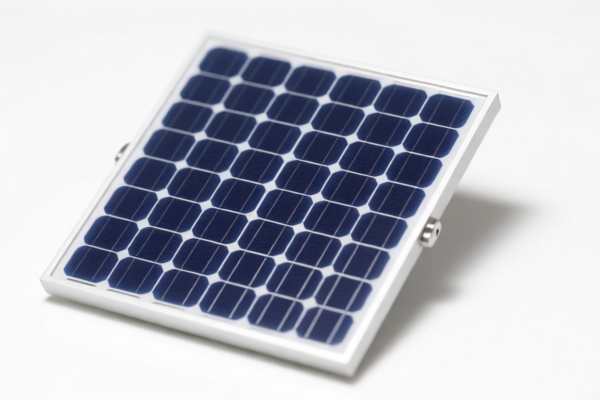
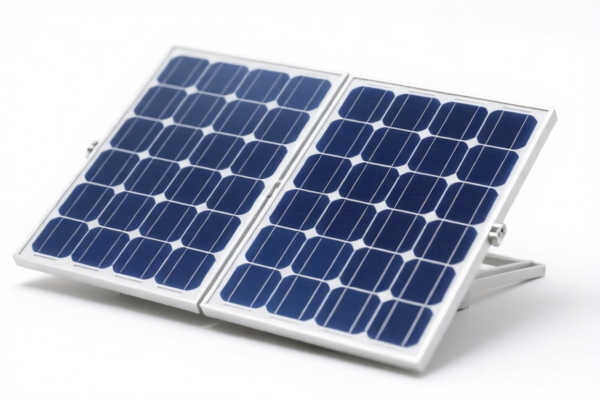
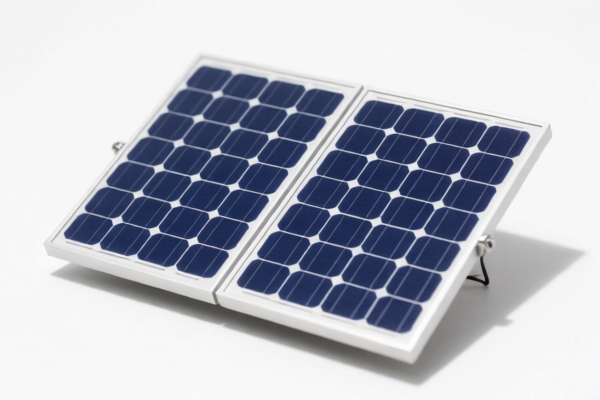
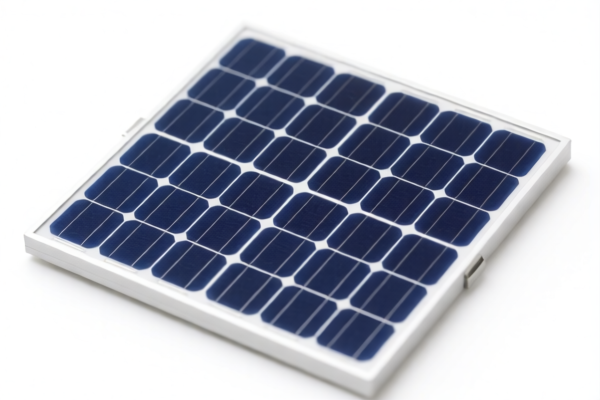
AI Analysis
☀️ Silicon Wafer Doped for Solar Cells (Photovoltaic Materials)
🌐 HS Code Reference & Customs Clearance Guide | 2026 Latest Tariff Analysis | Professional Compliance Strategy
📌 1. Product Definition: What Exactly Are "Doped Silicon Wafers for Solar Cells"?
Doped silicon wafers are the foundational building blocks of photovoltaic (PV) technology. They are not pure silicon but silicon modified with trace amounts of other elements (dopants like Boron or Phosphorus) to alter their electrical properties, enabling the generation of electricity from sunlight.
In international trade, these materials are classified differently depending on their physical form (raw material vs. finished electronic component) and processing level (refined vs. unrefined). Misclassification can lead to drastic tariff differences (from ~10% to 60%).
⚠️ Key Distinction Point:
- Raw/Intermediate Material: Granular, powdered, or simple refined forms used primarily as raw material for further processing → Often classified under Chapter 28 (Inorganic Chemicals).
- Finished Electronic Component: Wafters ready for integration into solar modules or other electronic devices, often with specific doping profiles → Often classified under Chapter 38 (Miscellaneous Chemical Products) or specific electronic component headings, attracting higher punitive tariffs.
📦 2. HS Code Classification Details (2026 Latest Tariff Authority Alignment)
Based on the provided <DATA>, the classification for "Silicon Wafer Doped for Solar Cells" splits into four specific scenarios based on material attributes and form.
| HS Code | Product Description | Applicable Scenario | Key Attribute |
|---|---|---|---|
2849.20.20.00 |
Doped Silicon PV Material | Granular, refined form; matches Silicon Carbide (SiC) material attributes. | Raw Material Form |
2849.20.10.00 |
Doped Silicon PV Material | Matches unrefined Silicon Carbide material attributes. | Unrefined/Primitive Form |
3818.00.00.20 |
Doped Silicon for PV or Electronic Devices | Matches doped & polycrystalline silicon material. | Electronic Component/Form |
3818.00.00.95 |
Doped Materials | Catch-all for other doped elements or compounds. | Generic/Other Doped Material |
🔍 Critical Reminder:
- The physical form (granular vs. wafer) and processing state (refined vs. unrefined) determine whether you fall under Chapter 28 (Lower Tariff) or Chapter 38 (Higher Tariff).
- Do not assume "Wafer" = "Electronic Component." If the material is granular or unrefined, it may qualify for the lower Chapter 28 duties.
- If the product is explicitly labeled as a "wafer" intended for direct integration into electronic circuits or high-end PV modules, customs may lean towards Chapter 38, triggering the 60% tariff.
💰 3. 2026 Latest Tariff Rate Breakdown (Including Surtaxes & Policy Add-ons)
✅ Applicable Country: United States (US)
✅ Origin: China (CN)
✅ Effective Time: Post-2025 (Includes Section 301 & Section 232 implications)
🎯 1. 2849.20.20.00 – Doped Silicon PV Material (Granular, Refined, SiC Match)
| Item | Details |
|---|---|
| Base Tariff | 0.5% (ad valorem) |
| Add-on Tariff | 0.0% |
| Section 301 (Item 122) | +10% |
| Total Tariff | 10.5% |
| Calculation | CIF Value × 10.5% |
| De Minimis Exemption | ❌ Not Applicable (Section 301 surtaxes usually exempt de minimis) |
| Legal Basis Path | USITC:2849.20.20.00 → Section 301: 122 |
📌 Explanation:
- This is the most favorable classification for doped silicon materials.
- It applies to materials that are granular, refined, and match Silicon Carbide (SiC) material properties.
- Lowest Risk: Even with the 10% Section 301 tariff, the total cost is significantly lower than Chapter 38 classifications.
🎯 2. 2849.20.10.00 – Doped Silicon PV Material (Unrefined, SiC Match)
| Item | Details |
|---|---|
| Base Tariff | 0.0% |
| Add-on Tariff | 0.0% |
| Section 301 (Item 122) | +10% |
| Total Tariff | 10.0% |
| Calculation | CIF Value × 10.0% |
| De Minimis Exemption | ❌ Not Applicable |
| Legal Basis Path | USITC:2849.20.10.00 → Section 301: 122 |
📌 Note:
- Similar to the above, but for unrefined materials.
- Lowest Risk: Only 10% total tariff.
- Caution: Ensure the material is truly "unrefined" and matches SiC attributes. Mislabeling refined material as unrefined can lead to audits.
🎯 3. 3818.00.00.20 – Doped Silicon for PV or Electronic Devices (Doped & Polycrystalline)
| Item | Details |
|---|---|
| Base Tariff | 0.0% |
| Add-on Tariff | 50.0% |
| Section 301 (Item 122) | +10% |
| Total Tariff | 60.0% |
| Calculation | CIF Value × 60.0% |
| De Minimis Exemption | ❌ Not Applicable |
| Legal Basis Path | USITC:3818.00.00.20 → Section 301: 122 |
📌 Critical Warning:
- This classification applies to doped and polycrystalline silicon materials.
- Highest Risk: 60% tariff is extremely costly.
- Why? Customs views this as a finished electronic component or high-value processed material, not a raw chemical.
- Avoid if Possible: Only use this classification if the product is explicitly a finished wafer for electronic integration, not raw PV material.
🎯 4. 3818.00.00.95 – Doped Materials (Other Doped Elements/Compounds)
| Item | Details |
|---|---|
| Base Tariff | 0.0% |
| Add-on Tariff | 50.0% |
| Section 301 (Item 122) | +10% |
| Total Tariff | 60.0% |
| Calculation | CIF Value × 60.0% |
| De Minimis Exemption | ❌ Not Applicable |
| Legal Basis Path | USITC:3818.00.00.95 → Section 301: 122 |
📌 Note:
- This is a catch-all category for other doped materials not specified elsewhere.
- Highest Risk: Same 60% tariff as above.
- Use Case: Only if the material does not fit the specific SiC or polycrystalline descriptions.
- Strategy: Always try to classify under2849first to save 50% in tariffs.
🛠️ 4. Customs Clearance Practical Advice (Avoiding Pitfalls)
✅ 1. Preparation Checklist (Mandatory)
| Document | Required? | Explanation |
|---|---|---|
| ✅ Product Specification Sheet | ✔️ | Must detail: Form (granular/wafer), Purity, Doping Element (B/P), Refinement Level. |
| ✅ Chemical Composition Report | ✔️ | Proof of SiC match or polycrystalline nature. |
| ✅ Product Photos | ✔️ | Show physical state (powder, grains, wafers). |
| ✅ Certificate of Origin (CO) | ✔️ | Essential for proving Chinese origin (triggers 301 tariffs). |
| ✅ Commercial Invoice | ✔️ | Clearly state "Doped Silicon for Photovoltaic Use" and HS Code. |
| ✅ Customs Ruling (Pre-clearance) | ✔️ | Highly Recommended. Get an advance ruling to confirm 2849 vs. 3818. |
✅ 2. Declaration Tips (Key Mantra)
🔥 "Form Determines Fate: Granular is 10%, Wafer is 60%!"
| Scenario | Correct Declaration | Wrong Approach |
|---|---|---|
| Granular/Refined Silicon | 2849.20.20.00 – "Doped Silicon PV Material, Granular, Refined" |
Misdeclaring as 3818.00.00.20 → 10% vs 60%! |
| Unrefined Silicon | 2849.20.10.00 – "Doped Silicon PV Material, Unrefined" |
Misdeclaring as 2849.20.20.00 → Risk of audit for false refinement claim. |
| Finished Polycrystalline Wafer | 3818.00.00.20 – "Doped Polycrystalline Silicon for Electronics" |
Hiding the fact that it's polycrystalline → High Penalty Risk. |
| Other Doped Compounds | 3818.00.00.95 – "Other Doped Materials" |
Using this as a default without justification → Customs Rejection. |
✅ 3. Special Cases
| Scenario | Handling Advice |
|---|---|
| Hybrid Materials | If silicon is mixed with SiC, ensure the primary attribute is clearly defined. |
| Partial Shipment | If shipping both granular and wafer forms, separate shipments or separate line items to avoid confusion. |
| OEM Custom Doping | Provide detailed doping concentration reports (e.g., 1% Boron) to support 2849 classification. |
| End-Use Declaration | Clearly state "For Solar Cell Manufacturing" but emphasize material form (granular/unrefined) to qualify for lower tariffs. |
🌍 5. Global Market Comparison (2026 Latest)
| Country/Region | Recommended HS Code | Tariff Rate | Certification | Notes |
|---|---|---|---|---|
| 🇺🇸 USA | 2849.20.20.00 |
10.5% | N/A (No specific PV certs) | Best Option. Avoid 3818 (60%). |
| 🇨🇳 China | 2849.20.20.00 |
0-5% | CCC (if final product) | Domestic trade may have different rules. |
| 🇪🇺 EU | 2849.20.20.00 |
0-4.5% | CE, RoHS | Lower tariffs generally. |
| 🇦🇺 Australia | 2849.20.20.00 |
5% | RCM | No Section 301 equivalent. |
| 🇯🇵 Japan | 2849.20.20.00 |
0-5% | PSE | Check FTA benefits. |
📌 Conclusion:
- USA is the most challenging market due to Section 301 tariffs.
- Strategy: Always aim for2849.20.x0.00classification by emphasizing the granular/unrefined nature of the material.
- If forced to use3818: Budget for a 60% tariff, which may make the product uncompetitive.
📌 6. Common Mistakes & Pitfalls (Blood Lessons)
❌ Mistake 1: Declaring "Granular Silicon" as "Silicon Wafers"
👉 Result: Customs reclassifies to 3818.00.00.20 → 60% tariff instead of 10.5%.
👉 Impact: 50% cost increase!
❌ Mistake 2: Ignoring "Refined vs. Unrefined" distinction
👉 Result: Misclassification audit → Fines + Delayed Shipment.
👉 Impact: Cash flow disruption.
❌ Mistake 3: Using generic terms like "Silicon Material"
👉 Result: Customs requires additional documentation → Clearance Delay.
👉 Impact: Storage fees + demurrage.
✅ Correct Approach:
"Doped Silicon PV Material, Granular, Refined, 99.99% Purity, Boron-Doped, HS Code: 2849.20.20.00"
🎯 7. Conclusion: Precise Classification Saves Millions!
🎯 Remember the Mantra:
🔹 "Granular is Gold (10%), Wafer is Pain (60%)."
🔹 "Specify Form, Specify Doping, Specify Refinement."
🔹 "HS Code Choice Determines Profit Margin."
📌 Pro Tip:
If your product can be physically described as granular, powder, or unrefined, always fight for the 2849 classification.
Consider applying for an Advance Ruling (APA) from US Customs to lock in the 10.5% rate before shipping.
📣 Immediate Action:
📞 Consult with a licensed customs broker.
📄 Provide detailed product specs (form, purity, doping).
🚀 Secure your 10.5% tariff rate and avoid the 60% trap!
✨ Professional Customs Clearance Starts with Accurate Classification!
💼 Your Bottom Line Depends on This HS Code!
Customer Reviews
About HS Code Classification
The Harmonized System (HS) is an internationally standardized nomenclature developed by the World Customs Organization (WCO) to classify traded products. Over 200 countries use the HS system as the basis for customs tariffs, trade statistics, and import/export regulations.
Each HS code follows a hierarchical structure:
- Chapter (2 digits) — Broad category of goods (e.g., Chapter 84: Machinery and Mechanical Appliances)
- Heading (4 digits) — More specific grouping within the chapter
- Subheading (6 digits) — Internationally standardized breakdown, used by all WCO member countries
- National subdivisions (8-10 digits) — Country-specific extensions for further classification, such as US HTSUS 10-digit codes
Correct HS code classification is essential for smooth customs clearance, accurate duty payment, and compliance with trade regulations. Misclassification can lead to customs delays, overpayment of duties, or penalties.
When importing from CN to US, the applicable tariff rates may include:
- Most-Favored-Nation (MFN) rate — The standard duty rate applied to WTO members
- General rate — Applied to countries without trade agreements
- Trade remedy duties — Additional tariffs such as Section 301 (anti-dumping), Section 232 (national security), or countervailing duties
The information provided on this page is for reference purposes only. For official classification, please consult with your local customs authority or a licensed customs broker.