silicone bottle sleeve
CN → US| HS Code | Tariff Rate | Origin | Destination | Doc |
|---|---|---|---|---|
| 4016996050 | 37.5% | CN | US | Official Doc |
| 8517130000 | 10.0% | CN | US | Official Doc |
| 4202399000 | 55.0% | CN | US | Official Doc |
| 8517790000 | 67.5% | CN | US | Official Doc |
| 4202929700 | 52.6% | CN | US | Official Doc |
Product Images
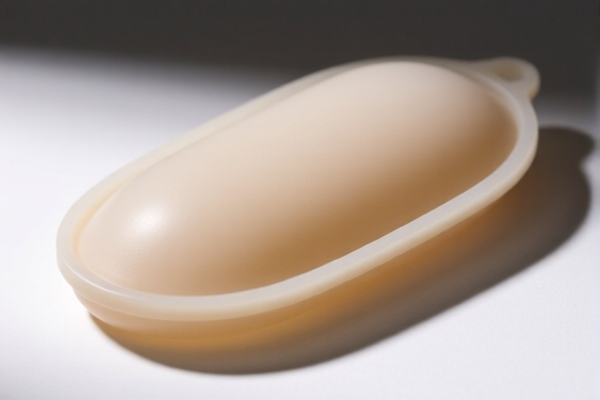
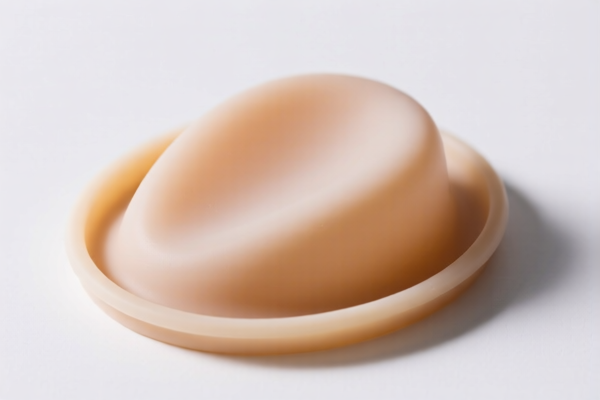
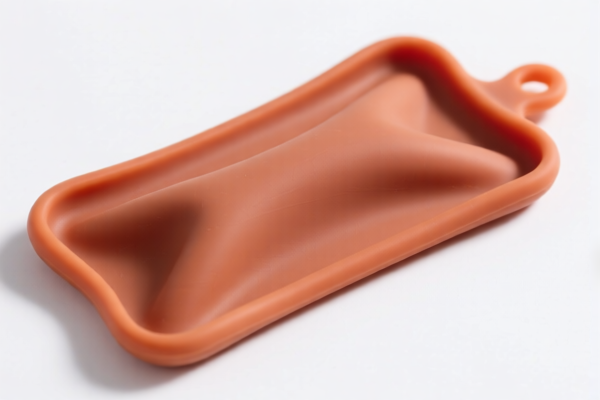
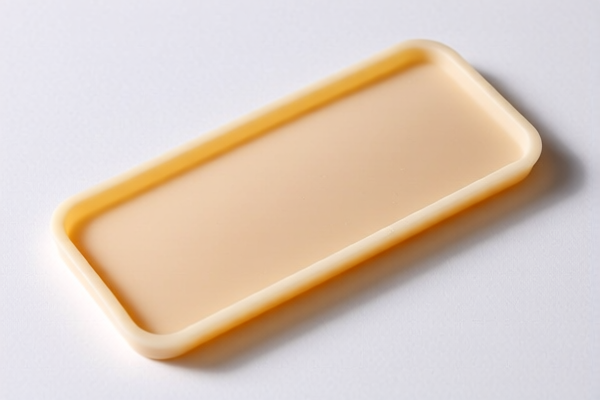
AI Analysis
🧴 Silicone Bottle Sleeve (Insulated Drinkware Sleeve)
🌐 HS Code Reference & Customs Clearance Guide | 2026 Latest Tariff Analysis | Professional Compliance Strategy 📌 I. Product Definition & Classification: Do You Really Know "Silicone Bottle Sleeve"?
A Silicone Bottle Sleeve is a protective accessory designed to insulate, protect, and provide grip for beverage containers (water bottles, thermoses, etc.). In international trade, its classification depends heavily on the material composition and intended use. It is often caught between two major chapters: Chapter 40 (Rubber) and Chapter 42/85 (Articles of Plastics/Plates or Telecom Accessories).
Key Classification Dilemma: 1. Is it Rubber? (If made from vulcanized rubber, even if called "silicone" loosely) → Chapter 40 2. Is it a Plastic/Plate Article? (If made from molded silicone/plastic sheets) → Chapter 42 3. Is it a Telecom Accessory? (If specifically packaged/sold as part of a mobile device set) → Chapter 85
⚠️ Critical Distinction Point:
- If the item is purely protective (no electronic function) but labeled as a "component" for a phone/tablet, customs may force it into Chapter 85.
- If it is a standalone drinkware accessory, it usually falls under Chapter 42 (Plastic/Sheet goods) or Chapter 40 (Rubber), depending on strict material testing.
- Misclassification Risk: Labeling a standard bottle sleeve as "Telecom Accessory" (HS 8517) to avoid higher duties is a high-risk audit trigger.
📦 II. HS Code Classification Details (2026 Latest Tariff Authority Comparison)
| HS Code | Product Description | Applicable Scenario | Material/Logic Basis |
|---|---|---|---|
4016.99.60.50 |
Other vulcanized rubber articles, n.e.s. | Generic bottle sleeves identified as vulcanized rubber | ✅ Rubber Classification |
8517.13.00.00 |
Telephones for cellular networks (parts) | High Risk: Misclassified as "Silicone Protection Case" for phones | ✅ Telecom Logic (Fallback) |
4202.39.90.00 |
Articles of plastics, plates, sheets... | Sleeve made of plastic/synthetic material sheets, used for protection | ✅ Plastic/Sheet Logic |
8517.79.00.00 |
Parts of telephones/telegraph apparatus | High Risk: Classified as "Telecom Equipment Part" due to shape/usage | ✅ Telecom Part Logic |
4202.92.97.00 |
Other articles of plastics, plates... | Sleeve made of plastic/synthetic material, used as a container protector | ✅ Plastic/Sheet Logic |
🔍 Key Insight:
- HS 4016: Best if the material is genuinely vulcanized rubber. Lower base duty (2.5%).
- HS 4202: Best if the material is silicone/plastic sheets. Higher base duty (17-20%) due to "other articles" status.
- HS 8517: Avoid unless 100% sure. Customs often reject "bottle sleeves" as telecom parts unless they are part of a bundled electronic device package. If audited, penalties for misdeclaration are severe.
💰 III. 2026 Latest Tariff Rate Breakdown (Including Surtaxes & Policy Add-ons)
✅ Applicable Country: United States (US)
✅ Origin: China (CN)
✅ Effective Time: Post-2025 Tariff Regime (Includes Section 301 & IEEPA)
🎯 1. 4016.99.60.50 —— Other Vulcanized Rubber Articles (Bottle Sleeve)
| Item | Content |
|---|---|
| Base Duty Rate | 2.5% |
| Section 301 Surcharge | +25.0% |
| IEEPA Surcharge | +10.0% |
| Steel/Aluminum Add-on | N/A (Unless specified) |
| Total Effective Rate | 37.5% |
| Tax Calculation | CIF Value × 37.5% |
| De Minimis Exemption? | ❌ No (Denied for China origin under current rules) |
| Legal Basis Path | Section 301: 9903.88.02 → IEEPA: 9903.01.25 → USITC: 4016.99.60.50 |
📌 Explanation:
- This is the most favorable option if your product is genuinely rubber-based.
- The total rate is 37.5%, which is significantly lower than plastic alternatives.
- Crucial: Ensure material test reports confirm "Vulcanized Rubber" (not just "Silicone Gel" which might be classified as plastic under Chapter 40/42).
🎯 2. 8517.13.00.00 —— Telephones for Cellular Networks (Parts/Accessories)
| Item | Content |
|---|---|
| Base Duty Rate | 0.0% |
| Section 301 Surcharge | 0.0% |
| IEEPA Surcharge | +10.0% |
| Total Effective Rate | 10.0% |
| Tax Calculation | CIF Value × 10.0% |
| De Minimis Exemption? | ❌ No (High risk of audit for "Bottle Sleeve" under Telecom HS) |
| Legal Basis Path | IEEPA: 9903.01.24 → USITC: 8517.13.00.00 |
📌 Warning:
- This rate looks attractive (10%), but it is highly risky.
- Customs officers will scrutinize why a "bottle sleeve" is classified as a telecom part.
- If deemed a misclassification, you face back duties, penalties, and potential seizure.
- Only use this if the item is explicitly sold as a part of a mobile device kit and not as a standalone kitchenware accessory.
🎯 3. 4202.39.90.00 & 4202.92.97.00 —— Plastic/Synthetic Sheet Articles
| Item | 4202.39.90.00 |
4202.92.97.00 |
|---|---|---|
| Base Duty Rate | 20.0% | 17.6% |
| Section 301 Surcharge | +25.0% | +25.0% |
| IEEPA Surcharge | +10.0% | +10.0% |
| Total Effective Rate | 55.0% | 52.6% |
| Legal Basis | Plastic plates/sheets logic | Plastic plates/sheets logic |
📌 Explanation:
- If your silicone sleeve is classified as plastic/synthetic sheet (common for molded silicone), the rate is very high (52.6% - 55%).
- Mitigation: Some importers try to argue for "Rubber" (HS 4016) to save ~15-20% in duties.
- Risk: If customs determines it is plastic, you owe the difference + interest.
🎯 4. 8517.79.00.00 —— Parts of Telecom Equipment (Other)
| Item | Content |
|---|---|
| Base Duty Rate | 0.0% |
| Section 301 Surcharge | +7.5% |
| IEEPA Surcharge | +10.0% |
| Steel/Aluminum Add-on | +50% (If applicable components) |
| Total Effective Rate | 67.5% |
| Legal Basis | Other telecom parts |
📌 Warning:
- Despite 0% base duty, the surcharges push the total to 67.5% or more.
- This is the worst-case scenario for misclassified items.
- Do not use this HS Code for a simple silicone bottle sleeve unless it is a specialized electronic component.
🛠️ IV. Customs Clearance Operational Advice (Practical Pitfall Guide)
✅ 1. Preparation Checklist (Non-Negotiable)
| Document | Must Provide | Description |
|---|---|---|
| ✅ Material Test Report | ✔️ | Critical. Must specify "Vulcanized Rubber" vs. "Silicone/Plastic". Lab test from SGS/TÜV. |
| ✅ Product Photos | ✔️ | Clear images showing no electronic components, ports, or screens. |
| ✅ Commercial Invoice | ✔️ | Description: "Silicone Rubber Bottle Sleeve, Non-Electronic, Insulated". Do NOT write "Phone Case". |
| ✅ Packing List | ✔️ | Show unit weight, quantity, and HS Code. |
| ✅ FCC/CE Certificates | ❌ | Not Required (and dangerous to provide if none exist). If provided, it proves electronic nature, leading to Chapter 85. |
✅ 2. Declaration Strategy (Key Mnemonics)
🔥 "Rubber First, Plastic Second, Telecom Only if Bundled!"
| Scenario | Correct HS Code | Incorrect HS Code | Consequence of Error |
|---|---|---|---|
| Standalone Rubber Sleeve | 4016.99.60.50 (37.5%) |
4202.39.90.00 (55%) |
Overpaying ~17.5% duties |
| Standalone Plastic/Silicone Sleeve | 4202.92.97.00 (52.6%) |
8517.13.00.00 (10%) |
Audit Risk, Penalties, Seizure |
| Bundled with Phone (as accessory) | 8517.13.00.00 (10%) |
4016.99.60.50 (37.5%) |
Underpaying if standalone; Risk if not bundled |
📌 Strategy:
- Best Practice: Classify as4016.99.60.50if material allows. It offers the best balance of legitimacy and cost (37.5%).
- Avoid: Trying to sneak bottle sleeves into Chapter 85 (8517) unless they are physically part of a phone case bundle. Customs AI flags "Silicone" + "Bottle" + "HS 8517" as high-risk misdeclaration.
✅ 3. Special Handling
| Situation | Advice |
|---|---|
| "Silicone" vs. "Rubber" | Use "Silicone Rubber" in descriptions. If lab test says "Vulcanized Rubber", use HS 4016. If it says "Plastic/Synthetic", use HS 4202. |
| Bundled Sales | If sold with a phone, declare as a lot. The telecom HS may apply to the whole lot if the phone is the primary good, but check local customs guidance. |
| Origin Marking | Ensure "Made in China" is clearly marked. IEEPA tariffs apply strictly to CN origin. |
🌍 V. Global Market Comparison (2026 Latest)
| Region | Recommended HS Code | Est. Total Duty (China Origin) | Notes |
|---|---|---|---|
| 🇺🇸 USA | 4016.99.60.50 |
37.5% | Most accurate for rubber sleeves. |
| 🇺🇸 USA | 4202.92.97.00 |
52.6% | For plastic/silicone sheet sleeves. |
| 🇪🇺 EU | 4016.99.99 |
4.5% | Lower duties, no US-style surcharges. |
| 🇨🇳 China | 4016.99.90 |
2.5% | Low import duty, VAT applies. |
| 🇯🇵 Japan | 4016.99.00 |
12-15% | Stable rates, no IEEPA. |
📌 Conclusion:
- The US market is the most challenging due to the 37.5%–67.5% effective tax burden.
- EU and Asia offer significantly lower costs.
- For US imports, accurate material classification is the #1 cost-saving tool.
📌 VI. Common Errors & Pitfalls (Lessons Learned)
❌ Error 1: Classifying a rubber bottle sleeve as 8517.13.00.00 to get 10% duty.
👉 Result: Customs audit → Back taxes + 25% penalty. The 27.5% "saving" is lost in penalties.
❌ Error 2: Using 4202.39.90.00 for a rubber sleeve.
👉 Result: Overpaying 17.5% in duties unnecessarily.
❌ Error 3: Providing FCC certificates for a non-electronic item.
👉 Result: Customs assumes it is electronic → Forced into Chapter 85 or rejected.
✅ Correct Approach:
"Silicone Rubber Bottle Sleeve, Non-Electronic, For Beverage Containers, Model XYZ, Material: Vulcanized Silicone Rubber"
🎯 VII. Conclusion: Precision Classification Saves Money!
🎯 Remember the Rule:
🔹 "Rubber = 40 (37.5%) | Plastic = 42 (52.6%) | Telecom = 85 (Risky 10% or 67.5%)"
🔹 "Don't force a bottle into a phone slot! Use the right HS, stay safe!"
📌 Pro Tip:
If your product is truly rubber-based, invest in a lab test report to support HS 4016.99.60.50. It saves you ~15% compared to plastic classification and is 100% compliant.
📣 Immediate Action:
📞 Consult your customs broker with a material test report.
🚀 Stop guessing HS codes. Accurate classification ensures smooth clearance and predictable costs.
✨ Smart Customs, Smarter Profits!
💼 Every percentage point of duty saved is pure profit!
Customer Reviews
About HS Code Classification
The Harmonized System (HS) is an internationally standardized nomenclature developed by the World Customs Organization (WCO) to classify traded products. Over 200 countries use the HS system as the basis for customs tariffs, trade statistics, and import/export regulations.
Each HS code follows a hierarchical structure:
- Chapter (2 digits) — Broad category of goods (e.g., Chapter 84: Machinery and Mechanical Appliances)
- Heading (4 digits) — More specific grouping within the chapter
- Subheading (6 digits) — Internationally standardized breakdown, used by all WCO member countries
- National subdivisions (8-10 digits) — Country-specific extensions for further classification, such as US HTSUS 10-digit codes
Correct HS code classification is essential for smooth customs clearance, accurate duty payment, and compliance with trade regulations. Misclassification can lead to customs delays, overpayment of duties, or penalties.
When importing from CN to US, the applicable tariff rates may include:
- Most-Favored-Nation (MFN) rate — The standard duty rate applied to WTO members
- General rate — Applied to countries without trade agreements
- Trade remedy duties — Additional tariffs such as Section 301 (anti-dumping), Section 232 (national security), or countervailing duties
The information provided on this page is for reference purposes only. For official classification, please consult with your local customs authority or a licensed customs broker.