silicone foldable bowl
CN → US| HS Code | Tariff Rate | Origin | Destination | Doc |
|---|---|---|---|---|
| 3926907500 | 14.2% | CN | US | Official Doc |
| 3926909989 | 22.8% | CN | US | Official Doc |
| 3924104000 | 13.4% | CN | US | Official Doc |
| 3924102000 | 24.0% | CN | US | Official Doc |
Product Images
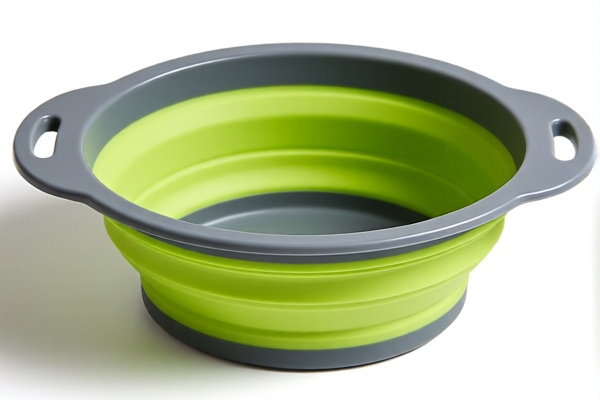
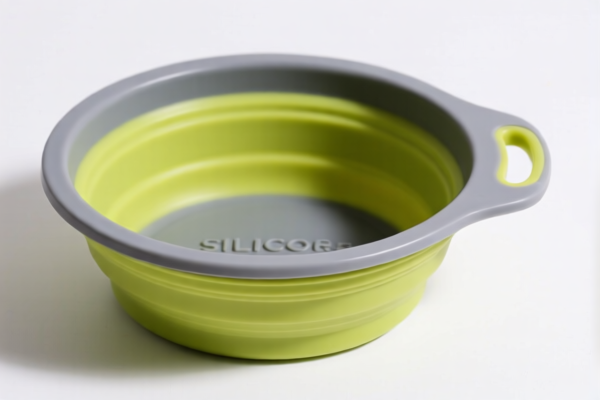
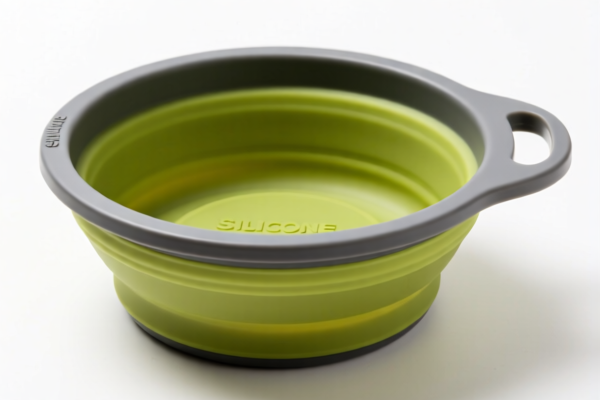
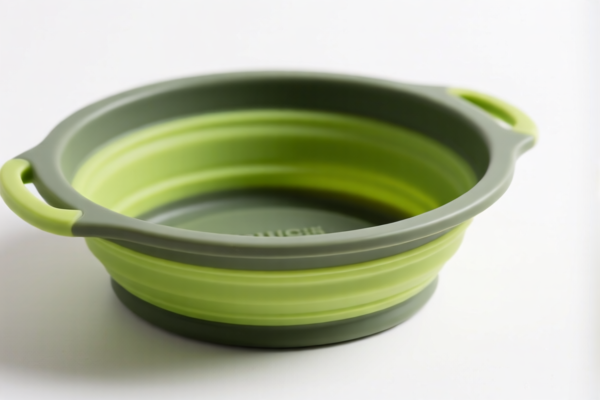
AI Analysis
🥣 Silicone Foldable Bowl: The Ultimate Customs Classification & Tax Guide (2026 Update)
🌐 HS Code Reference & Customs Clearance Strategy | 2026 Latest Tariff Analysis | Expert-Level通关 (Clearance) Protocol
📌 Part 1: Product Definition – Do You Really Understand the "Silicone Bowl"?
The Silicone Foldable Bowl is a versatile travel item, often marketed as eco-friendly, space-saving, and durable. In international trade, its classification is not straightforward. It falls under Chapter 39 (Plastics and Articles Thereof), but the specific subheading depends entirely on its primary function and material composition.
There are two main classification paths: 1. As Kitchenware/Tableware: If it is primarily used for eating/drinking, it falls under Heading 3924. 2. As Other Plastic Articles: If the customs authority deems it a general plastic utility item (or if the "silicone" is considered a synthetic rubber/plastic composite not meeting tableware standards), it falls under Heading 3926.
⚠️ Critical Distinction:
- Functional Intent: Is it designed exclusively for food consumption? → 3924
- General Utility: Is it a container, lid, or accessory with ambiguous food-use intent? → 3926
- Material: "Silicone" is generally classified under plastics/synthetic rubbers in Chapter 39 for these types of finished goods.
📦 Part 2: HS Code Classification Details (2026 Latest Tariff Authority Comparison)
Based on the provided data, here are the four potential HS Codes and their corresponding tax implications for imports into the United States (from China):
| HS Code | Product Description | Primary Classification Basis | Total Tax Rate (China Origin) |
|---|---|---|---|
| 3926.90.75.00 | Other Plastic Articles (Silicone Foldable Bowl as General Plastic Item) | Material: Plastic/Synthetic Rubber; Form: Finished Article | 14.2% |
| 3926.90.99.89 | Other Plastic Articles (Silicone Foldable Bowl as General Plastic Item) | Material: Plastic/Synthetic Material; Form: Finished Article | 22.8% |
| 3924.10.40.00 | Tableware & Kitchenware (Silicone Foldable Bowl as Eating Utensil) | Use: Food Consumption; Material: Plastic/Synthetic | 13.4% |
| 3924.10.20.00 | Tableware & Kitchenware (Silicone Foldable Bowl as Bowl) | Form: Bowl; Material: Silicone/Plastic-like | 24.0% |
🔍 Key Insight:
- 3924 codes are generally preferred if the product is clearly marketed and used as tableware.
- 3926 codes apply if the product is classified as a general plastic article.
- Tax Variance: The difference between the lowest (13.4%) and highest (24.0%) tax rate is significant. Misclassification can lead to overpayment of taxes or penalties for underpayment.
💰 Part 3: 2026 Latest Tariff Rate Breakdown (Including Surcharges & Policy Add-ons)
✅ Applicable Country: United States (US)
✅ Origin: China (CN)
✅ Effective Time: Current rates as per provided data (includes Section 122 tariffs)
🎯 1. 3926.90.75.00 – Other Plastic Articles (General Utility)
| Item | Content |
|---|---|
| Base Tariff | 4.2% |
| Section 301 Surcharge | 0.0% (Note: Some 3926 items may be subject to 7.5%, but this specific code shows 0% in the provided data) |
| Section 122 Tariff | 10% |
| Total Tariff | 14.2% |
| Tax Calculation | CIF Value × 14.2% |
| De Minimis Eligibility | ❌ No (Section 122 and China-specific tariffs typically exclude de minimis) |
| Legal Basis | HTSUS: 3926.90.75.00 → Section 122: 10% |
📌 Explanation:
- This code treats the bowl as a general plastic article.
- The 10% Section 122 tariff is a key component.
- No Section 301 surcharge is listed for this specific subheading in the data, making it a cost-effective option if classification allows.
🎯 2. 3926.90.99.89 – Other Plastic Articles (Miscellaneous)
| Item | Content |
|---|---|
| Base Tariff | 5.3% |
| Section 301 Surcharge | 7.5% |
| Section 122 Tariff | 10% |
| Total Tariff | 22.8% |
| Tax Calculation | CIF Value × 22.8% |
| De Minimis Eligibility | ❌ No |
| Legal Basis | HTSUS: 3926.90.99.89 → Section 301: 7.5% → Section 122: 10% |
📌 Explanation:
- This is a catch-all for plastic articles not specified elsewhere.
- The 7.5% Section 301 surcharge is applied here, unlike in3926.90.75.00.
- Higher cost due to the additional surcharge.
🎯 3. 3924.10.40.00 – Tableware & Kitchenware (Best Value for Food Use)
| Item | Content |
|---|---|
| Base Tariff | 3.4% |
| Section 301 Surcharge | 0.0% |
| Section 122 Tariff | 10% |
| Total Tariff | 13.4% |
| Tax Calculation | CIF Value × 13.4% |
| De Minimis Eligibility | ❌ No |
| Legal Basis | HTSUS: 3924.10.40.00 → Section 122: 10% |
📌 Explanation:
- This is the lowest tax rate among all options.
- It requires the product to be clearly defined as tableware or kitchenware.
- Section 301 surcharge is 0%, which is a major advantage.
- Recommendation: If your product is marketed as a "foldable eating bowl," this is the optimal classification.
🎯 4. 3924.10.20.00 – Tableware & Kitchenware (Bowl Specific)
| Item | Content |
|---|---|
| Base Tariff | 6.5% |
| Section 301 Surcharge | 7.5% |
| Section 122 Tariff | 10% |
| Total Tariff | 24.0% |
| Tax Calculation | CIF Value × 24.0% |
| De Minimis Eligibility | ❌ No |
| Legal Basis | HTSUS: 3924.10.20.00 → Section 301: 7.5% → Section 122: 10% |
📌 Explanation:
- This code is for specifically defined bowls.
- It incurs the 7.5% Section 301 surcharge, making it the most expensive option.
- Caution: Do not use this unless the product is exclusively a "bowl" and cannot be classified under the broader "tableware" code3924.10.40.00.
🛠️ Part 4: Customs Clearance Practical Advice (Real-World Pitfall Guide)
✅ 1. Documentation Checklist (Non-Negotiable)
| Document | Required? | Notes |
|---|---|---|
| ✅ Product Specification Sheet | ✔️ | Must clearly state: "Silicone Foldable Bowl," "Food-Grade Silicone," "Intended for Eating." |
| ✅ Product Photos | ✔️ | Show the bowl in use (e.g., with food) to support "Tableware" classification. |
| ✅ Commercial Invoice | ✔️ | Description should match the HS Code. Use "Silicone Tableware" for 3924 codes. |
| ✅ Material Composition Statement | ✔️ | Confirm it is 100% Food-Grade Silicone (PLS-free, BPA-free). |
| ✅ FDA Compliance Certificate | ✔️ | Essential for food-contact articles in the US. |
| ✅ Packaging List | ✔️ | Ensure no mismatch in quantities or weights. |
✅ 2. Declaration Strategy (Key Tips)
🔥 "Declare Function, Not Just Form. Use 'Tableware' to Save Taxes."
| Scenario | Recommended HS Code | Reason |
|---|---|---|
| Foldable Bowl for Eating | 3924.10.40.00 |
Lowest tax (13.4%), no Section 301 surcharge. |
| Foldable Bowl as Container/Storage | 3926.90.75.00 |
Medium tax (14.2%), no Section 301 surcharge. |
| General Plastic Utility Item | 3926.90.99.89 |
High tax (22.8%), avoid unless necessary. |
| Specific Bowl Classification | 3924.10.20.00 |
Highest tax (24.0%), only if strictly defined as a bowl. |
⚠️ Critical Warning:
- Do not declare "Silicone Bowl" under3924.10.20.00if it can be classified under3924.10.40.00. The 10.6% tax difference is huge.
- Do not ignore Section 122 tariffs. They apply to all these codes from China.
✅ 3. Special Cases & Mitigation
| Situation | Strategy |
|---|---|
| Product is a "Travel Cup" or "Food Container" | Use 3926.90.75.00 (14.2%) as it’s a general plastic article. |
| Product is Explicitly "Tableware" | Use 3924.10.40.00 (13.4%). Provide photos of food inside. |
| FDA Non-Compliance Risk | Ensure all silicone is food-grade. Non-compliant items may be seized or destroyed. |
| Section 122 Tariff Exemption | Not available for China-origin goods under current data. Plan for 10% additional cost. |
🌍 Part 5: Global Customs Comparison (2026)
| Country/Region | Recommended HS Code | Estimated Total Tax | Certification Required | Notes |
|---|---|---|---|---|
| 🇺🇸 USA | 3924.10.40.00 |
13.4% | FDA + RoHS | Best for tableware. Section 122 applies. |
| 🇨🇳 China | 3924.10.40.00 |
~5-8% | CCC (if applicable) | Lower base tariffs. No Section 122. |
| 🇪🇺 EU | 3924.10.40.00 |
~3-4% | LFGB / Food Contact | No Section 122. Focus on food safety. |
| 🇬🇧 UK | 3924.10.40.00 |
~0-5% | UKCA | Post-Brexit rules apply. |
| 🇦🇺 Australia | 3924.10.40.00 |
~5% | TGA/FDA | Check for food contact standards. |
📌 Conclusion:
- USA is the most complex market due to Section 301 and Section 122 tariffs.
- Correct classification is key to minimizing costs.3924.10.40.00is the best option for tableware.
📌 Part 6: Common Mistakes & Pitfalls (Learn from Others' Pain)
❌ Mistake 1: Declaring a "Silicone Bowl" as 3924.10.20.00
👉 Result: Pay 24.0% tax instead of 13.4%. Overpayment of 10.6%!
❌ Mistake 2: Ignoring Section 122 Tariffs
👉 Result: Surprise 10% charge at customs. Cash flow disruption!
❌ Mistake 3: No FDA Documentation
👉 Result: Shipment held or returned. Loss of time and money.
❌ Mistake 4: Vague Product Description
👉 Result: Customs reclassifies to a higher tax code (e.g., 3926.90.99.89). Penalties apply.
✅ Correct Approach:
"Silicone Foldable Eating Bowl, Food-Grade, BPA-Free, Model XYZ, FDA Compliant"
→ Declared under3924.10.40.00→ Total Tax: 13.4%
🎯 Part 7: Conclusion: Smart Classification, Higher Profits!
🎯 Remember the Mantra:
🔹 "Tableware is cheaper, Plastic is riskier, Section 122 applies, FDA is mandatory!"
🔹 "13.4% vs 24.0% – Choose wisely, save 10.6% on every dollar!"
📌 Pro Tip:
If your product is not strictly for eating (e.g., a foldable storage container), consider 3926.90.75.00 (14.2%) as a safer, moderate-cost option.
Always consult a customs broker for Advance Rulings if your product has ambiguous uses.
📣 Take Action Now:
📞 Contact a licensed customs broker + Provide Product Photos + Apply for FDA Compliance
🚀 Maximize profits, minimize taxes, ensure smooth clearance!
✨ Professional Customs Clearance Starts with Accurate Classification!
💼 Every percentage point matters in global trade!
Customer Reviews
About HS Code Classification
The Harmonized System (HS) is an internationally standardized nomenclature developed by the World Customs Organization (WCO) to classify traded products. Over 200 countries use the HS system as the basis for customs tariffs, trade statistics, and import/export regulations.
Each HS code follows a hierarchical structure:
- Chapter (2 digits) — Broad category of goods (e.g., Chapter 84: Machinery and Mechanical Appliances)
- Heading (4 digits) — More specific grouping within the chapter
- Subheading (6 digits) — Internationally standardized breakdown, used by all WCO member countries
- National subdivisions (8-10 digits) — Country-specific extensions for further classification, such as US HTSUS 10-digit codes
Correct HS code classification is essential for smooth customs clearance, accurate duty payment, and compliance with trade regulations. Misclassification can lead to customs delays, overpayment of duties, or penalties.
When importing from CN to US, the applicable tariff rates may include:
- Most-Favored-Nation (MFN) rate — The standard duty rate applied to WTO members
- General rate — Applied to countries without trade agreements
- Trade remedy duties — Additional tariffs such as Section 301 (anti-dumping), Section 232 (national security), or countervailing duties
The information provided on this page is for reference purposes only. For official classification, please consult with your local customs authority or a licensed customs broker.