silicone remote case
CN → US| HS Code | Tariff Rate | Origin | Destination | Doc |
|---|---|---|---|---|
| 8517130000 | 10.0% | CN | US | Official Doc |
| 4202399000 | 55.0% | CN | US | Official Doc |
| 8517790000 | 67.5% | CN | US | Official Doc |
| 3926909989 | 22.8% | CN | US | Official Doc |
| 3917290090 | 38.1% | CN | US | Official Doc |
Product Images
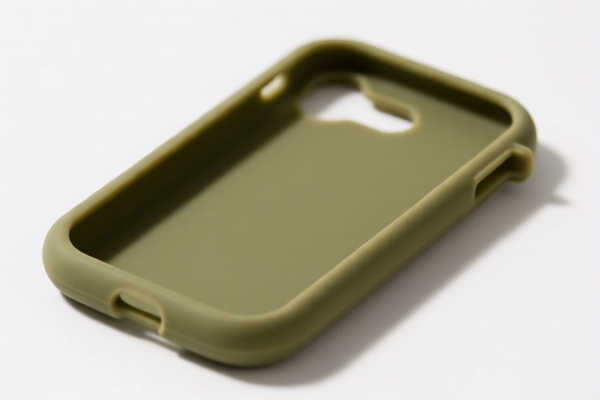
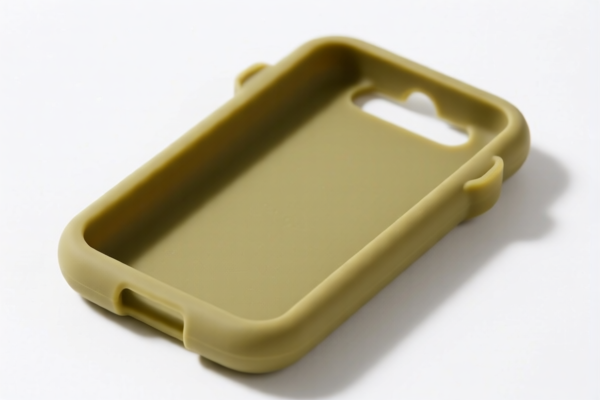
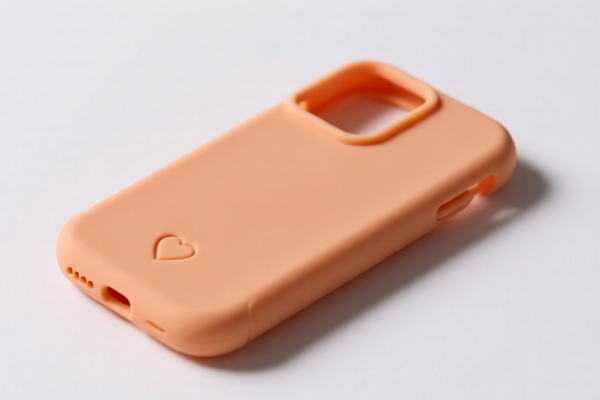
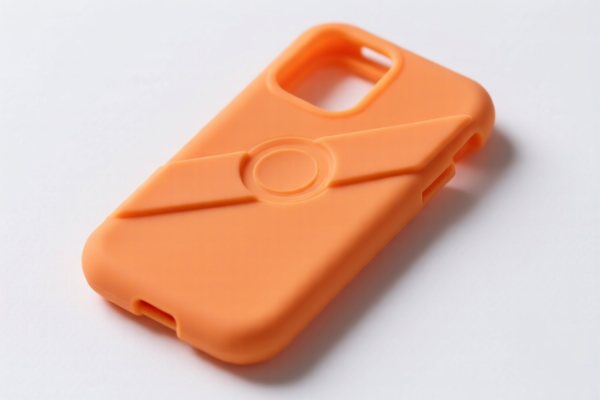
AI Analysis
📱 Silicone Remote Case (Silicone Protective Cover)
🌐 HS Code Reference & Customs Clearance Guide | 2026 Latest Tariff Analysis | Strategic Compliance Strategy
📌 Part I: Product Definition & Classification: Do You Really Understand "Silicone Remote Case"?
A silicone remote case is a protective accessory designed to shield television or audio/video remote controls from dust, scratches, and accidental drops. In international trade, this product is often misclassified due to its dual nature: it is made of silicone/rubber but functions as a plastic-like consumer accessory.
Key Distinction:
- If classified under Chapter 39 (Plastics): It is treated as a general plastic article.
- If classified under Chapter 40 (Rubber): It is treated as a rubber hose/pipe or other rubber article.
- If classified under Chapter 85 (Electrical): It is treated as a component/part of the communication/electronic device.
- If classified under Chapter 42 (Articles of Leather/Plastics): It is treated as a container/protection item.
⚠️ Critical Note:
The correct HS code depends on how Customs interprets the primary function: - Is it a "part" of the remote (Electronics)? - Is it a "protective container" (Luggage/Accessories)? - Is it a "manufactured plastic/rubber good" (General Goods)?
📦 Part II: HS Code Classification Details (Based on Provided Data)
| HS Code | Product Description | Tax Summary | Key Tariff Components |
|---|---|---|---|
| 3926.90.99.89 | Plastic/Synthetic Rubber Articles; Other Articles of Plastics | 22.8% | Base: 5.3% + Sec 301: 7.5% + Section 122: 10% |
| 3917.29.00.90 | Plastic Pipes/Hoses & Fittings; Other | 38.1% | Base: 3.1% + Sec 301: 25.0% + Section 122: 10% |
| 4009.12.00.50 | Vulcanized Rubber Hoses/Pipes | 20.0% | Base: 2.5% + Sec 301: 7.5% + Section 122: 10% |
| 8517.13.00.00 | Parts of Telephone Sets/Communication Equipment | 10.0% | Base: 0.0% + Sec 301: 0.0% + Section 122: 10% |
| 4202.39.90.00 | Articles of Plastics; Containers/Protective Items | 55.0% | Base: 20.0% + Sec 301: 25.0% + Section 122: 10% |
💰 Part III: 2026 Latest Tariff Rate Breakdown
✅ Applicable Country: United States (US)
✅ Origin: China (CN)
✅ Effective Date: Current regulations including Section 122 (10%) and Sec 301/122 combinations.
🎯 1. 8517.13.00.00 —— Parts of Communication Equipment
🏆 LOWEST TAX STRATEGY (If Accepted)
| Item | Detail |
|---|---|
| Base Duty | 0.0% |
| USITC (Sec 301) | 0.0% |
| Section 122 | +10.0% |
| Total Effective Rate | 10.0% |
| Legal Path | 8517.13.00.00 → Section 122: 10% |
📌 Explanation:
- If Customs accepts the silicone case as a "part" or "component" of the remote (Chapter 85), the base duty and Sec 301 tariffs are $0.
- Only the Section 122 tariff (10%) applies.
- Risk: Customs may argue this is a general consumer accessory, not a functional part, and reclassify it.
🎯 2. 3926.90.99.89 —— Other Plastic Articles
🟡 COMMON MISCLASSIFICATION (Moderate Risk)
| Item | Detail |
|---|---|
| Base Duty | 5.3% |
| USITC (Sec 301) | +7.5% |
| Section 122 | +10.0% |
| Total Effective Rate | 22.8% |
| Legal Path | 3926.90.99.89 → Base 5.3% + 301 7.5% + 122 10% |
📌 Explanation:
- Silicone is often classified under Chapter 39 as "plastics" if it is thermoplastic.
- This is a "catch-all" for plastic articles not specified elsewhere.
- Advantage: Lower than 4202 or 3917.
🎯 3. 4009.12.00.50 —— Vulcanized Rubber Hoses/Pipes
🟡 ALTERNATIVE RUBBER CLASSIFICATION
| Item | Detail |
|---|---|
| Base Duty | 2.5% |
| USITC (Sec 301) | +7.5% |
| Section 122 | +10.0% |
| Total Effective Rate | 20.0% |
| Legal Path | 4009.12.00.50 → Base 2.5% + 301 7.5% + 122 10% |
📌 Explanation:
- If the silicone is vulcanized rubber, it may fall under Chapter 40.
- Note:4009is typically for pipes/hoses, so arguing a case is a "hose" is weak unless the case is tubular and flexible like a hose.
- Risk: High chance of reclassification by CBP if function doesn't match "pipe/hose."
🎯 4. 3917.29.00.90 —— Plastic Pipes & Fittings
🔴 HIGH TAX AVOIDANCE
| Item | Detail |
|---|---|
| Base Duty | 3.1% |
| USITC (Sec 301) | +25.0% |
| Section 122 | +10.0% |
| Total Effective Rate | 38.1% |
| Legal Path | 3917.29.00.90 → Base 3.1% + 301 25% + 122 10% |
📌 Explanation:
- Sec 301 tariff is 25% here, making it expensive.
- Only use if the item is literally a plastic tube/pipe. A remote case is not a pipe.
🎯 5. 4202.39.90.00 —— Articles of Plastics (Containers/Protective)
🔴 HIGHEST TAX – AVOID
| Item | Detail |
|---|---|
| Base Duty | 20.0% |
| USITC (Sec 301) | +25.0% |
| Section 122 | +10.0% |
| Total Effective Rate | 55.0% |
| Legal Path | 4202.39.90.00 → Base 20% + 301 25% + 122 10% |
📌 Explanation:
- This classification treats the case as a "protective container" (like a luggage tag or wallet).
- High Base Duty (20%) + High Sec 301 (25%) = 55% Total.
- Recommendation: Do NOT declare as4202unless no other option exists.
🛠️ Part IV: Customs Clearance Practical Advice
✅ 1. Preparation Checklist
| Document | Required | Purpose |
|---|---|---|
| Product Specification | ✔️ | Clarify material (Silicone vs. Thermoplastic Polyurethane). |
| Photos | ✔️ | Show fitment on remote. Prove it's a "cover," not a "pipe" or "luggage." |
| Bill of Materials | ✔️ | Confirm silicone/rubber composition for Chapter 39 vs. 40. |
| Commercial Invoice | ✔️ | Use precise description: "Silicone Protective Cover for Remote Control." |
| Pre-Ruling Request | ✔️ | Highly Recommended to secure 8517.13.00.00 or 3926. |
✅ 2. Declaration Strategy (Best to Worst)
| Priority | HS Code | Tax Rate | Reason |
|---|---|---|---|
| 🥇 Best | 8517.13.00.00 |
10.0% | Argue it is a part/accessory of the electronic device (Remote). |
| 🥈 Good | 3926.90.99.89 |
22.8% | Argue it is a general plastic article. |
| 🥉 Possible | 4009.12.00.50 |
20.0% | Only if silicone is vulcanized and CBP accepts "rubber article" logic. |
| ❌ Avoid | 3917.29.00.90 |
38.1% | Mismatch: Not a pipe. |
| ❌ Avoid | 4202.39.90.00 |
55.0% | Mismatch: Not a luggage/container. |
🔥 Key Tip:
"Parts" (Ch 85) are often cheaper than "Accessories" (Ch 39/40/42) due to lower base duties.
Argue: "This silicone case is an integral part of the remote's user interface protection, sold together with or specifically for the remote."
✅ 3. Special Considerations
| Scenario | Advice |
|---|---|
| Sold Separately | Stronger case for 8517 if marketed as a "remote part." |
| Sold with Remote | Still 8517 if it's a protective sleeve/cover. |
| Material: Thermoplastic Silicone | Favor 3926 (Plastics) over 4009 (Rubber). |
| Material: Vulcanized Silicone | Could be 4009, but risk of reclassification. |
🌍 Part V: Global Market Comparison (2026)
| Country | Recommended HS | Est. Tax | Notes |
|---|---|---|---|
| 🇺🇸 USA | 8517.13.00.00 |
10% | Lowest risk if "part" argument accepted. |
| 🇨🇳 China | 3926.90.99 |
~5% | Low import duty, no Sec 301. |
| 🇪🇺 EU | 3926.90 |
0-4% | No Section 122 equivalent; lower taxes. |
| 🇬🇧 UK | 3926.90 |
0-6% | Post-Brexit, check specific tariff lines. |
📌 Part VI: Common Errors & Pitfalls
❌ Error 1: Declaring as 4202.39.90.00 (Container)
👉 Result: 55% Tax! CBP may reject "container" for a simple silicone sleeve.
❌ Error 2: Declaring as 3917.29.00.90 (Pipe)
👉 Result: 38.1% Tax + Potential seizure for incorrect description.
❌ Error 3: Not specifying "Silicone" vs. "Plastic"
👉 Result: CBP assigns default higher duty. Be Specific!
✅ Correct Declaration Example:
"Silicone Protective Case for TV Remote Control, HS 8517.13.00.00, Section 122 Applicable"
🎯 Part VII: Conclusion
🎯 Strategy Summary:
1. Primary Goal: Classify under 8517.13.00.00 (10% Total) by arguing it is a part/accessory of the remote.
2. Secondary Goal: If 8517 is rejected, use 3926.90.99.89 (22.8%) as a general plastic article.
3. Avoid: 4202 (55%) and 3917 (38.1%).
📌 Final Tip:
"Silicone Case? Don't be a Container! Be a Part! Save 45%!"
📞 Action: Submit an APA (Advance Ruling) request with CBP to lock in
8517.13.00.00or3926.90.99.89before shipping.
✨ Professional Clearance Starts with Accurate Classification!
💼 Protect Your Margins: Pay 10%, Not 55%!
Customer Reviews
About HS Code Classification
The Harmonized System (HS) is an internationally standardized nomenclature developed by the World Customs Organization (WCO) to classify traded products. Over 200 countries use the HS system as the basis for customs tariffs, trade statistics, and import/export regulations.
Each HS code follows a hierarchical structure:
- Chapter (2 digits) — Broad category of goods (e.g., Chapter 84: Machinery and Mechanical Appliances)
- Heading (4 digits) — More specific grouping within the chapter
- Subheading (6 digits) — Internationally standardized breakdown, used by all WCO member countries
- National subdivisions (8-10 digits) — Country-specific extensions for further classification, such as US HTSUS 10-digit codes
Correct HS code classification is essential for smooth customs clearance, accurate duty payment, and compliance with trade regulations. Misclassification can lead to customs delays, overpayment of duties, or penalties.
When importing from CN to US, the applicable tariff rates may include:
- Most-Favored-Nation (MFN) rate — The standard duty rate applied to WTO members
- General rate — Applied to countries without trade agreements
- Trade remedy duties — Additional tariffs such as Section 301 (anti-dumping), Section 232 (national security), or countervailing duties
The information provided on this page is for reference purposes only. For official classification, please consult with your local customs authority or a licensed customs broker.