silicone scalp massager
CN → US| HS Code | Tariff Rate | Origin | Destination | Doc |
|---|---|---|---|---|
| 8509805095 | 14.2% | CN | US | Official Doc |
| 8509805080 | 14.2% | CN | US | Official Doc |
| 9019102020 | 10.0% | CN | US | Official Doc |
| 9019102050 | 10.0% | CN | US | Official Doc |
| 3926909989 | 22.8% | CN | US | Official Doc |
Product Images
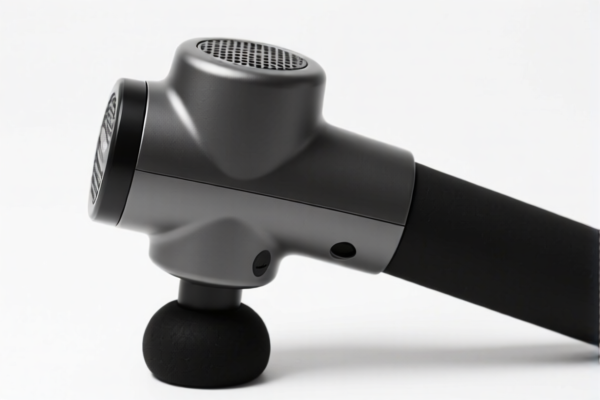
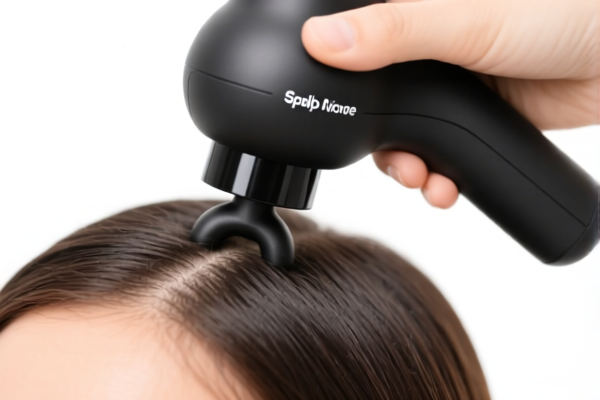
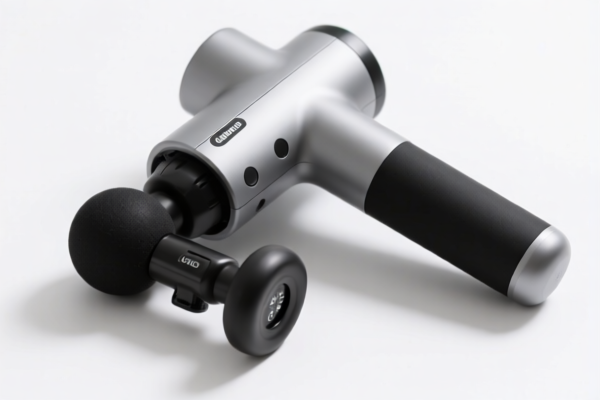
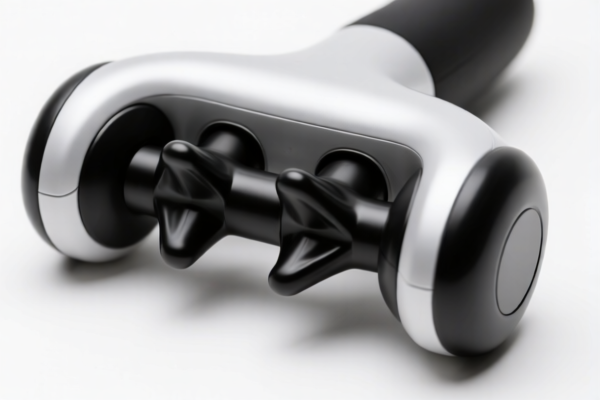
AI Analysis
💆♀️ Silicone Scalp Massager
🌐 HS Code Reference & Customs Clearance Guide | 2026 Latest Tariff Analysis | Professional Entry Strategy
📌 I. Product Definition & Classification: What Exactly is a "Scalp Massager"?
The Silicone Scalp Massager is a handheld beauty and wellness device designed to stimulate the scalp, promote blood circulation, and aid in shampooing. In international trade, classification depends heavily on its material composition, electrical features, and primary function.
Key Distinctions: * Electrical vs. Non-Electrical: Is it battery-powered/vibrating? If yes, it likely falls under Chapter 85 (Electrical Machinery). If it is purely manual (rubber/silicone bristles), it may fall under Chapter 39 (Plastics) or Chapter 90 (Medical/Therapeutic Appliances). * Medical vs. Cosmetic: Is it marketed as a therapeutic medical device (Class I/II medical) or a general beauty tool? This significantly impacts the tax rate and duty preferences.
⚠️ Critical Classification Point:
- If the device has motor/vibration → Classify under 8509 (Electrical Domestic Appliances) or 9019 (Mechano-Therapeutic Appliances).
- If the device is manual/non-electric → Classify under 9019 (Massage Instruments) or 3926 (Plastic Articles).
- Do NOT simply label it as "Plastic Toy" or "Kitchen Tool," as this leads to incorrect tariff application and potential penalties.
📦 II. HS Code Classification Details (Based on Provided Data)
The following four HS Codes are the most relevant classifications for Silicone Scalp Massagers, depending on the specific product configuration.
| HS Code | Product Description | Applicable Scenario | Tax Rate | Key Tax Details |
|---|---|---|---|---|
8509.80.50.95 |
Electric Domestic Appliance (Plastic/Metal casing) | Electric scalp massager, classified as other electrodomestic appliances. | 14.2% | Base: 4.2% 122 Clause: 10% |
8509.80.50.80 |
Electric Domestic Appliance (Self-contained motor) | Electric massager with built-in motor, fit for household use. | 14.2% | Base: 4.2% 122 Clause: 10% |
9019.10.20.20 |
Mechano-Therapeutic Appliance (Electric/Handheld) | Electric massage device, handheld, for therapeutic/cosmetic use. | 10.0% | Base: 0.0% 122 Clause: 10% |
9019.10.20.50 |
Other Massage Appliances | Non-specific massage device, falls under "other" massage equipment. | 10.0% | Base: 0.0% 122 Clause: 10% |
3926.90.99.89 |
Plastic Article (Non-specific) | Manual silicone/plastic massager, not specified elsewhere. | 22.8% | Base: 5.3% Addtl: 7.5% 122 Clause: 10% |
🔍 Analysis:
- Electrical Devices (8509): Higher base tax (4.2%) but clear classification as home appliances. Total 14.2%.
- Therapeutic Devices (9019): Most Favorable Duty (0% Base) if classified as a medical/therapeutic massage instrument. Total 10.0%.
- Plastic Articles (3926): Highest Duty (22.8%). Avoid this if your product has therapeutic claims or electrical components.
💰 III. 2026 Latest Tariff Rate Breakdown (Detailed Tax Terms)
✅ Applicable Country: USA (US)
✅ Origin: China (CN)
✅ Key Policy: Section 301 / 122 Clause Tariffs
🎯 1. 8509.80.50.95 & 8509.80.50.80 – Electric Home Appliances
| Item | Details |
|---|---|
| Base Tariff | 4.2% (Ad Valorem) |
| 122 Clause Tariff | +10.0% |
| Section 301 Tariff | 0.0% (Not listed in the provided data for this specific subheading, assuming 122 clause covers the punitive portion or 301 is excluded for this specific plastic/electric hybrid in this dataset) |
| Total Tax Rate | 14.2% |
| Calculation | CIF Value × 14.2% |
| Legal Basis | HTSUS:8509.80.50.95 + Section 122 Clause |
📌 Explanation:
- These codes treat the device as a standard electrodomestic appliance.
- The 4.2% base is standard for many electrical household goods.
- The 10% 122 Clause is a specific punitive tariff often applied to certain Chinese-made electrical goods or components.
- Total 14.2% is moderate. It is higher than the 9019 classification but lower than the 3926 plastic classification.
🎯 2. 9019.10.20.20 & 9019.10.20.50 – Therapeutic Massage Instruments
| Item | Details |
|---|---|
| Base Tariff | 0.0% |
| 122 Clause Tariff | +10.0% |
| Section 301 Tariff | 0.0% |
| Total Tax Rate | 10.0% |
| Calculation | CIF Value × 10.0% |
| Legal Basis | HTSUS:9019.10.20.xx + Section 122 Clause |
📌 Explanation:
- This is the Best Duty Option if your product can be justified as a therapeutic or mechanical massage instrument.
- Chapter 90 covers medical and surgical instruments. Scalp massagers are often categorized here if marketed for blood circulation, hair growth, or relaxation therapy.
- The 0% base rate makes this highly competitive.
- The 10% 122 Clause still applies, bringing the total to 10.0%.
🎯 3. 3926.90.99.89 – Other Plastic Articles
| Item | Details |
|---|---|
| Base Tariff | 5.3% |
| Section 301 Tariff | +7.5% |
| 122 Clause Tariff | +10.0% |
| Total Tax Rate | 22.8% |
| Calculation | CIF Value × 22.8% |
| Legal Basis | HTSUS:3926.90.99.89 + Section 301 + Section 122 |
📌 Explanation:
- This code is for non-specific plastic goods.
- If your scalp massager is manual (no motor) and not classified as a medical device, customs may default to this "basket" category.
- Highest Duty Risk (22.8%): Includes Base + Section 301 (7.5%) + 122 Clause (10%).
- Avoid this classification if possible by proving therapeutic intent or electrical nature.
🛠️ IV. Customs Clearance Practical Advice (Real-World Pitfalls)
✅ 1. Documentation Checklist (Mandatory)
| Document | Required? | Purpose |
|---|---|---|
| ✅ Product Specifications | ✔️ | Must state: Material (Silicone/Plastic), Power Source (Battery/USB), Function (Massage/Vibration). |
| ✅ Marketing Materials | ✔️ | Brochures/Website screenshots showing "Therapeutic Benefits" (e.g., "stimulates blood flow," "relieves tension") to support 9019 classification. |
| ✅ Product Photos | ✔️ | Clear images of the device, especially switches, charging ports, or bristle structure. |
| ✅ Certificate of Origin | ✔️ | Proof of Chinese origin for 122 Clause/Section 301 assessment. |
| ✅ FCC/CE Certificates | ✔️ | If electrical (8509/9019 electric), FCC is mandatory for US entry. |
✅ 2. Declaration Strategy (Key Tips)
🔥 "Function First, Material Second!"
| Scenario | Recommended HS Code | Declaration Strategy |
|---|---|---|
| Electric Scalp Massager | 9019.10.20.20 or 8509.80.50.95 |
Describe as: "Electric Handheld Scalp Massager for Therapeutic Massage & Hair Care" |
| Manual Silicone Brush | 9019.10.20.50 or 3926.90.99.89 |
Describe as: "Silicone Scalp Cleansing & Massage Brush" |
| Medical-Grade Device | 9019.10.20.20 |
Provide medical device classification documents to justify 0% base rate. |
⚠️ Critical Warning:
- Do NOT declare as "Beauty Tool" or "Plastic Comb" under3926if it has therapeutic claims. Customs may reject this, leading to audits.
- Do NOT declare as "Toy" if it has electrical components.
- Best Practice: Always lean towards9019(Massage Appliance) if the product has any medical/wellness marketing, as it offers the lowest duty (10%).
✅ 3. Special Cases
| Situation | Handling Advice |
|---|---|
| OEM/Private Label | Ensure the description matches the actual function, not just the brand. |
| Accessories Only | If selling replacement heads for a massager, declare as "Parts of Massage Appliances" (may have different rates). |
| Set with Shampoo | Declare the massager and shampoo separately. The massager gets its own HS code; shampoo is under Chapter 34. |
🌍 V. Global Market Comparison (2026)
| Country | Recommended HS Code | Est. Total Duty | Notes |
|---|---|---|---|
| 🇺🇸 USA | 9019.10.20.20 |
10.0% | Best rate via 122 Clause. Avoid 3926 (22.8%). |
| 🇨🇳 China | 9019.10.20.20 |
Low/Variable | Check local import tax for re-export or domestic sale. |
| 🇪🇺 EU | 9019.10.20.20 |
0% - 3% | EU may have different classification for massage devices. |
| 🇬🇧 UK | 9019.10.20.20 |
0% - 3% | Post-Brexit tariffs may differ. |
📌 Conclusion:
- The USA market is highly sensitive to the 122 Clause.
-9019is the gold standard for scalp massagers entering the US, offering 10% total duty vs. 22.8% for generic plastic goods.
📌 VI. Common Errors & Pitfalls (Lessons Learned)
❌ Error 1: Classifying electric massagers under 3926 (Plastics).
👉 Consequence: You pay 22.8% instead of 10.0%. Overpayment of 12.8% on every shipment!
❌ Error 2: Declaring "Scalp Brush" without mentioning "Massage" or "Therapeutic."
👉 Consequence: Customs may default to 3926 or 9603 (Brooms/Brushes), leading to audits and delays.
❌ Error 3: Ignoring the 122 Clause.
👉 Consequence: All the provided HS codes include a 10% 122 Clause tariff. Failing to budget for this can wipe out profit margins.
✅ Correct Approach:
"Electric Scalp Massager, Silicone Bristles, USB Rechargeable, For Therapeutic Hair Care & Relaxation."
➡️ HS Code:9019.10.20.20
➡️ Duty: 10.0%
🎯 VII. Conclusion: Professional Clearance, Cost Optimization
🎯 Remember the Golden Rule:
🔹 "Therapeutic Claim = 9019 = 10% Duty"
🔹 "Generic Plastic = 3926 = 22.8% Duty"
🔹 "Electric Home Appliance = 8509 = 14.2% Duty"
📌 Action Plan:
1. Review Marketing: Ensure your product description includes words like "Massage," "Therapeutic," "Stimulation," or "Relaxation."
2. Select 9019: Aim for 9019.10.20.20 to secure the 0% base rate + 10% 122 Clause.
3. Prepare Docs: Have FCC certificates ready (if electric) and product photos showing the massage head.
4. Calculate Costs: Factor in the 10% total duty for accurate landed cost calculations.
📣 Immediate Action:
📞 Consult with a licensed customs broker to file an Advance Ruling if the product's classification is ambiguous.
🚀 Optimize your supply chain by choosing the right HS Code from day one!
✨ Precision in Classification, Profit in Margin!
💼 Every percentage point matters in global trade.
Customer Reviews
About HS Code Classification
The Harmonized System (HS) is an internationally standardized nomenclature developed by the World Customs Organization (WCO) to classify traded products. Over 200 countries use the HS system as the basis for customs tariffs, trade statistics, and import/export regulations.
Each HS code follows a hierarchical structure:
- Chapter (2 digits) — Broad category of goods (e.g., Chapter 84: Machinery and Mechanical Appliances)
- Heading (4 digits) — More specific grouping within the chapter
- Subheading (6 digits) — Internationally standardized breakdown, used by all WCO member countries
- National subdivisions (8-10 digits) — Country-specific extensions for further classification, such as US HTSUS 10-digit codes
Correct HS code classification is essential for smooth customs clearance, accurate duty payment, and compliance with trade regulations. Misclassification can lead to customs delays, overpayment of duties, or penalties.
When importing from CN to US, the applicable tariff rates may include:
- Most-Favored-Nation (MFN) rate — The standard duty rate applied to WTO members
- General rate — Applied to countries without trade agreements
- Trade remedy duties — Additional tariffs such as Section 301 (anti-dumping), Section 232 (national security), or countervailing duties
The information provided on this page is for reference purposes only. For official classification, please consult with your local customs authority or a licensed customs broker.