silicone spatula
CN → US| HS Code | Tariff Rate | Origin | Destination | Doc |
|---|---|---|---|---|
| 3924104000 | 13.4% | CN | US | Official Doc |
| 8215994060 | 15.0% | CN | US | Official Doc |
| 3924905650 | 20.9% | CN | US | Official Doc |
Product Images
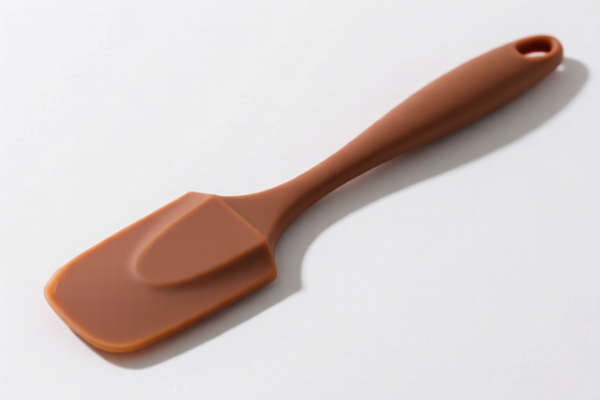
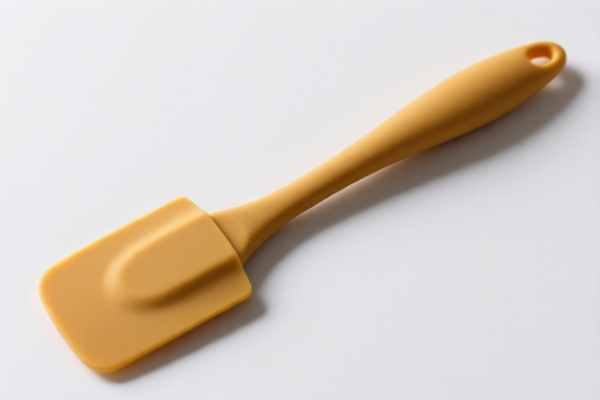
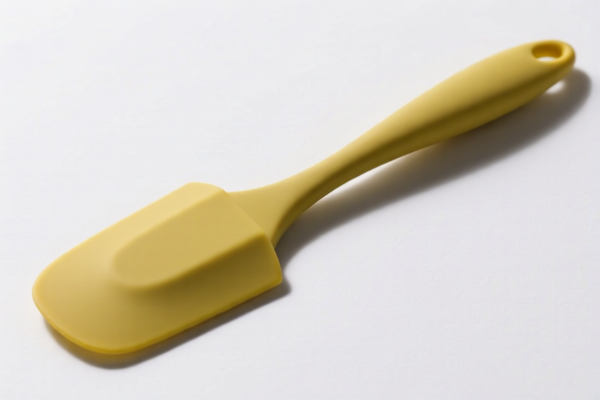
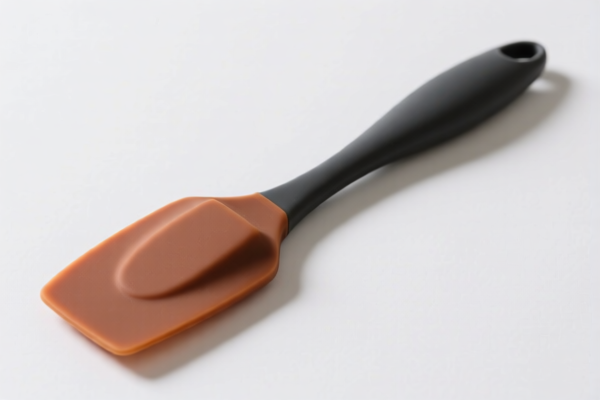
AI Analysis
🥄 Silicone Spatula (Kitchen Utensils)
🌐 HS Code Reference & Customs Clearance Guide | 2026 Latest Tariff Analysis | Professional Clearance Strategy
📌 I. Product Definition and Classification: Do You Really Understand "Silicone Spatulas"?
Silicone spatulas are essential tools in modern kitchens, used for baking, cooking, and food preparation. In international trade, they are primarily classified under Chapter 39 (Plastics and Articles Thereof) or occasionally under Chapter 82 (Tools), depending on the specific design, handle material, and primary function.
Key Classification Criteria: 1. Material Composition: Primarily silicone (a plastic/rubber-like polymer) vs. mixed materials (e.g., silicone head + wooden/metal handle). 2. Intended Use: Kitchen utensils (scrapers, spatulas) vs. general tools. 3. Head Shape: Flat scraper, angled spatula, or ladle-like form.
⚠️ Critical Distinction:
- If the item is primarily plastic/silicone and used as kitchenware (scraping, mixing, baking) →归入 Chapter 39 (3924).
- If the item has a non-metal handle and is considered a general scraping tool (not specifically kitchenware) → Potential classification under Chapter 82 (8215).
- Note: Many traders mistakenly classify silicone spatulas under Chapter 82, but US Customs and Border Protection (CBP) often prefers Chapter 39 for food-contact items unless the handle dominates the functional identity.
📦 II. HS Code Classification Details (2026 Latest Tariff Authority Comparison)
Based on the provided data, here are the specific HS Codes and their corresponding summaries and tax rates.
| HS Code | Summary / Description | Tax Rate (Total) | Tax Breakdown |
|---|---|---|---|
3924.10.40.00 |
Silicone Spatula: Classified as plastic kitchenware. Material: Silicone. Use: Kitchen tool. | 13.4% | Base: 3.4%, Section 301: 0%, Section 122: 10% |
8215.99.40.60 |
Non-Metal Handle Tool: Classified as non-metal handle tool, form: scraper. No obvious material conflict. | 15.0% | Base: 5.0%, Section 301: 0%, Section 122: 10% |
3924.90.56.50 |
Silicone Scraper: Classified as plastic/synthetic rubber kitchen utensil. Use: Scraper. | 20.9% | Base: 3.4%, Section 301: 7.5%, Section 122: 10% |
3924.10.40.00 |
Silicone Scraper: Classified as other plastic tableware/kitchenware. | 13.4% | Base: 3.4%, Section 301: 0%, Section 122: 10% |
3924.10.40.00 |
Silicone Baking Spatula: Classified as plastic tableware/kitchenware. Use: Baking tool. | 13.4% | Base: 3.4%, Section 301: 0%, Section 122: 10% |
🔍 Key Insight:
- The majority of silicone spatulas/scrapers fall under3924.10.40.00, which offers the lowest total tax rate of 13.4%. - Classification under3924.90.56.50incurs a significantly higher tax rate of 20.9% due to additional Section 301 tariffs (7.5%). - Classification under8215.99.40.60results in a 15.0% rate, which is higher than the optimal plastic classification.
💰 III. 2026 Latest Tariff Rate Details (Including Additional Taxes, Policy Surcharges)
✅ Applicable Country: United States (US)
✅ Origin: China (CN) (Assumed based on Section 122 and typical Section 301 context)
✅ Effective Date: Current rates apply for imports from China.
🎯 1. 3924.10.40.00 —— Silicone Spatula / Scraper / Baking Tool (Best Option)
| Item | Content |
|---|---|
| Base Duty Rate | 3.4% (Ad Valorem) |
| Section 301 Surcharge | 0.0% |
| Section 122 Surcharge | 10.0% |
| Total Effective Tax Rate | 13.4% |
| Tax Calculation | CIF Value × 13.4% |
| De Minimis Eligibility | ❌ Not Eligible (High tariff rates usually exclude small shipments from de minimis treatment for customs purposes, though $800 exemption may apply if duties are refunded upon re-export, but generally high duties require formal entry). Note: Section 122 and 301 often negate de minimis benefits for Chinese goods. |
| Legal Basis Path | HTSUS:3924.10.40.00 → Section 122 (10%) |
📌 Explanation:
- "Base Duty 3.4%": Standard US tariff for plastic tableware/kitchenware. - "Section 122 (10%)": Under Section 307 of the Trade Facilitation and Trade Enforcement Act, certain goods from China are subject to a 10% additional duty. - "Section 301 (0%)": Interestingly, this specific subheading may be excluded from the broader 25% Section 301 tariffs, or the data reflects a specific exemption scenario. Always verify current CBP exclusion lists. - Total 13.4% is the most cost-effective classification for silicone spatulas.
🎯 2. 8215.99.40.60 —— Non-Metal Handle Tool (Higher Cost)
| Item | Content |
|---|---|
| Base Duty Rate | 5.0% |
| Section 301 Surcharge | 0.0% |
| Section 122 Surcharge | 10.0% |
| Total Effective Tax Rate | 15.0% |
| Tax Calculation | CIF Value × 15.0% |
| Legal Basis Path | HTSUS:8215.99.40.60 → Section 122 (10%) |
📌 Note:
- This classification is for tools with non-metal handles. While it avoids Section 301, the higher base rate (5% vs 3.4%) and the 10% Section 122 make it more expensive than the plastic classification.
🎯 3. 3924.90.56.50 —— Silicone Scraper (Highest Cost)
| Item | Content |
|---|---|
| Base Duty Rate | 3.4% |
| Section 301 Surcharge | 7.5% |
| Section 122 Surcharge | 10.0% |
| Total Effective Tax Rate | 20.9% |
| Tax Calculation | CIF Value × 20.9% |
| Legal Basis Path | HTSUS:3924.90.56.50 → Section 301 (7.5%) → Section 122 (10%) |
📌 Warning:
- This classification incurs both Section 301 (7.5%) and Section 122 (10%) surcharges. - Avoid this classification unless the product's design strictly forces this category (e.g., specific "other" plastic kitchenware not covered by 3924.10).
🛠️ IV. Customs Clearance Practical Advice (Avoid Pitfalls Guide)
✅ 1. Preparation Checklist (Essential Documents)
| Document | Required | Explanation |
|---|---|---|
| ✅ Product Specification Sheet | ✔️ | Detail material composition (e.g., "100% Food-Grade Silicone Head, Plastic Handle"). |
| ✅ Product Photos | ✔️ | Clear images showing the spatula shape, handle material, and any branding. |
| ✅ Commercial Invoice | ✔️ | Must specify "Silicone Spatula" or "Kitchen Scraper," not just "Tool." |
| ✅ Certificate of Origin (CO) | ✔️ | To determine origin and verify eligibility for tariff exclusions if any. |
| ✅ FDA Compliance Statement | ✔️ | Proof that silicone is food-grade (FDA 21 CFR 177.2600). |
| ✅ Packing List | ✔️ | Confirm quantity and weight for valuation. |
✅ 2. Declaration Tips (Key Mantra)
🔥 "Specify Material, Define Use, Choose 3924!"
| Scenario | Correct Declaration | Wrong Practice |
|---|---|---|
| 100% Silicone Spatula | HS: 3924.10.40.00, Desc: "Silicone Spatula for Kitchen Use" |
Declare as "Tool" → Risk of 8215.99.40.60 (15%) |
| Silicone Head + Plastic Handle | HS: 3924.10.40.00, Desc: "Plastic Kitchen Utensil with Silicone Blade" |
Declare as "Metal Tool" → Risk of penalty |
| Silicone Baking Spatula | HS: 3924.10.40.00, Desc: "Silicone Baking Spatula" |
Declare as "Household Item" → Vague, risks audit |
| Large Industrial Scraper | HS: 8215.99.40.60 (if not kitchen use) |
Use kitchen code → Misclassification |
✅ 3. Special Situation Handling
| Situation | Handling Advice |
|---|---|
| Mixed Materials | If the handle is wood or metal, consult CBP. However, if silicone is the primary functional material, 3924 is still often preferred. |
| Packaging | Sell individual or bulk? Ensure invoice reflects unit price accurately to avoid valuation disputes. |
| Section 301 Exclusions | Check if 3924.10.40.00 is currently excluded from Section 301 tariffs. If excluded, rate may be just 13.4% (122 only). If not, verify if 301 applies (Data says 0%, so likely excluded or specific). |
| Section 122 Applicability | Confirm if the specific product type is subject to Section 122. Some kitchen items may have exemptions. Current data includes 122, so assume it applies. |
🌍 V. Global Market Customs Comparison (2026 Latest)
| Country/Region | Recommended HS Code | Estimated Duty | Certification Requirements | Notes |
|---|---|---|---|---|
| 🇺🇸 USA | 3924.10.40.00 |
13.4% (China) | FDA (Food Contact) | Avoid 3924.90.56.50 (20.9%) |
| 🇨🇳 China | 3924.10.40.00 |
~8-10% | China Compulsory Certification (CCC) if applicable | Lower duty than US |
| 🇪🇺 EU | 3924.10.00 |
~5-6% | LFGB / Food Contact Materials | No Section 122/301 |
| 🇬🇧 UK | 3924.10.00 |
~5-6% | UKCA Mark | Post-Brexit rules apply |
| 🇦🇺 Australia | 3924.10.00 |
~5% | Australian Standards | GST applies on top |
📌 Conclusion:
- The USA has the most complex tariff structure due to Section 122 and potential Section 301 impacts. -3924.10.40.00is the optimal choice for silicone spatulas, minimizing total tax burden to 13.4%. - Avoid3924.90.56.50unless necessary, as the 20.9% rate significantly impacts profitability.
📌 VI. Common Errors & Pitfalls (Blood Lessons)
❌ Error 1: Classifying silicone spatula as a "Tool" under 8215.99.40.60
👉 Consequence: Higher tax rate (15.0% vs 13.4%). Small difference, but unnecessary cost.
❌ Error 2: Misclassifying as 3924.90.56.50
👉 Consequence: Huge tax jump to 20.9% due to 7.5% Section 301 + 10% Section 122. Loss of margin!
❌ Error 3: Failing to specify "Food Grade Silicone" on invoice
👉 Consequence: Customs may hold shipment for FDA compliance verification, causing delays.
❌ Error 4: Using vague descriptions like "Kitchen Utensil" without material details
👉 Consequence: Risk of audits and potential misclassification penalties.
✅ Correct Practice:
"Silicone Spatula, 100% Food-Grade Silicone Head, Plastic Handle, for Kitchen Baking Use, Model XYZ, FDA Compliant"
🎯 VII. Conclusion: Professional Declaration, Save Time, Reduce Costs!
🎯 Remember the Mantra:
🔹 "Silicone Spatula, Go to 3924! 13.4% Tax, Best Rate!"
🔹 "Avoid 3924.90, It’s a High-Tax Trap!"
📌 Tips:
- If your product has multiple components, ensure the primary material dictates the classification.
- Always consult a licensed customs broker for pre-classification rulings if the product design is ambiguous.
- Keep FDA compliance documentation ready for all food-contact silicone products.
📣 Immediate Action:
📞 Contact a professional customs broker
📄 Provide detailed product specs + photos
🚀 Ensure accurate HS Code 3924.10.40.00 declaration to save costs and speed up clearance!
✨ Professional customs clearance starts with accurate classification!
💼 Every cent of tax saved is profit gained!
Customer Reviews
About HS Code Classification
The Harmonized System (HS) is an internationally standardized nomenclature developed by the World Customs Organization (WCO) to classify traded products. Over 200 countries use the HS system as the basis for customs tariffs, trade statistics, and import/export regulations.
Each HS code follows a hierarchical structure:
- Chapter (2 digits) — Broad category of goods (e.g., Chapter 84: Machinery and Mechanical Appliances)
- Heading (4 digits) — More specific grouping within the chapter
- Subheading (6 digits) — Internationally standardized breakdown, used by all WCO member countries
- National subdivisions (8-10 digits) — Country-specific extensions for further classification, such as US HTSUS 10-digit codes
Correct HS code classification is essential for smooth customs clearance, accurate duty payment, and compliance with trade regulations. Misclassification can lead to customs delays, overpayment of duties, or penalties.
When importing from CN to US, the applicable tariff rates may include:
- Most-Favored-Nation (MFN) rate — The standard duty rate applied to WTO members
- General rate — Applied to countries without trade agreements
- Trade remedy duties — Additional tariffs such as Section 301 (anti-dumping), Section 232 (national security), or countervailing duties
The information provided on this page is for reference purposes only. For official classification, please consult with your local customs authority or a licensed customs broker.