silicone squeegee
CN → US| HS Code | Tariff Rate | Origin | Destination | Doc |
|---|---|---|---|---|
| 8215994060 | 15.0% | CN | US | Official Doc |
| 3924104000 | 13.4% | CN | US | Official Doc |
| 3924905650 | 20.9% | CN | US | Official Doc |
| 4008292000 | 37.9% | CN | US | Official Doc |
| 8708998180 | 37.5% | CN | US | Official Doc |
Product Images
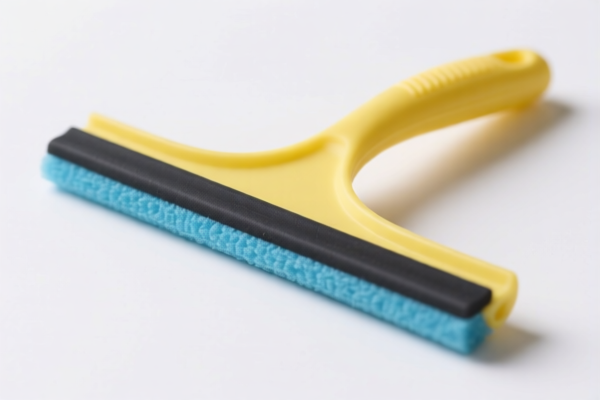
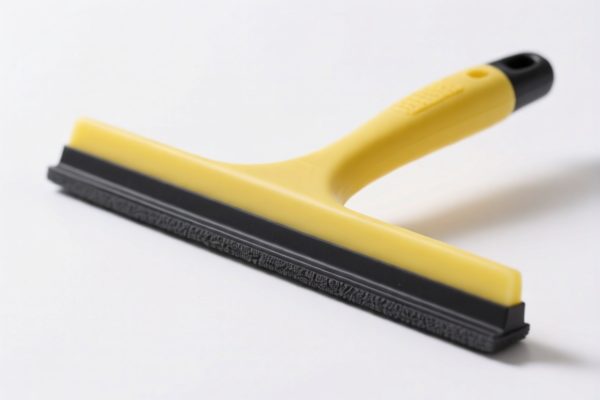
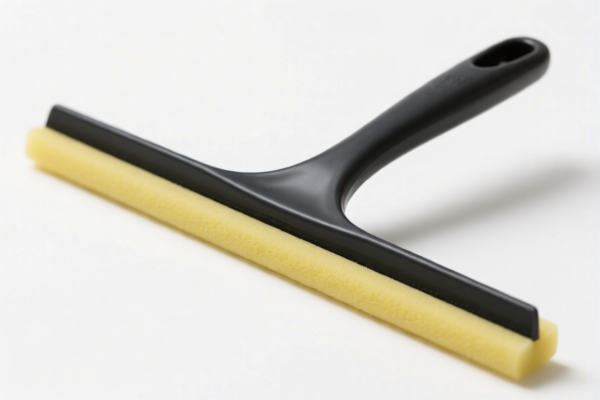
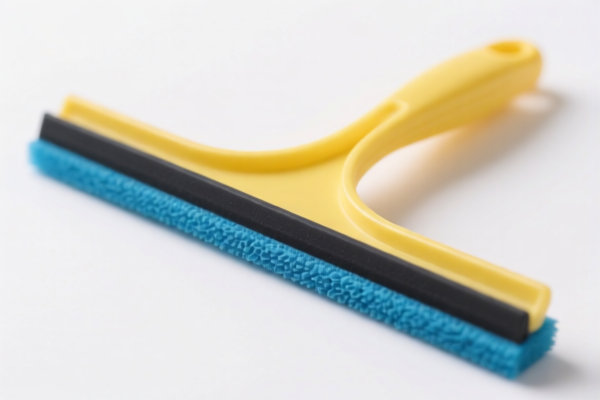
AI Analysis
🧼 Silicone Squeegee (Kitchen & Industrial Tools)
🌐 HS Code Reference & Customs Clearance Guide | 2026 Latest Tariff Analysis | Strategic Classification for Silicone Scrapers
📌 I. Product Definition & Classification: What Exactly is a "Silicone Squeegee"?
The term "Silicone Squeegee" is highly ambiguous in international trade. It can refer to two vastly different products: 1. Kitchen Utensils: Soft silicone scrapers/b spatulas used for baking, mixing, or cleaning cookware. 2. Industrial/Construction Tools: Rigid or semi-rigid rubber/silicone blades used for window cleaning, automotive wipers, or industrial scraping.
⚠️ Critical Distinction:
- If it is a kitchen tool (flexible, food-grade, used for scraping bowls/containers) → It falls under Chapter 39 (Plastics) or Chapter 82 (Cutlery).
- If it is an automotive part (wiper blade) or industrial rubber strip → It falls under Chapter 40 (Rubber) or Chapter 87 (Vehicles).
- Misclassification Risk: Declaring a kitchen silicone scraper as an "automotive part" or "rubber strip" will trigger massive duties (up to 37.9%) instead of the lower kitchen utensil rates.
📦 II. HS Code Classification Matrix (2026 Data Reference)
Based on the provided data, here are the exact classifications for "Silicone Squeegee" variants:
| HS Code | Product Description | Material/Usage Context | Total Tax Rate |
|---|---|---|---|
| 8215.99.40.60 | Silicone Spatula/Scraper | Classified as "Spoons/Ladles/Kitchen Tools". Material: Silicone. | 15.0% |
| 3924.10.40.00 | Plastic Silicone Scraper | Classified as "Plastic Kitchenware". Material: Plastic/Polymer. | 13.4% |
| 3924.90.56.50 | Silicone Scraper (Other) | Classified as "Other Plastic/Synthetic Rubber Kitchenware". | 20.9% |
| 4008.29.20.00 | Rubber Squeegee Blade | Classified as "Vulcanized Rubber Strips". Used for industrial/window cleaning. | 37.9% |
| 8708.99.81.80 | Automotive Wiper Part | Classified as "Auto Parts (Wiper Accessories)". | 37.5% |
💰 III. Detailed Tax Breakdown (China to USA)
✅ Origin: China (CN)
✅ Destination: United States (US)
✅ Effective Date: 2025/2026 Period (Post-122 Section Tariffs)
🎯 1. 8215.99.40.60 —— Kitchen Silicone Spatula/Scraper
Best for: Flexible, food-grade silicone kitchen tools.
| Component | Rate | Details |
|---|---|---|
| Base Duty | 5.0% | Standard MFN rate for cutlery/kitchen tools. |
| Section 301 (Trade War) | 0.0% | No additional 25% tariff on this specific subheading. |
| Section 122 Tariff | 10.0% | New 122-clause tariff on specific Chinese goods. |
| TOTAL RATE | 15.0% | Most competitive rate for kitchen silicone tools. |
📌 Logic: This code is optimal if the product is strictly defined as a "spoon/ladle/kitchen tool" made of silicone. It avoids the high rubber/plastic surcharges.
🎯 2. 3924.10.40.00 —— Plastic/Polymer Kitchenware
Best for: Silicone treated as plastic/polymer kitchen items.
| Component | Rate | Details |
|---|---|---|
| Base Duty | 3.4% | Standard rate for plastic tableware/kitchenware. |
| Section 301 | 0.0% | No additional 25% tariff. |
| Section 122 Tariff | 10.0% | 122-clause tariff applies. |
| TOTAL RATE | 13.4% | Lowest overall duty, but strict material definition required. |
📌 Logic: If the silicone is classified as a "plastic polymer" kitchenware item (not metal-handled), this offers the lowest duty. However, customs may argue silicone is rubber/plastic, not standard plastic.
🎯 3. 3924.90.56.50 —— Other Plastic Kitchenware
Best for: Silicone scrapers not fitting the "spoon" or "basic plastic" category.
| Component | Rate | Details |
|---|---|---|
| Base Duty | 3.4% | Standard rate for other plastic kitchenware. |
| Section 301 | 7.5% | Additional 7.5% tariff (Section 301 Phase 4). |
| Section 122 Tariff | 10.0% | 122-clause tariff applies. |
| TOTAL RATE | 20.9% | Higher risk if misclassified. |
📌 Logic: This is a "catch-all" for plastic kitchen items. The 7.5% Section 301 tariff makes it more expensive than
3924.10.40.00.
🎯 4. 4008.29.20.00 —— Rubber Squeegee Blade
Best for: Industrial/window cleaning rubber blades, NOT kitchen tools.
| Component | Rate | Details |
|---|---|---|
| Base Duty | 2.9% | Standard rate for vulcanized rubber strips. |
| Section 301 | 25.0% | High 25% tariff applies. |
| Section 122 Tariff | 10.0% | 122-clause tariff applies. |
| TOTAL RATE | 37.9% | EXTREMELY HIGH. Avoid for kitchen goods. |
📌 Logic: If you declare a kitchen spatula as a "rubber strip," you pay nearly 40%. This code is for industrial rubber products.
🎯 5. 8708.99.81.80 —— Auto Wiper Parts
Best for: Automotive windshield wiper blades/accessories.
| Component | Rate | Details |
|---|---|---|
| Base Duty | 2.5% | Standard rate for auto parts. |
| Section 301 | 25.0% | High 25% tariff applies. |
| Section 122 Tariff | 10.0% | 122-clause tariff applies. |
| TOTAL RATE | 37.5% | Only for genuine auto parts. |
📌 Logic: Misdeclaring a kitchen tool as an auto part leads to severe penalties and 37.5% duty. Only use for actual windshield wiper components.
🛠️ IV. Customs Clearance Strategy & Advice
✅ 1. Documentation Requirements
| Document | Requirement | Why It Matters |
|---|---|---|
| Product Description | "Silicone Kitchen Scraper/Bakery Spatula, Food Grade" | Must clearly state KITCHEN USE to qualify for Ch. 39/82. |
| Material Composition | "100% Silicone Rubber" or "Silicone Polymer" | Determines if it goes to 3924 (Plastic/Polymer) or 8215 (Cutlery). |
| Function Statement | "Used for scraping bowl residues, mixing batter" | Proves it is NOT an industrial rubber blade or auto part. |
| HS Code Declaration | 3924.10.40.00 or 8215.99.40.60 |
Aligns with the lowest duty option. |
| Photos | Clear images of the product in use (kitchen setting) | Helps customs verify it’s not an industrial tool. |
✅ 2. Classification Pitfalls to Avoid
| Mistake | Consequence | Correct Action |
|---|---|---|
| Calling it "Rubber Blade" | Triggers 4008.29.20.00 → 37.9% Duty |
Use "Silicone Scraper" or "Spacial Tool". |
| Calling it "Auto Part" | Triggers 8708.99.81.80 → 37.5% Duty |
Never use "Wiper" or "Auto" for kitchen items. |
| Using Generic "Plastic" | May trigger 3924.90.56.50 → 20.9% Duty |
Specify "Silicone Kitchenware" to target 3924.10.40.00. |
| Splitting Packets | Risk of partial misclassification | Declare entire set/unit under one HS code if sold together. |
✅ 3. Strategic Recommendation
🥇 BEST OPTION: 3924.10.40.00 (13.4% Total)
- Condition: If customs accepts silicone as "plastic/polymer kitchenware."
- Action: Emphasize "Plastic/Polymer Kitchen Utensil" in description.
🥈 SAFEST OPTION: 8215.99.40.60 (15.0% Total)
- Condition: If customs views silicone as "cutlery/kitchen tool" analogous to metal spatulas.
- Action: Describe as "Silicone Kitchen Tool/Spatula."
🚫 AVOID: 4008.29.20.00 and 8708.99.81.80 unless you are selling industrial rubber blades or auto wipers.
🌍 V. Global Market Note (2026)
| Market | Recommended HS Code | Estimated Duty | Notes |
|---|---|---|---|
| 🇺🇸 USA | 3924.10.40.00 or 8215.99.40.60 |
13.4% - 15.0% | High risk if misclassified as rubber/auto parts. |
| 🇨🇳 China | 3926.90.90.00 |
~5-10% | Import into China has different codes. |
| 🇪🇺 EU | 3924.10.00 |
0% | No Section 301/122 tariffs. Much cheaper for EU. |
| 🇬🇧 UK | 3924.10.00 |
0% | Post-Brexit tariffs may apply, but generally favorable. |
📌 Insight: If you are exporting to the EU or UK, the tariff burden is significantly lower. The high 13-37% rates are specific to US-China trade tensions.
🎯 VI. Conclusion & Final Advice
🎯 Key Takeaway:
The term "Silicone Squeegee" is a classification trap.
- If it’s for kitchen, aim for 3924.10.40.00 (13.4%) or 8215.99.40.60 (15.0%).
- If it’s for windows/cars, expect 37%+ duties in the US.
🔥 Golden Rule:
"Kitchen Silicone = Plastic/Tool (Low Tax); Industrial Rubber = Auto/Rubber (High Tax)"
📌 Action Item:
1. Clearly label products as "Kitchen Use Only".
2. Submit photos showing kitchen context.
3. Pre-clear HS Code with a broker before shipping to the US.
✨ Professional Clearance Starts with Precision!
💼 Don’t let a wrong HS code cost you 20%+ in duties!
Customer Reviews
About HS Code Classification
The Harmonized System (HS) is an internationally standardized nomenclature developed by the World Customs Organization (WCO) to classify traded products. Over 200 countries use the HS system as the basis for customs tariffs, trade statistics, and import/export regulations.
Each HS code follows a hierarchical structure:
- Chapter (2 digits) — Broad category of goods (e.g., Chapter 84: Machinery and Mechanical Appliances)
- Heading (4 digits) — More specific grouping within the chapter
- Subheading (6 digits) — Internationally standardized breakdown, used by all WCO member countries
- National subdivisions (8-10 digits) — Country-specific extensions for further classification, such as US HTSUS 10-digit codes
Correct HS code classification is essential for smooth customs clearance, accurate duty payment, and compliance with trade regulations. Misclassification can lead to customs delays, overpayment of duties, or penalties.
When importing from CN to US, the applicable tariff rates may include:
- Most-Favored-Nation (MFN) rate — The standard duty rate applied to WTO members
- General rate — Applied to countries without trade agreements
- Trade remedy duties — Additional tariffs such as Section 301 (anti-dumping), Section 232 (national security), or countervailing duties
The information provided on this page is for reference purposes only. For official classification, please consult with your local customs authority or a licensed customs broker.