silicone tubing
CN → US| HS Code | Tariff Rate | Origin | Destination | Doc |
|---|---|---|---|---|
| 3917290090 | 38.1% | CN | US | Official Doc |
| 3926909989 | 22.8% | CN | US | Official Doc |
| 4009120050 | 20.0% | CN | US | Official Doc |
Product Images
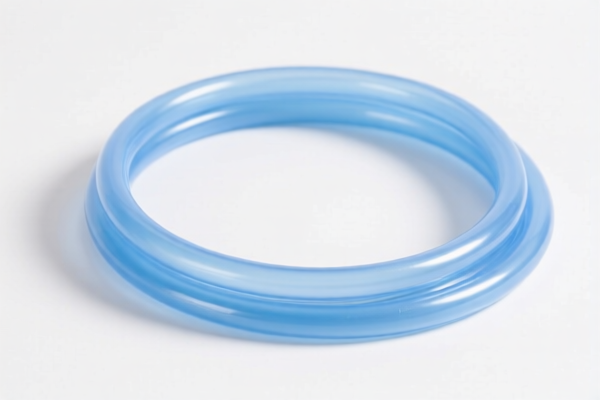
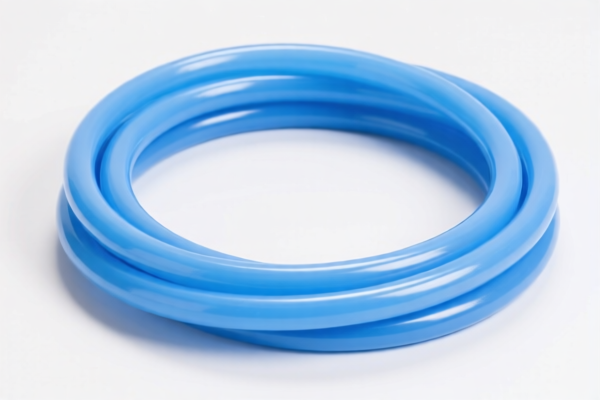
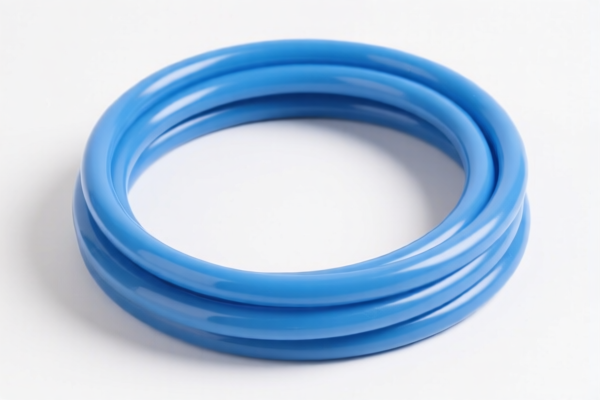
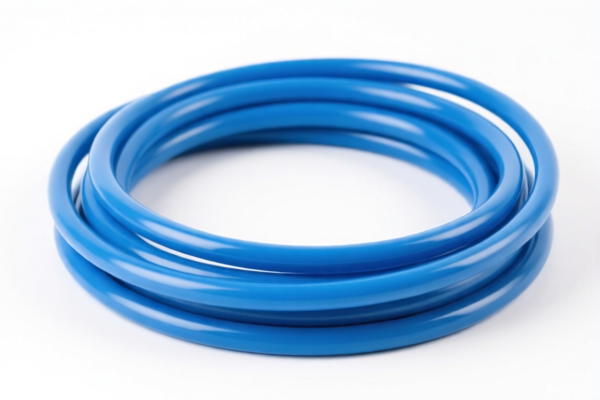
AI Analysis
🧪 Silicone Tubing & Components: HS Code Classification & Clearance Strategy (US Import)
🌐 HS Code Reference & Clearance Guide | 2026 Latest Tariff Analysis | Professional-Level Customs Strategy
📌 I. Product Definition & Classification: Do You Really Understand "Silicone Tubing"?
Silicone tubing is a versatile material widely used in medical, industrial, food, and automotive sectors. In international trade, it is strictly classified based on material composition (Plastic vs. Rubber) and physical form (Tube/Hose vs. Other Articles). The distinction between "Plastic/Synthetic Rubber" and "Vulcanized Rubber" is the primary determinant of your tax burden.
⚠️ Key Distinction Point:
- If the material is classified as Plastic/Synthetic Rubber (often soft, extruded silicone often categorized under plastics in broader tariff schedules unless explicitly vulcanized rubber):
- If it is a Tube/Hose: Falls under 3917.29.00.90
- If it is an Accessory/Other Article (like a sleeve, cover, or non-standard shape): Falls under 3926.90.99.89
- If the material is explicitly classified as Vulcanized Rubber:
- If it is a Tube/Hose: Falls under 4009.12.00.50
- If the product is Silicone Balls (specific form):
- If classified as Plastic/Synthetic Rubber: 3926.90.99.05
- If classified as Ceramic/Other (rare for silicone, but possible if treated as ceramic-like or misclassified): 6914.10.80.00
📦 II. HS Code Classification Details (2026 Latest Tariff Authority Comparison)
| HS Code | Product Description | Application Scenario | Material/Form Characteristic |
|---|---|---|---|
3917.29.00.90 |
Silicone Tubing (Plastic/Synthetic Rubber Base) | Industrial hoses, fluid transfer tubes | ✅ Tubular form, Plastic/Synthetic Rubber |
3926.90.99.89 |
Silicone Tubing Sleeves/Covers (Plastic/Synthetic Rubber) | Protective sleeves, non-tubular silicone accessories | ✅ Other plastic articles, not tubes |
4009.12.00.50 |
Silicone Tubing (Vulcanized Rubber Base) | Medical tubing, high-heat industrial hoses | ✅ Tubular form, Vulcanized Rubber |
3926.90.99.05 |
Silicone Balls (Plastic/Synthetic Rubber Base) | Stress balls, toys, decorative items | ✅ Spherical form, Plastic/Synthetic Rubber |
6914.10.80.00 |
Silicone Balls (Ceramic/Other Category Inference) | High-temp ceramic-like silicone components | ✅ Spherical form, Non-standard material classification |
🔍 Critical Reminder:
- The term "Silicone" can be tricky. It is often grouped with Plastics (Chapter 39) if it doesn't meet the strict definition of vulcanized rubber, or with Rubber (Chapter 40) if it is fully vulcanized.
- Tubing vs. Other: If the item is a continuous flexible tube, it belongs in 3917 or 4009. If it is a cut piece, sleeve, or non-tubular shape, it may fall under 3926 (Other plastic articles).
- Misclassification Risk: Classifying a vulcanized rubber tube as plastic (or vice versa) can lead to significant duty differences and potential penalties.
💰 III. 2026 Latest Tariff Rate Breakdown (Including Additional Taxes & Policy Add-ons)
✅ Applicable Country: United States (US)
✅ Origin: China (CN)
✅ Effective Date: 2025 November 10 onwards (Including subsequent imports)
🎯 1. 3917.29.00.90 —— Silicone Tubing (Plastic/Synthetic Rubber)
| Item | Content |
|---|---|
| Basic Duty | 3.1% (ad valorem) |
| Section 301 Duty (Additional) | +25.0% (from USITC Footnote for Section 301) |
| IEEPA Duty (122 Section) | +10.0% (For Chinese/HK products, effective Nov 10, 2025) |
| Total Rate | 38.1% |
| Tax Calculation | CIF Value × 38.1% |
| De Minimis Eligibility | ❌ Not Eligible (deny_de_minimis) |
| Legal Basis Path | IEEPA:9903.01.25 → IEEPA:9903.01.24 → USITC:3917.29.00.90 → FOOTNOTE:9903.88.01 |
📌 Explanation:
- This classification attracts the highest combined tax burden among the tubing options.
- The 25% Section 301 duty is applied because silicone tubing is often considered a strategic industrial material.
- The 10% IEEPA duty is the new 2025 add-on for Chinese goods.
- Total 38.1% is a critical cost driver. Accurate declaration is essential to avoid overpayment or underpayment penalties.
🎯 2. 3926.90.99.89 —— Silicone Tubing Sleeves/Other Articles (Plastic/Synthetic Rubber)
| Item | Content |
|---|---|
| Basic Duty | 5.3% (ad valorem) |
| Section 301 Duty (Additional) | +7.5% (Lower Section 301 rate for certain plastic articles) |
| IEEPA Duty (122 Section) | +10.0% (For Chinese/HK products, effective Nov 10, 2025) |
| Total Rate | 22.8% |
| Tax Calculation | CIF Value × 22.8% |
| De Minimis Eligibility | ❌ Not Eligible (deny_de_minimis) |
| Legal Basis Path | IEEPA:9903.01.25 → IEEPA:9903.01.24 → USITC:3926.90.99.89 → FOOTNOTE:9903.88.01 |
📌 Note:
- If the silicone product is not a continuous tube (e.g., a protective sleeve, a non-standard fitting, or a cut piece), it may be classified here.
- The Section 301 rate is lower (7.5% vs 25%), resulting in a significantly lower total tax of 22.8%.
- Strategic Tip: If your product can be reasonably described as a "sleeve" or "other accessory" rather than a "tube," this classification saves 15.3% in duties. However, the physical form must strictly support this classification.
🎯 3. 4009.12.00.50 —— Silicone Tubing (Vulcanized Rubber)
| Item | Content |
|---|---|
| Basic Duty | 2.5% (ad valorem) |
| Section 301 Duty (Additional) | +7.5% (Lower Section 301 rate for certain rubber articles) |
| IEEPA Duty (122 Section) | +10.0% (For Chinese/HK products, effective Nov 10, 2025) |
| Total Rate | 20.0% |
| Tax Calculation | CIF Value × 20.0% |
| De Minimis Eligibility | ❌ Not Eligible (deny_de_minimis) |
| Legal Basis Path | IEEPA:9903.01.25 → IEEPA:9903.01.24 → USITC:4009.12.00.50 → FOOTNOTE:9903.88.01 |
📌 Note:
- This is the lowest tax rate among the tubing classifications (20.0%).
- It applies if the silicone is explicitly classified as vulcanized rubber under Chapter 40.
- Strategic Tip: If your silicone tubing meets the legal definition of vulcanized rubber, use this HS Code. The 25% Section 301 rate does NOT apply here (only 7.5% applies), saving significant costs.
🎯 4. 3926.90.99.05 —— Silicone Balls (Plastic/Synthetic Rubber)
| Item | Content |
|---|---|
| Basic Duty | 5.3% (ad valorem) |
| Section 301 Duty (Additional) | +7.5% (Lower Section 301 rate for certain plastic articles) |
| IEEPA Duty (122 Section) | +10.0% (For Chinese/HK products, effective Nov 10, 2025) |
| Total Rate | 22.8% |
| Tax Calculation | CIF Value × 22.8% |
| De Minimis Eligibility | ❌ Not Eligible (deny_de_minimis) |
| Legal Basis Path | IEEPA:9903.01.25 → IEEPA:9903.01.24 → USITC:3926.90.99.05 → FOOTNOTE:9903.88.01 |
📌 Note:
- Applies to spherical silicone products made of plastic/synthetic rubber.
- Same tax structure as3926.90.99.89.
🎯 5. 6914.10.80.00 —— Silicone Balls (Ceramic/Other Category)
| Item | Content |
|---|---|
| Basic Duty | 9.0% (ad valorem) |
| Section 301 Duty (Additional) | +25.0% (High Section 301 rate for certain ceramic/other articles) |
| IEEPA Duty (122 Section) | +10.0% (For Chinese/HK products, effective Nov 10, 2025) |
| Total Rate | 44.0% |
| Tax Calculation | CIF Value × 44.0% |
| De Minimis Eligibility | ❌ Not Eligible (deny_de_minimis) |
| Legal Basis Path | IEEPA:9903.01.25 → IEEPA:9903.01.24 → USITC:6914.10.80.00 → FOOTNOTE:9903.88.01 |
📌 Warning:
- This is the highest tax rate (44.0%).
- It is a "reasonable inference" for silicone balls if they are misclassified or treated as ceramic-like items.
- Avoid this classification unless the product is genuinely not plastic/rubber. It is highly likely to be audited and reclassified with penalties.
🛠️ IV. Clearance Operational Advice (Practical Pitfall Avoidance Guide)
✅ 1. Preparation Checklist (None Omitted)
| Document | Must Provide | Explanation |
|---|---|---|
| ✅ Product Specification Sheet | ✔️ | Must detail material (Vulcanized Rubber vs. Plastic/Synthetic), hardness (Shore A), and diameter. |
| ✅ Material Safety Data Sheet (MSDS) | ✔️ | Confirms chemical composition; helps customs distinguish between plastic and rubber. |
| ✅ Product Photos (Clear Labels) | ✔️ | Show cross-section (tube) vs. solid shape (ball/sleeve). |
| ✅ Third-Party Test Report | ✔️ | FDA, LFGB, or USP Class VI certification (for medical/food grade) supports material claims. |
| ✅ Commercial Invoice | ✔️ | Clearly state "Silicone Tubing" or "Silicone Sleeve," NOT generic "Rubber Product." |
| ✅ Packing List | ✔️ | Confirm no mixed HS Codes in one shipment without proper breakdown. |
✅ 2. Declaration Tips (Key Mnemonics)
🔥 "Form Determines Code, Material Determines Rate, Don't Mix Categories!"
| Scenario | Correct Declaration | Wrong Practice |
|---|---|---|
| Continuous Flexible Tube (Plastic Base) | 3917.29.00.90 |
Misclassify as 4009 → Risk of audit |
| Continuous Flexible Tube (Rubber Base) | 4009.12.00.50 |
Misclassify as 3917 → Pay higher tax (38.1% vs 20%) |
| Protective Sleeve/Cut Piece (Plastic Base) | 3926.90.99.89 |
Misclassify as 3917 → Overpay tax |
| Silicone Ball (Plastic Base) | 3926.90.99.05 |
Misclassify as 6914 → Pay highest tax (44.0%) |
✅ 3. Special Cases Handling
| Situation | Handling Advice |
|---|---|
| Medical Grade Silicone | Provide FDA/USP Class VI reports. This strengthens the claim for 4009 if it is vulcanized rubber, reducing tax to 20%. |
| Mixed Shipment (Tubes + Sleeves) | Split the invoice. Declare tubes under 3917/4009 and sleeves under 3926. Do not combine. |
| OEM Custom Tubing | Provide customer design specs. If the cross-section is non-standard (e.g., D-shape), it is still a "tube" under 3917/4009, not 3926. |
| Silicone Balls | Ensure they are not declared as "toys" (HS 9503) if they are industrial components. Use 3926 or 6914 as per material. |
🌍 V. Global Major Market Clearance Comparison (2026 Latest)
| Country/Region | Recommended HS Code | Duty Rate | Certification Required | Note |
|---|---|---|---|---|
| 🇺🇸 USA | 4009.12.00.50 (Rubber) or 3917.29.00.90 (Plastic) |
20.0% - 38.1% | FDA, UL (if applicable) | IEEPA 10% + Section 301 apply. High cost. |
| 🇨🇳 China | 4009 or 3917 |
2.5% - 3.1% | None (if for export) | No additional tariffs for re-export. |
| 🇪🇺 EU | 4009 or 3917 |
4.0% - 6.5% | REACH, RoHS | No IEEPA/Section 301. Lower cost. |
| 🇦🇺 Australia | 4009 or 3917 |
5.0% | ARL (if electrical) | No additional tariffs. |
| 🇯🇵 Japan | 4009 or 3917 |
3.0% - 5.0% | PSE (if electrical) | No additional tariffs. |
📌 Conclusion:
- USA is the most expensive market due to IEEPA and Section 301 duties.
- Choosing the correct HS Code (Plastic vs. Rubber) can save 15-18% in duties.
- Vulcanized Rubber (4009) is generally cheaper than Plastic (3917) for tubing in the US due to lower Section 301 rates.
📌 VI. Common Errors & Pitfall Guide (Blood & Tears Lessons)
❌ Error 1: Classifying Vulcanized Rubber Tubing as Plastic (3917)
👉 Consequence: You pay 38.1% instead of 20.0%. Overpayment of 18.1%!
❌ Error 2: Classifying Silicone Sleeves as Tubing (3917)
👉 Consequence: You pay 38.1% instead of 22.8%. Overpayment of 15.3%!
❌ Error 3: Declaring Silicone Balls as Ceramic (6914) without justification
👉 Consequence: You pay 44.0% instead of 22.8%. Overpayment of 21.2%!
❌ Error 4: Using vague terms like "Rubber Tube" in the description
👉 Consequence: Customs cannot determine if it is Plastic or Rubber. Delay in clearance, potential reclassification.
✅ Correct Practice:
"Silicone Tubing, Vulcanized Rubber, Medical Grade, 6mm ID, 10mm OD, FDA Compliant, Model XYZ"
🎯 VII. Conclusion: Professional Declaration, Save Time, Cut Costs!
🎯 Remember the Mnemonic:
🔹 "Tubing is Tube, Sleeve is Other. Rubber is Cheaper, Plastic is More. IEEPA 10%, Section 301 Adds Up. Code Right, Pay Less!"
🔹 "HS Code is Life, 18% Difference is Huge. Wrong Code Means Big Penalty!"
📌 Pro Tip:
If your silicone tubing is originating from Vietnam, Mexico, Thailand, or Malaysia, you may apply for IEEPA Exemption, reducing the total rate to 0%-5%.
Recommendation: Apply for an Advance Ruling from US Customs (CBP) to confirm the HS Code before shipment.
📣 Immediate Action:
📞 Contact a professional customs broker + Provide product photos + Apply for HS Code Advance Ruling
🚀 Let your silicone products clear smoothly, export efficiently, and double your profits!
✨ Professional clearance starts with precise classification!
💼 Every cent of your cost deserves to be calculated precisely!
Customer Reviews
About HS Code Classification
The Harmonized System (HS) is an internationally standardized nomenclature developed by the World Customs Organization (WCO) to classify traded products. Over 200 countries use the HS system as the basis for customs tariffs, trade statistics, and import/export regulations.
Each HS code follows a hierarchical structure:
- Chapter (2 digits) — Broad category of goods (e.g., Chapter 84: Machinery and Mechanical Appliances)
- Heading (4 digits) — More specific grouping within the chapter
- Subheading (6 digits) — Internationally standardized breakdown, used by all WCO member countries
- National subdivisions (8-10 digits) — Country-specific extensions for further classification, such as US HTSUS 10-digit codes
Correct HS code classification is essential for smooth customs clearance, accurate duty payment, and compliance with trade regulations. Misclassification can lead to customs delays, overpayment of duties, or penalties.
When importing from CN to US, the applicable tariff rates may include:
- Most-Favored-Nation (MFN) rate — The standard duty rate applied to WTO members
- General rate — Applied to countries without trade agreements
- Trade remedy duties — Additional tariffs such as Section 301 (anti-dumping), Section 232 (national security), or countervailing duties
The information provided on this page is for reference purposes only. For official classification, please consult with your local customs authority or a licensed customs broker.