silk casual shoulder bag
CN → US| HS Code | Tariff Rate | Origin | Destination | Doc |
|---|---|---|---|---|
| 4202224010 | 42.4% | CN | US | Official Doc |
| 4202227000 | 42.0% | CN | US | Official Doc |
| 5007906090 | 38.9% | CN | US | Official Doc |
Product Images
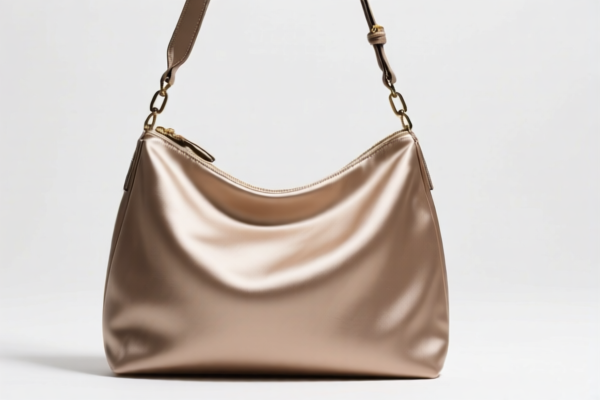
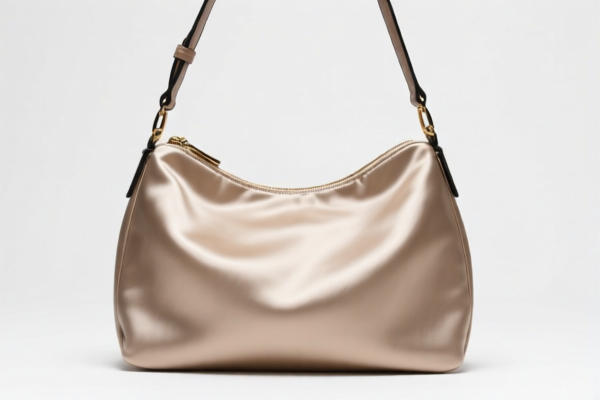
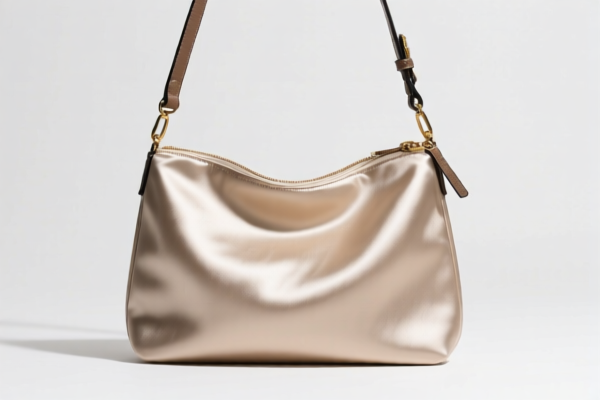
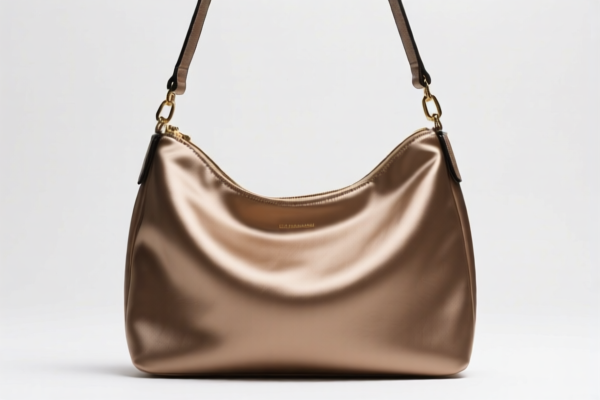
AI Analysis
👜 Silk Casual Shoulder Bag: HS Code Classification & Customs Clearance Guide | 2026 Tariff Breakdown
🌐 HS Code Reference & Customs Clearance Guide | Latest Tariff Analysis | Professional Strategy for Textile Accessories
📌 I. Product Definition & Classification: What Exactly is a "Silk Casual Shoulder Bag"?
A Silk Casual Shoulder Bag is a personal accessory used for carrying small daily essentials. In international trade, its classification depends heavily on two critical factors: 1. Material Composition: The outer surface must be identified as silk (Chapter 50: Silk) or a textile blend. 2. Form/Shape: It must fit the functional description of a handbag, shoulder bag, or satchel (Chapter 42: Articles of leather or synthetic leather, etc.).
⚠️ Key Distinction Point: - If the bag is made primarily of silk fabric → It falls under Chapter 42, specifically heading 4202.22 (Handbags with outer surface of textile materials). - If the bag is made of raw silk threads or woven silk not fashioned into articles → It might fall under Chapter 50 (Silk Yarns and Woven Fabrics), but finished bags are rarely classified here unless they are unfinished accessories.
📦 II. HS Code Classification Details (Based on Provided Data)
| HS Code | Product Description | Key Characteristics | Applicable Scenario |
|--------|--------------------------|-------------------|
| 4202.22.40.10 | Silk Crossbody or Casual Bag | Shape: Handbag/Shoulder Bag; Material: Silk characteristics | ✅ Most common for finished silk casual bags |
| 4202.22.70.00 | Silk Casual or Crossbody Bag | Shape: Handbag; Outer Surface: Textile (Silk) | ✅ For structured handbags made of silk textile |
| 5007.90.60.90 | Silk Casual Bag (Fabric Category) | Matches material & form; Classified under Silk Fabric category | ⚠️ Rare for finished bags; usually implies unfinished or fabric-based components |
| 4202.22.89.80 | Shoulder Bag (General Textile) | Shape: Handbag/Shoulder Bag; Material: Unspecified/Other Textile | ❌ Use only if silk content is unclear or it's a different textile |
🔍 Important Note: - The majority of finished silk casual bags are classified under 4202.22 (Handbags with outer surface of textile materials). - 4202.22.40.10 and 4202.22.70.00 are the most accurate for silk-specific products. - 5007.90.60.90 is less common for finished bags and may apply if the product is considered a "silk article" under Chapter 50, but this is atypical for shoulder bags. - 4202.22.89.80 is a fallback for other textile materials if silk cannot be verified.
💰 III. 2026 Latest Tariff Rate Breakdown (Including Surcharges)
✅ Applicable Country: United States (US)
✅ Origin: China (CN)
✅ Effective Date: November 10, 2025 (and subsequent imports)
🎯 1. 4202.22.40.10 – Silk Crossbody/Casual Bag
| Item | Detail |
|---|---|
| Base Tariff | 7.4% (ad valorem) |
| Section 301 Surcharge | +25.0% (USITC Footnote) |
| Section 122 Surcharge | +10.0% (Specific to certain textile/apparel items) |
| Total Tariff Rate | 42.4% |
| Tax Calculation | CIF Value × 42.4% |
| De Minimis Exemption | ❌ Not Eligible (Subject to strict scrutiny) |
| Legal Basis | USITC:4202.22.40.10 → Section 301: 25% → Section 122: 10% |
📌 Explanation: - Base Tariff (7.4%): Standard import duty for handbags with textile surfaces. - Section 301 (25%): Additional duty on Chinese goods under the US Trade Act. - Section 122 (10%): Additional duty under the Trade Expansion Act of 1962, Section 122, applicable to certain textile and apparel items. - Total: 42.4% – This is a high tariff rate, significantly impacting profit margins.
🎯 2. 4202.22.70.00 – Silk Casual/Handbag
| Item | Detail |
|---|---|
| Base Tariff | 7.0% |
| Section 301 Surcharge | +25.0% |
| Section 122 Surcharge | +10.0% |
| Total Tariff Rate | 42.0% |
| Tax Calculation | CIF Value × 42.0% |
| De Minimis Exemption | ❌ Not Eligible |
| Legal Basis | USITC:4202.22.70.00 → Section 301: 25% → Section 122: 10% |
📌 Note: - Very similar to
4202.22.40.10, with a slightly lower base rate (7.0% vs. 7.4%). - Both codes are subject to the same surcharges, resulting in a 42.0%–42.4% total tariff.
🎯 3. 5007.90.60.90 – Silk Casual Bag (Fabric Category)
| Item | Detail |
|---|---|
| Base Tariff | 3.9% |
| Section 301 Surcharge | +25.0% |
| Section 122 Surcharge | +10.0% |
| Total Tariff Rate | 38.9% |
| Tax Calculation | CIF Value × 38.9% |
| De Minimis Exemption | ❌ Not Eligible |
| Legal Basis | USITC:5007.90.60.90 → Section 301: 25% → Section 122: 10% |
📌 Analysis: - This code has the lowest total tariff (38.9%) due to a lower base rate (3.9%). - However, classification risk is higher because finished shoulder bags are typically classified under Chapter 42, not Chapter 50. Misclassification could lead to penalties.
🎯 4. 4202.22.89.80 – General Textile Shoulder Bag
| Item | Detail |
|---|---|
| Base Tariff | 17.6% |
| Section 301 Surcharge | +25.0% |
| Section 122 Surcharge | +10.0% |
| Total Tariff Rate | 52.6% |
| Tax Calculation | CIF Value × 52.6% |
| De Minimis Exemption | ❌ Not Eligible |
| Legal Basis | USITC:4202.22.89.80 → Section 301: 25% → Section 122: 10% |
📌 Warning: - This is the highest tariff rate (52.6%). - It applies if the material is not specifically identified as silk or is classified under a "other textile" category. - Avoid this code if your product is confirmed to be silk.
🛠️ IV. Customs Clearance Practical Advice
✅ 1. Required Documentation Checklist
| Document | Mandatory? | Notes |
|---|---|---|
| Product Specification Sheet | ✅ Yes | Must specify "Silk" as the main outer material. |
| Material Composition Certificate | ✅ Yes | Proof that the outer surface is ≥85% silk (or as per silk definition). |
| Product Photos | ✅ Yes | Clear images showing the bag’s shape, closure, and material texture. |
| Commercial Invoice | ✅ Yes | Clearly state: "Silk Casual Shoulder Bag, Outer Material: Silk." |
| Packing List | ✅ Yes | Include item count, weight, and dimensions. |
| Certificate of Origin | ✅ Yes | Required for verifying Chinese origin (subject to surcharges). |
✅ 2. Declaration Tips (Key Rules)
🔥 "Silk Identity, Chapter 42, Full Disclosure!"
| Scenario | Correct Declaration | Incorrect Practice |
|---|---|---|
| Confirmed Silk Bag | Use 4202.22.40.10 or 4202.22.70.00 |
Using 4202.22.89.80 → 52.6% tax |
| Unclear Material | Provide test reports to prove silk content | Guessing → Risk of reclassification & penalties |
| Mixed Material Bag | Declare based on principal material | Misrepresenting silk as cotton → Fraud risk |
| Unfinished Bag | Check Chapter 63 (Articles of apparel/accessories) | Classifying under Chapter 50 incorrectly |
✅ 3. Special Cases
| Scenario | Handling Advice |
|---|---|
| OEM Custom Bags | Provide design specs and material invoices to prove silk content. |
| Bag with Silk Lining Only | If outer material is not silk, do not use silk codes. Use appropriate textile code (e.g., 4202.32.xxxx). |
| Silk Blend (e.g., 50% Silk, 50% Polyester) | If silk is the principal material by weight/value, it may still qualify for silk codes. Otherwise, use general textile codes. |
| Gift/No-Commercial Value | Still subject to duties if declared as commercial import. |
🌍 V. Global Market Comparison (2026)
| Country/Region | Recommended HS Code | Tariff (China Origin) | Certification Required | Notes |
|---|---|---|---|---|
| 🇺🇸 USA | 4202.22.40.10 / 4202.22.70.00 |
42.0%–42.4% | None (standard) | Highest impact due to 301 & 122 tariffs |
| 🇨🇳 China | 4202.22.40.10 |
7.4% | None | No surcharges for domestic trade |
| 🇪🇺 EU | 4202.22.40.10 |
0% (Most Favored Nation) | CE (if applicable) | No Section 301/122 equivalents |
| 🇬🇧 UK | 4202.22.40.10 |
4% | UKCA | Post-Brexit tariffs apply |
| 🇦🇺 Australia | 4202.22.40.10 |
5% | RCM | Low tariffs, no surcharges |
📌 Conclusion: - The US market is the most challenging due to Section 301 (25%) and Section 122 (10%) surcharges, totaling ~42%. - EU, UK, and Australia offer significantly lower tariffs, making them more favorable for silk bag exports.
📌 VI. Common Errors & Pitfalls (Lessons Learned)
❌ Error 1: Using 4202.22.89.80 (52.6%) for a silk bag
👉 Consequence: Overpaying ~10% in taxes.
Fix: Always use 4202.22.40.10 or 4202.22.70.00 for silk.
❌ Error 2: Misclassifying as 5007.90.60.90 (38.9%) without proof
👉 Consequence: Customs may reject due to incorrect Chapter (50 vs. 42).
Fix: Only use Chapter 50 if the product is not a finished handbag.
❌ Error 3: Failing to declare silk material
👉 Consequence: Higher duty rate applied, potential penalties for misdeclaration.
Fix: Provide material certificates and clear product descriptions.
✅ Correct Declaration Example:
"Silk Casual Shoulder Bag, Outer Material: 100% Silk, Lining: Polyester, HS Code: 4202.22.40.10"
🎯 VII. Conclusion: Professional Declaration for Cost Efficiency
🎯 Remember the Rule:
🔹 "Silk Bag → Chapter 42, Code 4202.22"
🔹 "Total Tax = 42%, No De Minimis"
🔹 "Verify Material, Avoid 52.6% Trap!"
📌 Pro Tip: If you are exporting to the US, consider: 1. Advance Ruling: Apply for a binding ruling from CBP to confirm the HS code. 2. Supply Chain Adjustment: Explore sourcing silk from non-Chinese origins (e.g., India, Italy) to avoid Section 301 tariffs, if feasible. 3. Cost Absorption: Factor the 42% tariff into your pricing strategy for the US market.
📣 Immediate Action:
📞 Consult a licensed customs broker.
📄 Provide material test reports.
🚀 Ensure accurate declaration to avoid delays and penalties.
✨ Professional Customs Clearance Starts with Accurate Classification!
💼 Your Every Dollar is Worth Calculating!
Customer Reviews
About HS Code Classification
The Harmonized System (HS) is an internationally standardized nomenclature developed by the World Customs Organization (WCO) to classify traded products. Over 200 countries use the HS system as the basis for customs tariffs, trade statistics, and import/export regulations.
Each HS code follows a hierarchical structure:
- Chapter (2 digits) — Broad category of goods (e.g., Chapter 84: Machinery and Mechanical Appliances)
- Heading (4 digits) — More specific grouping within the chapter
- Subheading (6 digits) — Internationally standardized breakdown, used by all WCO member countries
- National subdivisions (8-10 digits) — Country-specific extensions for further classification, such as US HTSUS 10-digit codes
Correct HS code classification is essential for smooth customs clearance, accurate duty payment, and compliance with trade regulations. Misclassification can lead to customs delays, overpayment of duties, or penalties.
When importing from CN to US, the applicable tariff rates may include:
- Most-Favored-Nation (MFN) rate — The standard duty rate applied to WTO members
- General rate — Applied to countries without trade agreements
- Trade remedy duties — Additional tariffs such as Section 301 (anti-dumping), Section 232 (national security), or countervailing duties
The information provided on this page is for reference purposes only. For official classification, please consult with your local customs authority or a licensed customs broker.