silk fabric handbags customized
CN → US| HS Code | Tariff Rate | Origin | Destination | Doc |
|---|---|---|---|---|
| 4202227000 | 42.0% | CN | US | Official Doc |
| 5007906090 | 38.9% | CN | US | Official Doc |
| 4202224010 | 42.4% | CN | US | Official Doc |
| 6305900000 | 23.7% | CN | US | Official Doc |
| 4202228930 | 52.6% | CN | US | Official Doc |
Product Images
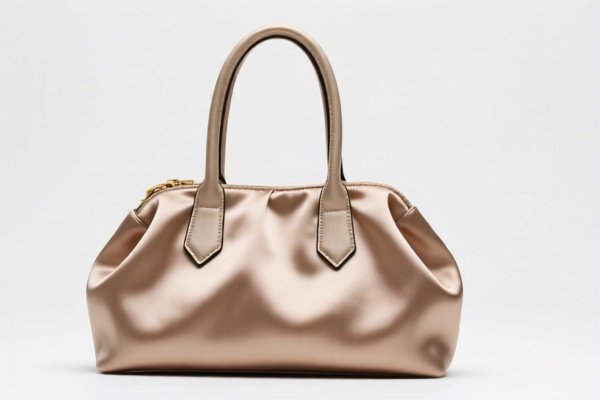
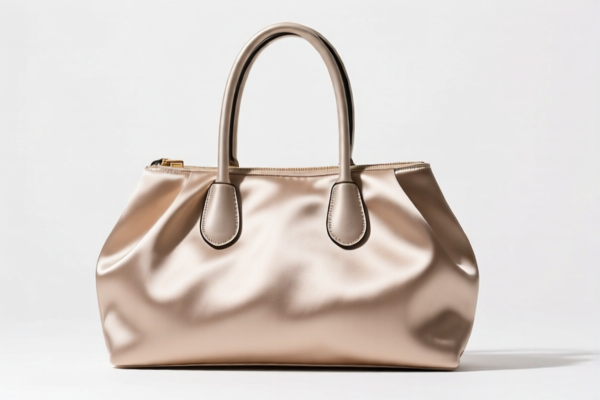
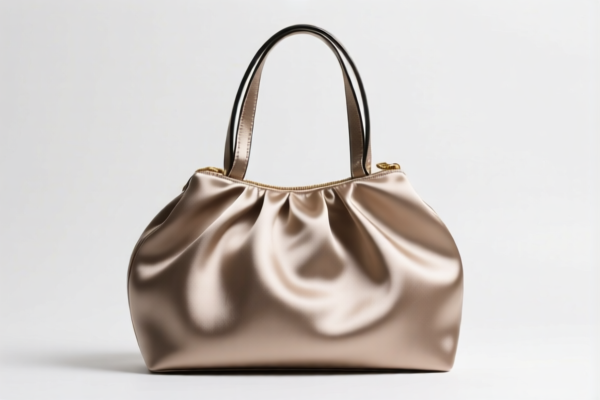
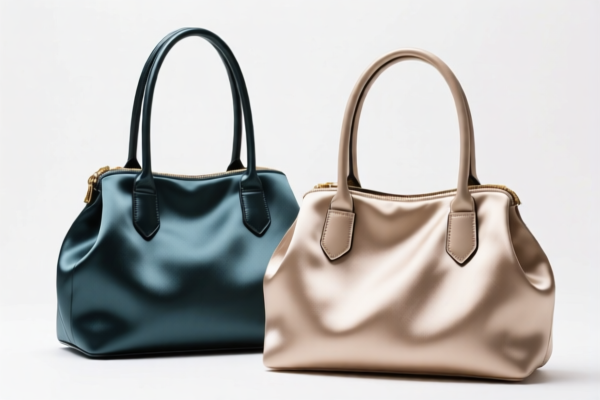
AI Analysis
🌟 Silk Fabric Handbags (Customized) – HS Code & Tariff Guide 2026 | Expert Customs Clearance Strategy
🌐 HS Code Reference & Clearance Blueprint | 2026 Updated Tariff Analysis | Pro-Level Import Planning
📦 I. Product Definition & Classification: What Makes a Silk Handbag “Customized” & How It’s Classified
A customized silk fabric handbag is a handcrafted or tailor-made bag made primarily from silk fabric, used for personal, fashion, or luxury purposes. It is not mass-produced but designed to customer specifications—such as size, color, embroidery, logo, or unique stitching.
⚠️ Critical Classification Clue:
- If the outer surface is made of silk fabric and the shape is a hand-held bag, it falls under handbag categories, not textile fabric.
- Even if customized, the core material and form determine the HS code—not the customization itself.
📊 II. HS Code Breakdown (2026 Official Tariff Table – US Focus)
| HS Code | Product Description | Key Features | Tax Implications |
|---|---|---|---|
4202.22.70.00 |
Silk handbag, outer surface: silk fabric, shape: handbag, classifiable as a handbag | ✅ Silk exterior ✅ Handbag form ✅ Not a textile fabric item |
42.0% total |
5007.90.60.90 |
Silk fabric handbag, matches material & form, fits silk textile category | ✅ Silk fabric origin ✅ Handbag shape ✅ Not a finished bag |
38.9% total |
4202.22.40.10 |
Silk handbag with outer surface of textile material, handbag shape | ✅ Textile outer layer ✅ Handbag form ✅ Not pure silk fabric |
42.4% total |
6305.90.00.00 |
Bag made of textile material, handbag shape, not specifically silk | ✅ General textile ✅ Handbag form ✅ Not silk-specific |
23.7% total |
4202.22.89.30 |
Handbag with outer surface of textile material, handbag shape | ✅ Textile exterior ✅ Handbag form ✅ Higher base tariff |
52.6% total |
🔍 Why So Many Codes?
-4202.22.xxxx→ Covers handbags made from textile materials, including silk.
-5007.90.60.90→ Covers silk fabric, but only if it’s not yet assembled into a bag.
-6305.90.00.00→ Applies to general textile bags, not silk-specific.
-4202.22.89.30→ Highest base tariff → 17.6% → indicates more complex or high-value handbag.
💰 III. 2026 U.S. Tariff Breakdown (China Origin – All Codes Apply)
✅ Applicable Country: United States (US)
✅ Origin: China (CN)
✅ Effective Date: November 10, 2025 (including all subsequent imports)
🎯 1. 4202.22.70.00 – Silk Handbag (Handbag Form, Silk Exterior)
| Item | Detail |
|---|---|
| Base Duty | 7.0% (ad valorem) |
| Section 301 (USITC) Additional Duty | +25.0% |
| Section 122 (IEEPA) Additional Duty | +10.0% |
| Total Tariff | 42.0% |
| Tax Calculation | CIF Value × 42.0% |
| De Minimis Exemption? | ❌ No (denied under 301/122) |
| Legal Basis Path | IEEPA:9903.01.25 → IEEPA:9903.01.24 → USITC:4202.22.70.00 → FOOTNOTE:9903.88.01 |
📌 Explanation:
- Section 301 (25%): Imposed under U.S. Trade Act of 1974, targeting Chinese goods deemed to have unfair trade practices.
- Section 122 (10%): Enacted under IEEPA (International Emergency Economic Powers Act), targeting goods from China/Hong Kong.
- Combined with 7% base → 42% total → extremely high.
🎯 2. 5007.90.60.90 – Silk Fabric (Not Yet a Bag)
| Item | Detail |
|---|---|
| Base Duty | 3.9% |
| Section 301 (USITC) Additional Duty | +25.0% |
| Section 122 (IEEPA) Additional Duty | +10.0% |
| Total Tariff | 38.9% |
| Tax Calculation | CIF × 38.9% |
| De Minimis Exemption? | ❌ No |
| Legal Basis Path | IEEPA:9901.25 → IEEPA:9903.01.24 → USITC:5007.90.60.90 → FOOTNOTE:9903.88.01 |
📌 Critical Insight:
- If your customized handbag is still in fabric stage (e.g., cut silk pieces, not assembled), this code applies.
- Do NOT declare as a handbag if it’s not assembled → risk of misclassification penalty.
🎯 3. 4202.22.40.10 – Handbag with Textile Outer Surface
| Item | Detail |
|---|---|
| Base Duty | 7.4% |
| Section 301 (USITC) | +25.0% |
| Section 122 (IEEPA) | +10.0% |
| Total Tariff | 42.4% |
| Tax Calculation | CIF × 42.4% |
| De Minimis Exemption? | ❌ No |
| Legal Basis Path | IEEPA:9903.01.25 → IEEPA:9903.01.24 → USITC:4202.22.40.10 → FOOTNOTE:9903.88.01 |
📌 Note:
- Applies to textile outer surfaces, even if silk is used.
- Higher base rate than70.00→ due to specific subheading.
🎯 4. 6305.90.00.00 – General Textile Bag (Non-Silk)
| Item | Detail |
|---|---|
| Base Duty | 6.2% |
| Section 301 (USITC) | +7.5% |
| Section 122 (IEEPA) | +10.0% |
| Total Tariff | 23.7% |
| Tax Calculation | CIF × 23.7% |
| De Minimis Exemption? | ❌ No |
| Legal Basis Path | IEEPA:9903.01.24 → USITC:6305.90.00.00 → FOOTNOTE:9903.88.01 |
📌 Why Lower?
- No 25% Section 301 → only 7.5% → because this code is not on the full 301 list.
- But still high due to 10% IEEPA.
🎯 5. 4202.22.89.30 – High-Base Tariff Handbag (Textile Outer)
| Item | Detail |
|---|---|
| Base Duty | 17.6% |
| Section 301 (USITC) | +25.0% |
| Section 122 (IEEPA) | +10.0% |
| Total Tariff | 52.6% |
| Tax Calculation | CIF × 52.6% |
| De Minimis Exemption? | ❌ No |
| Legal Basis Path | IEEPA:9903.01.25 → IEEPA:9903.01.24 → USITC:4202.22.89.30 → FOOTNOTE:9903.88.01 |
📌 Warning:
- This is the highest tariff code in the list → 52.6%.
- Often applies to luxury, high-end, or custom handbags with complex design or high value.
- Avoid this code if possible — ensure correct classification.
🛠️ IV. Customs Clearance Best Practices (Pro Tips to Avoid Penalties)
✅ 1. Documentation Checklist (MUST-HAVE)
| Document | Required? | Purpose |
|---|---|---|
| ✅ Product Photos (front, back, interior, logo) | ✔️ | Prove silk exterior, handbag shape |
| ✅ Detailed Specifications (size, material, construction) | ✔️ | Confirm silk fabric vs. textile |
| ✅ Commercial Invoice (clearly labeled “Customized Silk Handbag”) | ✔️ | Avoid misclassification |
| ✅ Bill of Lading / Packing List | ✔️ | Confirm shipment details |
| ✅ Certificate of Origin (CO) | ✔️ | For tariff eligibility |
| ✅ Customs Broker Letter (if using broker) | ✔️ | For pre-approval |
| ✅ Sample or Prototype (if needed) | ✔️ | For HS Code pre-ruling |
✅ 2.申报技巧 (申报口诀)
🔥 “外料定税,形体定类,定制不免税,分类是关键!”
| Scenario | Correct HS Code | Wrong Code | Risk |
|---|---|---|---|
| Silk fabric, not assembled | 5007.90.60.90 |
4202.22.70.00 |
+4.1% tariff |
| Silk handbag, fully assembled | 4202.22.70.00 |
6305.90.00.00 |
+18.3% |
| Customized but same form | 4202.22.70.00 |
4202.22.89.30 |
+10.2% |
| General textile bag | 6305.90.00.00 |
4202.22.70.00 |
+18.3% |
✅ 3. Special Cases & Solutions
| Situation | Solution |
|---|---|
| Custom embroidery/logo | Still falls under 4202.22.70.00 — customization doesn’t change classification |
| Handbag made of silk + leather trim | Still 4202.22.70.00 — silk dominates outer surface |
| Importing in small batches | Still subject to 42%+ — no de minimis exemption |
| Using a third-party manufacturer | Require clear material & construction proof from supplier |
🌍 V. Global Market Tariff Comparison (2026)
| Country | Recommended HS Code | Base Duty | Additional Taxes | Total Tariff | Notes |
|---|---|---|---|---|---|
| 🇺🇸 USA | 4202.22.70.00 |
7.0% | +25% +10% | 42.0% | No de minimis |
| 🇨🇳 China | 4202.22.70.00 |
5% | None | 5% | No extra duties |
| 🇪🇺 EU | 4202.22.70.00 |
0% | None | 0% | CE/REACH required |
| 🇦🇺 Australia | 4202.22.70.00 |
5% | None | 5% | RCM certified |
| 🇯🇵 Japan | 4202.22.70.00 |
0% | None | 0% | PSE/MLIT required |
📌 Insight:
- Only the U.S. applies 301 + IEEPA tariffs → China-origin silk handbags face the highest cost.
🚨 VI. Common Mistakes & Legal Risks (Avoid These!)
❌ Mistake 1: Declaring a fully assembled silk handbag as 5007.90.60.90 (silk fabric)
👉 Result: Misclassification → fines, delays, or seizure
❌ Mistake 2: Using 6305.90.00.00 for a silk handbag
👉 Result: Lower base duty but higher risk — not accurate → audit risk
❌ Mistake 3: Assuming "customized" = "exempt from 301/122"
👉 Result: No exemption — all China-origin goods under 301 list are taxed
❌ Mistake 4: Not providing clear photos or specs
👉 Result: Customs delays, request for additional info, higher audit risk
✅ Correct Approach:
Use clear product photos, material certificate, and exact HS code in invoice.
🎯 VII. Final Verdict: How to Win the Tariff Game
🔹 “Silk = Handbag, Not Fabric”
🔹 “Assembled = 4202.22.70.00”
🔹 “No De Minimis in U.S. for 301/122”
🔹 “Customization ≠ Lower Tax”
📌 Pro Tip:
✅ Apply for a Pre-Ruling (Advance Ruling) from U.S. Customs before shipping.
✅ Use a U.S.-based customs broker with experience in luxury textiles.
✅ Label clearly: “Customized Silk Handbag, 100% Silk Outer Surface, Assembled”
📣 Call to Action:
📞 Contact a U.S. customs broker today
🚀 Get your HS Code pre-approved
💼 Save thousands in tariffs and avoid delays
✨ Your Silk Handbag Should Shine — Not Get Stuck in Customs!
💼 Accurate Classification = Smooth Clearance = Profit Protection
Customer Reviews
About HS Code Classification
The Harmonized System (HS) is an internationally standardized nomenclature developed by the World Customs Organization (WCO) to classify traded products. Over 200 countries use the HS system as the basis for customs tariffs, trade statistics, and import/export regulations.
Each HS code follows a hierarchical structure:
- Chapter (2 digits) — Broad category of goods (e.g., Chapter 84: Machinery and Mechanical Appliances)
- Heading (4 digits) — More specific grouping within the chapter
- Subheading (6 digits) — Internationally standardized breakdown, used by all WCO member countries
- National subdivisions (8-10 digits) — Country-specific extensions for further classification, such as US HTSUS 10-digit codes
Correct HS code classification is essential for smooth customs clearance, accurate duty payment, and compliance with trade regulations. Misclassification can lead to customs delays, overpayment of duties, or penalties.
When importing from CN to US, the applicable tariff rates may include:
- Most-Favored-Nation (MFN) rate — The standard duty rate applied to WTO members
- General rate — Applied to countries without trade agreements
- Trade remedy duties — Additional tariffs such as Section 301 (anti-dumping), Section 232 (national security), or countervailing duties
The information provided on this page is for reference purposes only. For official classification, please consult with your local customs authority or a licensed customs broker.