silk handbag vintage
CN → US| HS Code | Tariff Rate | Origin | Destination | Doc |
|---|---|---|---|---|
| 4202227000 | 42.0% | CN | US | Official Doc |
| 4202228980 | 52.6% | CN | US | Official Doc |
| 4202224010 | 42.4% | CN | US | Official Doc |
| 4202227000 | 42.0% | CN | US | Official Doc |
| 4202224010 | 42.4% | CN | US | Official Doc |
Product Images
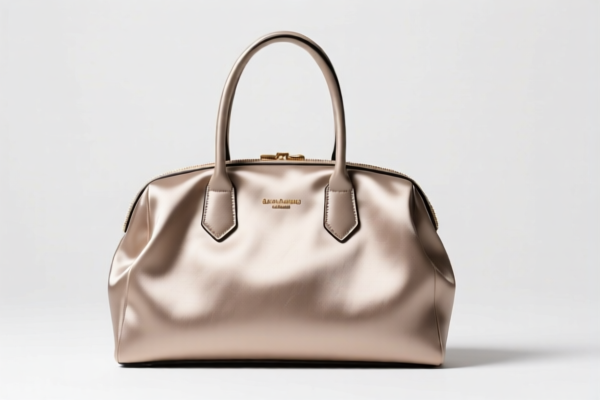
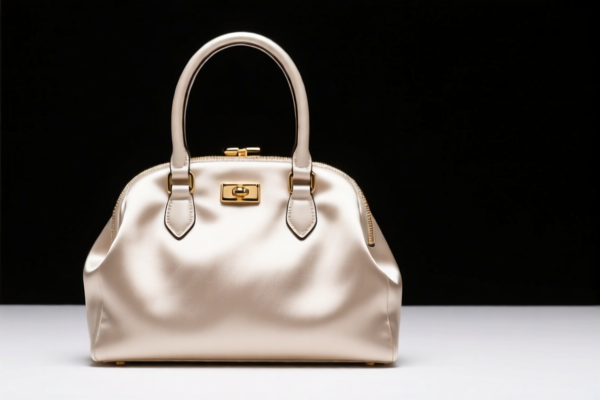
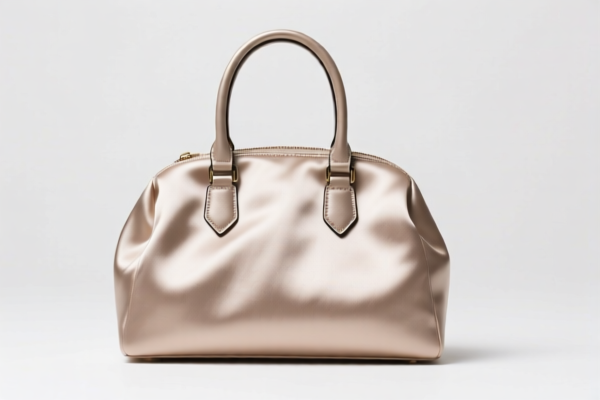
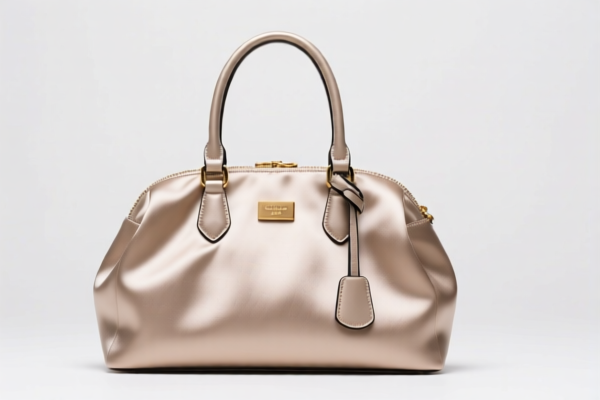
AI Analysis
👜 Silk Handbags & Vintage Accessories (Silk Handbag Vintage)
🌐 HS Code Reference & Customs Clearance Guide | 2026 Latest Tariff Analysis | Professional Clearance Strategy
📌 I. Product Definition & Classification: Do You Really Understand "Silk Handbags"?
Silk handbags, including vintage styles, are classified under Heading 42.02 in the Harmonized System (HS). The critical distinction in customs classification lies in the outer surface material. If the outer surface is textile (including silk), it falls under specific subheadings. If it contains beads or ornaments as a primary feature, specific descriptors apply.
⚠️ Key Classification Points:
- Silk Content: Must be 85% or more silk to be explicitly described as "silk" in some specific subheadings, though general textile rules apply to others.
- Material Composition: The "outer surface" determines the HS code. If the outer surface is silk (textile), it is classified as a textile bag.
- Vintage Status: "Vintage" is a descriptive term for style/age, not a material. Customs does not grant special tariff rates based on "vintage" status unless specific antiques criteria are met (which is rare for handbags). Classification remains based on material and construction.
📦 II. HS Code Classification Details (2026 Latest Tariff Authority Comparison)
Based on the provided data, here are the valid HS Codes for silk handbags and shoulder bags:
| HS Code | Product Description | Applicable Scenario | Tax Rate (Total) | Key Tax Components |
|---|---|---|---|---|
4202.22.70.00 |
Silk beaded handbag; Material: Silk, meets ≥85% silk requirement | Handbags made predominantly of silk (≥85%) with beading | 42.0% | Base: 7.0%, Section 301: 25%, Section 122: 10% |
4202.22.89.80 |
Silk beaded handbag; Outer surface material is silk, classified as textile handbag | Handbags where the outer surface is silk but doesn't meet the strict ≥85% "silk" definition for specific subheadings | 52.6% | Base: 17.6%, Section 301: 25%, Section 122: 10% |
4202.22.40.10 |
Silk shoulder bag or silk fabric beaded handbag; Material: Silk, meets textile outer surface requirement | Shoulder bags or handbags made of silk fabric (textile) | 42.4% | Base: 7.4%, Section 301: 25%, Section 122: 10% |
4202.22.70.00 |
Silk shoulder bag, shape conforms to handbag; Material: Silk | Shoulder bags that are shaped like handbags, made of silk | 42.0% | Base: 7.0%, Section 301: 25%, Section 122: 10% |
4202.22.40.10 |
Silk fabric beaded handbag; Material: Silk fabric, meets textile outer surface description | Handbags made of silk fabric (textile) with beads | 42.4% | Base: 7.4%, Section 301: 25%, Section 122: 10% |
🔍 Critical Reminder:
-4202.22.89.80has the highest tax burden (52.6%). This is because the base tariff is 17.6%, compared to 7.0%-7.4% for the others.
-4202.22.70.00and4202.22.40.10are more tax-efficient. Choose these if the product description can accurately reflect the material composition (≥85% silk or textile fabric).
- "Vintage" does not change the HS Code. A vintage silk bag is still classified by its material (silk/textile).
💰 III. 2026 Latest Tariff Rate Breakdown (Including Additional Taxes & Policy Surcharges)
✅ Applicable Country: United States (US)
✅ Country of Origin: China (CN)
✅ Effective Time: Ongoing (Section 301 & Section 122 tariffs apply)
🎯 1. 4202.22.70.00 – Silk Handbag/Shoulder Bag (≥85% Silk)
| Item | Content |
|---|---|
| Base Tariff Rate | 7.0% (ad valorem) |
| Section 301 Tariff | +25.0% (USITC Footnote 9903.88.01) |
| Section 122 Tariff | +10.0% (Section 122, 19 U.S.C. 2153) |
| Total Tariff Rate | 42.0% |
| Tax Calculation | CIF Value × 42.0% |
| De Minimis Eligibility | ❌ Not Eligible (Section 301 goods are excluded from de minimis) |
| Legal Basis Path | USITC:4202.22.70.00 → FOOTNOTE:9903.88.01 → SECTION122:19USC2153 |
📌 Explanation:
- Base Tariff (7.0%): Standard MFN rate for handbags of textile materials.
- Section 301 (25%): Additional duty on Chinese imports under U.S. Trade Act of 1974.
- Section 122 (10%): Additional duty on certain Chinese goods to address trade imbalances.
- Total 42.0%: High tariff cost. Must be factored into pricing.
🎯 2. 4202.22.89.80 – Other Silk Handbags (Textile Surface, <85% Silk or Different Subheading)
| Item | Content |
|---|---|
| Base Tariff Rate | 17.6% (ad valorem) |
| Section 301 Tariff | +25.0% |
| Section 122 Tariff | +10.0% |
| Total Tariff Rate | 52.6% |
| Tax Calculation | CIF Value × 52.6% |
| De Minimis Eligibility | ❌ Not Eligible |
| Legal Basis Path | USITC:4202.22.89.80 → FOOTNOTE:9903.88.01 → SECTION122:19USC2153 |
📌 Note:
- This code has a higher base rate (17.6%) compared to the 7.0%-7.4% rates of other codes.
- Use this only if the bag’s outer surface is silk but does not meet the specific criteria for4202.22.70.00or4202.22.40.10.
- Avoid this code if possible due to the 10.6% higher total tax burden.
🎯 3. 4202.22.40.10 – Silk Shoulder Bag/Handbag (Textile Fabric)
| Item | Content |
|---|---|
| Base Tariff Rate | 7.4% (ad valorem) |
| Section 301 Tariff | +25.0% |
| Section 122 Tariff | +10.0% |
| Total Tariff Rate | 42.4% |
| Tax Calculation | CIF Value × 42.4% |
| De Minimis Eligibility | ❌ Not Eligible |
| Legal Basis Path | USITC:4202.22.40.10 → FOOTNOTE:9903.88.01 → SECTION122:19USC2153 |
📌 Note:
- Very similar to4202.22.70.00but with a slightly higher base rate (7.4% vs 7.0%).
- Suitable for shoulder bags or handbags made of silk fabric (textile) that may not meet the ≥85% silk threshold for4202.22.70.00.
🛠️ IV. Customs Clearance Practical Advice (Real-World Pitfall Guide)
✅ 1. Document Checklist (No Exceptions)
| Document | Required | Description |
|---|---|---|
| ✅ Product Specification Sheet | ✔️ | Must detail material composition (e.g., "100% Silk", "85% Silk Lining") |
| ✅ Product Photos | ✔️ | Clear images of the bag’s exterior, interior, labels, and any beads/ornaments |
| ✅ Commercial Invoice | ✔️ | Must state "Silk Handbag" or "Silk Shoulder Bag" and include HS Code |
| ✅ Packing List | ✔️ | List contents, weights, and dimensions |
| ✅ Certificate of Origin | ✔️ | If applicable, for potential FTA benefits (though unlikely for US from China) |
| ✅ Bill of Lading/Air Waybill | ✔️ | Standard shipping documents |
✅ 2. Declaration Tips (Key Mnemonics)
🔥 "Material First, Shape Second, Description Precise, Tax Minimized!"
| Situation | Correct Declaration | Wrong Practice |
|---|---|---|
| Handbag made of ≥85% Silk | 4202.22.70.00 |
Misdeclare as "leather bag" → 52.6% or higher |
| Shoulder bag made of silk fabric | 4202.22.40.10 |
Misdeclare as "plastic bag" → Incorrect classification |
| Bag with silk outer surface but <85% silk | 4202.22.89.80 |
N/A (Use this code) |
| Vintage silk bag | 4202.22.70.00 or 4202.22.40.10 |
Use "Vintage" as material → Customs rejection |
✅ 3. Special Situations
| Situation | Handling Advice |
|---|---|
| OEM Custom Silk Bags | Provide design drawings and material composition certificates to justify HS Code |
| Beaded Silk Bags | Clearly describe "beaded" in the product name if applicable, but ensure material composition is primary |
| Mixed Material Bags | If outer surface is silk, use textile codes. If outer surface is leather, use leather codes |
| Vintage Items | No special tariff treatment. Declare as new or used based on condition, but HS Code remains the same |
🌍 V. Global Main Market Clearance Comparison (2026 Latest)
| Country/Region | Recommended HS Code | Tariff | Certification Requirements | Notes |
|---|---|---|---|---|
| 🇺🇸 USA | 4202.22.70.00 |
42.0% | None specific for silk | High tariff due to Section 301 & 122 |
| 🇨🇳 China | 4202.22.70.00 |
7.0% | None | No additional surcharges |
| 🇪🇺 EU | 4202.22.10.00 |
12.0% | CE (if applicable) | No Section 301/122 equivalents |
| 🇦🇺 Australia | 4202.22.90.00 |
5.0% | None | Lower tariffs |
| 🇯🇵 Japan | 4202.22.00.00 |
8.0% | None | Moderate tariffs |
📌 Conclusion:
- USA has the highest tariff burden (42.0%-52.6%) for silk handbags from China.
- China, EU, Australia, and Japan have significantly lower tariffs.
- Consider supply chain diversification if targeting the US market to mitigate tariff risks.
📌 VI. Common Errors & Pitfall Guide (Lessons Learned)
❌ Error 1: Using "Vintage" as the material description
👉 Consequence: Customs rejects the declaration, delays clearance
✅ Correct: "Silk Handbag, Vintage Style"
❌ Error 2: Misclassifying silk bags as leather bags
👉 Consequence: Higher tariffs (leather often has higher base rates) and penalties
✅ Correct: Accurately identify outer surface material
❌ Error 3: Not declaring Section 301 and Section 122 surcharges
👉 Consequence: Underpayment, fines, and cargo hold
✅ Correct: Include all applicable tariffs in cost calculation
❌ Error 4: Using incorrect HS Code due to vague description
👉 Consequence: Customs reclassification, higher taxes, and delays
✅ Correct: Provide detailed material composition and product photos
✅ Best Practice:
"Silk Handbag, 100% Silk Outer Surface, Beaded Detail, Model XYZ, Made in China"
🎯 VII. Conclusion: Professional Declaration, Time-Saving, Cost-Efficient!
🎯 Remember the Mnemonics:
🔹 "Material First, Shape Second, Description Precise, Tax Minimized!"
🔹 "HS Code Determines Tariff, 42% vs 52%, Choose Wisely!"
📌 Tips:
- If your silk handbags are originating from Vietnam, Mexico, Thailand, or Malaysia, you may qualify for lower or zero tariffs under USMCA or other FTAs.
- Consider Advance Ruling application to confirm HS Code before shipment.
📣 Take Action Now:
📞 Contact professional customs brokers + Provide product photos + Apply for HS Code Advance Ruling
🚀 Let your silk handbags clear customs smoothly, boost exports, and maximize profits!
✨ Professional Clearance Starts with Accurate Classification!
💼 Every cent of your cost deserves precise calculation!
Customer Reviews
About HS Code Classification
The Harmonized System (HS) is an internationally standardized nomenclature developed by the World Customs Organization (WCO) to classify traded products. Over 200 countries use the HS system as the basis for customs tariffs, trade statistics, and import/export regulations.
Each HS code follows a hierarchical structure:
- Chapter (2 digits) — Broad category of goods (e.g., Chapter 84: Machinery and Mechanical Appliances)
- Heading (4 digits) — More specific grouping within the chapter
- Subheading (6 digits) — Internationally standardized breakdown, used by all WCO member countries
- National subdivisions (8-10 digits) — Country-specific extensions for further classification, such as US HTSUS 10-digit codes
Correct HS code classification is essential for smooth customs clearance, accurate duty payment, and compliance with trade regulations. Misclassification can lead to customs delays, overpayment of duties, or penalties.
When importing from CN to US, the applicable tariff rates may include:
- Most-Favored-Nation (MFN) rate — The standard duty rate applied to WTO members
- General rate — Applied to countries without trade agreements
- Trade remedy duties — Additional tariffs such as Section 301 (anti-dumping), Section 232 (national security), or countervailing duties
The information provided on this page is for reference purposes only. For official classification, please consult with your local customs authority or a licensed customs broker.