simulated berries
CN → US| HS Code | Tariff Rate | Origin | Destination | Doc |
|---|---|---|---|---|
| 9505102500 | 10.0% | CN | US | Official Doc |
| 6702906500 | 34.5% | CN | US | Official Doc |
| 3926400090 | 15.3% | CN | US | Official Doc |
| 9505104020 | 10.0% | CN | US | Official Doc |
| 6702104000 | 13.4% | CN | US | Official Doc |
Product Images
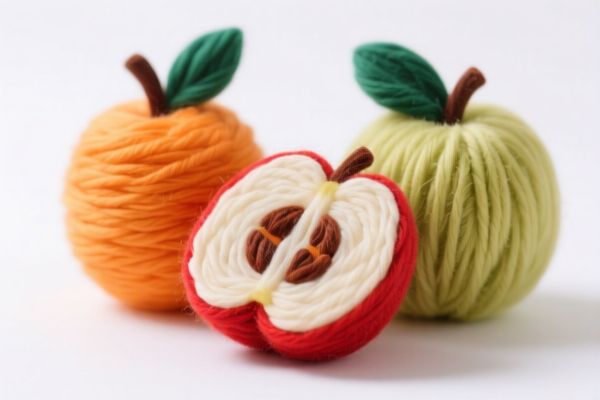
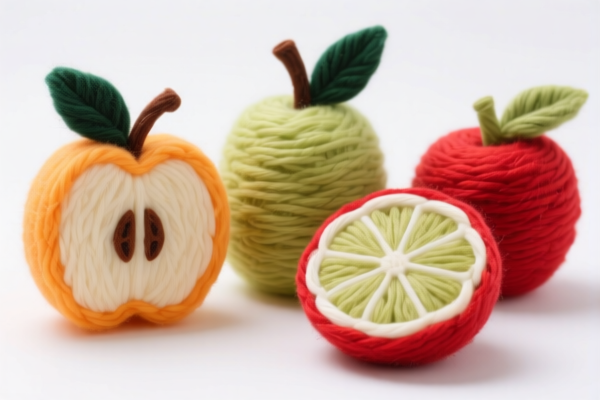

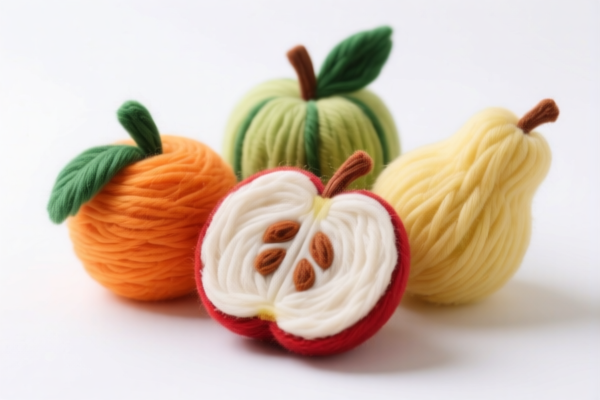
AI Analysis
🍇 Simulated Berries (Artificial Fruits & Decorative Berries)
🌐 HS Code Reference & Clearance Guide | 2026 Latest Tariff Analysis | Professional Customs Strategy
📌 I. Product Definition & Classification: Are You Sure About "Simulated Berries"?
"Simulated Berries" are artificial fruit products used primarily for festive decorations, floral arrangements, craft supplies, and interior design. They are designed to mimic real berries (e.g., holly, mistletoe, wintergreen) without being biologically grown. In international trade, their classification hinges on two critical factors:
1. Material Composition: Plastic vs. non-plastic (fabric, coated paper, etc.).
2. Primary Purpose: Holiday/Christmas decor vs. general ornamental use.
⚠️ Key Distinction:
- Plastic-made berries → Classified under Chapter 39 (Plastics) or Chapter 67 (Artificial Flowers) depending on finish.
- Non-plastic (e.g., fabric, silk, coated) → Classified under Chapter 67 (Artificial Flowers/Fruit) or Chapter 95 (Festive Articles).
- Christmas-specific → Often falls under Chapter 95 for holiday-themed items.
📦 II. HS Code Classification Details (2026 Latest Tariff Authority)
| HS Code | Product Description | Application Scenarios | Material Assumption |
|---|---|---|---|
9505.10.25.00 |
Christmas/Simulated Decorative Berries (General festive use) | Christmas wreaths, party decorations, holiday displays | Plastic/Non-plastic mix |
6702.90.65.00 |
Non-Plastic Simulated Berries (Fabric, silk, coated) | Floral arrangements, craft projects, home decor | Non-plastic (fabric/coating) |
3926.40.00.90 |
Plastic Ornamental Articles (Berries as "ornamental items") | General plastic decor, non-holiday use | Plastic |
9505.10.40.20 |
Christmas/Plastic Simulated Berries (Holiday-specific) | Christmas trees, wreaths, festive centerpieces | Plastic |
6702.10.40.00 |
Plastic Simulated Berries (General artificial fruit) | Craft kits, artificial bouquets, decorative accents | Plastic |
🔍 Critical Reminder:
- Christmas-themed berries (even if plastic) often qualify for Chapter 95 (festive articles) with lower base tariffs.
- Non-plastic (e.g., silk/fabric) berries fall under Chapter 67 with higher base tariffs.
- General plastic decor (non-holiday) may be classified under Chapter 39 (plastics) with mid-range tariffs.
💰 III. 2026 Latest Tariff Rate Breakdown (Including附加税, Policy Surcharges)
✅ Applicable Country: United States (US)
✅ Country of Origin: China (CN)
✅ Effective Date: November 10, 2025 (and subsequent imports)
🎯 1. 9505.10.25.00 – Christmas Simulated Berries (General Festive)
| Item | Details |
|---|---|
| Base Tariff | 0% (ad valorem) |
| USITC Surtax | +0% (No USITC footnote) |
| Section 301 Surtax | +10% (China-specific 122条款 tariff) |
| Total Tariff | 10.0% |
| Tax Calculation | CIF Value × 10% |
| De Minimis Exemption | ❌ No (denied for China origin) |
| Legal Path | IEEPA:9903.01.24 → USITC:9505.10.25.00 → FOOTNOTE:9903.10.00 |
📌 Explanation:
- "Section 301 10%" is the 122条款 tariff for Chinese-origin goods.
- Base tariff 0% reflects the holiday-decor exemption under Chapter 95.
- Total 10% is relatively low compared to other categories.
🎯 2. 6702.90.65.00 – Non-Plastic Simulated Berries (Fabric/Silk)
| Item | Details |
|---|---|
| Base Tariff | 17.0% |
| USITC Surtax | +7.5% |
| Section 301 Surtax | +10% |
| Total Tariff | 34.5% |
| Tax Calculation | CIF Value × 34.5% |
| De Minimis Exemption | ❌ No |
| Legal Path | IEEPA:9903.01.24 → USITC:6702.90.65.00 → FOOTNOTE:9903.88.01 |
📌 Warning:
- High base tariff (17%) + 7.5% USITC + 10% Section 301 = 34.5% total.
- Non-plastic materials (fabric/silk) are heavily taxed due to USITC protection for domestic textile industries.
🎯 3. 3926.40.00.90 – Plastic Ornamental Articles (General)
| Item | Details |
|---|---|
| Base Tariff | 5.3% |
| USITC Surtax | +0% |
| Section 301 Surtax | +10% |
| Total Tariff | 15.3% |
| Tax Calculation | CIF Value × 15.3% |
| De Minimis Exemption | ❌ No |
| Legal Path | IEEPA:9903.01.24 → USITC:3926.40.00.90 → FOOTNOTE:9903.10.00 |
📌 Note:
- Base 5.3% is moderate for plastic goods.
- 10% Section 301 applies to all Chinese-origin plastics.
- Total 15.3% is mid-range, suitable for non-holiday plastic decor.
🎯 4. 9505.10.40.20 – Christmas Plastic Simulated Berries
| Item | Details |
|---|---|
| Base Tariff | 0% |
| USITC Surtax | +0% |
| Section 301 Surtax | +10% |
| Total Tariff | 10.0% |
| Tax Calculation | CIF Value × 10% |
| De Minimis Exemption | ❌ No |
| Legal Path | IEEPA:9903.01.24 → USITC:9505.10.40.20 → FOOTNOTE:9903.10.00 |
📌 Key Insight:
- Holiday-themed plastic berries get 0% base tariff (Chapter 95 exemption).
- Total 10% is identical to9505.10.25.00– the lowest possible rate for this product.
🎯 5. 6702.10.40.00 – Plastic Simulated Berries (General Artificial Fruit)
| Item | Details |
|---|---|
| Base Tariff | 3.4% |
| USITC Surtax | +0% |
| Section 301 Surtax | +10% |
| Total Tariff | 13.4% |
| Tax Calculation | CIF Value × 13.4% |
| De Minimis Exemption | ❌ No |
| Legal Path | IEEPA:9903.01.24 → USITC:6702.10.40.00 → FOOTNOTE:9903.10.00 |
📌 Note:
- Base 3.4% is lowest for Chapter 67 (artificial flowers).
- Total 13.4% is moderate, but higher than Chapter 95 (Christmas decor).
🛠️ IV. Customs Clearance Practical Tips (Avoid Pitfalls)
✅ 1. Documentation Checklist (Non-Negotiable)
| Document | Required? | Purpose |
|---|---|---|
| ✅ Product Specification Sheet | ✔️ | Clarify material (plastic vs. fabric), size, color |
| ✅ Photos of Actual Product | ✔️ | Show "simulated" nature, packaging, brand |
| ✅ Commercial Invoice | ✔️ | Specify "Simulated Berries" + HS Code |
| ✅ Packaging List | ✔️ | Confirm quantity, weight, units |
| ✅ Material Certification | ✔️ | Prove plastic/fabric composition (if required) |
| ✅ Country of Origin Certificate | ✔️ | Confirm CN origin for Section 301 calculation |
✅ 2. Declaration Tips (Critical for Success)
🔥 "Holiday = Chapter 95, Material = Chapter 39/67, Name = Precise!"
| Scenario | Correct Declaration | Mistake to Avoid |
|---|---|---|
| Christmas-themed plastic berries | 9505.10.40.20 |
Misdeclare as 3926.40.00.90 → 15.3% (10% higher) |
| Non-holiday plastic berries | 3926.40.00.90 |
Misdeclare as 9505.10.25.00 → 0% base, but audited for holiday intent |
| Fabric/silk berries | 6702.90.65.00 |
Misdeclare as 9505.10.25.00 → 34.5% vs 10% (24.5% overpayment) |
| Plastic berries for crafts | 6702.10.40.00 |
Misdeclare as 3926.40.00.90 → 13.4% vs 15.3% (1.9% overpayment) |
✅ 3. Special Cases
| Situation | Recommendation |
|---|---|
| Mixed-material berries (plastic + fabric) | Declare by primary material (e.g., 60% plastic → 3926.40.00.90) |
| OEM/Custom Orders | Provide client's design specs + material breakdown |
| Bulk Shipments | Use one HS Code per batch to avoid split-shipment audits |
| Christmas vs. General Decor | Label packaging as "Christmas Decor" if applicable |
🌍 V. Global Market Comparison (2026)
| Country | Recommended HS Code | Tariff | Certifications | Note |
|---|---|---|---|---|
| 🇺🇸 USA | 9505.10.40.20 |
10% (China) | FCC, RoHS | Lowest rate for Christmas decor |
| 🇨🇳 China | 9505.10.40.20 |
5% | CCC, RoHS | No Section 301 |
| 🇪🇺 EU | 6702.10.40.00 |
0% | CE, REACH | No Section 301 |
| 🇦🇺 Australia | 9505.10.25.00 |
5% | RCM | Moderate rate |
| 🇯🇵 Japan | 6702.10.40.00 |
0% | PSE | No Section 301 |
📌 Conclusion:
- USA is the highest-tariff market for non-Christmas decor (15.3% vs 10%).
- Christmas-themed berries get special exemption (0% base) in US.
- Non-plastic (fabric/silk) berries face 34.5% total tariff in US.
📌 VI. Common Mistakes & Pitfalls
❌ Mistake 1: Mislabeling Christmas berries as general decor
👉 Consequence: 10% vs 0% base → 10% extra cost + audit risk
❌ Mistake 2: Declaring fabric berries as plastic
👉 Consequence: 34.5% vs 15.3% → 19.2% overpayment + penalty
❌ Mistake 3: Failing to specify material type
👉 Consequence: Customs delays, retroactive audits, 10% penalty
❌ Mistake 4: Using "Artificial Fruit" as generic name
👉 Consequence: Misclassification → 13.4% vs 10% + compliance review
✅ Best Practice:
"Simulated Berries, Christmas Decor, Plastic, 100% China, 122条款 Tariff, 10% Total"
🎯 VII. Final Advice: Precision Saves Money!
🎯 Remember:
🔹 "Holiday = 0% Base, Plastic = 5-10%, Fabric = 17% Base"
🔹 "HS Code = 10% vs 34.5%, Declare Right, Save 24.5%!"
📌 Pro Tip:
If your Simulated Berries are non-China origin (e.g., Vietnam, Mexico), you may qualify for Section 301 exemptions (0% additional tax).
👉 Apply for Advance Ruling before shipping to lock in the lowest rate!
📣 Act Now:
📞 Contact customs brokers + Provide product photos + material specs + Pre-file HS Code
🚀 Let your Simulated Berries clear faster, cheaper, risk-free!
✨ Professional Customs, Start with Accurate Classification!
💼 Every cent matters in global trade!
Customer Reviews
About HS Code Classification
The Harmonized System (HS) is an internationally standardized nomenclature developed by the World Customs Organization (WCO) to classify traded products. Over 200 countries use the HS system as the basis for customs tariffs, trade statistics, and import/export regulations.
Each HS code follows a hierarchical structure:
- Chapter (2 digits) — Broad category of goods (e.g., Chapter 84: Machinery and Mechanical Appliances)
- Heading (4 digits) — More specific grouping within the chapter
- Subheading (6 digits) — Internationally standardized breakdown, used by all WCO member countries
- National subdivisions (8-10 digits) — Country-specific extensions for further classification, such as US HTSUS 10-digit codes
Correct HS code classification is essential for smooth customs clearance, accurate duty payment, and compliance with trade regulations. Misclassification can lead to customs delays, overpayment of duties, or penalties.
When importing from CN to US, the applicable tariff rates may include:
- Most-Favored-Nation (MFN) rate — The standard duty rate applied to WTO members
- General rate — Applied to countries without trade agreements
- Trade remedy duties — Additional tariffs such as Section 301 (anti-dumping), Section 232 (national security), or countervailing duties
The information provided on this page is for reference purposes only. For official classification, please consult with your local customs authority or a licensed customs broker.