sink pad
CN → US| HS Code | Tariff Rate | Origin | Destination | Doc |
|---|---|---|---|---|
| 3924901050 | 13.3% | CN | US | Official Doc |
| 3924905650 | 20.9% | CN | US | Official Doc |
| 6307909887 | 24.5% | CN | US | Official Doc |
| 6307909885 | 24.5% | CN | US | Official Doc |
Product Images
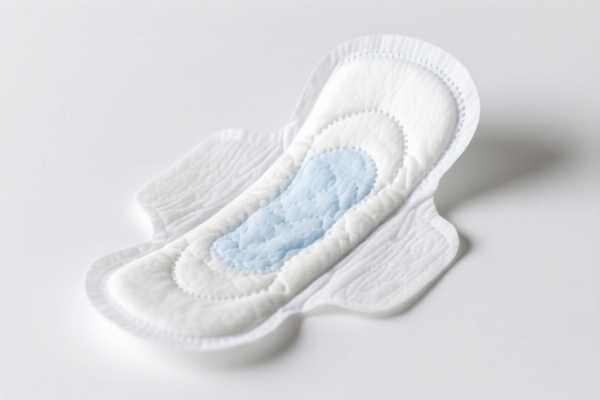
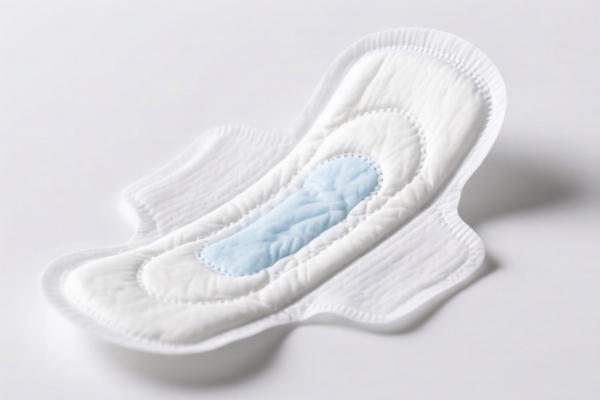
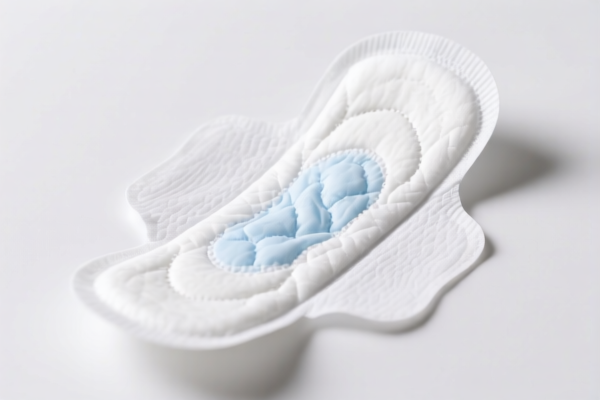
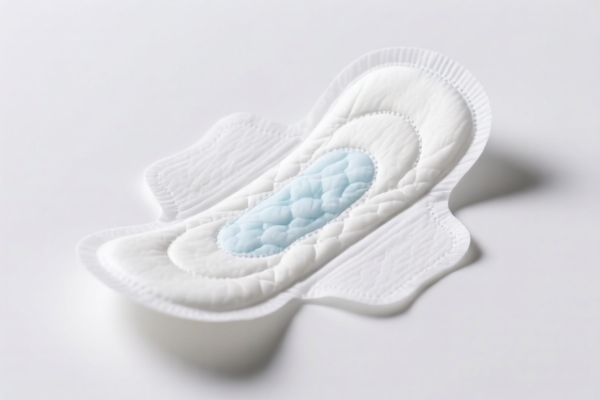
AI Analysis
🚿 Sink Pad (Kitchen Sinks & Drain Mats)
🌐 HS Code Reference & Customs Clearance Guide | 2026 Latest Tariff Analysis | Professional Compliance Strategy
📌 I. Product Definition & Classification: What Exactly is a "Sink Pad"?
A Sink Pad (often referred to as a sink liner, basin mat, or drain pad) is a protective accessory used in kitchen or utility sinks. Its primary functions are to prevent scratches on the sink surface, reduce noise from dishes, catch food debris, and protect against breakage.
In international trade, these items are strictly classified based on their material composition. The most common materials are: 1. Silicone: Flexible, heat-resistant, popular for modern kitchens. 2. Stainless Steel Mesh: Durable, allows water drainage, traditional style. 3. Rubber/Plastic: Cost-effective, basic protection. 4. Textiles (Cotton/Synthetic): Less common for direct sink contact but possible for "under-sink" pads or specialized wipes.
⚠️ Key Distinction for Customs:
- If made of Plastics (including Silicone, which is often grouped under plastics or rubber depending on specific national interpretations, but frequently falls under Chapter 39 for household articles): It likely falls under HS 3924.
- If made of Textiles (e.g., cotton mesh or fabric mats): It may fall under HS 6307 (Other made-up articles).
- Crucial Warning: Misclassification between "Household Article of Plastic" and "Textile Article" can lead to significant duty differences and clearance delays.
📦 II. HS Code Classification Details (Based on Provided Data)
Since "Sink Pad" is not a single HS code, we must map it to the most accurate descriptions found in your provided dataset.
| HS Code | Product Description | Material | Typical Use Case | Duty Rate (Total) |
|---|---|---|---|---|
| 3924.90.10.50 | Tableware, kitchenware, other household articles... of plastics: Other: Curtains, drapes, napkins, table covers, mats... | Plastic (incl. Silicone/Rubber) | Kitchen sink mats, drain pads, anti-slip mats | 0.0% |
| 3924.90.56.50 | Tableware, kitchenware, other household articles... of plastics: Other: Other Other | Plastic (Generic Plastic) | Generic plastic sink liners, non-specific plastic pads | 0.0% |
| 6307.90.98.87 | Other made up articles... of man-made fibers: Furniture movers' pads | Synthetic Fiber | Note: This is for FURNITURE pads, NOT sink pads. Misclassification risk. | 14.5% |
| 6307.90.98.85 | Other made up articles... of cotton: Furniture movers' pads | Cotton | Note: This is for FURNITURE pads. Misclassification risk. | 14.5% |
🔍 Critical Analysis:
- Best Fit for Sink Pad:3924.90.10.50is the most accurate if the sink pad is made of plastic/silicone/rubber and is used for household purposes (kitchen/bathroom). The description explicitly mentions "mats" and "household articles."
- Avoid6307.90.98.85/87: These codes are for Furniture Movers' Pads (pads used under sofa legs or chairs to prevent floor damage). Do not classify a sink pad under these codes, even if made of similar materials, as the end-use (furniture protection vs. kitchen hygiene) is fundamentally different. Misuse here could lead to audits or reclassification penalties.
💰 III. 2026 Latest Tariff Rate Breakdown (US Market Focus)
✅ Applicable Country: United States (US)
✅ Origin: China (CN) (Assumed for context; adjust if other origins)
✅ Effective Date: Current 2025-2026 Trade Policies
🎯 1. 3924.90.10.50 & 3924.90.56.50 — Plastic Household Articles (Sink Pads)
| Item | Detail |
|---|---|
| Base Tariff | 0.0% (Ad Valorem) |
| Section 301 Tariff | 0.0% (Most plastic household articles in this sub-category are exempt or have low rates compared to electronics/textiles) |
| IEEPA Surcharge | 0.0% (No additional emergency surcharge for this specific household plastic item) |
| Total Duty Rate | 0.0% |
| De Minimis Eligibility | ✅ Yes (If value ≤ $800, eligible for Section 321 de minimis exemption) |
| Legal Basis | HTSUS 3924.90.10.50 / 3924.90.56.50 |
📌 Explanation:
- These codes benefit from zero tariffs in the US.
- Strategic Advantage: This is one of the most favorable HS codes for kitchen accessories.
- Warning: Ensure the product is indeed plastic/silicone. If it contains >5% textile components by weight, customs may reclassify it to a textile category with higher duties.
❌ Why NOT 6307.90.98.85/87?
| Item | Detail |
|---|---|
| Base Tariff | 7.0% |
| Section 301 Tariff | 7.5% |
| Total Duty Rate | 14.5% |
| Product Mismatch | These are for Furniture Movers' Pads, not sink pads. |
| Risk | High risk of Misdeclaration. If audited, you may face penalties + back duties. |
🛠️ IV. Customs Clearance Practical Advice (Real-World Pitfall Guide)
✅ 1. Documentation Checklist (Non-Negotiable)
| Document | Must Provide | Purpose |
|---|---|---|
| ✅ Product Photos | ✔️ | Show the pad in use (in sink) to prove it's a sink liner, not a furniture pad. |
| ✅ Material Composition | ✔️ | Clearly state: "100% Food-Grade Silicone" or "Plastic PP". No mixed textiles if aiming for 0% duty. |
| ✅ Commercial Invoice | ✔️ | Description: "Plastic Sink Liner Mat for Kitchen Use" — NOT "Furniture Pad" or "Cleaning Cloth". |
| ✅ FCC/RoHS (if applicable) | ✔️ | For silicone/plastic products, RoHS may be required for electronic-adjacent claims, but mostly FDA/LFGB for food contact. |
| ✅ FDA Compliance | ✔️ | Critical: Since it touches food/water in a kitchen, it must comply with FDA 21 CFR for food-contact surfaces. |
✅ 2. Declaration Tips (Key Phrases)
🔥 “Be Specific: Plastic Sink Liner, Not Furniture Pad!”
| Scenario | Correct Declaration | Wrong Declaration |
|---|---|---|
| Silicone Sink Pad | 3924.90.10.50 - "Silicone Kitchen Sink Liner Mat" |
"Rubber Pad" or "Furniture Mat" |
| Plastic Drain Pad | 3924.90.56.50 - "Plastic Basin Drain Pad" |
"Cleaning Tool" |
| Textile Sink Mat | Re-evaluate Code (May fall under 6307.90.98.90 or other textile codes) |
3924.90.10.50 (Misclassification if >5% textile) |
✅ 3. Special Considerations
| Issue | Solution |
|---|---|
| Food Contact Safety | Ensure FDA Compliance. US Customs and Border Protection (CBP) may request proof of food-safe materials. Non-compliance = Seizure. |
| Mixed Materials | If the pad has a fabric top layer and plastic base, the "essential character" rule applies. If fabric is dominant, it may be classified as textile. Aim for 100% plastic/silicone for 0% duty. |
| Branding | If branded, ensure the brand is registered. No impact on HS code, but important for IP compliance. |
🌍 V. Global Market Comparison (2026)
| Region | Recommended HS Code | Duty Rate | Key Requirement |
|---|---|---|---|
| 🇺🇸 USA | 3924.90.10.50 |
0.0% | FDA Food-Contact Compliance |
| 🇪🇺 EU | 3924.90 |
~3-5% | LFGB/Food-Contact Compliance |
| 🇨🇳 China | 3924.90 |
~5-7% | GB Standards for Food Contact |
| 🇬🇧 UK | 3924.90 |
~5% | UKCA Marking |
📌 Conclusion:
The US is the most favorable market for plastic sink pads due to 0% duty.
Europe and China have higher base duties but no Section 301/retaliatory tariffs.
📌 VI. Common Errors & Pitfalls (Learn from Others' Mistakes)
❌ Error 1: Classifying a Silicone Sink Pad as a "Kitchen Utensil" under 8215 (Metal cutlery)
👉 Result: Rejection. Silicone is plastic, not metal.
❌ Error 2: Using 6307.90.98.85 (Cotton Furniture Pad) for a Cotton Sink Mat
👉 Result: 14.5% Duty + Audit. The end-use is wrong. Use textile codes for textiles, not furniture codes.
❌ Error 3: Failing to declare FDA Compliance for food-contact silicone pads
👉 Result: Seizure by FDA/CBP. Even with 0% duty, unsafe products are blocked.
❌ Error 4: Calling it "Sink Cleaning Cloth" in the invoice
👉 Result: CBP may classify it as a textile (6307.90.98.90), leading to higher duties and delays. Be precise: "Sink Liner Mat".
✅ Correct Declaration Example:
"Plastic Sink Liner Mat, Food-Grade Silicone, 3924.90.10.50, FDA Compliant, 12x16 inches"
🎯 VII. Conclusion: Smart Classification, Zero Duty, Safe Clearance
🎯 Key Takeaways:
🔹 "Plastic Sink Pads = 0% Duty" (Code
3924.90.10.50)
🔹 "Textile Sink Pads = Higher Duty" (Avoid if possible; use correct textile codes)
🔹 "Never Use Furniture Pads Codes for Sink Pads" (Avoid6307.90.98.85/87)
🔹 "FDA Compliance is Mandatory" (For food-contact silicone/plastic)
📌 Pro Tip:
If your sink pad is 100% Silicone (which is a plastic polymer), ensure your supplier provides a Material Declaration stating "100% Silicone, No Textile Components." This locks in the 0% US duty rate and prevents CBP from questioning the classification.
📣 Action Step:
📞 Contact your customs broker with the product sample and material certificate.
📝 Request a Binding Ruling from CBP if importing large volumes, to guarantee the3924.90.10.50classification.
🚀 Clearance Speed: High (0% duty + no quota + FDA pre-clearance).
✨ Smart Trade, Smooth Customs!
💼 Your sink pad, your profit — keep it at 0% duty!
Customer Reviews
About HS Code Classification
The Harmonized System (HS) is an internationally standardized nomenclature developed by the World Customs Organization (WCO) to classify traded products. Over 200 countries use the HS system as the basis for customs tariffs, trade statistics, and import/export regulations.
Each HS code follows a hierarchical structure:
- Chapter (2 digits) — Broad category of goods (e.g., Chapter 84: Machinery and Mechanical Appliances)
- Heading (4 digits) — More specific grouping within the chapter
- Subheading (6 digits) — Internationally standardized breakdown, used by all WCO member countries
- National subdivisions (8-10 digits) — Country-specific extensions for further classification, such as US HTSUS 10-digit codes
Correct HS code classification is essential for smooth customs clearance, accurate duty payment, and compliance with trade regulations. Misclassification can lead to customs delays, overpayment of duties, or penalties.
When importing from CN to US, the applicable tariff rates may include:
- Most-Favored-Nation (MFN) rate — The standard duty rate applied to WTO members
- General rate — Applied to countries without trade agreements
- Trade remedy duties — Additional tariffs such as Section 301 (anti-dumping), Section 232 (national security), or countervailing duties
The information provided on this page is for reference purposes only. For official classification, please consult with your local customs authority or a licensed customs broker.