ski pants
CN → US| HS Code | Tariff Rate | Origin | Destination | Doc |
|---|---|---|---|---|
| 6211201525 | 24.6% | CN | US | Official Doc |
| 6112201060 | 45.7% | CN | US | Official Doc |
| 6112201090 | 45.7% | CN | US | Official Doc |
| 6112201070 | 45.7% | CN | US | Official Doc |
| 6211201525 | 24.6% | CN | US | Official Doc |
Product Images
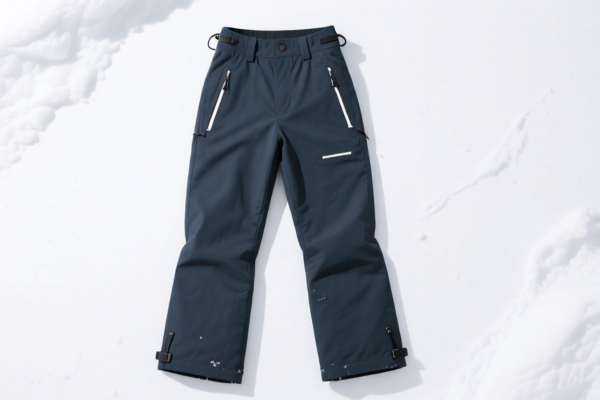
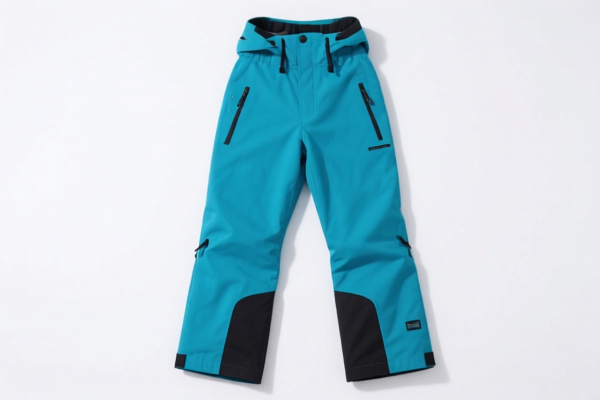
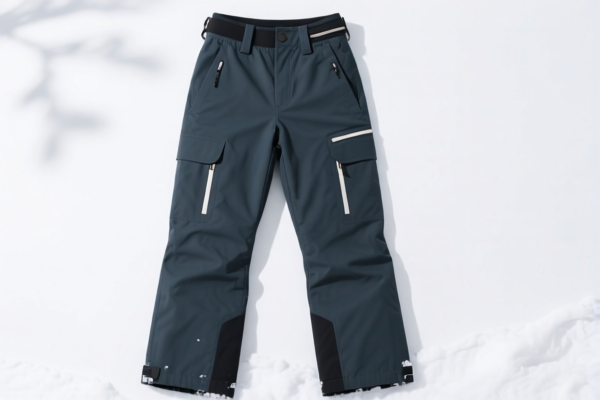
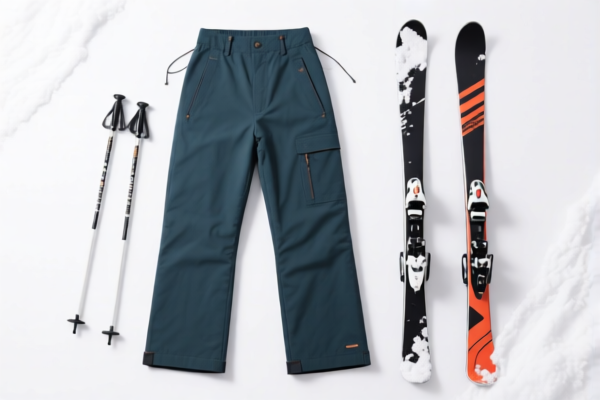
AI Analysis
❄️ Ski Pants (Snow Trousers)
🌐 HS Code Reference & Customs Clearance Guide | 2026 Latest Tariff Analysis | Professional-Level Strategy for Winter Sportswear
📌 1. Product Definition & Classification: Do You Really Know "Ski Pants"?
Ski pants, also known as snow trousers or snow pants, are specialized outerwear designed for winter sports, particularly skiing and snowboarding. In international trade, they are primarily classified based on two factors: fabric composition (cotton vs. synthetic/man-made) and manufacturing method (knitted vs. woven).
Woven Ski Pants (Non-Knitted): Typically made from nylon, polyester, or other synthetic fabrics with waterproof/breathable membranes. These fall under Chapter 62.
Knitted Ski Pants (Knitted): Made from elastic synthetic fibers (like spandex blends) or man-made fabrics. These fall under Chapter 61.
⚠️ Critical Distinction Point:
- If the pants are woven (non-knitted) and made of non-cotton materials (e.g., nylon, polyester), they are classified under 6211.20.
- If the pants are knitted or crocheted and made of man-made fibers (synthetic), they are classified under 6112.20.
- Material Assumption: Since most technical ski pants are made of synthetic/waterproof materials (non-cotton), the primary differentiation lies in the weave structure.
📦 2. HS Code Classification Details (2026 Latest Tariff Authority Comparison)
| HS Code | Product Description | Applicable Scenario | Material/Type | Total Tax Rate |
|---|---|---|---|---|
6211.20.15.25 |
Woven trousers, ski pants, made of other textile materials (Non-Cotton) | Technical ski pants, waterproof woven fabrics | ❌ Non-Cotton (Woven) | 24.6% |
6112.20.10.60 |
Knitted ski pants, of man-made fibers | Elastic ski pants, synthetic knit fabric | ✅ Man-Made (Knitted) | 45.7% |
6112.20.10.90 |
Knitted ski pants, of man-made fibers (Other) | General synthetic knit ski wear | ✅ Man-Made (Knitted) | 45.7% |
6112.20.10.70 |
Knitted ski pants, of man-made fibers (Specific Synthetic) | Standard synthetic knit ski pants | ✅ Man-Made (Knitted) | 45.7% |
🔍 Key Reminder:
- Woven vs. Knitted: This is the most common error. Woven (like a jacket fabric) →6211...; Knitted (like a t-shirt fabric) →6112....
- Cotton vs. Synthetic: If the pants are cotton-based, they fall under different subheadings. However, most modern ski pants are non-cotton (synthetic/waterproof), leading to the codes above.
- Tax Impact: The tax rate difference is massive (24.6% vs. 45.7%). Misclassification can lead to significant duty underpayment and penalties.
💰 3. 2026 Latest Tariff Rate Breakdown (Including Additional Taxes)
✅ Applicable Country: United States (US)
✅ Origin: China (CN)
✅ Effective Date: November 10, 2025 onwards (including subsequent imports)
🎯 1. 6211.20.15.25 — Woven Ski Pants (Non-Cotton)
| Item | Content |
|---|---|
| Base Tariff | 7.1% |
| Section 301 Tariff | +7.5% (Additional tariff from Section 301) |
| IEEPA Tariff | +10% (Against China/HK products, effective Nov 10, 2025) |
| Total Tax Rate | 24.6% |
| Tax Calculation | CIF Value × 24.6% |
| De Minimis Eligibility | ❌ No (deny_de_minimis) |
| Legal Basis Path | IEEPA:9903.01.25 → USITC:6211.20.15.25 → FOOTNOTE:301 |
📌 Explanation:
- "Base 7.1%": Standard Most Favored Nation (MFN) rate for woven ski pants.
- "Section 301 7.5%": Additional tariff imposed on specific Chinese goods.
- "IEEPA 10%": New 2025 tariff under the International Emergency Economic Powers Act targeting Chinese imports.
- Total 24.6%: This is the maximum liability for non-cotton woven ski pants. It is high but significantly lower than knitted alternatives.
🎯 2. 6112.20.10.60 / 6112.20.10.90 / 6112.20.10.70 — Knitted Ski Pants (Man-Made Fibers)
| Item | Content |
|---|---|
| Base Tariff | 28.2% |
| Section 301 Tariff | +7.5% |
| IEEPA Tariff | +10% |
| Total Tax Rate | 45.7% |
| Tax Calculation | CIF Value × 45.7% |
| De Minimis Eligibility | ❌ No (deny_de_minimis) |
| Legal Basis Path | IEEPA:9903.01.24 → USITC:6112.20.10.xx → FOOTNOTE:301 |
📌 Explanation:
- "Base 28.2%": Standard MFN rate for knitted ski pants made of man-made fibers. This is much higher than woven pants.
- "Section 301 7.5%" & "IEEPA 10%": Same additional tariffs as above.
- Total 45.7%: This is an extremely high tariff rate.
- Critical Warning: If your product is actually woven but declared as knitted (or vice versa), you risk severe penalties. Always confirm the fabric structure.
🛠️ 4. Customs Clearance Practical Advice (Real-World Pitfall Avoidance Guide)
✅ 1. Required Documentation Checklist (No Exceptions)
| Document | Must Provide | Description |
|---|---|---|
| ✅ Product Specification Sheet | ✔️ | Must detail: Fabric type (Woven/Knitted), Composition (e.g., 100% Polyester), Waterproof Rating, Zipper type. |
| ✅ Fabric Swatch/Weave Photo | ✔️ | Crucial: Clear close-up showing if the fabric is woven (grid pattern) or knitted (looped pattern). This determines Chapter 61 vs. 62. |
| ✅ Product Photos (with Tags) | ✔️ | Show label, model number, brand, and care instructions (which often state material). |
| ✅ Commercial Invoice | ✔️ | Must explicitly state "Ski Pants" and specify "Woven" or "Knitted" and "Non-Cotton". |
| ✅ Packing List | ✔️ | Detail quantities, weights, and dimensions. |
| ✅ Certificate of Origin | ✔️ | If applicable for preferential rates (though unlikely for China under current tariffs). |
✅ 2. Declaration Strategy (Key Mnemonics)
🔥 "Woven = 24.6%, Knitted = 45.7%! Check Weave First!"
| Scenario | Correct Declaration | Wrong Practice |
|---|---|---|
| Woven Ski Pants (e.g., Nylon Shell) | 6211.20.15.25 |
Misdeclare as Knitted → Underpay Tax (Audit Risk!) |
| Knitted Ski Pants (e.g., Synthetic Jersey) | 6112.20.10.xx |
Misdeclare as Woven → Underpay Tax (Audit Risk!) |
| Cotton Ski Pants | Different HS Code (Not in Data) | Use 6211.20.15.25 → Wrong Material Declaration |
| Mixed Package (Jacket + Pants) | Split Declaration | Combine into one line item → Valuation Issues |
✅ 3. Special Case Handling
| Scenario | Handling Advice |
|---|---|
| OEM Custom Ski Pants | Provide customer PO + design specs. Ensure fabric description matches the HS code logic (Woven/Knitted). |
| Waterproof Membrane Pants | Still classified by fabric structure. If woven, use 6211.... If knitted, use 6112.... |
| Children’s Ski Pants | Same classification logic applies. Age does not change the HS Code for sportswear. |
| Accessories (Gaiters, etc.) | Declare separately. Do not mix with main ski pants if value is significant. |
🌍 5. Global Market Clearance Comparison (2026 Latest)
| Country/Region | Recommended HS Code | Tariff (China Origin) | Certification | Notes |
|---|---|---|---|---|
| 🇺🇸 USA | 6211.20.15.25 (Woven) |
24.6% | None (Standard) | High tariff due to IEEPA + 301. |
| 🇺🇸 USA | 6112.20.10.xx (Knitted) |
45.7% | None (Standard) | Very high tariff. Avoid if possible. |
| 🇨🇳 China | 6211.20.15.25 |
5-10% | CCC (if applicable) | No additional US-style tariffs. |
| 🇪🇺 EU | 6211.42.10 |
12% | CE (if safety gear) | Different subheading structure. |
| 🇨🇦 Canada | 6211.33.00 |
16% | None | FTA may reduce rates for Canadian goods. |
📌 Conclusion:
- USA is the most expensive market for Chinese-made ski pants due to IEEPA 10% + Section 301 7.5% on top of base rates.
- Woven pants (24.6%) are significantly more tariff-efficient than Knitted pants (45.7%).
- Fabric structure confirmation is critical before shipment.
📌 6. Common Mistakes & Pitfall Guide (Blood Tears Lessons)
❌ Mistake 1: Assuming all ski pants are the same HS Code
👉 Consequence: If you declare 6211 for knitted pants, you underpay tax by 21.1%. CBP will assess Back Duties + Penalties.
❌ Mistake 2: Ignoring the "Non-Cotton" Requirement
👉 Consequence: If pants are cotton, 6211.20.15.25 is incorrect. You must use a cotton-specific subheading (e.g., 6211.33). Misdeclaration leads to seizure.
❌ Mistake 3: Failing to Specify "Woven" vs. "Knitted" on Invoice
👉 Consequence: Customs cannot verify the correct rate. They may apply the highest possible rate or hold goods for additional inspection.
❌ Mistake 4: Combining Ski Pants with Jackets in One Line Item
👉 Consequence: Different HS codes require separate line items. Combining them can lead to valuation disputes and duty miscalculation.
✅ Correct Practice:
"Woven Ski Pants, 100% Polyester, Waterproof, Model XYZ, Made in China"
HS Code:6211.20.15.25
Declared Value: CIF $10,000
Duty Due: $2,460 (24.6%)
🎯 7. Conclusion: Professional Declaration, Save Money, Speed Up Clearance!
🎯 Remember the Mnemonic:
🔹 "Woven = 24.6%, Knitted = 45.7%! Check Weave First!"
🔹 "Non-Cotton is Key, IEEPA 10% is Real, 301 7.5% Adds Pain!"
🔹 "HS Code Saves Money, Misclassification Costs Millions!"
📌 Pro Tip:
If your ski pants are originally manufactured in Vietnam, Mexico, or Thailand, you may qualify for IEEPA Exemptions or FTAs, reducing taxes to 0%~5%.
Recommendation: Apply for Advance Ruling from CBP before shipping to confirm the HS Code and avoid customs delays.
📣 Immediate Action:
📞 Contact a Professional Customs Broker + Provide Fabric Swatch Photos + Apply for HS Code Advance Ruling
🚀 Let your ski pants clear customs smoothly, reduce costs, and maximize profits!
✨ Professional Clearance Starts with Precise Classification!
💼 Every Penny of Cost Deserves Precise Calculation!
Customer Reviews
About HS Code Classification
The Harmonized System (HS) is an internationally standardized nomenclature developed by the World Customs Organization (WCO) to classify traded products. Over 200 countries use the HS system as the basis for customs tariffs, trade statistics, and import/export regulations.
Each HS code follows a hierarchical structure:
- Chapter (2 digits) — Broad category of goods (e.g., Chapter 84: Machinery and Mechanical Appliances)
- Heading (4 digits) — More specific grouping within the chapter
- Subheading (6 digits) — Internationally standardized breakdown, used by all WCO member countries
- National subdivisions (8-10 digits) — Country-specific extensions for further classification, such as US HTSUS 10-digit codes
Correct HS code classification is essential for smooth customs clearance, accurate duty payment, and compliance with trade regulations. Misclassification can lead to customs delays, overpayment of duties, or penalties.
When importing from CN to US, the applicable tariff rates may include:
- Most-Favored-Nation (MFN) rate — The standard duty rate applied to WTO members
- General rate — Applied to countries without trade agreements
- Trade remedy duties — Additional tariffs such as Section 301 (anti-dumping), Section 232 (national security), or countervailing duties
The information provided on this page is for reference purposes only. For official classification, please consult with your local customs authority or a licensed customs broker.