sleep pillow
CN → US| HS Code | Tariff Rate | Origin | Destination | Doc |
|---|---|---|---|---|
| 3926909989 | 22.8% | CN | US | Official Doc |
| 4016990500 | 20.9% | CN | US | Official Doc |
| 9404902030 | 23.5% | CN | US | Official Doc |
| 9404902090 | 23.5% | CN | US | Official Doc |
| 6302100005 | 23.5% | CN | US | Official Doc |
| 9404901060 | 22.8% | CN | US | Official Doc |
Product Images


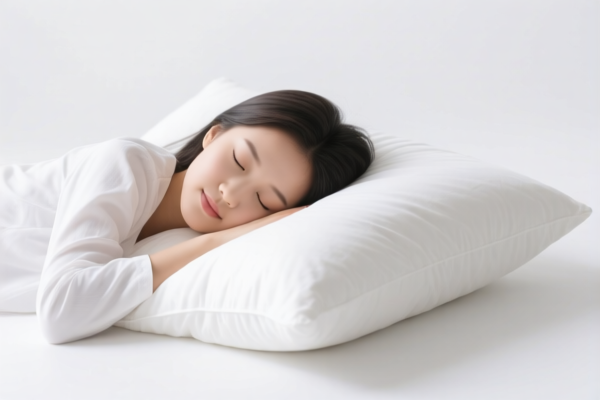
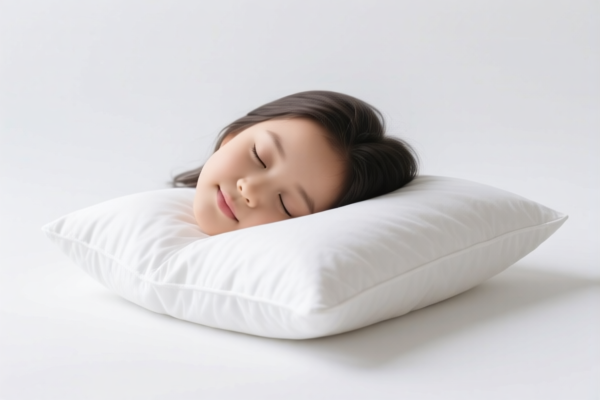
AI Analysis
🛌 Sleep Pillow (The Ultimate Guide to HS Classification & Duty Optimization)
🌐 HS Code Reference & Customs Clearance Guide | 2026 Latest Tariff Analysis | Professional Clearance Strategy
📌 Part I: Product Definition & Classification – Do You Really Understand “Sleep Pillows”?
The Sleep Pillow is a critical sleep aid used in households, hotels, and healthcare settings. In international trade, its classification depends heavily on material composition (silicone, fabric, filling) and primary function (sleeping aid vs. household textile). Misclassification can lead to significant duty discrepancies and customs delays.
⚠️ Key Distinction Points:
- Silicone/Elastomer Pillows: Classified as rubber/plastic products if the structure is non-fabric based → HS 3926 / 4016
- Fabric/Textile Pillows: Classified as bedding items (filled or unfilled) → HS 9404 / 6302
- Customs Warning: Do not mix “filling materials” with “outer casing” without proper primary use justification.
📦 Part II: HS Code Classification Details (2026 Latest Tariff Authority)
| HS Code | Product Description | Application Scenario | Material Basis |
|---|---|---|---|
3926.90.99.89 |
Other articles of plastics: Silicone pillow (plastic-based) | Silicone gel pillows, non-fabric wrapped | Plastic/Resin (Silicone) |
4016.99.05.00 |
Other articles of rubber: Silicone pillow (rubber-based) | Vulcanized rubber/elastic body pillows | Rubber/Elastomer |
9404.90.20.30 |
Other bedding articles: Pillow with silicone/polymer filling | Sleep pillow with specific polymer filling | Filling: Silicone/Polymer |
9404.90.20.90 |
Other bedding articles: Pillow (other than cotton/synthetic fiber filling) | Sleep pillow with mixed/non-cotton filling | Filling: Non-cotton |
6302.10.00.05 |
Bed linen: Cotton pillowcase | Only the cover (not the whole pillow), cotton material | Textile (Cotton) |
9404.90.10.60 |
Other bedding articles: Bed pillow (textile/cotton fiber) | Standard textile-based sleep pillow | Material: Cotton/Textile |
🔍 Important Note:
- If the product is entirely silicone/elastomer without fabric covering, consider 3926 or 4016.
- If the product is a complete pillow (cover + filling) made of textiles, it generally falls under 9404.90.10.60.
- If the product is just a pillowcase (empty), it falls under 6302.10.00.05 (if cotton).
- Silicone-filled pillows often fall under 9404.90.20.x because they are “bedding articles” with specific filling types.
💰 Part III: 2026 Latest Tariff Rate Breakdown (Including Additional Duties)
✅ Applicable Country: USA (US)
✅ Origin: China (CN)
✅ Effective Date: Current rates include Section 301 and 122 tariffs.
🎯 1. 3926.90.99.89 —— Silicone Pillow (Plastic-Based)
| Item | Content |
|---|---|
| Base Duty Rate | 5.3% (ad valorem) |
| Section 301 Additional Tariff | +7.5% |
| Section 122 Tariff (China) | +10% |
| Total Tax Rate | 22.8% |
| Tax Calculation | CIF Value × 22.8% |
| De Minimis Exemption | ❌ Not Applicable (For products subject to Section 122/301, de minimis usually does not apply if total value exceeds thresholds or is deemed restricted) |
| Legal Basis | HTSUS 3926.90.99.89 → USITC Note → Section 301 & 122 Footnotes |
📌 Explanation:
- Silicone is often classified under Chapter 39 (Plastics) if not vulcanized rubber.
- 22.8% is the total effective duty.
- High scrutiny due to material ambiguity (Plastic vs. Rubber).
🎯 2. 4016.99.05.00 —— Silicone Pillow (Rubber/Elastomer-Based)
| Item | Content |
|---|---|
| Base Duty Rate | 3.4% (ad valorem) |
| Section 301 Additional Tariff | +7.5% |
| Section 122 Tariff (China) | +10% |
| Total Tax Rate | 20.9% |
| Tax Calculation | CIF Value × 20.9% |
| De Minimis Exemption | ❌ Not Applicable |
| Legal Basis | HTSUS 4016.99.05.00 → USITC Note → Section 301 & 122 Footnotes |
📌 Explanation:
- If the silicone is vulcanized rubber or elastomer, it falls under Chapter 40.
- 20.9% is slightly lower than plastic-based classification due to lower base duty.
- Critical: You must provide material test reports to prove it is “vulcanized elastomer” to qualify for this lower rate.
🎯 3. 9404.90.20.30 & 9404.90.20.90 —— Pillow with Silicone/Polymer Filling
| Item | Content |
|---|---|
| Base Duty Rate | 6.0% (ad valorem) |
| Section 301 Additional Tariff | +7.5% |
| Section 122 Tariff (China) | +10% |
| Total Tax Rate | 23.5% |
| Tax Calculation | CIF Value × 23.5% |
| De Minimis Exemption | ❌ Not Applicable |
| Legal Basis | HTSUS 9404.90.20.x → USITC Note → Section 301 & 122 Footnotes |
📌 Explanation:
- These codes are for bedding articles (pillows) where the filling is silicone or polymer.
- Even though the filling is “tech material,” the product is still considered a “pillow” (bedding).
- 23.5% is the highest among silicone-related codes. Avoid this if you can justify Chapter 39 or 40.
🎯 4. 6302.10.00.05 —— Cotton Pillowcase (Unfilled)
| Item | Content |
|---|---|
| Base Duty Rate | 6.0% (ad valorem) |
| Section 301 Additional Tariff | +7.5% |
| Section 122 Tariff (China) | +10% |
| Total Tax Rate | 23.5% |
| Tax Calculation | CIF Value × 23.5% |
| De Minimis Exemption | ❌ Not Applicable |
| Legal Basis | HTSUS 6302.10.00.05 → USITC Note → Section 301 & 122 Footnotes |
📌 Explanation:
- Only for pillowcases (empty fabric covers), not complete pillows.
- If you ship a complete pillow but declare it as a “pillowcase,” this is customs fraud.
- Rate is same as filled pillows because of high base duty for textiles.
🎯 5. 9404.90.10.60 —— Textile/Cotton Pillow (Standard Sleep Pillow)
| Item | Content |
|---|---|
| Base Duty Rate | 5.3% (ad valorem) |
| Section 301 Additional Tariff | +7.5% |
| > Section 122 Tariff (China) | +10% |
| Total Tax Rate | 22.8% |
| Tax Calculation | CIF Value × 22.8% |
| De Minimis Exemption | ❌ Not Applicable |
| Legal Basis | HTSUS 9404.90.10.60 → USITC Note → Section 301 & 122 Footnotes |
📌 Explanation:
- This is the most common code for standard sleep pillows with cotton/textile covers and synthetic or natural fiber filling.
- 22.8% is competitive compared to silicone-specific codes if the pillow is not 100% silicone structure.
🛠️ Part IV: Customs Clearance Practical Advice (Avoid Pitfalls)
✅ 1. Documentation Checklist (Essential for Clearance)
| Document | Required | Purpose |
|---|---|---|
| ✅ Product Specifications | ✔️ | Detail material (silicone grade, cotton %, filling type) |
| ✅ Material Test Report | ✔️ | Proves if silicone is “plastic” (3926) or “rubber” (4016) |
| ✅ Product Photos | ✔️ | Show full pillow, tags, labels, and packaging |
| ✅ Commercial Invoice | ✔️ | Clearly state “Sleep Pillow” or “Pillowcase” – Never mix |
| ✅ Packing List | ✔️ | Confirm quantity and weight |
| ✅ FCC/CE/RoHS Certificates | ✔️ | If silicone contains electronic components (rare for basic pillows) |
| ✅ Certificate of Origin (CO) | ✔️ | To verify China origin for Section 122/301 application |
✅ 2. Declaration Tips (Key Strategy)
🔥 “Material Defines Code, Function Defines Chapter!”
| Scenario | Correct Declaration | Wrong Declaration |
|---|---|---|
| 100% Silicone Gel Pillow (no fabric) | 4016.99.05.00 (Rubber) or 3926.90.99.89 (Plastic) |
“Pillow” → 9404 → Higher tax + Risk of misclassification |
| Standard Cotton Pillow | 9404.90.10.60 |
“Silicone Pillow” → Wrong material claim |
| Empty Cotton Pillowcase | 6302.10.00.05 |
“Pillow” → Wrong product type |
| Silicone-Filled Pillow (with fabric cover) | 9404.90.20.30 or 9404.90.20.90 |
4016 → Risk of rejection (not a rubber article) |
📌 Critical Rule:
- If the product is primarily used as a sleep aid and has a textile cover, it is a bedding article (9404), even if the filling is silicone.
- Only if the product is bare silicone structure (like a massage mat or non-fabric ergonomic support) should you consider 3926 or 4016.
✅ 3. Special Cases
| Scenario | Handling Advice |
|---|---|
| Hybrid Material (Silicone core + Fabric cover) | Declare as 9404.90.20.x (Bedding article with specific filling). Provide material breakdown. |
| OEM Custom Pillow | Provide design specs to justify primary use. Avoid “generic” terms. |
| Small Sample Shipments | Even if under $800 (de minimis), Section 122 tariffs may still apply for Chinese goods. Check current CBP enforcement on Section 122. |
| Multimaterial Packaging | Do not split the shipment. Declare as one item with correct HS code. |
🌍 Part V: Global Market Comparison (2026)
| Country/Region | Recommended HS Code | Duty Rate (China Origin) | Certification | Note |
|---|---|---|---|---|
| 🇺🇸 USA | 4016.99.05.00 (Rubber) |
20.9% | CPC (Consumer Product Safety) | Lowest duty for silicone pillows if vulcanized |
| 🇺🇸 USA | 9404.90.10.60 (Textile) |
22.8% | CPC | Standard for cotton pillows |
| 🇨🇳 China | 4016.99.05.00 |
5% | CCC (if applicable) | Low base duty |
| 🇪🇺 EU | 9404.90.90 |
3-5% | REACH, OEKO-TEX | No Section 301/122 |
| 🇬🇧 UK | 9404.90.90 |
3% | UKCA | Post-Brexit rules apply |
📌 Conclusion:
- USA imposes the highest effective duties due to Section 301 (7.5%) and Section 122 (10%).
- Classification as Rubber (4016) offers the lowest duty (20.9%) for silicone pillows.
- Classification as Bedding (9404) is safer for fabric-covered pillows but at 22.8-23.5%.
📌 Part VI: Common Errors & Pitfalls (Lessons Learned)
❌ Error 1: Declaring a fabric-covered silicone pillow as 4016.99.05.00 (Rubber Article)
👉 Consequence: Customs may reject it because it’s a “pillow” (bedding), not a “rubber article.” Penalty: Delay + Re-classification to 9404 (23.5%).
❌ Error 2: Declaring a bare silicone pillow as 9404.90.10.60 (Cotton Pillow)
👉 Consequence: Material mismatch. Customs will demand proof. Penalty: Fine + Audit.
❌ Error 3: Ignoring Section 122 (10% tariff) for Chinese goods
👉 Consequence: Unexpected 10% surcharge at customs. Budget accordingly.
❌ Error 4: Using “Pillow” as a generic description without material detail
👉 Consequence: Customs cannot determine correct HS code. Penalty: Hold for inspection.
✅ Correct Practice:
“Ergonomic Sleep Pillow, Core: Vulcanized Silicone Elastomer, Cover: Cotton Blend, Certified OEKO-TEX”
→ Use4016.99.05.00if core is dominant rubber; otherwise use9404.90.20.30.
🎯 Part VII: Conclusion – Smart Classification, Lower Costs!
🎯 Remember the Golden Rule:
🔹 “Silicone Core + No Fabric = Rubber/Plastic (20.9-22.8%)”
🔹 “Silicone Core + Fabric = Bedding Article (23.5%)”
🔹 “Cotton Pillow = Bedding Article (22.8%)”
🔹 “Pillowcase Only = Textile (23.5%)”🔹 “HS Code Determines Duty, Material Determines Code!”
📌 Pro Tip:
- If your product is 100% silicone and you can prove it is vulcanized rubber, always aim for 4016.99.05.00 (20.9%).
- For fabric-covered silicone pillows, 9404.90.20.30 (23.5%) is the most accurate and defensible.
- Always prepare material test reports to support your classification.
📣 Call to Action:
📞 Consult a licensed customs broker for pre-classification.
📄 Ensure your invoice matches the HS Code description exactly.
🚀 Clear customs smoothly, minimize duties, maximize profit!
✨ Professional Customs Clearance Starts with Accurate Classification!
💼 Every Percent of Duty Saved is Pure Profit!
Customer Reviews
About HS Code Classification
The Harmonized System (HS) is an internationally standardized nomenclature developed by the World Customs Organization (WCO) to classify traded products. Over 200 countries use the HS system as the basis for customs tariffs, trade statistics, and import/export regulations.
Each HS code follows a hierarchical structure:
- Chapter (2 digits) — Broad category of goods (e.g., Chapter 84: Machinery and Mechanical Appliances)
- Heading (4 digits) — More specific grouping within the chapter
- Subheading (6 digits) — Internationally standardized breakdown, used by all WCO member countries
- National subdivisions (8-10 digits) — Country-specific extensions for further classification, such as US HTSUS 10-digit codes
Correct HS code classification is essential for smooth customs clearance, accurate duty payment, and compliance with trade regulations. Misclassification can lead to customs delays, overpayment of duties, or penalties.
When importing from CN to US, the applicable tariff rates may include:
- Most-Favored-Nation (MFN) rate — The standard duty rate applied to WTO members
- General rate — Applied to countries without trade agreements
- Trade remedy duties — Additional tariffs such as Section 301 (anti-dumping), Section 232 (national security), or countervailing duties
The information provided on this page is for reference purposes only. For official classification, please consult with your local customs authority or a licensed customs broker.