slides transparent film
CN → US| HS Code | Tariff Rate | Origin | Destination | Doc |
|---|---|---|---|---|
| 3919102055 | 40.8% | CN | US | Official Doc |
| 3920991000 | 41.0% | CN | US | Official Doc |
| 3920591000 | 41.0% | CN | US | Official Doc |
| 3921190090 | 41.5% | CN | US | Official Doc |
| 3919905040 | 40.8% | CN | US | Official Doc |
| 3921905050 | 39.8% | CN | US | Official Doc |
Product Images


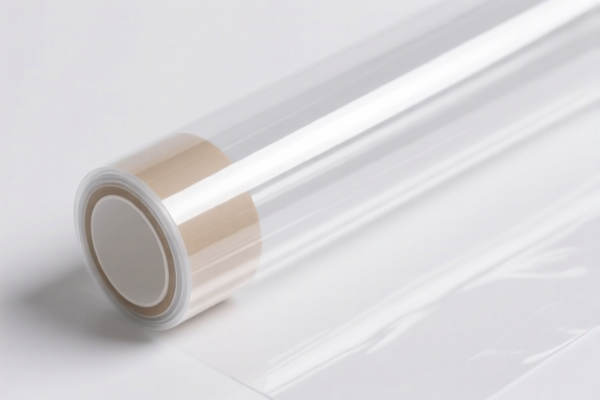
AI Analysis
📦 Transparent Film / Slides (Plastic Sheets & Films)
🌐 HS Code Reference & Clearance Guide | 2026 Latest Tariff Analysis | Professional Customs Strategy
📌 I. Product Definition & Classification: Do You Really Understand "Transparent Slides/Film"?
Transparent Film/Slides are typically thin, flexible, or semi-rigid plastic materials used for packaging, printing, protection, or optical applications. In international trade, they are strictly categorized under Chapter 39 (Plastics and Articles Thereof).
The classification depends heavily on: 1. Form: Is it a roll (film) or cut to size (sheet/plate)? 2. Width: Is it wider than 20 cm? (Crucial for HS Code separation). 3. Material: Usually Polyethylene (PE), Polypropylene (PP), Polyethylene Terephthalate (PET), or other polymers. 4. Backing: Does it have an adhesive layer? (This shifts it from "film" to "tape").
⚠️ Key Distinction:
- If it is self-adhesive (like clear packing tape) → It belongs to 3919.
- If it is non-adhesive plastic film/sheet > 20cm width → It belongs to 3920 or 3921.
- If it is narrow (< 20cm) or specific forms, different subheadings apply.
📦 II. HS Code Classification Details (2026 Latest Tariff Authority Comparison)
Based on your data, here are the five most likely HS Codes for Transparent Plastic Films/Slides, along with the specific reasoning provided in your dataset:
| HS Code | Product Description | Reason for Classification (From Data) | Adhesive? |
|---|---|---|---|
| 3919.10.20.55 | Plastic Film, Self-Adhesive (Tape-like) | "Shape Matches (Film/Sheet), Material Inferred as Plastic, Fits Characteristics of 3919 Plastic Films." Note: Often applied to transparent adhesive tapes or films with backing. |
✅ Yes |
| 3920.99.10.00 | Other Plastic Plates, Sheets, Film | "Shape Fits Film Characteristics, Material Inferred as Plastic, Fits Bottom-Line Matching Logic for Other Categories." Note: General "Other" category for non-adhesive plastic films. |
❌ No |
| 3920.59.10.00 | Plastic Sheets/Film (Polymer Type) | "Shape Fits Film Requirements, Material Inferred as Polymer Type, No Conflict with Other Categories' Material Attributes." Note: Specific to polymer-based films, likely PP or similar. |
❌ No |
| 3921.19.00.90 | Plastic Plates, Sheets, Film, Strip, Laminated | "Matches Shape (Film/Sheet) and Material (Plastic), Fits Category of Plastic Plates, Sheets, Films." Note: Often used for laminated or specially treated plastic sheets. |
❌ No |
| 3919.90.50.40 | Other Plastic Self-Adhesive Plates/Sheets | "Film and Transparent Film Match Transparent Adhesive Tape Material and Shape Characteristics, Belongs to Reasonable Shape Description." Note: For other self-adhesive plastic films not covered by 3919.10. |
✅ Yes |
🔍 Key Reminder:
- Adhesive vs. Non-Adhesive: This is the biggest pitfall. If your "transparent slide" is actually a clear tape (used for sealing), it MUST go to 3919. If it is a raw plastic sheet (used for packaging or printing), it goes to 3920/3921.
- Width Matters: If the film is < 20cm wide, it might not fit these broad categories and could require narrower subheadings (not listed in your data).
💰 III. 2026 Latest Tariff Rate Breakdown (Including Surtaxes, Policy Add-ons)
✅ Applicable Country: United States (US)
✅ Origin: China (CN)
✅ Effective Date: From November 10, 2025 (including subsequent imports)
🎯 1. 3919.10.20.55 —— Plastic Film, Self-Adhesive (e.g., Clear Tape)
| Item | Content |
|---|---|
| Base Tariff | 5.8% (Ad Valorem) |
| Section 301 Surtax | +25.0% |
| 122 Clause Tariff | +10.0% |
| Total Tariff | 40.8% |
| Tax Calculation | CIF Value × 40.8% |
| De Minimis Exemption | ❌ Not Applicable (Denied) |
| Legal Basis Path | Base Tariff 5.8% → Section 301 25% → 122 Clause 10% |
📌 Explanation:
- This is a self-adhesive product. The base rate is higher than non-adhesive films.
- Total 40.8% is extremely high. Must be factored into landing cost!
- "122 Clause" refers to additional specific trade measures often applied to Chinese plastic products.
🎯 2. 3920.99.10.00 —— Other Plastic Plates, Sheets, Film (Non-Adhesive)
| Item | Content |
|---|---|
| Base Tariff | 6.0% |
| Section 301 Surtax | +25.0% |
| 122 Clause Tariff | +10.0% |
| Total Tariff | 41.0% |
| Tax Calculation | CIF Value × 41.0% |
| De Minimis Exemption | ❌ Not Applicable (Denied) |
| Legal Basis Path | Base Tariff 6.0% → Section 301 25% → 122 Clause 10% |
📌 Explanation:
- This is the catch-all for plastic films/sheets that don't fit specific polymer subheadings.
- Slightly higher than 3919 due to base rate (6.0% vs 5.8%), but same surtaxes.
- Common for PET, PP, PE clear packaging films.
🎯 3. 3920.59.10.00 —— Plastic Sheets/Film (Polymer Type)
| Item | Content |
|---|---|
| Base Tariff | 6.0% |
| Section 301 Surtax | +25.0% |
| 122 Clause Tariff | +10.0% |
| Total Tariff | 41.0% |
| Tax Calculation | CIF Value × 41.0% |
| De Minimis Exemption | ❌ Not Applicable (Denied) |
| Legal Basis Path | Base Tariff 6.0% → Section 301 25% → 122 Clause 10% |
📌 Explanation:
- Specific to polymer-type films. If your product is labeled as "Polymer Film," this is the precise match.
- Same cost structure as the general catch-all.
🎯 4. 3921.19.00.90 —— Plastic Plates, Sheets, Film, Laminated
| Item | Content |
|---|---|
| Base Tariff | 6.5% |
| Section 301 Surtax | +25.0% |
| 122 Clause Tariff | +10.0% |
| Total Tariff | 41.5% |
| Tax Calculation | CIF Value × 41.5% |
| De Minimis Exemption | ❌ Not Applicable (Denied) |
| Legal Basis Path | Base Tariff 6.5% → Section 301 25% → 122 Clause 10% |
📌 Explanation:
- Highest Base Rate (6.5%) among the options.
- Often used for laminated plastic films or those with special surface treatments.
- Use only if the product is clearly laminated or treated.
🎯 5. 3919.90.50.40 —— Other Plastic Self-Adhesive Plates/Sheets
| Item | Content |
|---|---|
| Base Tariff | 5.8% |
| Section 301 Surtax | +25.0% |
| 122 Clause Tariff | +10.0% |
| Total Tariff | 40.8% |
| Tax Calculation | CIF Value × 40.8% |
| De Minimis Exemption | ❌ Not Applicable (Denied) |
| Legal Basis Path | Base Tariff 5.8% → Section 301 25% → 122 Clause 10% |
📌 Explanation:
- Another self-adhesive category for films not covered by 3919.10.
- Matches "Transparent Adhesive Tape" characteristics.
- Total 40.8%, same as 3919.10.20.55.
🛠️ IV. Clearance Operational Advice (Practical Pitfall Avoidance Guide)
✅ 1. Preparation Checklist (Missing Documents Will Cause Delays)
| Document | Must Provide | Description |
|---|---|---|
| ✅ Product Specification Sheet | ✔️ | Must include: Width, Thickness (μm), Material (PET/PP/PE), Adhesive Type (if any), Color, Transparency. |
| ✅ Product Photos (Clear & Labeled) | ✔️ | Must show roll/spool, end-view, and any labeling. Show if it has an adhesive backing. |
| ✅ Material Composition Statement | ✔️ | Explicitly state polymer type (e.g., "100% Polypropylene") to avoid "Other" classification. |
| ✅ Commercial Invoice | ✔️ | Must describe item as "Transparent Plastic Film, Non-Adhesive" OR "Self-Adhesive Plastic Tape" accurately. |
| ✅ Packing List | ✔️ | Detail gross/net weight, dimensions, and number of rolls/sheets. |
| ✅ HS Code Pre-Ruling (Optional but Recommended) | ✔️ | If unsure, apply for a binding ruling to confirm 3919 vs 3920. |
✅ 2. Declaration Tips (Key Mnemonic)
🔥 “Adhesive is 3919, Non-Adhesive is 3920. Width >20cm is critical. Be precise, save money!”
| Scenario | Correct HS Code | Incorrect Approach | Consequence |
|---|---|---|---|
| Clear Packing Tape (Adhesive) | 3919.10.20.55 or 3919.90.50.40 |
Report as "Plastic Film" (3920) | Misclassification: Potential penalty, duty re-evaluation. |
| Raw PET/PP Film (Non-Adhesive) | 3920.99.10.00 or 3920.59.10.00 |
Report as "Tape" (3919) | Overpayment: You might pay for adhesive when you don't have it, or face scrutiny. |
| Laminated Plastic Sheet | 3921.19.00.90 |
Report as simple film (3920) | Underpayment: Base rate is 6.5% vs 6.0%. Small difference, but compliance matters. |
| Width < 20 cm | Different Subheading (Not in Data) | Use 3920 (Width >20cm) | Misclassification: Wrong HS Code, customs will reject or reclassify. |
✅ 3. Special Cases Handling
| Case | Handling Advice |
|---|---|
| OEM Custom Film | Provide client order + design specs. Clearly state "Custom Printed Clear Film" to avoid generic classification. |
| Film with Ink/Printing | If printed, still usually 3920/3919, but must declare "Printed" on invoice. Ensure ink is non-toxic (RoHS compliant). |
| Anti-Static/Conductive Film | If conductive, it might fall under Chapter 39 but with specific notes. Declare "Conductive Plastic Film" explicitly. |
| Rolls vs. Sheets | If cut into sheets, ensure the HS Code description allows "Plates/Sheets" (3920/3921 do). If on rolls, "Film" is appropriate. |
🌍 V. Global Market Clearance Comparison (2026 Latest)
| Country/Region | Recommended HS Code | Tariff (China Origin) | Certification Required | Notes |
|---|---|---|---|---|
| 🇺🇸 USA | 3920.99.10.00 (Non-Adhesive) |
41.0% | No specific FCC/CE needed for plastic, but RoHS for electronics packaging | 40.8%-41.5% is high. Factor into cost. |
| 🇺🇸 USA | 3919.10.20.55 (Adhesive) |
40.8% | No specific FCC/CE needed | Adhesive films have similar high rates. |
| 🇨🇳 China | 3920.99.10.00 |
5% (Approx.) | GB Standards | No Section 301 or 122 Clause. |
| 🇪🇺 EU | 3920.99 (Various) |
6.5% (Standard) | REACH, RoHS | No additional surtaxes. |
| 🇦🇺 Australia | 3920.99 |
5% | EESS (if electronic packaging) | Moderate duty. |
| 🇯🇵 Japan | 3920.99 |
6% | JIS Standards | Moderate duty. |
📌 Conclusion:
- USA is the most expensive market for these plastic films due to Section 301 (25%) + 122 Clause (10%).
- Total tax burden is ~41%. This is a significant cost driver.
- EU, Japan, Australia are much cheaper (~5-6.5%) with no political surtaxes.
- Strategy: If targeting the US, consider Value Engineering (reduce thickness) or Supply Chain Diversification (if possible) to mitigate tariff impact.
📌 VI. Common Errors & Pitfall Guide (Lessons Learned)
❌ Error 1: Calling "Clear Tape" "Plastic Film" to avoid adhesive classification
👉 Consequence: Customs will test for adhesive. If found, Penalty + Back Duty. Do not mislabel.
❌ Error 2: Not specifying Material (PET/PP/PE)
👉 Consequence: Customs may classify under "Other Plastic" (3920.99) with higher base rates or stricter scrutiny. Always specify material.
❌ Error 3: Ignoring Width
👉 Consequence: If film is < 20cm wide, it cannot be 3920. Customs will reclassify, causing delays and potential duty changes. Measure carefully!
❌ Error 4: Using "Slides" for Photo Slides (Glass/Plastic)
👉 Consequence: If "slides" means 35mm photo slides, they may be classified under Chapter 90 (Optical Appliances) or Chapter 37 (Photographic), NOT Chapter 39. Clarify product type!
Note: If "slides" means "Plastic Sheets/Film" (e.g., slide packaging), then Chapter 39 is correct.
✅ Correct Declaration Example:
"Clear PET Plastic Film, Non-Adhesive, Roll, 12 Micron Thickness, 30cm Width, for Packaging Use. Material: 100% Polyethylene Terephthalate."
🎯 VII. Conclusion: Professional Declaration, Save Time, Reduce Cost!
🎯 Remember the Mantra:
🔹 "Adhesive = 3919, Non-Adhesive = 3920. Width > 20cm is Key. Base Rate + 25% + 10% = 41%. Don't Guess, Specify!"
🔹 "HS Code Determines Destiny. Tariff Difference of 0.7% Matters. Declaration Precision Saves Thousands!"
📌 Pro Tip:
- If your product is non-adhesive, try to find the most specific polymer subheading (e.g., 3920.59.10.00 for specific polymers) rather than the generic 3920.99.10.00 if available, though in this dataset, rates are similar.
- For US imports, consider Section 321 De Minimis Exemption for shipments under $800 IF the product is not on the denied list (Plastic films are often scrutinized, but de minimis may still apply for low-value shipments. Check current CBP rules).
- However, B2B shipments will face the full 40.8%-41.5%. Plan cash flow accordingly.
📣 Immediate Action:
📞 Contact a licensed US Customs Broker + Provide Product Specs + Apply for HS Code Pre-Ruling if volume is high.
🚀 Ensure your Invoice Description matches the HS Code exactly.
💡 Accurate classification from the start = Smooth Clearance, Predictable Costs, Happy Customers!
✨ Professional Clearance Starts with Precise Classification!
💼 Every Cent of Tariff is Worth Calculating Precisely!
Customer Reviews
About HS Code Classification
The Harmonized System (HS) is an internationally standardized nomenclature developed by the World Customs Organization (WCO) to classify traded products. Over 200 countries use the HS system as the basis for customs tariffs, trade statistics, and import/export regulations.
Each HS code follows a hierarchical structure:
- Chapter (2 digits) — Broad category of goods (e.g., Chapter 84: Machinery and Mechanical Appliances)
- Heading (4 digits) — More specific grouping within the chapter
- Subheading (6 digits) — Internationally standardized breakdown, used by all WCO member countries
- National subdivisions (8-10 digits) — Country-specific extensions for further classification, such as US HTSUS 10-digit codes
Correct HS code classification is essential for smooth customs clearance, accurate duty payment, and compliance with trade regulations. Misclassification can lead to customs delays, overpayment of duties, or penalties.
When importing from CN to US, the applicable tariff rates may include:
- Most-Favored-Nation (MFN) rate — The standard duty rate applied to WTO members
- General rate — Applied to countries without trade agreements
- Trade remedy duties — Additional tariffs such as Section 301 (anti-dumping), Section 232 (national security), or countervailing duties
The information provided on this page is for reference purposes only. For official classification, please consult with your local customs authority or a licensed customs broker.