slides transparent sheets
CN → US| HS Code | Tariff Rate | Origin | Destination | Doc |
|---|---|---|---|---|
| 3919102055 | 40.8% | CN | US | Official Doc |
| 3920991000 | 41.0% | CN | US | Official Doc |
| 3920591000 | 41.0% | CN | US | Official Doc |
| 3921190090 | 41.5% | CN | US | Official Doc |
| 3919905040 | 40.8% | CN | US | Official Doc |
| 3921905050 | 39.8% | CN | US | Official Doc |
Product Images
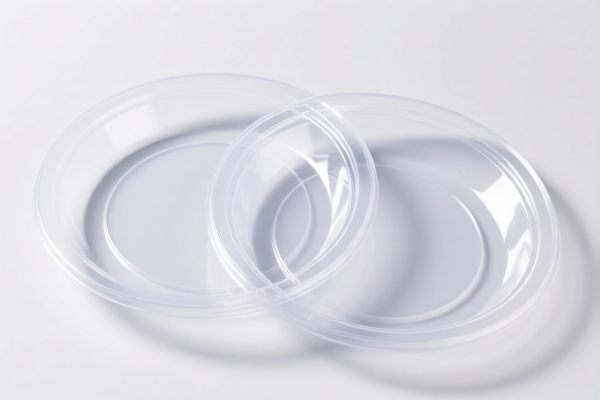
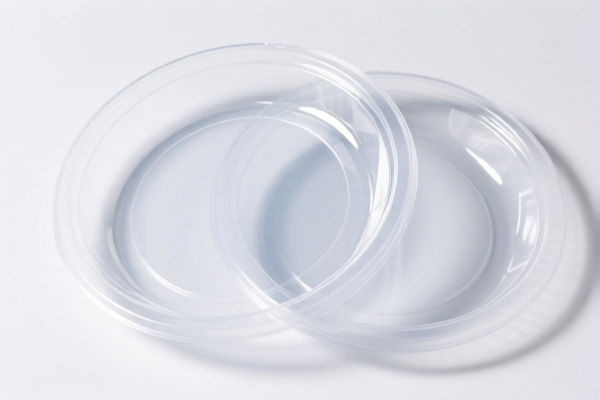
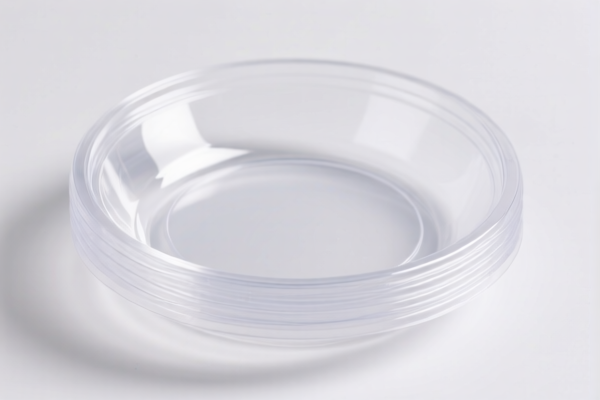
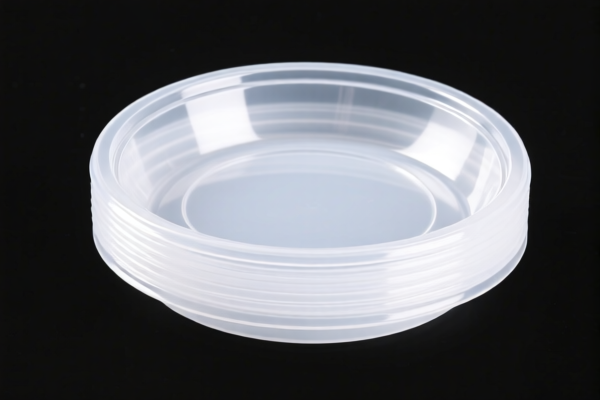
AI Analysis
📂 Slides / Transparent Sheets (Polymers/Plastic Films)
🌐 HS Code Classification & Customs Clearance Guide | 2026 Taxation Analysis | Professional Strategy
📌 Part I: Product Definition & Classification: What are "Slides/Transparent Sheets"?
"Slides" or "Transparent Sheets" in the context of international trade typically refer to plastic films, sheets, or tapes made from polymers. These materials are versatile and used in packaging, office supplies, electronics, or industrial applications. The key to accurate classification lies in identifying the material composition (primarily plastic/polymer) and the form (rolled film, sheets, or self-adhesive tape).
⚠️ Key Classification Point:
- If the item is a plastic film/sheet (non-adhesive, rolled or in sheets), it generally falls under Chapters 3919, 3920, or 3921.
- If the item is self-adhesive tape (like clear packing tape), it may fall under 3919.90.
- Misclassification Risk: Declaring these as "paper" or "glass" leads to severe customs delays or penalties. They are polymers.
📦 Part II: HS Code Classification Details (2026 Latest Tariff Schedule)
Based on the provided data, here are the valid HS Codes for "Slides/Transparent Sheets" made of plastic/polymer, along with their descriptions and tax implications.
| HS Code | Product Description & Logic | Key Features |
|---|---|---|
3919.10.20.55 |
Self-Adhesive Plastic Films/Sheets Form matches film/sheet; material inferred as plastic. Fits the "plastic film" category under 3919. |
✅ Self-adhesive ✅ Plastic-based |
3920.99.10.00 |
Other Plastic Plates, Sheets, Film, Foil, and Strip Form fits membrane characteristics; material inferred as plastic. Fallback match for other categories. |
✅ Non-adhesive (typically) ✅ General plastic film |
3920.59.10.00 |
Plastic Plates, Sheets, etc., of Polymers Form fits membrane requirements; material inferred as polymer class. No conflict with other material attributes. |
✅ Polymer-based ✅ Standard plastic sheet |
3921.19.00.90 |
Other Plates, Sheets, etc., of Plastics Form matches film/sheet; material inferred as plastic. Fits the category of "plastic plates, sheets, film, foil, and strip." |
✅ Plastic-based ✅ General purpose |
3919.90.50.40 |
Other Self-Adhesive Plaques, Sheets, Film, Foil, Tape, etc. Product name matches transparent tape material and form characteristics. Reasonable form description. |
✅ Self-adhesive tape ✅ Transparent/Packaging |
3921.90.50.50 |
Other Plates, Sheets, etc., of Plastics Form matches film; material inferred as plastic. Fits the classification logic for "other plastic plates, sheets, film, foil, strip." |
✅ General plastic film ✅ Non-specific plastic |
🔍 重点提醒 (Key Notes):
- Material Inference: All listed codes infer the material as plastic/polymer. Do not declare as "paper" or "glass."
- Adhesive vs. Non-Adhesive: Codes under 3919 are typically self-adhesive. Codes under 3920/3921 are typically non-adhesive sheets/films. Choose based on whether your product sticks on its own.
💰 Part III: 2026 Latest Tariff Rate Breakdown (Including Additional Taxes)
✅ Applicable Country: China (CN) Exporting to US (or similar high-tax jurisdiction based on data)
✅ Effective Time: Current 2026 Schedule
✅ Note: The data indicates a consistent pattern of Base Tariff + 301 Tariff (25%) + Section 122 Tariff (10%).
🎯 1. 3919.10.20.55 —— Self-Adhesive Plastic Film
| Item | Content |
|---|---|
| Base Tariff | 5.8% |
| Section 301 Tariff | 25.0% |
| Section 122 Tariff | 10.0% |
| Total Tax Rate | 40.8% |
| Calculation Basis | CIF Value × 40.8% |
| De Minimis Exemption | ❌ Not Eligible (High tax rate usually excludes small package exemptions) |
📌 Explanation:
- This code applies to self-adhesive plastic films.
- The 40.8% total rate is high due to the combination of base, 301, and Section 122 tariffs.
- Action: Ensure the product is indeed self-adhesive. If not, this code is incorrect.
🎯 2. 3920.99.10.00 —— Other Plastic Sheets/Films
| Item | Content |
|---|---|
| Base Tariff | 6.0% |
| Section 301 Tariff | 25.0% |
| Section 122 Tariff | 10.0% |
| Total Tax Rate | 41.0% |
| Calculation Basis | CIF Value × 41.0% |
| De Minimis Exemption | ❌ Not Eligible |
📌 Explanation:
- This is a fallback category for plastic films not specified elsewhere.
- Used when the film does not fit specific polymer types (e.g., PE, PP, PET) in more specific subheadings.
🎯 3. 3920.59.10.00 —— Plastic Films of Polymers
| Item | Content |
|---|---|
| Base Tariff | 6.0% |
| Section 301 Tariff | 25.0% |
| > Section 122 Tariff | 10.0% |
| Total Tax Rate | 41.0% |
| Calculation Basis | CIF Value × 41.0% |
📌 Explanation:
- Specific to polymer-based films.
- Ensure the polymer type matches the specific requirements of 3920.59 (often specific polymers like acetates or others).
🎯 4. 3921.19.00.90 —— Other Plastic Plates/Sheets
| Item | Content |
|---|---|
| Base Tariff | 6.5% |
| Section 301 Tariff | 25.0% |
| Section 122 Tariff | 10.0% |
| Total Tax Rate | 41.5% |
| Calculation Basis | CIF Value × 41.5% |
📌 Explanation:
- Applies to plastic sheets/films not specified in 3920.
- Highest base tariff (6.5%) among the non-adhesive options.
🎯 5. 3919.90.50.40 —— Other Self-Adhesive Tapes/Films
| Item | Content |
|---|---|
| Base Tariff | 5.8% |
| Section 301 Tariff | 25.0% |
| Section 122 Tariff | 10.0% |
| Total Tax Rate | 40.8% |
| Calculation Basis | CIF Value × 40.8% |
📌 Explanation:
- Specifically for transparent tapes (like packing tape).
- If your "slides" are actually adhesive tapes, this is the correct code.
🎯 6. 3921.90.50.50 —— Other Plastic Plates/Sheets
| Item | Content |
|---|---|
| Base Tariff | 4.8% |
| Section 301 Tariff | 25.0% |
| Section 122 Tariff | 10.0% |
| Total Tax Rate | 39.8% |
| Calculation Basis | CIF Value × 39.8% |
📌 Explanation:
- Lowest total tax rate (39.8%) among all options.
- Use this if the product is a non-adhesive plastic sheet/film that fits the general "other plastic plates, sheets" category.
- Strategy: If your product is a non-adhesive clear sheet, prioritize this code to minimize tax.
🛠️ Part IV: Customs Clearance Practical Advice
✅ 1. Document Preparation Checklist
| Document | Mandatory? | Description |
|---|---|---|
| ✅ Product Specifications | ✔️ | Must state: Material (Plastic/Polymer), Form (Film/Sheet/Tape), Thickness, Width. |
| ✅ Photos | ✔️ | Clear photos showing texture, transparency, and whether it is self-adhesive. |
| ✅ Commercial Invoice | ✔️ | Must accurately describe the product (e.g., "Clear Plastic Film, Non-Adhesive") and match the HS Code. |
| ✅ Packing List | ✔️ | Detail weight, dimensions, and quantity. |
| ✅ Certificate of Origin | ✔️ | If applicable for any potential exemptions (though unlikely for these high-tax codes). |
| ✅ Test Reports | ✔️ | If for food contact or medical use, provide relevant safety certificates. |
✅ 2. Declaration Tips (Key Mnemonics)
🔥 "Non-adhesive = 3920/3921; Adhesive = 3919. Check Base Rate!"
| Scenario | Correct Declaration | Common Error |
|---|---|---|
| Clear Packing Tape | 3919.90.50.40 (40.8%) |
Misdeclaring as "Plastic Sheet" → 39.8% (but risky if adhesive) |
| Rolls of Clear Film (Non-stick) | 3921.90.50.50 (39.8%) |
Misdeclaring as "3920" (41.0%) → Higher tax |
| Specific Polymer Film (e.g., Acetate) | 3920.59.10.00 (41.0%) |
Using generic code when specific one applies |
| Fallback for Unspecified Plastic Film | 3920.99.10.00 (41.0%) |
N/A |
✅ 3. Special Handling Scenarios
| Scenario | Handling Advice |
|---|---|
| Is it Adhesive? | If yes, use 3919. If no, use 3920/3921. This is the primary split. |
| Material Confirmation | Ensure the material is 100% plastic/polymer. If mixed with paper or fabric, different HS codes apply. |
| Thin vs. Thick | "Film" is typically thin (<1mm). "Sheet/Plate" is thicker. If ambiguous, "Sheet" codes (3920/3921) are often used. |
| Cost Optimization | If the product is non-adhesive, 3921.90.50.50 (39.8%) is the most cost-effective option. Try to justify this classification if possible. |
🌍 Part V: Global Market Comparison (2026)
| Market | Recommended HS Code | Tax Rate | Notes |
|---|---|---|---|
| 🇺🇸 USA | 3921.90.50.50 |
39.8% | Highest taxes due to 301 + Section 122. |
| 🇨🇳 China (Export) | N/A (Export) | 0% | China does not tax exports. |
| 🇪🇺 EU | 3920/3921 | ~6.5% | No Section 301 or Section 122. Much lower tax burden. |
| 🇬🇧 UK | 3920/3921 | ~6.5% | Similar to EU post-Brexit. |
| 🇯🇵 Japan | 3920/3921 | ~6% | Low base tariffs, no major punitive taxes. |
📌 Conclusion:
- US Market: Extremely high tax burden (~40%). Cost optimization is critical.
- Non-US Markets: Tax burden is significantly lower (~6-7%).
- Strategy: If shipping to the US, ensure the most favorable HS code (lowest base rate) is selected. If shipping to EU/Asia, the tax difference is negligible.
📌 Part VI: Common Mistakes & Pitfalls
❌ Mistake 1: Declaring adhesive tape as non-adhesive film.
👉 Consequence: Customs may reclassify to 3919, assess back taxes + penalties, or reject the shipment.
❌ Mistake 2: Using generic descriptions like "Plastic Sheet" without specifying adhesive vs. non-adhesive.
👉 Consequence: Customs delays while they request clarification.
❌ Mistake 3: Ignoring the Section 122 Tariff (10%).
👉 Consequence: Unexpected high costs. Always factor in the total 40%+ tax rate for US imports.
❌ Mistake 4: Assuming De Minimis (Section 321) applies to these goods.
👉 Consequence: Most plastic films under these HS codes are excluded from the $800 de minimis exemption due to their nature and trade remedies. Always pay the full tax.
✅ Correct Approach:
"Clear Plastic Film, Non-Adhesive, PE Material, Width 30cm, Roll Form, for Packaging Use"
→ Use3921.90.50.50if it fits, or3920.99.10.00as fallback.
🎯 Part VII: Conclusion: Precise Classification, Cost Control!
🎯 Remember the Rules:
🔹 "Adhesive = 3919; Non-Adhesive = 3920/3921"
🔹 "Lowest Base Rate = 3921.90.50.50 (39.8%)" for non-adhesive films.
🔹 "US Taxes are ~40%": Plan your pricing accordingly.
🔹 "No De Minimis": Every shipment pays full tax.
📌 Pro Tip:
If you have large volumes, consider Advanced Ruling (Advance Ruling) from US Customs to confirm the HS Code and tax rate before shipping. This avoids surprises and potential penalties.
📣 Immediate Action:
📞 Consult with a customs broker.
📝 Provide detailed product specs (material, adhesive status, form).
📊 Calculate landed cost with ~40% tax for US imports.
✨ Professional Customs Clearance Starts with Accurate Classification!
💼 Your Profit Margin Depends on Your HS Code Choice!
Customer Reviews
About HS Code Classification
The Harmonized System (HS) is an internationally standardized nomenclature developed by the World Customs Organization (WCO) to classify traded products. Over 200 countries use the HS system as the basis for customs tariffs, trade statistics, and import/export regulations.
Each HS code follows a hierarchical structure:
- Chapter (2 digits) — Broad category of goods (e.g., Chapter 84: Machinery and Mechanical Appliances)
- Heading (4 digits) — More specific grouping within the chapter
- Subheading (6 digits) — Internationally standardized breakdown, used by all WCO member countries
- National subdivisions (8-10 digits) — Country-specific extensions for further classification, such as US HTSUS 10-digit codes
Correct HS code classification is essential for smooth customs clearance, accurate duty payment, and compliance with trade regulations. Misclassification can lead to customs delays, overpayment of duties, or penalties.
When importing from CN to US, the applicable tariff rates may include:
- Most-Favored-Nation (MFN) rate — The standard duty rate applied to WTO members
- General rate — Applied to countries without trade agreements
- Trade remedy duties — Additional tariffs such as Section 301 (anti-dumping), Section 232 (national security), or countervailing duties
The information provided on this page is for reference purposes only. For official classification, please consult with your local customs authority or a licensed customs broker.