slope rangefinder
CN → US| HS Code | Tariff Rate | Origin | Destination | Doc |
|---|---|---|---|---|
| 9006910001 | 23.3% | CN | US | Official Doc |
| 9006990000 | 21.4% | CN | US | Official Doc |
| 9013105000 | 22.8% | CN | US | Official Doc |
| 9013809100 | 22.0% | CN | US | Official Doc |
| 9017308000 | 38.9% | CN | US | Official Doc |
| 9017800000 | 40.3% | CN | US | Official Doc |
Product Images
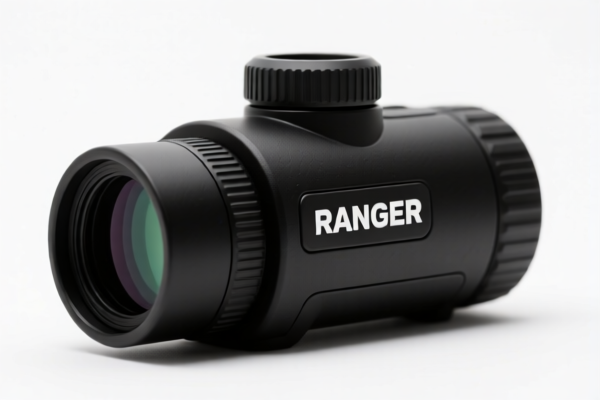
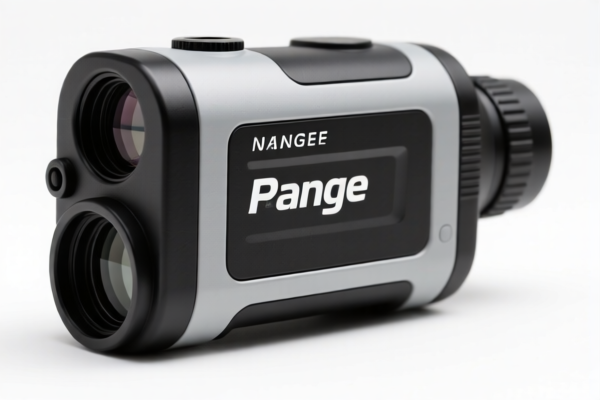
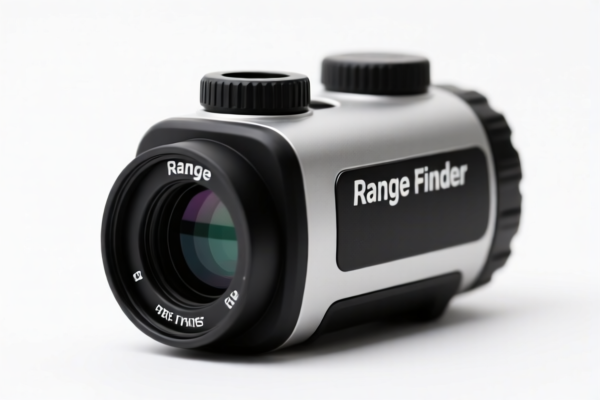
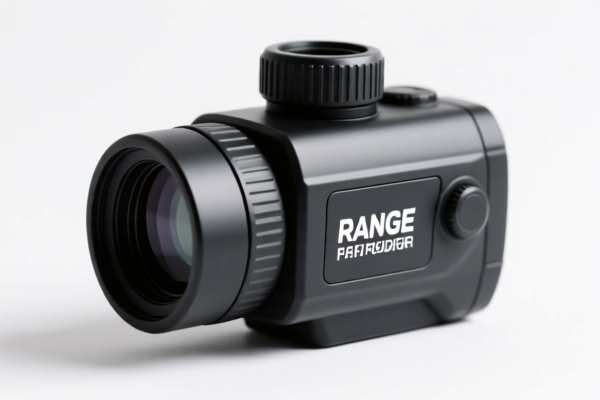
AI Analysis
📐 Slope Rangefinder (Optical Laser Rangefinders)
🌐 HS Code Reference & Customs Clearance Guide | 2026 Latest Tariff Analysis | Professional-Level Clearance Strategy
📌 1. Product Definition and Classification: What exactly is a "Slope Rangefinder"?
A Slope Rangefinder (often called an optical laser rangefinder or surveying laser) is a precision optical instrument used to measure distance to a target, frequently calculating horizontal and vertical distances based on slope angles. In international trade, these devices are categorized based on their primary function and integration:
Optical Instruments (Surveying/Measuring): Devices that use lenses, mirrors, or prisms to determine distance, often including digital displays or digital laser modules but retaining core optical characteristics. Electronic Measuring Instruments: Devices where the primary value is in the electronic calculation and display, not the optical component.
⚠️ Key Distinction Point: - If the device is primarily an optical appliance (telescope-like structure, uses optical lenses for ranging) → Classified under Chapter 90 (Optical Instruments). - If it is a digital caliper/micrometer type of linear measurement tool → Classified under 9017. - If it is a part/accessory for a specific machine → Classified under 9013 (Parts/Accessories).
📦 2. HS Code Classification Details (2026 Latest Tariff Authority Comparison)
Based on the provided data, here is the precise classification logic for Slope Rangefinders:
| HS Code | Product Description | Applicable Scenario | Optical Component? |
|---|---|---|---|
9013.10.50.00 |
Telescopic sights for fitting to arms; Periscopes; Telescopes designed to form parts of machines/instruments | Specialized optical sights, periscopes, or telescope-based rangefinders used as components of larger systems | ✅ Yes (Core optical) |
9013.80.91.00 |
Other lasers, other than laser diodes; Other optical appliances and instruments | General-purpose optical laser rangefinders, surveying tools, or optical instruments not specified elsewhere | ✅ Yes (Optical appliance) |
9017.30.80.00 |
Micrometers, calipers and gauges: Other | Mechanical or digital linear measuring tools (e.g., calipers) - Less likely for slope rangefinders unless strictly linear | ❌ No (Mechanical/Electronic) |
9017.80.00.00 |
Other instruments for measuring length | Other hand-held measuring instruments (e.g., tape measures, measuring rods) - Not applicable to laser slope rangefinders | ❌ No |
9006.91.00.01 |
Parts and accessories: For cameras | Camera-specific parts - Not applicable | ❌ N/A |
9006.99.00.00 |
Parts and accessories: Other | Generic parts for photographic equipment - Not applicable | ❌ N/A |
🔍 Key Reminder: - Most Slope Rangefinders fall under
9013.80.91.00because they are "Other optical appliances and instruments." They use laser/optical technology to measure distance. - If the rangefinder is a telescopic sight specifically designed to be attached to firearms or specialized machinery, it may fall under9013.10.50.00. - Avoid misclassification into 9017 unless it is a simple mechanical measuring tool (which slope rangefinders are not).
💰 3. 2026 Latest Tariff Rate Details (Including Surtaxes & Policy Surcharges)
✅ Applicable Country: United States (US)
✅ Country of Origin: China (CN)
✅ Effective Date: Current tariffs apply (see details below)
🎯 1. 9013.80.91.00 —— Other Optical Appliances and Instruments (Most Common for Slope Rangefinders)
| Item | Details |
|---|---|
| Base Tariff Rate | 4.5% (Ad Valorem) |
| Additional Tariff (Section 301) | +7.5% (USITC Footnote for specific optical/electronic goods) |
| Total Tariff Rate | 12.0% |
| Tax Calculation | CIF Value × 12.0% |
| De Minimis Exemption | ❌ Not Eligible (For China-origin goods under current trade restrictions) |
| Legal Basis Path | HTSUS: 9013.80.91.00 → USITC Section 301 Surtax |
📌 Explanation: - The 4.5% is the standard Most Favored Nation (MFN) base rate for other optical appliances. - The +7.5% is the additional tariff imposed under U.S. Trade Law (Section 301) on certain Chinese imports. - Total: 12.0%. This is a moderate tariff but significant for high-value optical equipment.
🎯 2. 9013.10.50.00 —— Telescopic Sights/Periscopes (If Classified as Sight)
| Item | Details |
|---|---|
| Base Tariff Rate | 5.3% (Ad Valorem) |
| Additional Tariff (Section 301) | +7.5% |
| Total Tariff Rate | 12.8% |
| Tax Calculation | CIF Value × 12.8% |
| De Minimis Exemption | ❌ Not Eligible |
| Legal Basis Path | HTSUS: 9013.10.50.00 → USITC Section 301 Surtax |
📌 Explanation: - If customs determines the device is a "telescopic sight" (e.g., used for surveying or targeting), it falls here. - Total: 12.8%, slightly higher than the general optical appliance rate.
🎯 3. 9017.30.80.00 & 9017.80.00.00 —— Measuring Instruments (Calipers/Gauges)
| Item | Details |
|---|---|
| Base Tariff Rate | 0.0% |
| Additional Tariff (Section 301) | 0.0% |
| Total Tariff Rate | 0.0% |
| Tax Calculation | No Duty |
| De Minimis Exemption | ✅ Eligible (If value <$800, though optical goods may still be scrutinized) |
📌 Explanation: - Highly Unlikely for slope rangefinders. Only applies if the device is strictly a mechanical caliper or tape measure. - Do NOT use this code for laser/optical rangefinders unless explicitly classified by customs as non-optical. Misclassification can lead to penalties.
🛠️ 4. Customs Clearance Practical Advice (Pitfall Avoidance Guide)
✅ 1. Required Documentation Checklist
| Document | Must Provide | Description |
|---|---|---|
| ✅ Product Specification Sheet | ✔️ | Detailed specs: Range (e.g., 500m), Accuracy (±1m), Slope Compensation feature, Battery type. |
| ✅ Product Photos | ✔️ | Clear images of the device, display screen, and any optical lenses. Show scale/context. |
| ✅ Commercial Invoice | ✔️ | Must state "Slope Rangefinder" or "Optical Laser Distance Meter." Avoid vague terms like "Optical Device." |
| ✅ User Manual | ✔️ | Helps customs verify if it's a surveying tool (Chapter 90) or a simple measuring tape (Chapter 9017). |
| ✅ FCC ID (if US Market) | ✔️ | Required for laser/electronic devices. Ensure it's listed. |
| ✅ Origin Declaration | ✔️ | Confirm Country of Origin (China) to apply correct surtax. |
✅ 2. Declaration Tips (Key Mantras)
🔥 "Optical Core, 9013.80; Laser Sight, 9013.10; Avoid 9017 unless Mechanical!"
| Scenario | Correct Declaration | Incorrect Practice |
|---|---|---|
| Standard Slope Rangefinder | 9013.80.91.00 – Optical Laser Rangefinder |
Misdeclaring as "Measuring Tape" (9017) → 12% vs 0% risk |
| Telescopic Sight Rangefinder | 9013.10.50.00 – Telescopic Sight |
Misdeclaring as "General Optical Instrument" → 12.8% vs 12.0% difference |
| Parts/Accessories | 9013.90.xx.xx – Parts |
Including parts in main item value without separate declaration |
✅ 3. Special Circumstances Handling
| Scenario | Handling Advice |
|---|---|
| OEM Custom Rangefinder | Provide OEM agreement and design specs. Ensure description matches HTSUS definition. |
| Device with Digital Display | Still classifies under 9013 if optical component is primary. Do not move to Chapter 85 (Electronics). |
| Low-Value Shipments (<$800) | Even if de minimis applies, optical lasers may face additional scrutiny. Ensure FCC compliance is visible. |
| Military/Surveying Use | If used for surveying, provide proof of professional use to justify Chapter 90 classification. |
🌍 5. Global Market Comparison (2026 Latest)
| Country/Region | Recommended HS Code | Tariff Rate | Certification Required | Notes |
|---|---|---|---|---|
| 🇺🇸 USA | 9013.80.91.00 |
12.0% (China) | FCC + RoHS | 12.8% if classified as sight. High scrutiny on laser safety. |
| 🇨🇳 China | 9013.80.91.00 |
0.0% (Import) | CCC (if applicable) | No additional surtax for imports into China. |
| 🇪🇺 EU | 9013.80.91.00 |
0.0% (Most) | CE + RoHS | No additional surtax. Strict laser safety class (Class 1/2) required. |
| 🇬🇧 UK | 9013.80.91.00 |
0.0% | UKCA + RoHS | Post-Brexit rules apply. Ensure UKCA marking. |
| 🇯🇵 Japan | 9013.80.91.00 |
0.0% | PSE (Electrical) | No surtax. Laser safety standard JIS required. |
📌 Conclusion: - USA is the only major market with significant additional tariffs (12-12.8%) for Chinese-origin optical rangefinders. - EU, UK, Japan, and China have 0% tariffs for these products, making them highly competitive. - Certification is critical: FCC (US), CE (EU), PSE (Japan), and CCC (China) are mandatory for market access.
📌 6. Common Mistakes & Pitfall Guide (Blood & Tears Lessons)
❌ Mistake 1: Classifying a laser rangefinder as a measuring tape (9017.20.80.00)
👉 Consequence: Tariff rate drops from 12% to 0%, but customs detects misdeclaration → Penalty + Back Taxes + Audit.
❌ Mistake 2: Ignoring FCC Compliance for US imports
👉 Consequence: Goods detained at customs → Demurrage fees + Return to China.
❌ Mistake 3: Describing product as "Optical Device" without details
👉 Consequence: Customs ambiguity → Delay in clearance + Request for Additional Documentation.
❌ Mistake 4: Including accessories (batteries, case) in main item value without note
👉 Consequence: Potential valuation dispute → Reassessment of Duty.
✅ Correct Practice:
"Optical Laser Slope Rangefinder, Range 500m, ±1m Accuracy, Digital Display, Model XYZ, FCC ID: XXXXX, Made in China"
🎯 7. Conclusion: Precision Classification, Smooth Clearance, Cost Efficiency!
🎯 Key Takeaways:
🔹 "Optical Rangefinders = 9013.80.91.00 → 12% Duty (US)"
🔹 "Telescopic Sights = 9013.10.50.00 → 12.8% Duty (US)"
🔹 "Never misclassify as Measuring Tape (9017) unless mechanical!"
🔹 "FCC Certification is Non-Negotiable for US Market."
📌 Pro Tip:
If your rangefinder is originally from Vietnam, Mexico, or Thailand, you may qualify for preferential tariffs under USMCA or other FTAs. Apply for Pre-Ruling from CBP to confirm HS Code and duty rate before shipment.
📣 Immediate Action:
📞 Contact a professional customs broker + Provide Product Specs + Apply for FCC Certification
🚀 Ensure your Slope Rangefinders clear customs smoothly, avoid penalties, and maximize profit!
✨ Professional Clearance Starts with Accurate Classification!
💼 Every Dollar Saved in Duty is Pure Profit!
Customer Reviews
About HS Code Classification
The Harmonized System (HS) is an internationally standardized nomenclature developed by the World Customs Organization (WCO) to classify traded products. Over 200 countries use the HS system as the basis for customs tariffs, trade statistics, and import/export regulations.
Each HS code follows a hierarchical structure:
- Chapter (2 digits) — Broad category of goods (e.g., Chapter 84: Machinery and Mechanical Appliances)
- Heading (4 digits) — More specific grouping within the chapter
- Subheading (6 digits) — Internationally standardized breakdown, used by all WCO member countries
- National subdivisions (8-10 digits) — Country-specific extensions for further classification, such as US HTSUS 10-digit codes
Correct HS code classification is essential for smooth customs clearance, accurate duty payment, and compliance with trade regulations. Misclassification can lead to customs delays, overpayment of duties, or penalties.
When importing from CN to US, the applicable tariff rates may include:
- Most-Favored-Nation (MFN) rate — The standard duty rate applied to WTO members
- General rate — Applied to countries without trade agreements
- Trade remedy duties — Additional tariffs such as Section 301 (anti-dumping), Section 232 (national security), or countervailing duties
The information provided on this page is for reference purposes only. For official classification, please consult with your local customs authority or a licensed customs broker.