sm binding strap
CN → US| HS Code | Tariff Rate | Origin | Destination | Doc |
|---|---|---|---|---|
| 3926909905 | 22.8% | CN | US | Official Doc |
| 3926909989 | 22.8% | CN | US | Official Doc |
| 5607909000 | 41.3% | CN | US | Official Doc |
| 5607493000 | 38.6% | CN | US | Official Doc |
| 7315825000 | 85.0% | CN | US | Official Doc |
| 7315891000 | 86.5% | CN | US | Official Doc |
Product Images
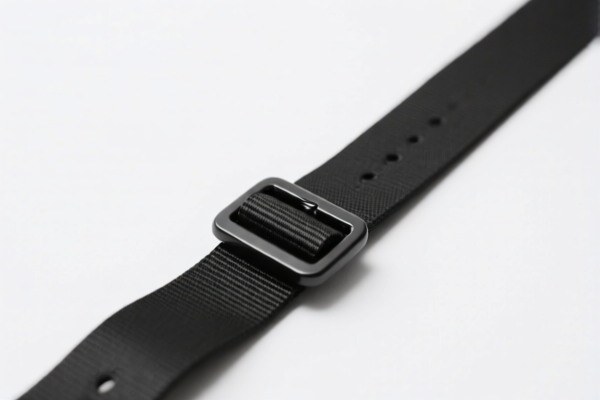
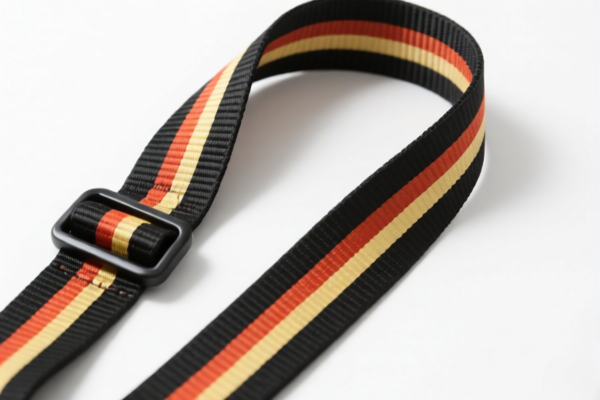
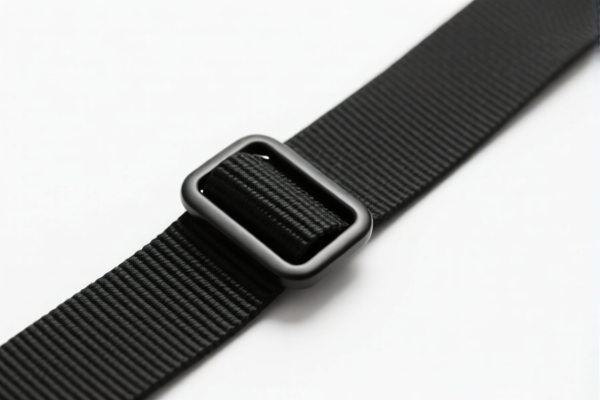
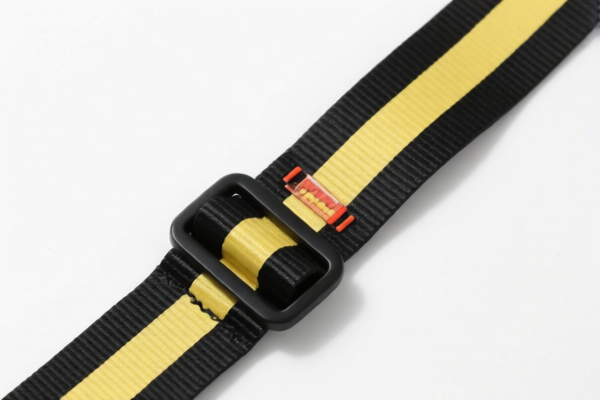
AI Analysis
🎀 Sm Binding Strap (Small Elastic/Plastic Ties)
🌐 HS Code Reference & Clearance Guide | 2026 Latest Tariff Analysis | Professional Clearance Strategy
📌 I. Product Definition & Classification: Do You Really Know "Sm Binding Strap"?
"Sm Binding Strap" is a generic trade term often used for small elastic bands, plastic ties, or cords used for bundling, securing, or packaging small items. In international trade, classification depends entirely on the material and structure:
Elastic Bands Made Wholly of Plastics: These are typically small, looped or cut pieces of synthetic rubber-like plastic, often used in offices, schools, or retail for bundling pens, documents, or small goods. Twine, Cordage, Ropes (Non-Elastic): Plastic strings, nylon cords, or polyethylene ropes used for tying, binding, or lifting. Steel/Iron Chains: If the "strap" is actually a small metal chain (less likely for "binding strap" but possible in industrial contexts).
⚠️ Key Distinction Point:
- If it is elastic and made of plastics (e.g., rubberized plastic, PVC elastic) →归入 3926.90.99.05
- If it is non-elastic plastic twine/rope →归入 5607.49.30.00 or 5607.90.90.00
- If it is metal chain (steel/iron) →归入 7315.82.50.00 or 7315.89.10.00
- If it is generic plastic articles (not elastic, not rope) →归入 3926.90.99.89
📦 II. HS Code Classification Details (2026 Latest Tariff Authority Comparison)
| HS Code | Product Description | Applicable Scenario | Material | Elastic? |
|---|---|---|---|---|
3926.90.99.05 |
Other articles of plastics: Elastic bands made wholly of plastics | Office supply elastic bands, small plastic ties, packaging loops | Plastics (PVC, Rubberized Plastic) | ✅ Yes |
3926.90.99.89 |
Other articles of plastics: Other | General plastic clips, non-elastic plastic ties, generic plastic fasteners | Plastics | ❌ No |
5607.49.30.00 |
Twine, cordage, ropes: Of polyethylene or polypropylene: Other | PE/PP plastic ropes, string ties, non-elastic plastic cords | Polyethylene/Polypropylene | ❌ No |
5607.90.90.00 |
Twine, cordage, ropes: Other: Other | Nylon ropes, polyester cords, braided plastic ropes | Various Synthetic Fibers | ❌ No |
7315.82.50.00 |
Chain of iron or steel: Other, welded link: Of iron or nonalloy steel: Not over 10 mm in diameter | Small metal chains, steel links, industrial metal straps | Iron/Steel | N/A |
7315.89.10.00 |
Chain of iron or steel: Other: With links of essentially round cross sections: Not over 8 mm in diameter | Small round-link chains, jewelry chains, small metal binding links | Iron/Steel | N/A |
🔍 Key Reminder:
- "Binding Strap" is ambiguous! You MUST specify the material in your commercial invoice and packing list. - If it is elastic, it is NOT classified as "rope" or "chain," but as an article of plastics (if plastic-based). - If it is plastic rope/string, it is NOT an "elastic band," but under Chapter 56. - Misclassification can lead to massive duty differences (e.g., 75% vs 0%).
💰 III. 2026 Latest Tariff Rate Details (Including Surtaxes, Policy Surcharges)
✅ Applicable Country: United States (US)
✅ Country of Origin: China (CN)
✅ Effective Date: 2025+ (Current Trade Environment)
🎯 1. 3926.90.99.05 —— Elastic Bands Made Wholly of Plastics
| Item | Content |
|---|---|
| Base Tariff | 5.3% (ad valorem) |
| USITC Surtax (Section 301) | +7.5% (Specific surtax for this HS Code) |
| Total Tariff | 12.8% |
| Tax Calculation | CIF Value × 12.8% |
| De Minimis Exemption | ❌ Not Applicable (De Minimis usually applies to < $800, but if subject to Section 301, rules vary; however, this rate is low enough that de minimis may not be the primary concern unless volume is huge) |
| Legal Basis Path | HTSUS:3926.90.99.05 → USITC Footnote: 7.5% Surtax |
📌 Explanation:
- This is the most likely code for "Sm Binding Strap" if it is a small, elastic plastic loop (like office rubber bands made of plastic). - Total 12.8% is moderate. It includes a specific surtax of 7.5% on top of the 5.3% base. - Note: This is significantly lower than steel/plastic surtaxes seen in other categories.
🎯 2. 3926.90.99.89 —— Other Articles of Plastics (Non-Elastic)
| Item | Content |
|---|---|
| Base Tariff | 5.3% |
| USITC Surtax (Section 301) | +7.5% |
| Total Tariff | 12.8% |
| Tax Calculation | CIF Value × 12.8% |
| De Minimis Exemption | ❌ Same as above |
| Legal Basis Path | HTSUS:3926.90.99.89 → USITC Footnote: 7.5% Surtax |
📌 Note:
- If your "binding strap" is a non-elastic plastic clip or tie, it falls here. - Same tariff as elastic plastic bands.
🎯 3. 5607.49.30.00 —— Twine, Cordage, Ropes (Polyethylene/Polypropylene)
| Item | Content |
|---|---|
| Base Tariff | 0.0% |
| USITC Surtax | 0.0% |
| Steel/Aluminum/Copper Surtax | N/A (Not metal) |
| Total Tariff | 0.0% |
| Tax Calculation | $0 |
| De Minimis Exemption | ✅ Highly Likely (Even above de minimis, the rate is 0%) |
| Legal Basis Path | HTSUS:5607.49.30.00 |
📌 Explanation:
- If your "Sm Binding Strap" is actually plastic twine, PE/PP string, or non-elastic plastic rope, the tariff is ZERO! - This is a critical savings opportunity. Many "plastic ties" are actually PE/PP ropes, not elastic bands.
🎯 4. 5607.90.90.00 —— Twine, Cordage, Ropes (Other)
| Item | Content |
|---|---|
| Base Tariff | 0.0% |
| USITC Surtax | 0.0% |
| Total Tariff | 0.0% |
| Tax Calculation | $0 |
| Legal Basis Path | HTSUS:5607.90.90.00 |
📌 Note:
- If it is nylon, polyester, or other synthetic fiber twine/rope, it is also 0%. - Best-case scenario for non-metal, non-elastic plastic straps.
🎯 5. 7315.82.50.00 —— Chain of Iron/Steel (Welded Link, ≤10mm)
| Item | Content |
|---|---|
| Base Tariff | 0.0% |
| USITC Surtax (Section 301) | 25.0% |
| Steel/Aluminum/Copper Surtax | +50% |
| Total Tariff | 75.0% |
| Tax Calculation | CIF Value × 75.0% |
| Legal Basis Path | HTSUS:7315.82.50.00 → Section 301: 25% → Section 232/Other: 50% |
📌 Explanation:
- If your "binding strap" is a small steel chain (e.g., for bundling metal parts), the tariff is HIGHEST. - 75% Total Tariff is extremely costly. Avoid this classification if possible by proving it is not a "chain" but a "woven fabric" or "plastic tie."
🎯 6. 7315.89.10.00 —— Chain of Iron/Steel (Round Links, ≤8mm)
| Item | Content |
|---|---|
| Base Tariff | 0.0% |
| USITC Surtax (Section 301) | 0.0% |
| Steel/Aluminum/Copper Surtax | +50% |
| Total Tariff | 50.0% |
| Tax Calculation | CIF Value × 50.0% |
| Legal Basis Path | HTSUS:7315.89.10.00 → Steel Surtax: 50% |
📌 Note:
- Slightly better than welded link chains, but still 50%. - Only apply if it is truly a metal chain.
🛠️ IV. Clearance Practical Advice (Battlefield Avoidance Guide)
✅ 1. Document Preparation Checklist (Essential)
| Document | Required | Explanation |
|---|---|---|
| ✅ Product Specification Sheet | ✔️ | Must state: Material (PE, PP, PVC, Steel), Structure (Elastic, Rope, Chain), Diameter/Size |
| ✅ Material Declaration | ✔️ | Critical! State "100% Polyethylene" or "Plastic Elastic" to avoid steel classification |
| ✅ Product Photos | ✔️ | Show flexibility (if elastic), cross-section (if round), and use case |
| ✅ Commercial Invoice | ✔️ | Use precise terms: "PE Plastic Twine" or "Plastic Elastic Band" – AVOID "Binding Strap" alone |
| ✅ Packing List | ✔️ | Clearly list quantities by type |
| ✅ Test Report | ✔️ | If claiming PE/PP, provide material composition report to support 0% tariff |
✅ 2. Declaration Tips (Key Mantras)
🔥 “Material Defines Code, Plastic is Cheap, Steel is Expensive!”
| Scenario | Correct Declaration | Wrong Declaration | Result |
|---|---|---|---|
| Plastic Elastic Band | "Plastic Elastic Band, PVC" | "Binding Strap" | 12.8% (Correct) |
| PE/PP Rope | "Polyethylene Twine, Non-Elastic" | "Plastic Rope" | 0% (Correct) |
| Nylon Cord | "Nylon Cordage, Braided" | "Plastic Strap" | 0% (Correct) |
| Small Steel Chain | "Steel Chain, 5mm Diameter" | "Metal Strap" | 75% (Ouch!) |
📌 Strategy:
- If your product is plastic, try to classify it under Chapter 56 (Ropes/Twines) or 3926.90.99 (Plastic Articles) to get 0% or 12.8%. - Avoid Chapter 73 (Steel/Iron) unless it is undeniably a metal chain.
✅ 3. Special Cases
| Scenario | Handling Advice |
|---|---|
| Mixed Materials | If the strap is plastic-coated steel wire, it may still be classified as steel → High Tariff. Uncoated is better. |
| Custom Sizes | Ensure the diameter is clearly stated. If ≤8mm for round steel links, use 7315.89.10.00 (50%). If >8mm, rate may change. |
| Elastic vs. Non-Elastic | Elastic plastic → 3926.90.99.05 (12.8%). Non-elastic plastic rope → 5607.49.30.00 (0%). Test for elasticity! |
| Origin: China | All US tariffs above apply. If origin is Vietnam/Mexico, 0% or lower may apply. Check FTAs. |
🌍 V. Global Market Clearance Comparison (2026)
| Country/Region | Recommended HS Code | Tariff (China Origin) | Certification | Notes |
|---|---|---|---|---|
| 🇺🇸 USA | 5607.49.30.00 (If PE/PP) |
0% | None | Best for Plastic Rope |
| 🇺🇸 USA | 3926.90.99.05 (If Elastic) |
12.8% | None | Moderate for Elastic |
| 🇺🇸 USA | 7315.82.50.00 (If Steel) |
75% | None | Avoid Steel Chains |
| 🇨🇳 China | 5607.49.30.00 |
0% | CCC (if applicable) | No surtaxes |
| 🇪🇺 EU | 5607.49.30.00 |
0% | REACH/RoHS | Low tariffs generally |
| 🇯🇵 Japan | 5607.49.30.00 |
0% | JIS | Low tariffs |
📌 Conclusion:
- USA is the only market with significant surtaxes on steel and specific plastic items. - Plastic Ropes (PE/PP/Nylon) have 0% tariff in USA – this is the optimal classification for non-elastic plastic straps. - Elastic Plastic Bands pay 12.8% – acceptable but higher than ropes. - Steel Chains pay 50-75% – Avoid unless necessary.
📌 VI. Common Errors & Pitfalls (Blood & Tears Lessons)
❌ Error 1: Calling all plastic ties "Elastic Bands"
👉 Consequence: If it’s not elastic, it might still be 12.8%, but if it’s PE/PP rope, you’re missing out on 0%.
✅ Fix: Test elasticity. If it stretches and returns, it’s elastic. If not, it’s rope/twine.
❌ Error 2: Calling a plastic-coated steel wire "Plastic Strap"
👉 Consequence: Customs may reclassify as steel → 75% Tariff.
✅ Fix: Be honest. If it has a steel core, declare it as steel or seek pre-ruling.
❌ Error 3: Using "Binding Strap" as the only description
👉 Consequence: Customs ambiguity → Delays, reclassification, penalties.
✅ Fix: Use specific terms: "Polyethylene Twine, 2mm, Non-Elastic" or "PVC Elastic Band, 5mm".
❌ Error 4: Ignoring Diameter for Steel Chains
👉 Consequence: If >10mm, HS Code changes, possibly higher tariff.
✅ Fix: Measure and specify diameter in mm.
🎯 VII. Conclusion: Precise Classification, Cost Savings!
🎯 Remember the Mantra:
🔹 “Plastic Rope = 0%, Elastic Plastic = 12.8%, Steel Chain = 75%!”
🔹 “Describe Material, Not Just Function!”
🔹 “Test for Elasticity Before Declaring!”
📌 Pro Tip:
If your "Sm Binding Strap" is plastic, try to structure it as PE/PP Twine (Chapter 56) to achieve 0% Tariff in the US. If it is truly elastic, accept the 12.8% rate. Never classify plastic as steel unless it is.
📣 Immediate Action:
📞 Contact your freight forwarder + Provide material spec + Apply for HS Code Pre-Ruling if unsure.
🚀 Clear Customs Smoothly, Save Money, Maximize Profit!
✨ Professional Clearance Starts with Accurate Classification!
💼 Every Percentage Point of Tariff Matters!
Customer Reviews
About HS Code Classification
The Harmonized System (HS) is an internationally standardized nomenclature developed by the World Customs Organization (WCO) to classify traded products. Over 200 countries use the HS system as the basis for customs tariffs, trade statistics, and import/export regulations.
Each HS code follows a hierarchical structure:
- Chapter (2 digits) — Broad category of goods (e.g., Chapter 84: Machinery and Mechanical Appliances)
- Heading (4 digits) — More specific grouping within the chapter
- Subheading (6 digits) — Internationally standardized breakdown, used by all WCO member countries
- National subdivisions (8-10 digits) — Country-specific extensions for further classification, such as US HTSUS 10-digit codes
Correct HS code classification is essential for smooth customs clearance, accurate duty payment, and compliance with trade regulations. Misclassification can lead to customs delays, overpayment of duties, or penalties.
When importing from CN to US, the applicable tariff rates may include:
- Most-Favored-Nation (MFN) rate — The standard duty rate applied to WTO members
- General rate — Applied to countries without trade agreements
- Trade remedy duties — Additional tariffs such as Section 301 (anti-dumping), Section 232 (national security), or countervailing duties
The information provided on this page is for reference purposes only. For official classification, please consult with your local customs authority or a licensed customs broker.