small bluetooth speaker
CN → US| HS Code | Tariff Rate | Origin | Destination | Doc |
|---|---|---|---|---|
| 8517690000 | 35.0% | CN | US | Official Doc |
| 8543709810 | 37.6% | CN | US | Official Doc |
| 8543709860 | 37.6% | CN | US | Official Doc |
| 8518210000 | 17.5% | CN | US | Official Doc |
| 8518220000 | 17.5% | CN | US | Official Doc |
Product Images
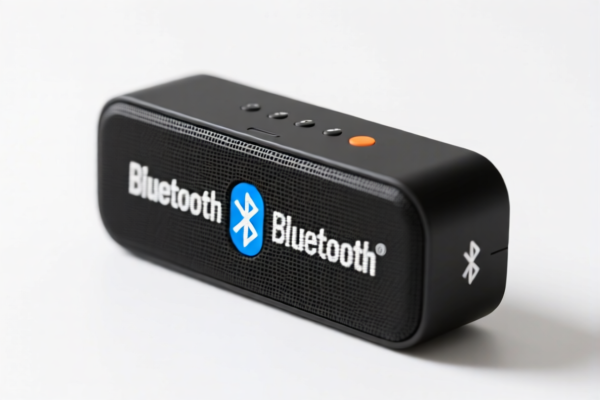
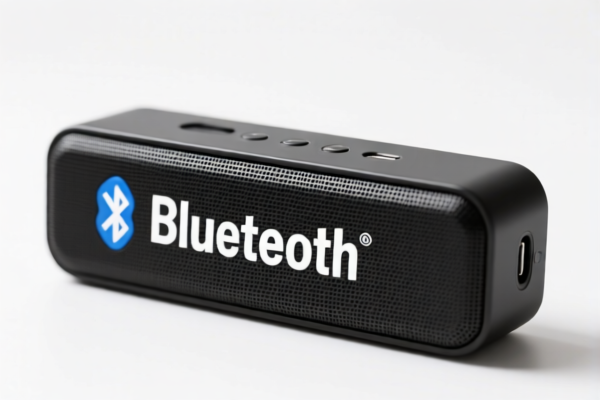
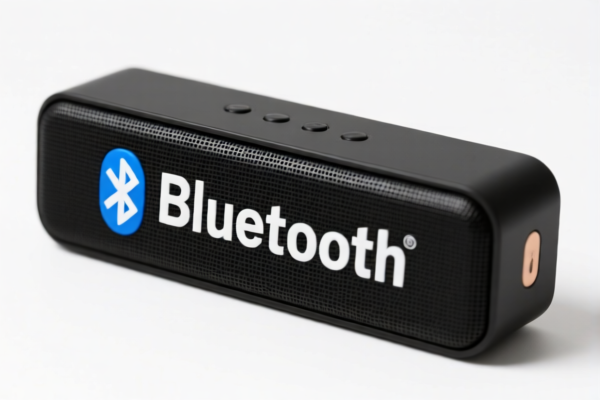
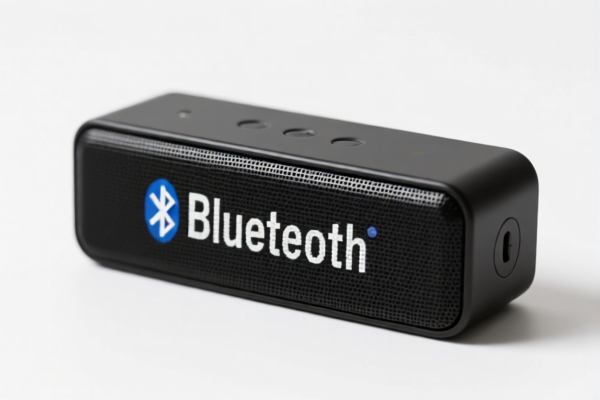
AI Analysis
📻 Small Bluetooth Speaker (Wireless Audio Devices)
🌐 HS Code Reference & Customs Clearance Guide | 2026 Latest Tariff Analysis | Professional通关 Strategy
📌 I. Product Definition & Classification: Do You Really Understand "Bluetooth Speakers"?
A Small Bluetooth Speaker is a portable audio output device that receives wireless audio signals via Bluetooth technology and amplifies them through built-in speakers. In international trade, its classification depends heavily on functionality (amplification vs. transmission) and integration (all-in-one vs. separate components).
There are two main classification paths: 1. Audio Output/Amplification Path: Classified under Chapter 85.18 (Sound or TV signal generators, microphones, loudspeakers, acoustic assemblies). This applies if the device is primarily for playing sound. 2. Transmission/Data Handling Path: Classified under Chapter 85.17 or 85.43 (Machines for apparatus, telecommunications, or independent electrical functions). This applies if the device is viewed as a data transmitter or a general-purpose electronic apparatus.
⚠️ Key Distinction Point:
- If the device is a self-contained player/speaker (Bluetooth receiver + amp + speaker + battery) → Generally 8518.21/22 (Lowest Tax).
- If classified as a general electronic apparatus (less common but possible for complex smart speakers) → 8543.70 (Higher Tax).
- If classified strictly as a data transmission unit (ignoring audio function) → 8517.69 (Highest Tax).
📦 II. HS Code Classification Details (2026 Latest Tariff Authority Comparison)
Based on the provided data, here are the five possible HS Codes with their matching logic:
| HS Code | Product Description | Matching Logic (Why it fits) | Tax Rate (Total) |
|---|---|---|---|
8518.21.00.00 |
Sound Loudspeakers, Mounted in Their Enclosures | ✅ Best Fit for Most Speakers. The device is a Bluetooth speaker. Its core function is audio output ("Loudspeaker"). It is mounted in an enclosure. Lowest Total Tax. | 17.5% |
8518.22.00.00 |
Sound Loudspeakers, Mounted in Their Enclosures (Other) | ✅ Alternative for Speakers. Similar to above, covers speakers where the specific sub-category of 8518.21 might not perfectly fit the internal component structure, but still clearly an audio device. | 17.5% |
8517.69.00.00 |
Machines for the Reception, Conversion and Transmission or Regeneration of Voice, Images or Other Data | ⚠️ Transmission Focus. Classifies the Bluetooth module as a "data transmission device." Ignores the speaker function. High Tax Risk. | 35.0% |
8543.70.98.10 |
Electrical Apparatus with Individual Functions, Not Specified Elsewhere (Amplifiers) | ⚠️ Amplifier Focus. Classifies the device primarily as an "audio amplifier" due to its independent amplification function. Higher tax due to classification nuance. | 37.6% |
8543.70.98.60 |
Electrical Apparatus with Individual Functions, Not Specified Elsewhere (Other) | ⚠️ General Electronic Device. A "catch-all" category for electrical apparatus not elsewhere specified. Used if the device is seen as a generic electronic consumer good. Highest Tax. | 37.6% |
🔍 Key Insight:
- 8518.21/22 is the preferred classification for simple Bluetooth speakers because it directly addresses the audio output function, which is the primary use case for consumers. - 8543 and 8517.69 are typically used if the device has complex data processing features or if customs officers misidentify it as a data transmission tool rather than an audio device.
💰 III. 2026 Latest Tariff Rate Breakdown (Including Surtaxes & Policy Add-ons)
✅ Applicable Country: United States (US)
✅ Origin: China (CN)
✅ Effective Date: From November 10, 2025 (for imports after this date)
🎯 1. 8518.21.00.00 & 8518.22.00.00 —— LOWEST TAX OPTION (Recommended)
Category: Sound Loudspeakers
| Item | Content |
|---|---|
| Base Tariff | 0.0% |
| USITC Surcharge (Section 301) | +7.5% |
| IEEPA Surcharge (China-specific) | +10% |
| Total Tariff Rate | 17.5% |
| De Minimis Exemption | ❌ Not Eligible (Section 301 tariffs apply to all shipments, including de minimis) |
| Legal Basis Path | USITC:8518.21.00.00 / USITC:8518.22.00.00 → FOOTNOTE:9903.88.01 (7.5%) → IEEPA:9903.01.25 (10%) |
📌 Explanation:
- Bluetooth speakers are considered "Loudspeakers" under Chapter 85.18. - The 7.5% USITC surcharge is a significant reduction from the standard 25% for many categories, but still applies. - The 10% IEEPA surcharge is mandatory for Chinese-origin goods. - Total Cost Impact: Only 17.5%, making this the most cost-effective classification.
🎯 2. 8517.69.00.00 —— HIGH TAX OPTION (Avoid if Possible)
Category: Data Transmission Machines
| Item | Content |
|---|---|
| Base Tariff | 0.0% |
| USITC Surcharge (Section 301) | +25.0% |
| IEEPA Surcharge (China-specific) | +10% |
| Total Tariff Rate | 35.0% |
| De Minimis Exemption | ❌ Not Eligible |
| Legal Basis Path | USITC:8517.69.00.00 → FOOTNOTE:9903.88.01 (25%) → IEEPA:9903.01.25 (10%) |
📌 Explanation:
- If customs classifies the Bluetooth feature as the primary function (data transmission), the 25% surcharge applies. - This is twice as expensive as classifying it as a speaker.
🎯 3. 8543.70.98.10 & 8543.70.98.60 —— HIGHEST TAX OPTION (Avoid)
Category: Other Electrical Apparatus / Amplifiers
| Item | Content |
|---|---|
| Base Tariff | 2.6% |
| USITC Surcharge (Section 301) | +25.0% |
| IEEPA Surcharge (China-specific) | +10% |
| Total Tariff Rate | 37.6% |
| De Minimis Exemption | ❌ Not Eligible |
| Legal Basis Path | USITC:8543.70.98.xx → FOOTNOTE:9903.88.01 (25%) → IEEPA:9903.01.25 (10%) + Base 2.6% |
📌 Explanation:
- These codes are "catch-alls" for electrical devices. - They incur the maximum Section 301 surcharge (25%) plus the base tariff (2.6%). - Total 37.6% is the highest possible rate among the options.
🛠️ IV. Customs Clearance Practical Advice (Real-World Pitfall Avoidance)
✅ 1. Preparation Checklist (Required Documents)
| Document | Mandatory? | Purpose |
|---|---|---|
| Product Specs | ✔️ | Must clearly state: "Bluetooth Wireless Speaker," "Audio Output," "Enclosed Loudspeaker." |
| Product Photos | ✔️ | Show the device with Bluetooth symbol, speaker grille, power button. Proves it's an audio device. |
| User Manual | ✔️ | Include instructions on how to pair with phones and play music. Reinforces "audio" function. |
| Test Reports | ✔️ | FCC ID (for US market), Bluetooth SIG certification, RoHS. |
| Commercial Invoice | ✔️ | Describe as "Bluetooth Audio Speaker" NOT "Bluetooth Data Transmitter." |
| Packing List | ✔️ | Ensure no separation of speaker parts that could imply disassembly. |
✅ 2. Declaration Tips (Critical Keywords)
🔥 Golden Rule:
"Describe as Audio, Not Data. Emphasize 'Speaker', Avoid 'Transmitter'."
| Scenario | Correct Declaration | Incorrect Declaration | Result |
|---|---|---|---|
| Standard Bluetooth Speaker | "Bluetooth Wireless Loudspeaker, Model XYZ, 10W, Black" | "Bluetooth Wireless Audio Transmitter Device" | 17.5% vs 35.0%+ |
| Smart Speaker (with Wi-Fi) | "Smart Bluetooth Speaker with Voice Assistant" | "Internet of Things (IoT) Data Terminal" | 17.5% vs 37.6% |
| Portable Audio Player | "Portable Bluetooth Speaker with Built-in Battery" | "Portable Digital Audio Data Receiver" | 17.5% vs 35.0% |
📌 Key Advice:
- Never use the word "Transmitter" as the primary function in the description. - Use words like "Loudspeaker," "Audio Player," "Sound System," "Speaker." - If the device has a USB port for charging, do not describe it as a "USB Data Transfer Device."
✅ 3. Special Handling
| Situation | Recommendation |
|---|---|
| Device has built-in microphone for calls | Still classify under 8518.21/22. The microphone is ancillary to the speaker function. |
| Device is a "Soundbar" | Still 8518.21/22 if it's an enclosed speaker system. |
| Device is a Bluetooth Dongle (No Speaker) | Classify under 8517.69 (Data Transmission). This will incur 35.0% tax. No speaker = No 8518. |
| Device is a "Smart Home Hub" with speakers | Risk of 8543.70. Provide detailed circuit diagrams to prove audio function is primary. |
🌍 V. Global Market Comparison (2026 Latest)
| Country/Region | Recommended HS Code | Total Tariff (China Origin) | Certification | Notes |
|---|---|---|---|---|
| 🇺🇸 USA | 8518.21.00.00 / 8518.22.00.00 |
17.5% | FCC, RoHS | Lowest US Tariff. Avoid 8517/8543. |
| 🇨🇳 China | 8518.21.00.00 |
0% (Import Duty) | CCC | Low tax, high volume. |
| 🇪🇺 EU | 8518.21.00.00 |
0% | CE, RoHS, ErP | No additional surcharges. |
| 🇬🇧 UK | 8518.21.00.00 |
0% | UKCA | Post-Brexit rules align with EU. |
| 🇨🇦 Canada | 8518.21.00.00 |
0% (under CUSMA) | IC, RSS-Gen | Preferential tariff available. |
📌 Conclusion:
- The USA is the ONLY major market with high surcharges. - Correct Classification (8518) saves you ~20% in taxes compared to misclassification (8517/8543). - Accuracy is Critical: One wrong word can double your customs cost.
📌 VI. Common Mistakes & Pitfalls (Lessons Learned)
❌ Mistake 1: Using "Bluetooth Transmitter" in the product title.
👉 Consequence: Customs classifies as 8517.69 → 35.0% Tax.
👉 Fix: Change title to "Bluetooth Speaker" or "Wireless Audio Speaker."
❌ Mistake 2: Declaring as "Electrical Apparatus" (8543) for simplicity.
👉 Consequence: 37.6% Tax + Higher Scrutiny.
👉 Fix: Use specific audio code 8518.
❌ Mistake 3: Not declaring the Bluetooth Function.
👉 Consequence: Customs may misclassify as "Other Electronic Toy" or similar, leading to delays.
👉 Fix: Clearly state "Wireless Connectivity: Bluetooth 5.0" in specs.
✅ Correct Declaration Example:
"Portable Wireless Bluetooth Speaker, Model XYZ, 10W Output, Built-in Battery, Enclosed Loudspeaker, FCC Certified"
🎯 VII. Conclusion: Smart Classification, Higher Profit Margins!
🎯 Remember the Mantra:
🔹 "Speaker is 17.5%, Transmitter is 35%. Amplifier is 37.6%. Don't pay double!"
🔹 "Use Chapter 85.18. Avoid 85.17 and 85.43 for simple speakers."
🔹 "Accurate description saves thousands!"
📌 Pro Tip:
If your speaker is shipped with a separate Bluetooth receiver unit (not built-in), the receiver itself might be classified under 8517.69 (35%). Ensure the speaker and receiver are clearly described, but the main unit (speaker) should be 8518.
📣 Immediate Action Required:
📞 Contact your customs broker
📄 Provide Product Photos & Specs
🏷️ Update HS Code to8518.21.00.00or8518.22.00.00
🚀 Secure the 17.5% Rate!
✨ Professional Classification Starts with Precision!
💼 Every Percentage Point in Tariff is Pure Profit or Loss!
Customer Reviews
About HS Code Classification
The Harmonized System (HS) is an internationally standardized nomenclature developed by the World Customs Organization (WCO) to classify traded products. Over 200 countries use the HS system as the basis for customs tariffs, trade statistics, and import/export regulations.
Each HS code follows a hierarchical structure:
- Chapter (2 digits) — Broad category of goods (e.g., Chapter 84: Machinery and Mechanical Appliances)
- Heading (4 digits) — More specific grouping within the chapter
- Subheading (6 digits) — Internationally standardized breakdown, used by all WCO member countries
- National subdivisions (8-10 digits) — Country-specific extensions for further classification, such as US HTSUS 10-digit codes
Correct HS code classification is essential for smooth customs clearance, accurate duty payment, and compliance with trade regulations. Misclassification can lead to customs delays, overpayment of duties, or penalties.
When importing from CN to US, the applicable tariff rates may include:
- Most-Favored-Nation (MFN) rate — The standard duty rate applied to WTO members
- General rate — Applied to countries without trade agreements
- Trade remedy duties — Additional tariffs such as Section 301 (anti-dumping), Section 232 (national security), or countervailing duties
The information provided on this page is for reference purposes only. For official classification, please consult with your local customs authority or a licensed customs broker.