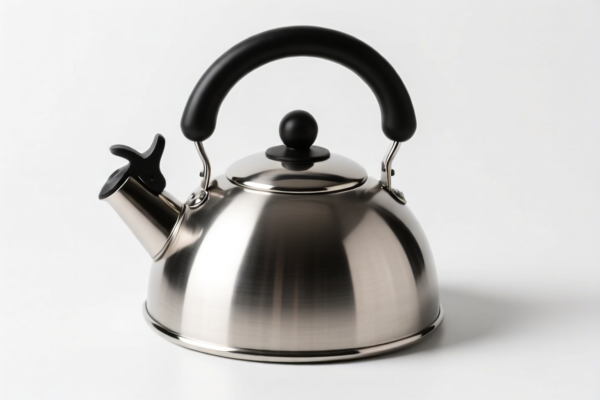
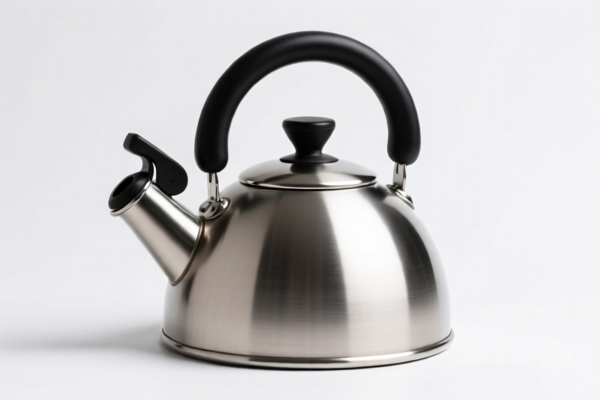
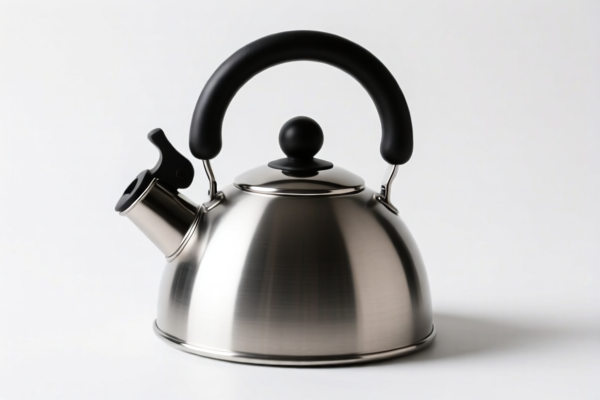
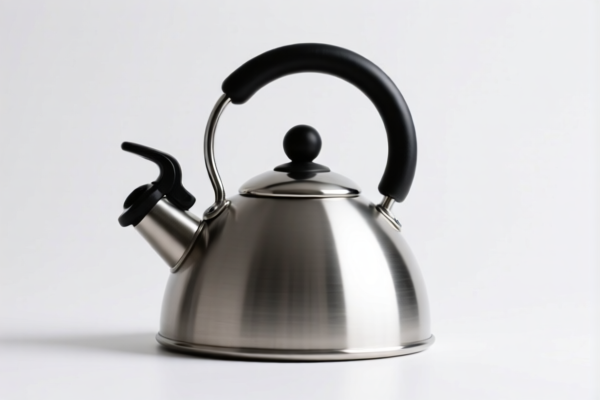
small kettle
CN → US| HS Code | Tariff Rate | Origin | Destination | Doc |
|---|---|---|---|---|
| 7323930015 | 62.0% | CN | US | Official Doc |
| 7323940010 | 70.2% | CN | US | Official Doc |
| 7615107155 | 63.1% | CN | US | Official Doc |
| 7615103025 | 70.6% | CN | US | Official Doc |
| 8516790000 | 12.7% | CN | US | Official Doc |
| 8516710080 | 21.2% | CN | US | Official Doc |
Product Images
AI Analysis
🫖 Electric Kettles & Aluminum Cookware (The "Small Kettle" Classification)
🌐 HS Code Reference & Customs Clearance Guide | 2026 Latest Tariff Analysis | Professional Clearance Strategy
📌 I. Product Definition & Classification: Is it "Aluminum" or "Steel"? Is it "Electric"?
The term "Small Kettle" is ambiguous in international trade. It generally refers to household water heating or cooking vessels. However, customs classification depends strictly on three critical factors: 1. Material: Aluminum vs. Iron/Steel (Stainless). 2. Function: Purely mechanical (cooking ware) vs. Electrothermic (heating element). 3. Finish: Enameled/Glazed/Non-stick vs. Plain Metal.
⚠️ Critical Distinction:
- If it has a plug, cord, and heating element → It is an Electrothermic Appliance (Chapter 85).
- If it is plain metal with no electrical components → It is Household Articles (Chapter 73 or 76).
- Misclassification Risk: Declaring an electric kettle as "Aluminum Pot" (HS 7615) will result in massive tariff penalties (e.g., 60% vs 0% or 52% vs 0%).
📦 II. HS Code Classification Matrix (2026 Latest Tariff Authority)
| HS Code | Product Description | Applicable Scenario | Material/Feature |
|---|---|---|---|
8516.71.00.80 |
Electric Coffee or Tea Makers (Other) | Electric kettles, thermal pots, instant water heaters | ✅ Has Heating Element |
8516.79.00.00 |
Other Electrothermic Appliances | Generic electric heaters, immersion heaters, specialized electric cookers | ✅ Has Heating Element |
7323.93.00.15 |
Cooking Ware: Teakettles (Stainless Steel) | Stainless steel kettles, tea pots (non-electric) | ✅ No Element, Stainless Steel |
7323.94.00.10 |
Cooking Ware: Teakettles (Enamelled Steel) | Enamelled steel kettles, traditional steel pots | ✅ No Element, Steel + Enamel |
7615.10.71.55 |
Cooking Ware: Other (Aluminum, Not Enamelled) | Plain aluminum pots, uncoated aluminum kettles | ✅ No Element, Aluminum, Plain |
7615.10.30.25 |
Cooking Ware: Other (Aluminum, Enameled/Non-stick) | Non-stick aluminum pans, enameled aluminum pots | ✅ No Element, Aluminum + Coating |
🔍 Key Reminder:
- "Electric" items fall under 8516. The tariff for electric kettles (8516.71.00.80) is 0.0% base.
- "Non-Electric" items fall under 73 or 76. These attract high "Section 301" style additional tariffs.
- Do not mix: A "Small Electric Kettle" CANNOT be classified under 7615 or 7323.
💰 III. 2026 Latest Tariff Rate Breakdown (Detailed Tax Clauses)
✅ Applicable Country: United States (US)
✅ Origin: China (CN)
✅ Effective Time: Current Trade Restrictions Apply
🎯 1. 8516.71.00.80 — Electric Coffee/Tea Makers & Kettles
| Item | Content |
|---|---|
| Base Tariff | 0.0% (ad valorem) |
| Additional Tariff | 0.0% |
| Total Tax Rate | 0.0% |
| Tax Detail | Base: 0.0%, Additional: 0.0% |
| Special Clause | NO "Steel, Aluminum, Copper Products" surcharge applies here. |
| Legal Basis | General Harmonized Tariff Schedule (HTSUS) Chapter 85. |
📌 Explanation:
- Electric kitchen appliances (like kettles and coffee makers) are exempt from the specific "Steel, Aluminum, Copper Products" additional tariff mentioned in other codes.
- This is the most cost-effective classification for electric small appliances.
- Warning: Ensure the product actually contains a heating element. If it’s just a heated carafe (no element in the base), it might be reclassified.
🎯 2. 8516.79.00.00 — Other Electrothermic Appliances
| Item | Content |
|---|---|
| Base Tariff | 2.7% (ad valorem) |
| Additional Tariff | 0.0% |
| Total Tax Rate | 2.7% |
| Tax Detail | Base: 2.7%, Additional: 0.0% |
| Special Clause | Does not fall under the specific "Steel/Aluminum" surcharge list. |
📌 Explanation:
- Used for electric appliances that don't fit "Coffee/Tea Makers" (e.g., specialized immersion heaters, other electric cookers).
- Low tariff burden compared to metal cookware.
🎯 3. 7323.93.00.15 — Stainless Steel Teakettles (Non-Electric)
| Item | Content |
|---|---|
| Base Tariff | 2.0% |
| Additional Tariff | 0.0% (Base) + 50% (Specific Surcharge) |
| Total Tax Rate | 52.0% |
| Tax Detail | Base: 2.0%, Additional: 0.0% [Steel, Aluminum, Copper Products Surcharge: 50%] |
| Special Clause | HIGH RISK: Subject to the 50% surcharge on Steel products. |
📌 Explanation:
- If you sell a stainless steel kettle without electricity, you pay 52%.
- The "Steel, Aluminum, Copper Products" surcharge of 50% is applied on top of the base duty.
- Strategy: Always prefer electric classification (8516) for kettles to avoid this 50% penalty.
🎯 4. 7323.94.00.10 — Enamelled Steel Teakettles (Non-Electric)
| Item | Content |
|---|---|
| Base Tariff | 0.0% |
| Additional Tariff | 0.0% (Base) + 50% (Specific Surcharge) |
| Total Tax Rate | 50.0% |
| Tax Detail | Base: 0.0%, Additional: 0.0% [Steel, Aluminum, Copper Products Surcharge: 50%] |
📌 Explanation:
- Even with 0% base duty, the 50% surcharge kills the profit margin.
- Applies to traditional enamel-coated steel pots/kettles.
🎯 5. 7615.10.71.55 — Aluminum Cookware (Not Enamelled)
| Item | Content |
|---|---|
| Base Tariff | 3.1% |
| Additional Tariff | 0.0% (Base) + 50% (Specific Surcharge) |
| Total Tax Rate | 53.1% |
| Tax Detail | Base: 3.1%, Additional: 0.0% [Steel, Aluminum, Copper Products Surcharge: 50%] |
📌 Explanation:
- Plain aluminum pots/kettles incur a 53.1% total duty.
- The "Steel, Aluminum, Copper Products" surcharge applies directly to Aluminum items.
🎯 6. 7615.10.30.25 — Aluminum Cookware (Enameled/Non-stick)
| Item | Content |
|---|---|
| Base Tariff | 3.1% |
| Additional Tariff | 7.5% (Specific) + 50% (Specific Surcharge) |
| Total Tax Rate | 60.6% |
| Tax Detail | Base: 3.1%, Additional: 7.5% [Steel, Aluminum, Copper Products Surcharge: 50%] |
📌 Explanation:
- The highest tax rate in the list.
- Applies to non-stick aluminum pans or enameled aluminum pots.
- Avoid classifying electric kettles here; it is for non-electric coated aluminum ware.
🛠️ IV. Customs Clearance Practical Advice (Battle-Tested Pitfall Guide)
✅ 1. Preparation Checklist (Non-Negotiable)
| Document | Required? | Note |
|---|---|---|
| ✅ Product Photos | ✔️ | Must clearly show HEATING ELEMENT (cord, plug, switch) for HS 8516. |
| ✅ Technical Specs | ✔️ | Voltage (110V/220V), Wattage, Capacity. |
| ✅ Internal Diagram | ✔️ | Proof of electrical components (thermostat, heating tube). |
| ✅ UL/ETL Certificate | ✔️ | Mandatory for US market for any electric appliance. |
| ✅ Commercial Invoice | ✔️ | Must state "Electric Kettle" or "Electric Tea Maker", NOT "Aluminum Pot". |
✅ 2. Declaration Strategy (Key Mantra)
🔥 "Electric Gets 0%, Metal Pays 50%+! Show the Cord, Save the Cost!"
| Scenario | Correct HS Code | Incorrect HS Code | Consequence |
|---|---|---|---|
| Electric Kettle | 8516.71.00.80 |
7615.10.71.55 (Aluminum) |
Penalty: Underpayment of ~53% + Interest + Possible Seizure. |
| Stainless Steel Kettle (No Plug) | 7323.93.00.15 |
8516.71.00.80 (Electric) |
Penalty: Overpayment (0% vs 52%). Buyer refuses cargo. |
| Aluminum Pot (No Element) | 7615.10.71.55 |
8516.79.00.00 |
Penalty: Classification Error. Seizure risk. |
✅ 3. Special Case Handling
| Situation | Handling Advice |
|---|---|
| Heated Carafe (Thermal Pot) | If the base is electric but the carafe is just a container, declare as 8516.71.00.80. Provide proof that the heating element is in the base unit. |
| "Aluminum" Electric Kettle | Even if the body is aluminum, if it has a plug, it is 8516.71.00.80 (0% tax), NOT 7615 (53% tax). Material does not override function. |
| Mixed Container (One Kettle + One Aluminum Pot) | Declare separately! Kettle: 8516.71.00.80 (0%). Pot: 7615.10.71.55 (53.1%). Do not lump them as "Household Items". |
🌍 V. Global Market Comparison (2026 Latest)
| Country | Recommended HS Code | Tax Rate (China Origin) | Certification | Note |
|---|---|---|---|---|
| 🇺🇸 USA | 8516.71.00.80 |
0.0% | UL/ETL, FCC | Electric = 0%. Metal = 50%+. |
| 🇪🇺 EU | 8516.71.00 |
2.3% - 4% | CE, RoHS, WEEE | Standard appliance tax. |
| 🇨🇳 China | 8516.71.00 |
0% (if imported) | CCC | Low import duty for electric. |
| 🇬🇧 UK | 8516.71.00 |
0% - 4% | UKCA | Post-Brexit standards apply. |
📌 Conclusion:
- USA is the most sensitive to material-based surcharges.
- Electric classification is the golden key to avoiding the 50% "Steel/Aluminum" surcharge.
- Always provide electrical certification to prove it's not just a metal pot.
📌 VI. Common Mistakes & Pitfalls (Blood & Tears Lessons)
❌ Mistake 1: Describing an electric kettle as "Aluminum Tea Pot" in the invoice.
👉 Consequence: Customs assumes it's non-electric → Applies 53.1% Tax + Audit.
✅ Fix: Use "Electric Kettle" or "Electric Water Heater".
❌ Mistake 2: Declaring a Stainless Steel kettle as "Household Articles" without specifying "Stainless Steel".
👉 Consequence: Customs may classify under higher duty or demand proof of material.
✅ Fix: Specify "Stainless Steel Teakettle, Non-Electric".
❌ Mistake 3: Ignoring the "Steel, Aluminum, Copper Products" surcharge clause.
👉 Consequence: Budgeting for 3% duty but facing 53% at border.
✅ Fix: ALWAYS check for the 50% surcharge on non-electric metal items.
✅ Correct Declaration Example:
"Electric Kettle, 1.7L, Stainless Steel Body, Plastic Base, 120V/1500W, UL Listed, Model XYZ"
HS Code:8516.71.00.80
Tax: 0.0%
🎯 VII. Conclusion: Precision Classification Saves Millions!
🎯 Remember the Mantra:
🔹 "Electric is 0%, Metal is 50%! Show the Cord, Not the Metal!"
🔹 "HS Code Dictates Profit, One Digit Difference, 50% Tax Gap!"
📌 Pro Tip:
If your "Small Kettle" is pre-heated (just holds hot water, no element) but marketed as "electric", ensure the heating element is detachable or clearly part of the unit. If it's just a thermos, classify as 7323 or 7615 but expect 50%+ tax.
Recommendation: For the US market, only ship Electric Kettles (8516) to maximize margin.
📣 Immediate Action:
📞 Contact Customs Broker: Provide photos of the plug and heating base.
📄 Apply for Pre-Classification: Avoid surprise 53% duties at the port.
🚀 Clear Customs Smoothly, Keep Your Margins High!
✨ Professional Clearance Starts with Accurate Classification!
💼 Your Bottom Line Depends on These 6 Digits!
Customer Reviews
About HS Code Classification
The Harmonized System (HS) is an internationally standardized nomenclature developed by the World Customs Organization (WCO) to classify traded products. Over 200 countries use the HS system as the basis for customs tariffs, trade statistics, and import/export regulations.
Each HS code follows a hierarchical structure:
- Chapter (2 digits) — Broad category of goods (e.g., Chapter 84: Machinery and Mechanical Appliances)
- Heading (4 digits) — More specific grouping within the chapter
- Subheading (6 digits) — Internationally standardized breakdown, used by all WCO member countries
- National subdivisions (8-10 digits) — Country-specific extensions for further classification, such as US HTSUS 10-digit codes
Correct HS code classification is essential for smooth customs clearance, accurate duty payment, and compliance with trade regulations. Misclassification can lead to customs delays, overpayment of duties, or penalties.
When importing from CN to US, the applicable tariff rates may include:
- Most-Favored-Nation (MFN) rate — The standard duty rate applied to WTO members
- General rate — Applied to countries without trade agreements
- Trade remedy duties — Additional tariffs such as Section 301 (anti-dumping), Section 232 (national security), or countervailing duties
The information provided on this page is for reference purposes only. For official classification, please consult with your local customs authority or a licensed customs broker.