small polyethylene packaging bag
CN → US| HS Code | Tariff Rate | Origin | Destination | Doc |
|---|---|---|---|---|
| 3923210011 | 38.0% | CN | US | Official Doc |
| 3923210080 | 38.0% | CN | US | Official Doc |
| 3923210095 | 38.0% | CN | US | Official Doc |
| 3923290000 | 38.0% | CN | US | Official Doc |
| 3923210030 | 38.0% | CN | US | Official Doc |
Product Images
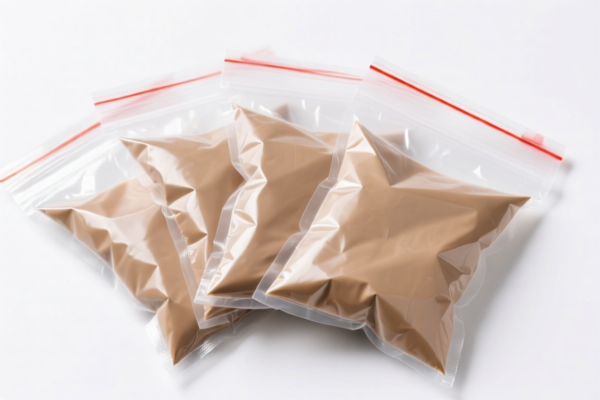
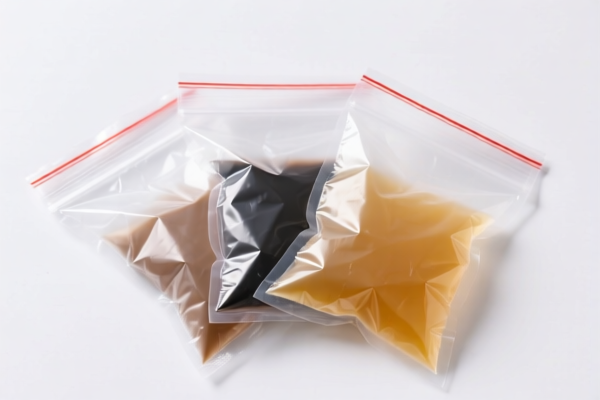
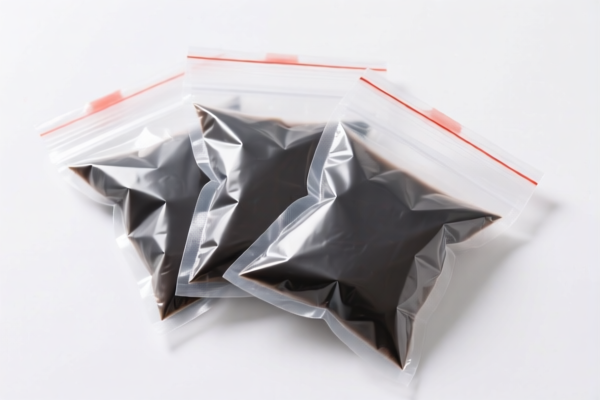
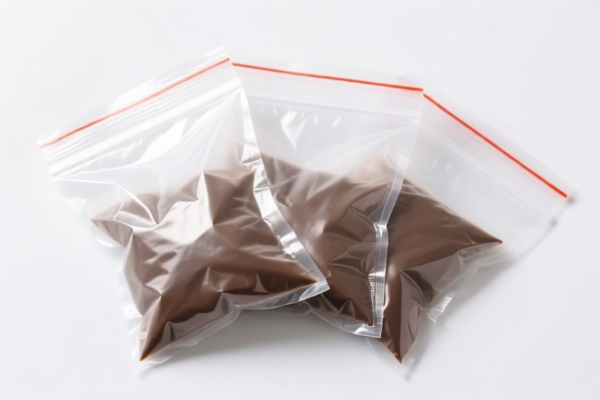
AI Analysis
🛍️ Small Polyethylene Packaging Bag (PE Bags)
🌐 HS Code Reference & Customs Clearance Guide | 2026 Latest Tariff Analysis | Professional Strategy for PE Bags
📌 I. Product Definition & Classification: What Exactly Is a "Polyethylene Bag"?
Small polyethylene bags are flexible packaging solutions made primarily from polyethylene (PE) resin. In international trade, they are categorized based on their specific shape, usage, and structural characteristics. While they may look similar, minor differences in design (e.g., "bag" vs. "envelope") determine their HS Code and, consequently, the tariff burden.
Key Distinction Points: - General Polyethylene Bag: Standard flexible pouches, shopping bags, or industrial sacks. - Polyethylene Envelope Bag: Bags with adhesive strips or specific envelope-like structures for mailing/documents. - Industrial vs. Consumer Grade: Usage intent (transportation/packaging vs. retail/consumer goods) can influence classification nuances, though material remains primary.
⚠️ Critical Note for Classification:
- If the bag is a standard flexible pouch, it typically falls under 3923.21.
- If it is an envelope-style bag (often used for letters/documents), it may fall under 3923.29 or 3923.21, depending on specific structural definitions in local customs rulings.
- Material Consistency: All items below are made of Polyethylene (PE), an ethylene polymer.
📦 II. HS Code Classification Details (2026 Authoritative Alignment)
| HS Code | Product Description | Summary & Applicability | Tax Rate |
|---|---|---|---|
3923.21.00.11 |
Polyethylene Bag | Material: Polyethylene. Form: Bag. Fits the classification of bags made of ethylene polymers. General purpose packaging. | 38.0% |
3923.21.00.80 |
Polyethylene Bag | Material: Polyethylene. Form: Bag. Fully conforms to material and usage requirements for general polyethylene bags. | 38.0% |
3923.21.00.95 |
Polyethylene Envelope Bag | Material: Polyethylene. Form: Envelope Bag. Classified under ethylene polymer sack/pouch products with envelope characteristics. | 38.0% |
3923.29.00.00 |
Polyethylene Envelope Bag | Material: Polyethylene. Form: Envelope Bag. Fits the classification for "other sacks and bags" of plastics, specifically those not primarily listed in 3923.21. | 38.0% |
3923.21.00.30 |
Industrial-Grade Polyethylene Bag | Material: Polyethylene. Form: Bag. Usage: Industrial packaging. Fits the category of goods for transportation or packaging supplies. | 38.0% |
🔍 重点提醒 (Key Reminder):
- All five HS Codes above result in a Total Tax Rate of 38.0%.
- The distinction between these codes is largely administrative and descriptive rather than tax-rate differentiating in this specific context.
- Ensure your commercial invoice description matches the specific HS Code selected (e.g., "Industrial Bag" for.30, "Envelope Bag" for.95or.00).
💰 III. 2026 Latest Tariff Rate Breakdown (Including Surcharges & Policy Add-ons)
✅ Applicable Country: United States (US)
✅ Origin: China (CN)
✅ Effective Time: Ongoing (Current Trade War Tariffs)
🎯 Unified Tariff Structure for All Listed HS Codes
For all five HS Codes (3923.21.00.11, .80, .95, 3923.29.00.00, 3923.21.00.30), the tax structure is identical:
| Item | Content |
|---|---|
| Base Tariff Rate | 3.0% (Most Favored Nation / MFN rate) |
| Section 301 Surcharge (Add-on) | +25.0% (Under USITC Footnote 9903.88.01 for specific plastic articles) |
| Section 122 Tariff (IEEPA) | +10.0% (Additional duty under International Emergency Economic Powers Act) |
| Total Tax Rate | 38.0% |
| Tax Calculation Basis | CIF Value (Cost, Insurance, and Freight) × 38.0% |
| De Minimis Exemption Eligibility | ❌ NOT Eligible (Deny de minimis). These goods do not qualify for the $800 exemption. |
| Legal Authority Path | MFN Base → Section 301 (25%) → Section 122 (10%) → Total 38% |
📌 Interpretation:
- Base Rate (3%): Standard MFN duty for plastic bags/sacks.
- Section 301 (25%): This is the primary "trade war" tariff affecting many Chinese-origin plastic products.
- Section 122 (10%): An additional layer of duty imposed under national security/emergency powers.
- Total Impact: A 38% effective tariff rate significantly impacts profit margins. De minimis (Section 321) exemptions are explicitly blocked for these classifications, meaning even small shipments (under $800) are subject to duty and potential examination.
🛠️ IV. Customs Clearance Practical Advice (Avoiding Pitfalls)
✅ 1. Documentation Checklist (Non-Negotiable)
| Document | Required? | Notes |
|---|---|---|
| Commercial Invoice | ✅ Yes | Must clearly state: "Polyethylene Bag" + Material (% PE) + Intended Use (Industrial/Consumer). |
| Packing List | ✅ Yes | Detail weight, dimensions, and quantity. Avoid vague terms like "Mixed Goods." |
| Product Description | ✅ Yes | Match the HS Code description. If using .30, specify "Industrial Grade." If using .95, specify "Envelope Style." |
| Material Composition Certificate | ✅ Recommended | Proves the bag is >95% Polyethylene (PE). If mixed with other plastics, classification may change. |
| Manufacturer Info | ✅ Yes | Required for Country of Origin determination. |
| Section 301 Exclusion List | ❌ Not Available | Confirm current status; generally, no exclusions are active for standard PE bags from China. |
✅ 2. Declaration Strategy (Key Tips)
🔥 "Describe Accurately, Declare Correctly, Avoid Penalties!"
| Scenario | Correct Declaration | Common Mistake | Consequence |
|---|---|---|---|
| Standard Retail Bag | 3923.21.00.11 or .80 |
Declaring as "Plastic Product" without HS Code | Delay, Rejection, 10% Misdeclaration Penalty |
| Envelope-Style Bag | 3923.21.00.95 or .29.00.00 |
Calling it a "Mail Envelope" (Paper) | Wrong HS Code, Potential Fraud Allegation |
| Industrial Sack | 3923.21.00.30 |
Calling it "Gift Packaging" | Misclassification of Use, Audit Risk |
| Mixed Material Bag | Check % Content | Assuming it's PE if it looks like PE | Wrong HS Code, Higher Taxes (if other materials have higher duties) |
✅ 3. Special Circumstances Handling
| Situation | Recommendation |
|---|---|
| De Minimis (Under $800) | DO NOT attempt to use Section 321 exemption for these HS Codes from China. It is explicitly denied. Pay duties upfront. |
| Re-export from Third Country | If sourced from Vietnam/Malaysia, ensure Substantial Transformation occurred. Otherwise, US Customs may still apply China-origin tariffs. |
| Recycled PE Bags | If >50% recycled content, some incentives may exist, but 38% tariff likely remains unless specific exemptions apply. Provide recycling certificates. |
| Customs Valuation | Ensure transaction value includes all costs (freight, insurance) to avoid undervaluation penalties. |
🌍 V. Global Market Comparison (2026 Context)
| Country/Region | Recommended HS Code | Tariff (China Origin) | Notes |
|---|---|---|---|
| 🇺🇸 USA | 3923.21.* or 3923.29.00 |
38.0% (Base 3% + 301 25% + 122 10%) | De Minimis Blocked. High cost. |
| 🇨🇳 China | 3923.21.00 |
5.0% (Import Duty) | Low duty, no 301/122 surcharges. |
| 🇪🇺 EU | 3923.29.90 |
4.0% + VAT | No Section 301/122 equivalents. Standard EU duty. |
| 🇲🇽 Mexico | 3923.29.99 |
5.0% (USMCA if Originated) | Check USMCA rules of origin for tariff-free entry. |
| 🇻🇳 Vietnam | 3923.29.99 |
0% (if Originated) | Consider sourcing from Vietnam to avoid US tariffs. |
📌 Conclusion:
- The US market is the most challenging for Chinese PE bags due to the 38% cumulative tariff.
- No de minimis loophole exists for these items.
- Supply Chain Diversification: Sourcing from non-China origins (e.g., Vietnam, Thailand, India) is a strategic recommendation to mitigate tariff costs.
📌 VI. Common Errors & Pitfalls (Lessons Learned)
❌ Error 1: Attempting to ship via De Minimis (Under $800) to avoid the 38% tariff.
👉 Result: Package seized, duties charged + penalty, carrier refused.
Correct: Always declare duties and taxes for US-bound PE bags from China.
❌ Error 2: Using vague descriptions like "Plastic Stuff" on the invoice.
👉 Result: Customs inspection, potential seizure, 10% penalty for inaccurate declaration.
Correct: Use precise terms: "Polyethylene Bag, 12x18 inch, 2 mil thickness, Industrial Grade."
❌ Error 3: Ignoring the "Section 122" 10% surcharge.
👉 Result: Underpayment of duties, leading to post-entry audits and back-taxes.
Correct: Include all 3 components (3% + 25% + 10%) in your landed cost calculation.
❌ Error 4: Confusing "Envelope Bag" with "Paper Envelope."
👉 Result: Wrong HS Code (4916 vs 3923), leading to classification errors.
Correct: Confirm material is Polyethylene, not paper, even if it looks like an envelope.
🎯 VII. Conclusion: Smart Clearance, Cost Control
🎯 Key Takeaways:
🔹 "No De Minimis for PE Bags from China" – Always pay the 38%.
🔹 "Base 3 + 301 25 + 122 10 = 38" – Understand the components to audit costs.
🔹 "Describe Precisely" – Match invoice description to HS Code exactly.
📌 Pro Tip:
If you are shipping less than $800 frequently, consider:
1. Consolidating shipments (if possible, though de minimis still blocked).
2. Sourcing from non-China countries (e.g., Vietnam, India) to potentially qualify for lower MFN rates or no 301/122 tariffs.
3. Applying for a Tariff Classification Ruling (TCR) from CBP if you have unique bag structures not clearly covered.
📣 Immediate Action:
📞 Contact a Licensed Customs Broker: Provide product samples and invoices.
📝 Calculate Landed Cost: Include 38% duty + carrier fees + warehouse costs.
🚀 Optimize Supply Chain: Explore alternative origins if margin pressure is high.
✨ Professional Customs Clearance Starts with Accurate Classification!
💼 Your Profit Margin Depends on Precision!
Customer Reviews
About HS Code Classification
The Harmonized System (HS) is an internationally standardized nomenclature developed by the World Customs Organization (WCO) to classify traded products. Over 200 countries use the HS system as the basis for customs tariffs, trade statistics, and import/export regulations.
Each HS code follows a hierarchical structure:
- Chapter (2 digits) — Broad category of goods (e.g., Chapter 84: Machinery and Mechanical Appliances)
- Heading (4 digits) — More specific grouping within the chapter
- Subheading (6 digits) — Internationally standardized breakdown, used by all WCO member countries
- National subdivisions (8-10 digits) — Country-specific extensions for further classification, such as US HTSUS 10-digit codes
Correct HS code classification is essential for smooth customs clearance, accurate duty payment, and compliance with trade regulations. Misclassification can lead to customs delays, overpayment of duties, or penalties.
When importing from CN to US, the applicable tariff rates may include:
- Most-Favored-Nation (MFN) rate — The standard duty rate applied to WTO members
- General rate — Applied to countries without trade agreements
- Trade remedy duties — Additional tariffs such as Section 301 (anti-dumping), Section 232 (national security), or countervailing duties
The information provided on this page is for reference purposes only. For official classification, please consult with your local customs authority or a licensed customs broker.