small speaker
CN → US| HS Code | Tariff Rate | Origin | Destination | Doc |
|---|---|---|---|---|
| 8517690000 | 35.0% | CN | US | Official Doc |
| 8543709810 | 37.6% | CN | US | Official Doc |
| 8518210000 | 17.5% | CN | US | Official Doc |
| 8543709860 | 37.6% | CN | US | Official Doc |
| 8518210000 | 17.5% | CN | US | Official Doc |
Product Images
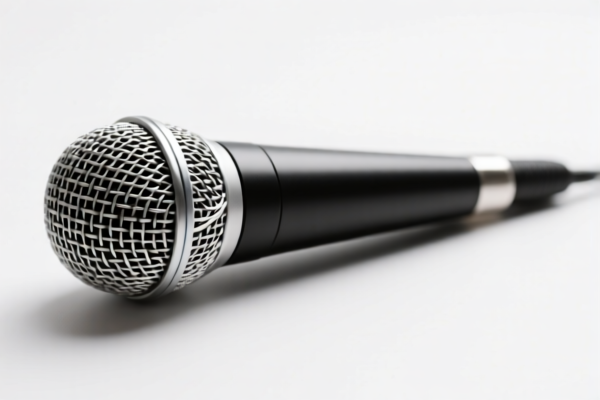
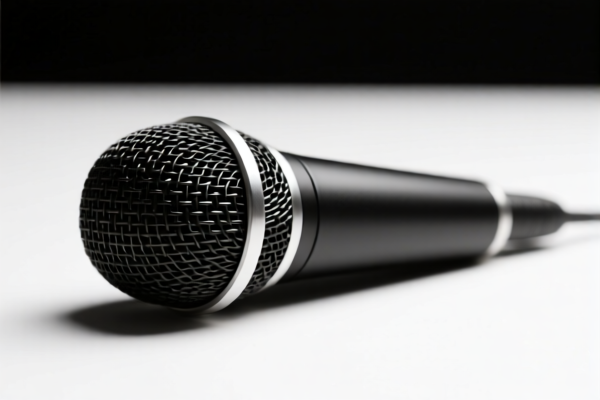
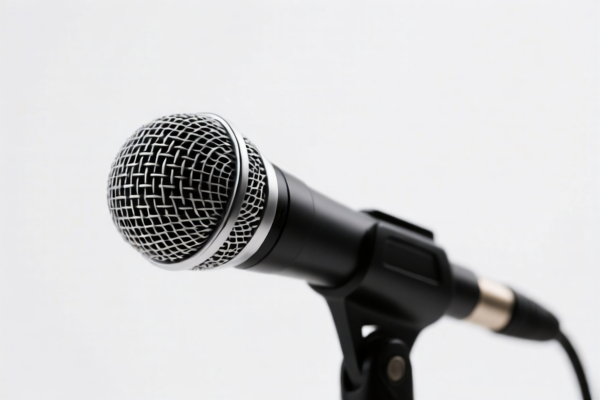
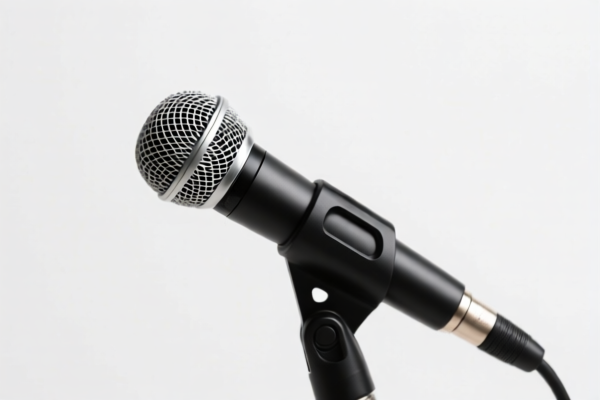
AI Analysis
🔊 Small Speaker (Bluetooth Audio Device)
🌐 HS Code Reference & Customs Clearance Guide | 2026 Latest Tariff Analysis | Professional-Level Clearance Strategy
📌 I. Product Definition & Classification: Do You Really Understand "Small Speaker"?
A "Small Speaker" is a generic term often referring to portable audio output devices. In international trade, specifically under US Customs regulations, the classification depends heavily on the internal circuitry, functionality, and form factor.
The data provided highlights three distinct classifications based on functional interpretation: 1. Audio Transmission/Reception Device: If it primarily functions as a data bridge for audio (e.g., a Bluetooth adapter/dongle with speaker capability). 2. Audio Amplifier: If it contains independent amplification circuits for boosting audio signals. 3. Speaker (Loudspeaker): If it is a standard Bluetooth speaker focused on audio output.
⚠️ Critical Distinction:
- Bluetooth Audio Adapter/Receiver: Functionally transfers audio data → 8517.69.00.00
- Standalone Amplifier: Functionally boosts signal → 8543.70.98.10
- Standard Bluetooth Speaker: Functionally outputs sound → 8518.21.00.00
📦 II. HS Code Classification Details (Based on Provided Data)
| HS Code | Product Description | Functionality | Tax Rate (Total) | Key Tax Components |
|---|---|---|---|---|
8517.69.00.00 |
Other Transmission/Reception Apparatus (Bluetooth Audio Data Transfer) |
Acts as a bridge to transmit/receive audio data via Bluetooth. | 35.0% | Base: 0% Section 301: 25% Section 122: 10% |
8543.70.98.10 |
Other Electric Machines/Apparatus (Independent Audio Amplifier) |
Contains an independent audio amplification circuit. | 37.6% | Base: 2.6% Section 301: 25% Section 122: 10% |
8518.21.00.00 |
Loudspeakers (Bluetooth Speaker) |
Standard audio output device (Bluetooth-enabled). | 17.5% | Base: 0% Section 301: 7.5% Section 122: 10% |
8543.70.98.60 |
Other Electric Machines/Apparatus (General Electronic Consumer Device) |
General-purpose electronic device without specific audio classification. | 37.6% | Base: 2.6% Section 301: 25% Section 122: 10% |
🔍 Important Note:
- 8518.21.00.00 is the most favorable option for standard Bluetooth speakers, with the lowest total tax rate (17.5%). - Options under 8543.70.98 are "catch-all" categories for electrical machines, resulting in higher base duties and total taxes (37.6%). - 8517.69.00.00 is often used for devices primarily defined as communication/transmission equipment rather than pure audio output.
💰 III. Detailed Tax Rate Breakdown (2026 Latest Tariffs)
✅ Applicable Country: United States (US)
✅ Origin: China (CN)
✅ Effective Date: Post-2025 adjustments (including Section 122 tariffs)
🎯 1. 8518.21.00.00 — Loudspeakers (Recommended for Standard Speakers)
| Item | Details |
|---|---|
| Base Duty | 0.0% |
| Section 301 Duty | +7.5% |
| Section 122 Duty | +10.0% |
| Total Effective Rate | 17.5% |
| Tax Calculation | CIF Value × 17.5% |
| De Minimis Eligibility | ❌ No (Subject to high duties) |
| Legal Basis | USHTS 8518.21.00.00 → Section 301 Footnote → Section 122 Authority |
📌 Explanation:
- This is the most cost-effective classification for standard Bluetooth speakers. - The base duty is 0%, but Section 301 (7.5%) and Section 122 (10%) apply, totaling 17.5%.
🎯 2. 8517.69.00.00 — Transmission/Reception Apparatus (Bluetooth Adapters)
| Item | Details |
|---|---|
| Base Duty | 0.0% |
| Section 301 Duty | +25.0% |
| Section 122 Duty | +10.0% |
| Total Effective Rate | 35.0% |
| Tax Calculation | CIF Value × 35.0% |
| De Minimis Eligibility | ❌ No |
| Legal Basis | USHTS 8517.69.00.00 → Section 301 Footnote → Section 122 Authority |
📌 Explanation:
- If the device is classified as a communication device (data transmission) rather than a speaker, the Section 301 rate jumps to 25%. - Suitable for Bluetooth audio transmitters/receivers where audio output is secondary to data transfer.
🎯 3. & 4. 8543.70.98.10 & 8543.70.98.60 — Other Electric Machines (Amplifiers/General Devices)
| Item | Details |
|---|---|
| Base Duty | 2.6% |
| Section 301 Duty | +25.0% |
| Section 122 Duty | +10.0% |
| Total Effective Rate | 37.6% |
| Tax Calculation | CIF Value × 37.6% |
| De Minimis Eligibility | ❌ No |
| Legal Basis | USHTS 8543.70.98.xx → Section 301 Footnote → Section 122 Authority |
📌 Explanation:
- These are "catch-all" categories for electronic devices that don't fit neatly into specific audio or communication codes. - Highest tax burden among the options (37.6%). -8543.70.98.10is specifically for audio amplifiers. -8543.70.98.60is a general category for other electrical machines.
🛠️ IV. Customs Clearance Practical Advice (Avoiding Pitfalls)
✅ 1. Preparation Checklist (Essential Documents)
| Document | Required? | Purpose |
|---|---|---|
| ✅ Product Specifications | ✔️ | Clarifies if it’s a speaker, amplifier, or adapter. |
| ✅ Circuit Diagrams/Block Diagrams | ✔️ | Proves whether it has independent amplification or is primarily a data receiver. |
| ✅ Product Photos (Labeled) | ✔️ | Shows branding, ports, and form factor. |
| ✅ Third-Party Certifications | ✔️ | FCC (USA), CE (EU), RoHS (Environment). |
| ✅ Commercial Invoice | ✔️ | Must accurately describe the item (e.g., "Bluetooth Speaker" vs. "Bluetooth Adapter"). |
| ✅ Packing List | ✔️ | Details contents to avoid "missing item" flags. |
✅ 2. Declaration Strategy (Key Tips)
🔥 Golden Rule:
"Describe Function, Not Just Form. Choose the Lowest Tax Where Legally Justifiable."
| Scenario | Recommended HS Code | Declaration Name | Why? |
|---|---|---|---|
| Standard Bluetooth Speaker | 8518.21.00.00 |
"Bluetooth Wireless Speaker" | Lowest tax (17.5%). Clearly an audio output device. |
| Bluetooth Audio Receiver/Dongle | 8517.69.00.00 |
"Bluetooth Audio Transmission Device" | If it doesn't have a built-in speaker but outputs audio via jack, it may be seen as a transmission device. |
| Device with Standalone Amp Circuit | 8543.70.98.10 |
"Electric Audio Amplifier" | If it amplifies signals for external speakers, it’s an amplifier, not a speaker. |
| Generic Electronic Gadget | 8543.70.98.60 |
"Other Electric Machine" | Use only if no specific audio code applies. Avoid if possible due to high tax. |
✅ 3. Special Considerations
| Situation | Advice |
|---|---|
| OEM/White Label | Provide user manuals and marketing materials that describe the product as a "Speaker" to support 8518.21.00.00. |
| Hybrid Devices | If the device is both a speaker and a power bank, customs may scrutinize the primary function. Stick to the primary audio function for 8518. |
| Misclassification Risk | Declaring a 8543 (37.6%) device as 8518 (17.5%) without proof can lead to penalties and back taxes. Ensure technical documentation supports the "Loudspeaker" classification. |
🌍 V. Market Comparison (US Focus)
| Market | Recommended HS Code | Approx. Tax Rate | Notes |
|---|---|---|---|
| 🇺🇸 USA | 8518.21.00.00 |
17.5% | Best option for speakers. High scrutiny on Section 301. |
| 🇺🇸 USA | 8517.69.00.00 |
35.0% | Higher tax for transmission devices. |
| 🇺🇸 USA | 8543.70.98.xx |
37.6% | Highest tax, avoid unless technically accurate. |
📌 Conclusion:
- For Small Speakers,8518.21.00.00is the optimal HS code, offering the lowest tariff (17.5%). - Avoid8543codes unless the product is strictly an amplifier or lacks standard speaker functionality. - Ensure all documentation supports the "Audio Output" nature of the device to justify this classification.
📌 VI. Common Mistakes & Pitfalls (Learn from Others' Errors)
❌ Mistake 1: Declaring a standard Bluetooth speaker as 8543.70.98.60 ("Other Electrical Machine")
👉 Result: Paying 37.6% instead of 17.5% unnecessarily.
❌ Mistake 2: Declaring a Bluetooth audio receiver (no speaker) as 8518.21.00.00 ("Loudspeaker")
👉 Result: Customs rejection or reclassification to 8517.69.00.00 (35.0%) + penalties.
❌ Mistake 3: Providing vague descriptions like "Electronic Gadget"
👉 Result: Delays, inspections, and potential higher duty assessment due to lack of clarity.
✅ Correct Approach:
"Portable Bluetooth Wireless Speaker, 5.0, Battery Powered, Model XYZ, FCC Certified"
→ Supports8518.21.00.00(17.5%).
🎯 VII. Final Summary: Smart Classification, Lower Costs!
🎯 Remember:
🔹 For Speakers: Use
8518.21.00.00→ 17.5% Total Tax (Best Rate).
🔹 For Adapters/Receivers: Use8517.69.00.00→ 35.0% Total Tax.
🔹 For Amplifiers: Use8543.70.98.10→ 37.6% Total Tax (Highest).
📌 Pro Tip:
Always match the technical function with the HS Code. If your device is a standard Bluetooth speaker, do not classify it under the expensive "Other Electric Machines" category. Document its audio output capability clearly to secure the 17.5% rate.
📣 Immediate Action:
📞 Consult with a licensed customs broker.
📄 Prepare technical specs showing audio output functionality.
🚀 Apply for Pre-Ruling if shipping large volumes to ensure compliance.
✨ Professional Clearance Starts with Accurate Classification!
💼 Save Money by Choosing the Right HS Code!
Customer Reviews
About HS Code Classification
The Harmonized System (HS) is an internationally standardized nomenclature developed by the World Customs Organization (WCO) to classify traded products. Over 200 countries use the HS system as the basis for customs tariffs, trade statistics, and import/export regulations.
Each HS code follows a hierarchical structure:
- Chapter (2 digits) — Broad category of goods (e.g., Chapter 84: Machinery and Mechanical Appliances)
- Heading (4 digits) — More specific grouping within the chapter
- Subheading (6 digits) — Internationally standardized breakdown, used by all WCO member countries
- National subdivisions (8-10 digits) — Country-specific extensions for further classification, such as US HTSUS 10-digit codes
Correct HS code classification is essential for smooth customs clearance, accurate duty payment, and compliance with trade regulations. Misclassification can lead to customs delays, overpayment of duties, or penalties.
When importing from CN to US, the applicable tariff rates may include:
- Most-Favored-Nation (MFN) rate — The standard duty rate applied to WTO members
- General rate — Applied to countries without trade agreements
- Trade remedy duties — Additional tariffs such as Section 301 (anti-dumping), Section 232 (national security), or countervailing duties
The information provided on this page is for reference purposes only. For official classification, please consult with your local customs authority or a licensed customs broker.