smartphones
CN → US| HS Code | Tariff Rate | Origin | Destination | Doc |
|---|---|---|---|---|
| 8517130000 | 10.0% | CN | US | Official Doc |
| 8517140080 | 10.0% | CN | US | Official Doc |
Product Images
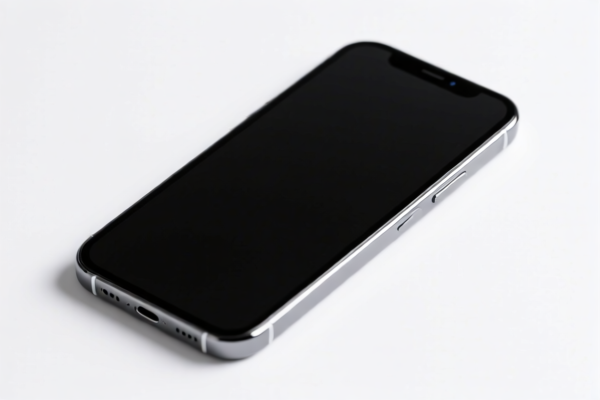
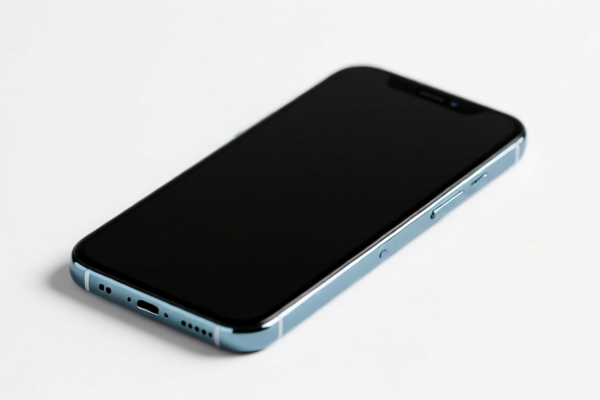
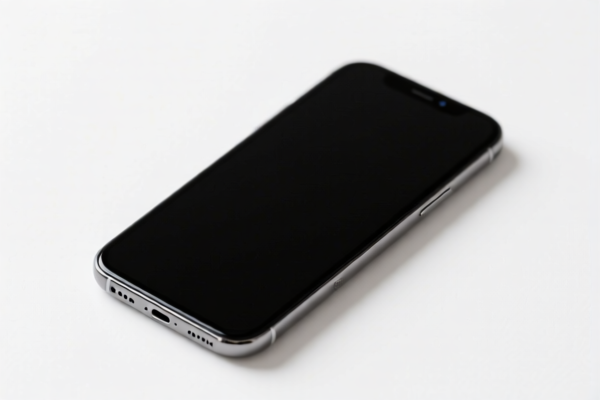
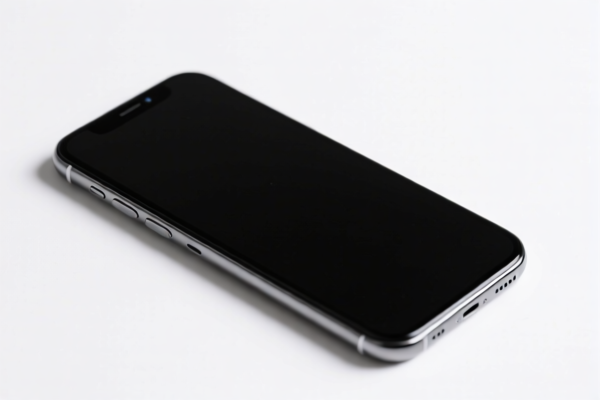
AI Analysis
📱 Smartphones (Mobile Telephones for Cellular Networks)
🌐 HS Code Reference & Customs Clearance Guide | 2026 Latest Tariff Analysis | Professional Strategy
📌 Part I: Product Definition & Classification
Smartphones are portable devices that combine mobile telephone functions with advanced computing capabilities (touchscreens, operating systems, apps). In international trade, they fall strictly under Heading 8517.
⚠️ Critical Distinction: Smartphone vs. Other Cellular Phones
- Smartphones (
8517.13.00.00): Devices with advanced operating systems, touch interfaces, and app ecosystems (e.g., iPhone, Android devices). - Other Cellular Telephones (
8517.14.00.80): Basic mobile phones, feature phones, or devices that do not meet the "smart" definition (e.g., simple call/text devices, some industrial walkie-talkies with cellular backhaul).
Key Determinant:
- If the device runs a general-purpose OS (iOS, Android, etc.) and supports third-party applications →8517.13.00.00
- If it is a dedicated voice/data device without general-purpose computing →8517.14.00.80
📦 Part II: HS Code Classification Details (2026 Latest Tariff)
| HS Code | Product Description | Applicable Scenario | Key Features |
|---|---|---|---|
8517.13.00.00 |
Smartphones | Consumer mobile phones, business smartphones | Touchscreen, OS, App Support, Cellular Modem |
8517.14.00.80 |
Other Cellular Telephones | Basic mobile phones, feature phones, specialized comms devices | Voice/Data only, No General-Purpose OS |
🔍 Important Note:
- Both categories are explicitly excluded from headings 8443, 8525, 8527, and 8528.
- Accessories (cases, chargers) should generally be classified with the main product if declared together, or separately under their respective headings (e.g.,8517.70for parts).
💰 Part III: 2026 Latest Tariff Rates (Detailed Breakdown)
✅ Applicable Country: United States (US)
✅ Origin: China (CN)
✅ Effective Date: Current 2026 Tariff Schedule
🎯 1. 8517.13.00.00 —— Smartphones
| Item | Content |
|---|---|
| Base Tariff | 0.0% (ad valorem) |
| Section 301 Surcharge | 0.0% |
| Total Tax Rate | 0.0% |
| Tax Calculation | CIF Value × 0.0% = $0 |
| De Minimis Eligibility | ✅ Yes (if under $800, no duty/de minimis applies) |
| Legal Basis Path | HTSUS:8517.13.00.00 → USITC Footnotes |
📌 Explanation:
- Smartphones are currently duty-free under the base tariff.
- No additional Section 301 surcharge applies to smartphones (unlike many other electronics or machinery).
- This makes smartphones highly competitive in terms of landed cost compared to other electronic goods.
🎯 2. 8517.14.00.80 —— Other Cellular Telephones
| Item | Content |
|---|---|
| Base Tariff | 0.0% (ad valorem) |
| Section 301 Surcharge | 0.0% |
| Total Tax Rate | 0.0% |
| Tax Calculation | CIF Value × 0.0% = $0 |
| De Minimis Eligibility | ✅ Yes (if under $800) |
| Legal Basis Path | HTSUS:8517.14.00.80 → USITC Footnotes |
📌 Explanation:
- Basic cellular phones are also duty-free.
- No additional Section 301 surcharge applies.
- This rate applies to non-smart cellular devices, ensuring no tariff penalty for simpler telecom equipment.
🛠️ Part IV: Customs Clearance Practical Advice (Avoid Pitfalls)
✅ 1. Required Documentation Checklist
| Document | Mandatory | Description |
|---|---|---|
| ✅ Commercial Invoice | ✔️ | Must clearly state "Smartphone" or "Other Cellular Telephone" with model number |
| ✅ Packing List | ✔️ | List quantity, weight, and dimensions per package |
| ✅ Certificate of Origin (CO) | ✔️ | If claiming preferential rates (though currently 0%, CO is still required for origin verification) |
| ✅ FCC Declaration | ✔️ | Critical: Must include FCC ID and Declaration of Conformity for wireless devices |
| ✅ Product Specifications | ✔️ | Include screen size, OS type, network bands, and whether it supports eSIM |
| ✅ Battery Safety Data | ✔️ | Lithium-ion battery MSDS and UN38.3 test reports are mandatory for air/sea freight |
✅ 2. Declaration Tips (Key Mnemonic)
🔥 “Specify OS, Declare FCC, Battery Safe, No Surprise Fees!”
| Situation | Correct Declaration | Wrong Practice |
|---|---|---|
| Android/iPhone Device | 8517.13.00.00 - Smartphone |
Misdeclare as "Communication Device" → Risk of reclassification |
| Basic Nokia-style Phone | 8517.14.00.80 |
Misdeclare as "Smartphone" → No tariff difference, but causes data inconsistency |
| Smartphone + Case + Charger | Declare as Smartphone (8517.13.00.00) |
Split into parts/accessories → Higher risk of inspection delays |
| Bulk Unlocked Phones | State "Unlocked for All Carriers" | Misstate as "Carrier-Locked" → May trigger additional scrutiny |
✅ 3. Special Case Handling
| Situation | Handling Advice |
|---|---|
| Refurbished Smartphones | Declare as "Refurbished" with clear condition notes. Some carriers may have restrictions. |
| Devices with eSIM Only | Ensure FCC ID includes eSIM certification. Physical SIM slot not required. |
| Industrial Handheld Terminals | If they run general-purpose OS, classify as 8517.13.00.00. If specialized, may need case-by-case ruling. |
| Pre-Paid SIM Included | SIM cards themselves may be classified separately (8517.70 or 8543.90), but often bundled. Consult customs broker. |
🌍 Part V: Global Market Comparison (2026)
| Country/Region | Recommended HS Code | Tariff (CN Origin) | Certification Requirement | Notes |
|---|---|---|---|---|
| 🇺🇸 USA | 8517.13.00.00 / 8517.14.00.80 |
0.0% | FCC + UL (Battery) | Duty-free, but strict FCC compliance |
| 🇨🇳 China | 8517.13.00.00 |
0.0% | SRRC + CCC | Duty-free for imports |
| 🇪🇺 EU | 8517.13.00 |
0.0% | CE + RED Directive | No duty, but strict radio equipment rules |
| 🇬🇧 UK | 8517.13.00 |
0.0% | UKCA | Post-Brexit, UKCA required |
| 🇦🇺 Australia | 8517.13.00 |
5.0% | RCM | Slight tariff compared to US/EU |
📌 Conclusion:
- USA, EU, and China offer duty-free entry for smartphones from China.
- Australia imposes a 5% tariff, so cost calculation must include this.
- FCC/CE/UKCA certifications are non-negotiable for market access, even if tariffs are zero.
📌 Part VI: Common Mistakes & Pitfalls (Blood Lessons)
❌ Mistake 1: Declaring smartphones as "Accessories" or "Parts" to avoid scrutiny
👉 Consequence: Customs may reclassify, impose penalties, or delay shipment for weeks.
❌ Mistake 2: Missing FCC ID on documentation
👉 Consequence: Immediate seizure or return to sender. FCC is strictly enforced.
❌ Mistake 3: Not declaring battery type (Lithium-ion)
👉 Consequence: Air freight rejected. Shipping carrier may refuse cargo.
❌ Mistake 4: Misclassifying "Smart" devices as "Other Telephones"
👉 Consequence: While tariff is the same (0%), inconsistent data can lead to audits or loss of trust with customs.
✅ Correct Practice:
"Smartphone, Model XYZ, Android OS, Unlocked, FCC ID: ABC123456, Battery: Li-Ion 4000mAh, HS Code: 8517.13.00.00"
🎯 Part VII: Conclusion: Professional Declaration Saves Time & Money!
🎯 Remember:
🔹 "FCC First, Battery Safe, HS Precise, No Duty Surprises!"
🔹 "0% Tariff is great, but compliance is key!"
📌 Pro Tip:
- If importing in bulk (B2B), consider Advance Ruling (Binding Tariff Information) from customs to confirm classification.
- For B2C cross-border e-commerce, ensure de minimis threshold ($800 in US) is respected to avoid per-package processing fees.
📣 Immediate Action:
📞 Contact your customs broker + Provide FCC ID + Verify Battery MSDS
🚀 Ensure your smartphones clear customs smoothly, meet regulatory standards, and maximize profit margins!
✨ Professional Clearance Starts with Precise Classification!
💼 Every cent saved in duties and compliance risks counts!
Customer Reviews
About HS Code Classification
The Harmonized System (HS) is an internationally standardized nomenclature developed by the World Customs Organization (WCO) to classify traded products. Over 200 countries use the HS system as the basis for customs tariffs, trade statistics, and import/export regulations.
Each HS code follows a hierarchical structure:
- Chapter (2 digits) — Broad category of goods (e.g., Chapter 84: Machinery and Mechanical Appliances)
- Heading (4 digits) — More specific grouping within the chapter
- Subheading (6 digits) — Internationally standardized breakdown, used by all WCO member countries
- National subdivisions (8-10 digits) — Country-specific extensions for further classification, such as US HTSUS 10-digit codes
Correct HS code classification is essential for smooth customs clearance, accurate duty payment, and compliance with trade regulations. Misclassification can lead to customs delays, overpayment of duties, or penalties.
When importing from CN to US, the applicable tariff rates may include:
- Most-Favored-Nation (MFN) rate — The standard duty rate applied to WTO members
- General rate — Applied to countries without trade agreements
- Trade remedy duties — Additional tariffs such as Section 301 (anti-dumping), Section 232 (national security), or countervailing duties
The information provided on this page is for reference purposes only. For official classification, please consult with your local customs authority or a licensed customs broker.