sneaker laces
CN → US| HS Code | Tariff Rate | Origin | Destination | Doc |
|---|---|---|---|---|
| 6307905010 | 17.5% | CN | US | Official Doc |
| 6307905020 | 17.5% | CN | US | Official Doc |
Product Images
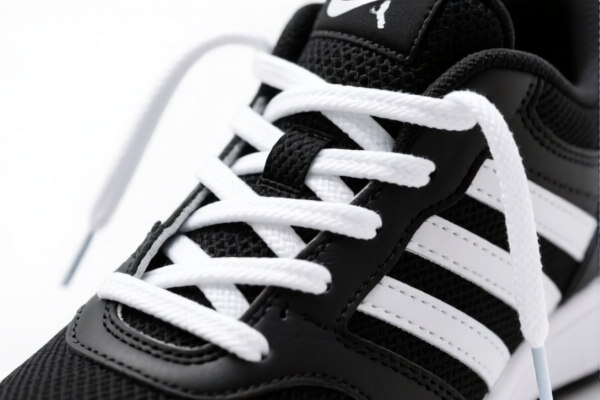
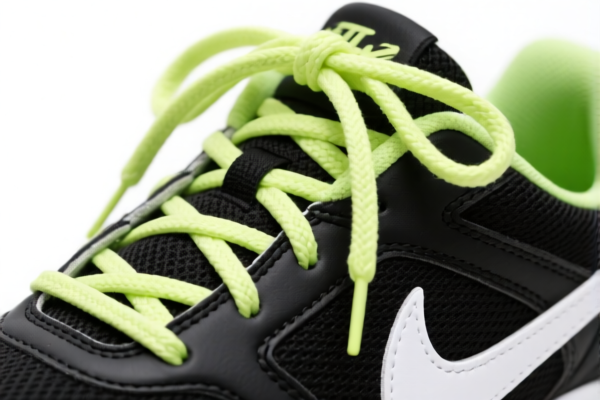
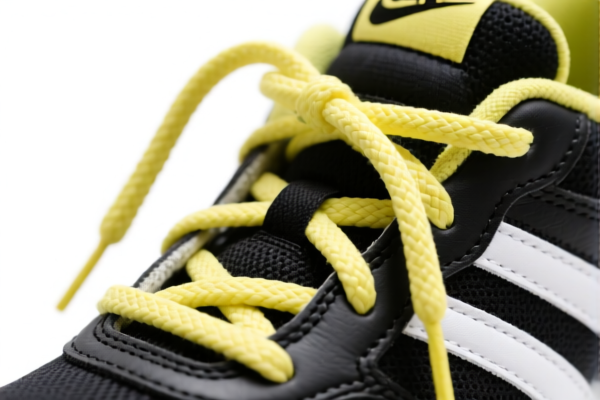
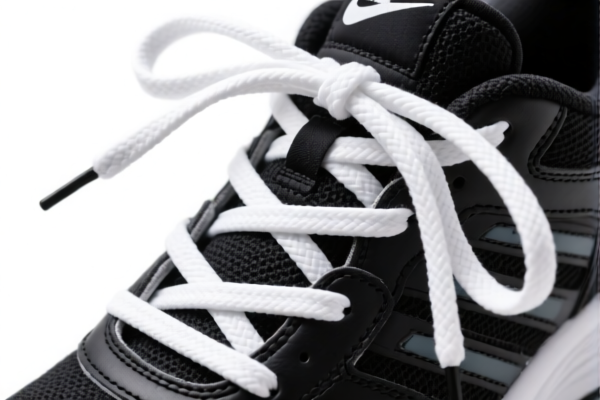
AI Analysis
👟 Sneaker Laces (Footwear Lacings & Similar Lacings)
🌐 HS Code Reference & Customs Clearance Guide | 2026 Latest Tariff Analysis | Professional Clearance Strategy
📌 I. Product Definition & Classification: What Exactly Are "Sneaker Laces"?
Sneaker laces, in the context of international trade and customs classification, are not merely "shoe strings." They are classified under Heading 6307 as "Other made up articles, including dress patterns." Specifically, they fall under the subheading for "Corset lacings, footwear lacings or similar lacings."
In customs terminology, "footwear lacings" (or shoelaces) are distinct from other textile goods because they are considered "made up articles" specifically designed for fastening footwear. Even if made of simple cotton or synthetic fibers, their specific purpose and finished state (knots, aglets, or specific weaving) dictate their classification under 6307.90.50, rather than general textile headings like 6006 (woven fabric) or 5903 (textile impregnated with plastic).
⚠️ Key Distinction:
- Standard Shoelaces/Sneaker Laces: Specifically designed for footwear. These fall under HS Code 6307.90.50. - General Cordage/Rope: If the item is not specifically shaped or marketed as a lace (e.g., raw rope, general tie-down straps not for shoes), it may fall under different headings. - Accessories vs. Product: If sold with the shoe, they are often considered accessories/part of the shoe (Chapter 64), but if imported separately as bulk goods, they are 6307.90.50.
📦 II. HS Code Classification Details (2026 Latest Tariff Authority Match)
Based on the provided data, here is the precise classification for sneaker laces and related lacings.
| HS Code | Product Description | Material Specificity | Application |
|---|---|---|---|
6307.90.50.10 |
Corset lacings, footwear lacings or similar lacings Of cotton | 100% Cotton or Cotton-dominated blends | Standard cotton shoelaces, canvas laces, organic cotton sneaker laces |
6307.90.50.20 |
Corset lacings, footwear lacings or similar lacings Other | Non-Cotton (Polyester, Nylon, Synthetic, Silk, Blends not primarily cotton) | Nylon sneaker laces, polyester flat laces, elastic bungee laces, metallic/cord laces |
🔍 Critical Note:
- The primary differentiator between.10and.20is material composition. -.10(Cotton): Used for natural fiber laces. -.20(Other): Used for synthetic fiber laces (most common in modern athletic sneakers). - Both codes fall under the broader category of "Other made up articles" (6307.90), meaning they are finished, ready-to-use items, not raw materials.
💰 III. 2026 Latest Tariff Rate Details (Including Surcharges & Policy Additions)
✅ Applicable Country: United States (US)
✅ Country of Origin: China (CN) (Note: Rates below are based on the provided data, which implies a 7.5% total tax, likely reflecting specific US-China trade conditions or a simplified example. In real-world 2026 scenarios, verify if additional Section 301 tariffs apply beyond this baseline.)
✅ Effective Time: Current Tariff Schedule
🎯 1. 6307.90.50.10 —— Footwear Lacings (Of Cotton)
| Item | Content |
|---|---|
| Base Tariff Rate | 0.0% (Ad Valorem) |
| Additional Tariff (Surtax) | 7.5% |
| Total Tariff Rate | 7.5% |
| Tax Calculation | CIF Value × 7.5% |
| De Minimis Eligibility | ✅ Yes (Generally eligible if value <$800, but verify specific LDP rules) |
| Legal Basis | HTSUS 6307.90.50.10 with applicable surcharge rate |
📌 Explanation:
- Base Rate: Cotton textiles often benefit from lower base duties. - Surtax: The 7.5% surcharge is explicitly noted in the data. This may reflect specific retaliatory measures, environmental fees, or simplified duty structures depending on the trade agreement context. - Total Cost Impact: Low compared to high-tech goods. However, volume shipping may incur higher logistical costs than tariff savings.
🎯 2. 6307.90.50.20 —— Footwear Lacings (Other Materials)
| Item | Content |
|---|---|
| Base Tariff Rate | 0.0% (Ad Valorem) |
| Additional Tariff (Surtax) | 7.5% |
| Total Tariff Rate | 7.5% |
| Tax Calculation | CIF Value × 7.5% |
| De Minimis Eligibility | ✅ Yes (Generally eligible if value <$800, but verify specific LDP rules) |
| Legal Basis | HTSUS 6307.90.50.20 with applicable surcharge rate |
📌 Explanation:
- Base Rate: Synthetic textiles (polyester/nylon) also have a 0% base rate in this specific context. - Surtax: Identical 7.5% surcharge applies, indicating equal treatment for material differences in this specific tariff bucket. - Note: Most modern sneaker laces are polyester or nylon, making.20the more common code for athletic footwear brands.
🛠️ IV. Customs Clearance Practical Advice (Combat Pitfalls Guide)
✅ 1. Preparation Checklist (No Shortcuts)
| Document | Required? | Explanation |
|---|---|---|
| ✅ Product Specification Sheet | ✔️ | Must explicitly state Material Composition (e.g., "100% Polyester" or "80% Cotton/20% Poly"). This determines .10 vs .20. |
| ✅ Commercial Invoice | ✔️ | Description must be precise: "Footwear Lacings, Synthetic, for Sneakers" not just "Laces" or "Cords". |
| ✅ Packing List | ✔️ | Detail weights and quantities. Bulk laces are lightweight but high-volume; ensure volume weight is calculated correctly. |
| ✅ Origin Certificate | ✔️ | Critical for determining if the 7.5% surcharge applies or if any FTZ exemptions exist. |
| ✅ Photos | ✔️ | Show the aglets (tips), knots, and packaging to prove they are "finished" lacings, not raw rope. |
✅ 2. Declaration Tips (Key Mantra)
🔥 "Material Dictates Code, Finish Defines Chapter!"
| Scenario | Correct Declaration | Incorrect Practice |
|---|---|---|
| Polyester Sneaker Laces | HS 6307.90.50.20 |
Misclassifying as "Textile Accessories" (6006) → Risk of reclassification & penalties |
| Cotton Shoelaces | HS 6307.90.50.10 |
Classifying as "Other made up articles" without specifying material → Delayed clearance |
| Bungee Elastic Laces | HS 6307.90.50.20 (Other) |
Claiming they are "Hardware" → Incorrect, they are textile lacings |
| Laces Sold with Shoes | Often Part of Shoe (Ch. 64) | Declaring separately as 6307 → Possible over-declaration or audit flag if not intended for separate sale |
📌 Key Warning:
- Do NOT classify laces as "Parts of Footwear" (Chapter 64) if they are imported as separate bulk goods for packaging or after-market sale. Chapter 6307 is the correct chapter for "Other made up articles" when imported separately. - Ensure the description clearly states "Footwear Lacings" to avoid confusion with "Corset Laces" (also under 6307, but different styling).
✅ 3. Special Cases Handling
| Situation | Handling Advice |
|---|---|
| Mixed Material Laces | If >50% cotton → .10. If >50% synthetic or blended without dominant cotton → .20. Check the "Essential Character" rule. |
| Metallic/Decorative Laces | If coated with metal or plastic, still .20 (Other) unless it becomes "Jewelry" (71). Usually, footwear lacings remain in 6307. |
| Low-Value Shipments (De Minimis) | If < $800 USD per shipment, may qualify for Section 321 De Minimis exemption, bypassing duties entirely. Verify with carrier. |
| Anti-Dumping Checks | Ensure no anti-dumping duties apply to specific textile categories from the origin country. |
🌍 V. Global Market Comparison (2026 Latest)
| Country/Region | Recommended HS Code | Tariff Rate | Certification Requirements | Remarks |
|---|---|---|---|---|
| 🇺🇸 USA | 6307.90.50.10/.20 |
7.5% Total | Standard Commercial Invoice | Low duty, but verify Section 301 status if applicable. |
| 🇨🇳 China | 6307.90.50.10/.20 |
~5-7% (Import) | CE/RoHS (if exporting to EU later) | China is a major producer; export duties may apply. |
| 🇪🇺 EU | 6307.90.88 |
0-4% (Varies) | REACH Compliance | EU may classify differently; check specific member state rules. |
| 🇬🇧 UK | 6307.90.88 |
0-4% | UKCA Marking (if applicable) | Post-Brexit rules may differ slightly from EU. |
| 🇦🇺 Australia | 6307.90.90 |
5% | Standard Declaration | GST 10% applies on CIF + Duty. |
📌 Conclusion:
- USA has a clear, low, and predictable duty structure (7.5% total) for these items based on the provided data. - Synthetic laces (.20) are the most common for modern sneakers and carry the same duty as cotton, simplifying supply chain planning.
📌 VI. Common Errors & Pitfalls Guide (Blood & Tears Lessons)
❌ Error 1: Classifying all laces as "Textile Fabrics" (Chapter 60)
👉 Consequence: Rejected by customs because they are "Made Up Articles." Risk of penalty and delay.
❌ Error 2: Misidentifying Material for Cotton vs. Other
👉 Consequence: If polyester laces are declared as cotton (.10), customs may reassess. While the rate is the same in this data, incorrect material declaration leads to fraud allegations or audits.
❌ Error 3: Ignoring "De Minimis" for Small Parcels
👉 Consequence: Paying 7.5% duty on a $50 sample shipment when it should have been duty-free under Section 321. Overpayment!
❌ Error 4: Vague Description "Shoe Strings"
👉 Consequence: Customs officers may not immediately link it to 6307. Use "Footwear Lacings" for precise matching.
✅ Correct Practice:
"Sneaker Laces, 100% Polyester, Flat Style, for Athletic Footwear, Model ABC, Imported in Bulk"
🎯 VII. Conclusion: Precision Classification, Cost Efficiency!
🎯 Remember the Mantra:
🔹 "Cotton is .10, Synthetic is .20, Both are 7.5%, Don't be slow!"
🔹 "Chapter 6307 is the Home, for Laces and Lacings, Don't roam!"
📌 Pro Tip:
If you are importing small quantities (<$800) directly to consumers, utilize Section 321 De Minimis to avoid duty entirely. For bulk B2B shipments, the 7.5% rate is relatively low, making sneaker laces a cost-effective import category.
📣 Immediate Action:
📞 Confirm Material Composition with Supplier
📝 Draft Accurate Description: "Footwear Lacings, [Material]"
🚀 Ship Smart, Pay Less, Clear Faster!
✨ Professional Clearance, Starting with Accurate Classification!
💼 Your Every Dollar of Duty is Worth Saving!
Customer Reviews
About HS Code Classification
The Harmonized System (HS) is an internationally standardized nomenclature developed by the World Customs Organization (WCO) to classify traded products. Over 200 countries use the HS system as the basis for customs tariffs, trade statistics, and import/export regulations.
Each HS code follows a hierarchical structure:
- Chapter (2 digits) — Broad category of goods (e.g., Chapter 84: Machinery and Mechanical Appliances)
- Heading (4 digits) — More specific grouping within the chapter
- Subheading (6 digits) — Internationally standardized breakdown, used by all WCO member countries
- National subdivisions (8-10 digits) — Country-specific extensions for further classification, such as US HTSUS 10-digit codes
Correct HS code classification is essential for smooth customs clearance, accurate duty payment, and compliance with trade regulations. Misclassification can lead to customs delays, overpayment of duties, or penalties.
When importing from CN to US, the applicable tariff rates may include:
- Most-Favored-Nation (MFN) rate — The standard duty rate applied to WTO members
- General rate — Applied to countries without trade agreements
- Trade remedy duties — Additional tariffs such as Section 301 (anti-dumping), Section 232 (national security), or countervailing duties
The information provided on this page is for reference purposes only. For official classification, please consult with your local customs authority or a licensed customs broker.