snowflake cake mold
CN → US| HS Code | Tariff Rate | Origin | Destination | Doc |
|---|---|---|---|---|
| 7615103015 | 70.6% | CN | US | Official Doc |
| 7615105020 | 70.6% | CN | US | Official Doc |
| 7323915020 | 15.3% | CN | US | Official Doc |
| 7323920020 | 17.5% | CN | US | Official Doc |
| 3924104000 | 13.4% | CN | US | Official Doc |
| 3924905650 | 20.9% | CN | US | Official Doc |
| 7013993500 | 24.1% | CN | US | Official Doc |
| 7013995010 | 40.0% | CN | US | Official Doc |
| 8480718060 | 38.1% | CN | US | Official Doc |
| 8480799010 | 38.1% | CN | US | Official Doc |
Product Images
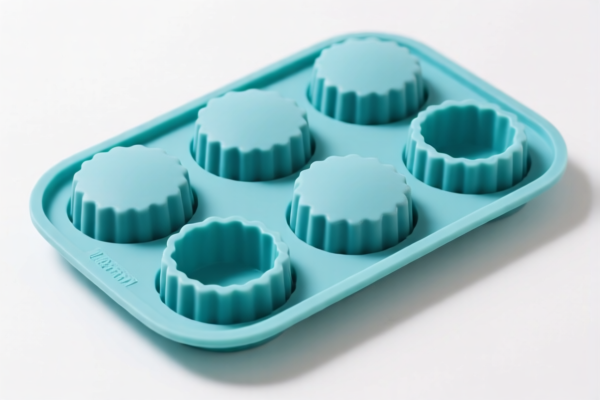
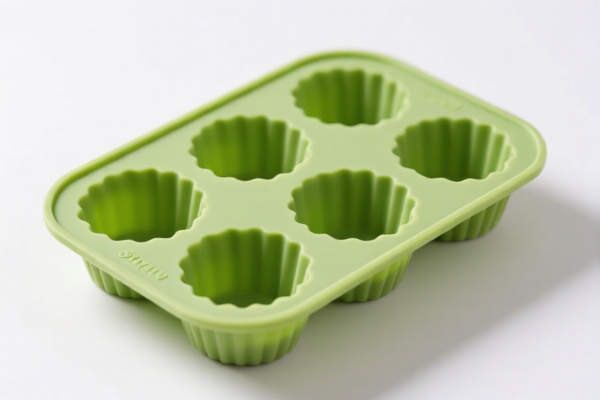
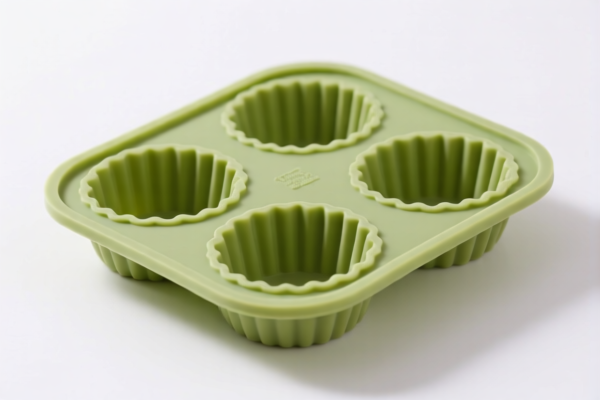

AI Analysis
❄️ Snowflake Cake Mold (Kitchenware & Molds)
🌐 HS Code Reference & Customs Clearance Guide | 2026 Latest Tariff Analysis | Professional Import Strategy
📌 I. Product Definition & Classification: What Exactly Is a "Snowflake Cake Mold"?
A Snowflake Cake Mold is a specialized baking tool used to create intricate, snowflake-shaped desserts. In international trade, classification depends heavily on the material of the mold (Aluminum, Cast Iron, Plastic, or Rubber/Silicone) and its intended use (Household/Kitchenware vs. Industrial Molding).
⚠️ Key Distinction:
- If it is a baking pan (for oven use) → It is classified as Kitchenware/Tableware.
- If it is a plaster/rubber mold (for chocolate/gelatin casting, not direct oven baking) → It may fall under Molds for Rubber or Plastics.
- The examples below focus on the most common commercial variations found in the provided dataset.
📦 II. HS Code Classification Details (2026 Latest Tariff Authority)
| HS Code | Product Description | Material | Key Features | Applicable Scenario |
|---|---|---|---|---|
7615.10.30.15 |
Table, kitchen or other household articles... of aluminum: Cooking and kitchen ware... Other Bakeware | Aluminum | Enameled/Glazed/Nonstick; Not for stove-top use | Aluminum snowflake baking pan (non-stick) |
7615.10.50.20 |
Table, kitchen or other household articles... of aluminum: Cooking and kitchen ware... Cast Bakeware | Aluminum | Not enameled/Glazed/Nonstick; Cast Aluminum | Raw or powder-coated cast aluminum snowflake pan |
8480.71.80.60 |
Molds for rubber or plastics: Injection or compression types: Other: Compression type | Industrial Mold | For shaping rubber/plastic, NOT for direct baking | Industrial mold used to manufacture plastic snowflake parts |
8480.79.90.10 |
Molds for rubber or plastics: Other types: Other Blow molds | Industrial Mold | Blow molds for rubber/plastics | Rare for kitchenware; likely for industrial plastic components |
3924.10.40.00 |
Tableware, kitchenware... of plastics: Tableware and kitchenware: Other | Plastic | Household plastic snowflake mold | Plastic cookie/cake press or non-heat-resistant mold |
3924.90.56.50 |
Tableware, kitchenware... of plastics: Other: Other | Plastic | Other plastic household items | Generic plastic snowflake shaped items (non-specific kitchenware) |
7323.91.50.20 |
Table, kitchen... articles of iron or steel... Of cast iron, not enameled: Other Bakeware | Cast Iron | Not enameled; For oven baking | Cast iron snowflake cake pan (seasoned or raw) |
7323.92.00.20 |
Table, kitchen... articles of iron or steel... Of cast iron, enameled: Bakeware | Cast Iron | Enameled (coated) | Enamel-coated cast iron snowflake pan (colorful interior) |
7013.99.35.00 |
Glassware...: Votive-candle holders | Glass | Specifically for candles | ❌ Note: Only if the "snowflake" item is actually a candle holder, not a cake mold. |
7013.99.50.10 |
Glassware...: Valued over $0.30 but not over $3 each: Crystalline or non-lead crystal | Glass | Crystal/Glass >$0.30 | ❌ Note: Only if the item is a glass snowflake ornament/decor, not bakeware. |
🔍 Critical Reminder:
- If the product is a baking pan (metal/plastic for oven), it must be classified under Headings 7323 (Iron/Steel) or 7615 (Aluminum) or 3924 (Plastics) as "Bakeware."
- If the product is an industrial mold used to make plastic snowflake parts (not for eating), it falls under 8480.
- Do not classify a cake pan as "Glassware" (7013) unless it is literally a glass decorative item.
💰 III. 2026 Latest Tariff Rate Breakdown (Detailed Tax Clauses)
✅ Applicable Country: United States (US)
✅ Origin: China (CN)
✅ Effective Date: Current 2026 Tariff Structure (Includes Section 301 & IEEPA Surcharges)
🎯 1. 7615.10.30.15 — Aluminum Bakeware (Enameled/Nonstick Snowflake Pan)
| Item | Detail |
|---|---|
| Base Tariff | 3.1% (Ad Valorem) |
| Section 301 Surcharge | +7.5% (Specific to this HS subheading) |
| Steel/Aluminum Surcharge | +50% (Specific to Aluminum products under IEEPA/Section 301) |
| Total Tariff | 60.6% |
| Tax Calculation | CIF Value × 60.6% |
| De Minimis Exemption | ❌ Not Eligible (Deny de minimis) |
| Legal Basis | Base: 3.1% + Sect 301: 7.5% + Aluminum Surcharge: 50% |
📌 Explanation:
- Aluminum kitchenware is heavily taxed due to trade policies protecting domestic metal industries.
- The 50% aluminum surcharge is the dominant cost driver, making this category extremely expensive to import.
🎯 2. 7615.10.50.20 — Cast Aluminum Bakeware (Unfinished/Non-stick)
| Item | Detail |
|---|---|
| Base Tariff | 0.0% |
| Section 301 Surcharge | 0.0% |
| Steel/Aluminum Surcharge | +50% (Applied to Aluminum products) |
| Total Tariff | 50.0% |
| Tax Calculation | CIF Value × 50.0% |
| De Minimis Exemption | ❌ Not Eligible |
| Legal Basis | Base: 0.0% + Aluminum Surcharge: 50% |
📌 Note:
- Even with a 0% base rate, the 50% aluminum surcharge applies.
- This is slightly cheaper than enameled aluminum (60.6%) but still very high.
🎯 3. 7323.91.50.20 — Cast Iron Bakeware (Non-enameled Snowflake Pan)
| Item | Detail |
|---|---|
| Base Tariff | 5.3% |
| Section 301 Surcharge | 0.0% |
| Steel/Aluminum Surcharge | Not applicable (This is Cast Iron, not Aluminum/Steel surcharge) |
| Total Tariff | 5.3% |
| Tax Calculation | CIF Value × 5.3% |
| De Minimis Exemption | ❌ Not Eligible (Most likely, check specific CN code rules) |
| Legal Basis | Base: 5.3% |
📌 Advantage:
- Significantly lower tariff compared to aluminum!
- Cast iron is not subject to the 50% aluminum surcharge.
🎯 4. 7323.92.00.20 — Cast Iron Bakeware (Enameled Snowflake Pan)
| Item | Detail |
|---|---|
| Base Tariff | 0.0% |
| Section 301 Surcharge | +7.5% |
| Steel/Aluminum Surcharge | Not applicable |
| Total Tariff | 7.5% |
| Tax Calculation | CIF Value × 7.5% |
| De Minimis Exemption | ❌ Not Eligible |
| Legal Basis | Base: 0.0% + Sect 301: 7.5% |
📌 Note:
- Very competitive rate.
- Enameled cast iron is popular for gifting; ensure the "enameled" classification is accurate (colorful coating inside/outside).
🎯 5. 3924.10.40.00 — Plastic Kitchenware (Tableware/Kitchenware)
| Item | Detail |
|---|---|
| Base Tariff | 3.4% |
| Section 301 Surcharge | 0.0% |
| Total Tariff | 3.4% |
| Tax Calculation | CIF Value × 3.4% |
| De Minimis Exemption | ⚠️ Check Specific Rules (Plastics often have different de minimis thresholds, but high-value items may be taxed) |
| Legal Basis | Base: 3.4% |
📌 Note:
- Lowest tariff among common materials.
- Ideal for low-cost, non-heat-resistant plastic snowflake molds.
🎯 6. 8480.71.80.60 — Molds for Rubber or Plastics (Industrial)
| Item | Detail |
|---|---|
| Base Tariff | 0.0% |
| Section 301 Surcharge | 0.0% |
| Total Tariff | 0.0% |
| Tax Calculation | CIF Value × 0.0% |
| De Minimis Exemption | ❌ Not Eligible (Machinery/Molds usually excluded) |
| Legal Basis | Base: 0.0% |
📌 Note:
- 0% Tariff.
- ONLY for industrial molds used to manufacture rubber/plastic products.
- Do not use for consumer bakeware! Misclassification leads to severe penalties.
🎯 7. 8480.79.90.10 — Other Molds for Rubber or Plastics
| Item | Detail |
|---|---|
| Base Tariff | 3.1% |
| Section 301 Surcharge | +25.0% |
| Total Tariff | 28.1% |
| Tax Calculation | CIF Value × 28.1% |
| De Minimis Exemption | ❌ Not Eligible |
| Legal Basis | Base: 3.1% + Sect 301: 25.0% |
📌 Note:
- Higher than the compression mold.
- Applies to other types of industrial molds (e.g., blow molds).
🎯 8. 3924.90.56.50 — Other Plastic Household Articles
| Item | Detail |
|---|---|
| Base Tariff | 3.4% |
| Section 301 Surcharge | +7.5% |
| Total Tariff | 10.9% |
| Tax Calculation | CIF Value × 10.9% |
| De Minimis Exemption | ⚠️ Check Specific Rules |
| Legal Basis | Base: 3.4% + Sect 301: 7.5% |
📌 Note:
- Use for plastic items that don't fit "Tableware/Kitchenware" perfectly (e.g., decorative plastic snowflakes).
🎯 9. 7013.99.35.00 — Glass Votive Candle Holders (Misclassification Risk)
| Item | Detail |
|---|---|
| Base Tariff | 6.6% |
| Section 301 Surcharge | +7.5% |
| Total Tariff | 14.1% |
| Tax Calculation | CIF Value × 14.1% |
| De Minimis Exemption | ❌ Not Eligible |
⚠️ Warning:
- Only if the item is a candle holder. If you declare a cake mold as this, Customs will reject it.
🎯 10. 7013.99.50.10 — Crystal Glassware (Misclassification Risk)
| Item | Detail |
|---|---|
| Base Tariff | 30.0% |
| Section 301 Surcharge | 0.0% |
| Total Tariff | 30.0% |
| Tax Calculation | CIF Value × 30.0% |
| De Minimis Exemption | ❌ Not Eligible |
⚠️ Warning:
- Only if the item is crystal glassware valued $0.30–$3.00.
- Very high base rate. Do not use for bakeware.
🛠️ IV. Customs Clearance Practical Advice (Battle-Tested Guide)
✅ 1. Required Documentation Checklist
| Document | Mandatory? | Notes |
|---|---|---|
| Product Specification Sheet | ✅ Yes | Must specify: Material (Aluminum/Cast Iron/Plastic), Use (Baking vs. Decoration), Heat Resistance. |
| Product Photos | ✅ Yes | Show the mold shape, interior finish (enameled/nonstick), and any markings. |
| Commercial Invoice | ✅ Yes | Clearly state: "Aluminum Snowflake Cake Mold" or "Cast Iron Bakeware." Avoid vague terms like "Gift Set." |
| Packing List | ✅ Yes | List quantity, weight, and dimensions. |
| Material Certificate | ✅ Recommended | For metal molds, prove it is food-safe aluminum or cast iron. |
| FCC/CE/RoHS Certs | ⚠️ Optional | If the mold has electronic parts (e.g., heated mold), these are required. For passive molds, not needed. |
✅ 2. Classification Strategy (Key Tactics)
🔥 "Material is King: Aluminum 50%, Iron 5%, Plastic 3%!"
| Scenario | Recommended HS Code | Tariff | Strategy |
|---|---|---|---|
| Aluminum Non-stick Pan | 7615.10.30.15 |
60.6% | High cost. Consider if price elasticity allows. |
| Raw Aluminum Pan | 7615.10.50.20 |
50.0% | Slightly cheaper, but still expensive. |
| Cast Iron Pan (Enameled) | 7323.92.00.20 |
7.5% | BEST OPTION for metal pans. Low tariff, popular product. |
| Cast Iron Pan (Raw) | 7323.91.50.20 |
5.3% | LOWEST TARIFF for metal. Must be seasoned before use. |
| Plastic Mold | 3924.10.40.00 |
3.4% | LOWEST TARIFF. Use only if heat-resistant. |
| Industrial Mold | 8480.71.80.60 |
0.0% | Only for B2B manufacturing. Not for consumer sale. |
⚠️ Critical Warning:
- Do not declare a plastic or aluminum pan as "Iron/Steel" or vice versa. Customs uses X-ray and material analysis.
- Do not declare a consumer bakeware item as "Industrial Mold" (8480). This is considered fraud and leads to seizure.
✅ 3. Special Cases & Pitfalls
| Situation | Handling Advice |
|---|---|
| Set of Molds | If sold as a set, classify based on the principal material. If mixed (e.g., 1 iron + 1 plastic), the item may be classified by the component that gives the set its essential character. |
| Gift Boxes | If the mold is in a gift box, declare the total value. Do not split the box value if it's sold as one unit. |
| "Non-stick" Coating | Ensure the description specifies "Non-stick coating" for aluminum pans. This affects the HS subheading (enameled/glazed). |
| Heat Resistance | If the product is plastic but claims to be "oven-safe," provide material certification (e.g., Silicone or Polypropylene). Non-heat-resistant plastic in a pan may be rejected. |
🌍 V. Global Market Comparison (2026 Latest)
| Country/Region | Recommended HS Code | Tariff (China Origin) | Certification Required | Notes |
|---|---|---|---|---|
| 🇺🇸 USA | 7323.92.00.20 (Iron) |
7.5% | FDA Compliance (Food Contact) | Best Tariff for Metal. Avoid Aluminum due to 50% surcharge. |
| 🇺🇸 USA | 7615.10.30.15 (Aluminum) |
60.6% | FDA Compliance | Extremely High Cost. Only for premium products. |
| 🇪🇺 EU | 7323.99 (Iron) |
0% (Likely) | LFGB/Food Contact | No Section 301 surcharges. Competitive. |
| 🇬🇧 UK | 7323.99 (Iron) |
0% (Likely) | UKCA/Food Contact | Post-Brexit, check specific UK tariff schedules. |
| 🇨🇳 China | 7323.92 (Iron) |
5.3% | None | Domestic production is low-cost. |
📌 Conclusion:
- USA Market: Prioritize Cast Iron (7323.92) or Plastic (3924) to avoid the 50% Aluminum surcharge.
- Aluminum molds are only viable for high-end, high-margin products.
📌 VI. Common Errors & Pitfall Avoidance (Lessons Learned)
❌ Error 1: Declaring an Aluminum pan as "Iron/Steel"
👉 Consequence: Customs detection → Fine + Retreatment + Delay.
👉 Solution: Provide material test reports if questioned.
❌ Error 2: Using Industrial Mold HS Code (8480) for Consumer Bakeware
👉 Consequence: Fraud alert → Seizure of goods.
👉 Solution: Clearly state "For Household Baking Use" on invoice.
❌ Error 3: Ignoring the "Non-stick" Classification
👉 Consequence: Wrong HS subheading → Underpayment of tariff → Back taxes + Penalty.
👉 Solution: Specify "Enameled/Nonstick" for aluminum pans (7615.10.30).
✅ Correct Declaration Example:
"Cast Iron Snowflake Shaped Cake Mold, Enameled Interior, Food Safe, for Home Baking Use, Model XYZ"
HS Code:7323.92.00.20
Tariff: 7.5%
🎯 VII. Conclusion: Smart Classification, Maximize Profit!
🎯 Remember the Mantra:
🔹 "Iron 5%, Plastic 3%, Aluminum 50%+!"
🔹 "Choose Cast Iron or Plastic for USA Imports to Save Big!"
🔹 "Industrial Molds are 0%, but Only for Factories!"
📌 Pro Tip:
If you are importing Aluminum snowflake molds, consider shifting production to a country not subject to the 50% aluminum surcharge (e.g., Vietnam, India, if eligible) or switching to Cast Iron alternatives to maintain competitiveness.
📣 Immediate Action:
📞 Contact a licensed customs broker
📤 Submit product photos and material specs for Pre-ruling
🚀 Optimize your supply chain to leverage 7.5% or 3.4% tariffs
✨ Professional Clearance Starts with Accurate Classification!
💼 Your Profit Margin Depends on Your HS Code!
Customer Reviews
About HS Code Classification
The Harmonized System (HS) is an internationally standardized nomenclature developed by the World Customs Organization (WCO) to classify traded products. Over 200 countries use the HS system as the basis for customs tariffs, trade statistics, and import/export regulations.
Each HS code follows a hierarchical structure:
- Chapter (2 digits) — Broad category of goods (e.g., Chapter 84: Machinery and Mechanical Appliances)
- Heading (4 digits) — More specific grouping within the chapter
- Subheading (6 digits) — Internationally standardized breakdown, used by all WCO member countries
- National subdivisions (8-10 digits) — Country-specific extensions for further classification, such as US HTSUS 10-digit codes
Correct HS code classification is essential for smooth customs clearance, accurate duty payment, and compliance with trade regulations. Misclassification can lead to customs delays, overpayment of duties, or penalties.
When importing from CN to US, the applicable tariff rates may include:
- Most-Favored-Nation (MFN) rate — The standard duty rate applied to WTO members
- General rate — Applied to countries without trade agreements
- Trade remedy duties — Additional tariffs such as Section 301 (anti-dumping), Section 232 (national security), or countervailing duties
The information provided on this page is for reference purposes only. For official classification, please consult with your local customs authority or a licensed customs broker.