soap
CN → US| HS Code | Tariff Rate | Origin | Destination | Doc |
|---|---|---|---|---|
| 3307900000 | 40.4% | CN | US | Official Doc |
| 3307305000 | 39.9% | CN | US | Official Doc |
| 3401115000 | 35.0% | CN | US | Official Doc |
| 3401111000 | 35.0% | CN | US | Official Doc |
Product Images

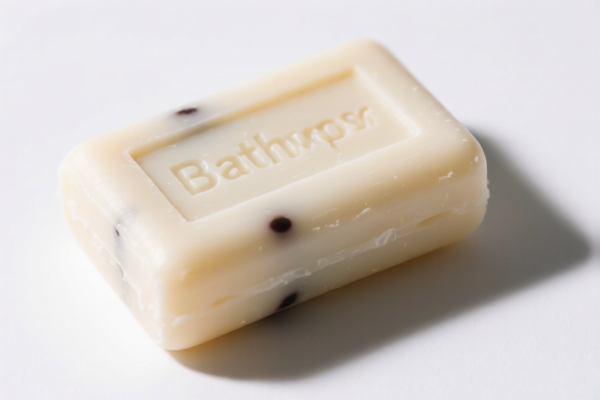
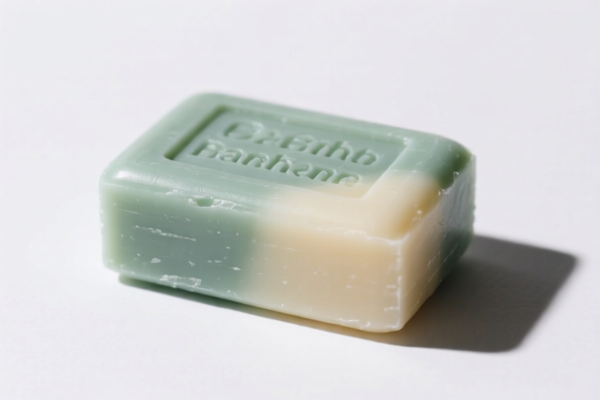
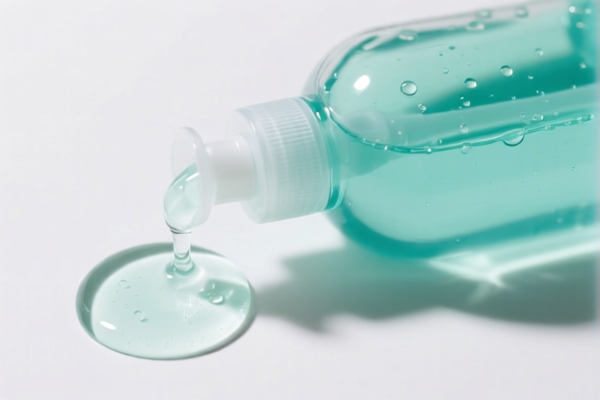
AI Analysis
🧼 Soap (Toilet Soap / Bathing Preparations)
🌐 HS Code Reference & Clearance Guide | 2026 Updated Tariff Analysis | Professional Customs Strategy
📌 I. Product Definition & Classification: Do You Really Know "Soap"?
Soap is a universal personal care item used for cleansing the skin and removing dirt. In international trade, it is categorized primarily under Chapter 34 (Soap, Organic Surface-Active Agents, Detergents) and Chapter 33 (Essential Oils & Perfumery/Toiletry Preparations).
The classification depends heavily on the primary function, form, and ingredients:
- Traditional Soap (Chew/Bar Soap): Made by saponification of fats/oils. Classified under 34.01.
- Toilet/Perfumed Soap: Soaps with added fragrances or cosmetic properties. Can be classified under 34.01 or 33.07.
- Bathing Preparations: Specialized liquid or gel soaps for washing, often falling under 33.07.
⚠️ Key Distinction:
- If it is a solid bar made of fatty acids (traditional soap) → 34.01 (Base Tariff: 0%).
- If it is fragranced/cosmetic and emphasizes "toiletry" use → 33.07 (Base Tariff: 4.9% - 5.4%).
- Crucial Note: All Chinese-origin soaps face significant additional tariffs (Total Tax: 35% – 40.4%) due to US trade policy!
📦 II. HS Code Classification Details (2026 Latest Tariff Reference)
| HS Code | Product Description | Applicable Scenario | Form/Logic |
|---|---|---|---|
3401.11.50.00 |
Soap (Fatty acid based), in blocks, bars, or shapes | Traditional bar soap, Marseille soap, cleansing bars | ✅ Soap (Material matches) |
3401.11.10.00 |
Soap (Washing the skin), bar/strip form | Solid toilet soap, scented bars | ✅ Soap (Matches 34.01 logic) |
3307.30.50.00 |
Bathing Preparations (Soaps included) | Specialized shower gels, bath soaps | ✅ Bathing (Usage focus) |
3307.90.00.00 |
Other Toilet/Perfumery Preparations (Bathing agents) | Cosmetic soaps, perfumed cleansing bars | ✅ Toiletry (Fragrance focus) |
🔍 Critical Reminder:
- 34.01 codes generally have a 0.0% Base Tariff, making them the most tax-efficient for traditional soaps.
- 33.07 codes carry a 4.9% - 5.4% Base Tariff.
- BUT, all entries face 25% Section 301 Tariffs + 122 Clause Tariffs (10%).
- Do not misclassify cosmetic soaps as simple soap if they heavily rely on fragrance/cosmetic claims, or you risk audit penalties.
💰 III. 2026 Tariff Rate Breakdown (Including Surcharges & Policy Add-ons)
✅ Target Market: United States (US)
✅ Country of Origin: China (CN)
✅ Effective Date: Includes Section 301 (25%) + Section 122 (10%) surcharges.
🎯 1. 3401.11.50.00 & 3401.11.10.00 —— Traditional & Toilet Soap (The "Low Base" Option)
| Item | Content |
|---|---|
| Base Tariff | 0.0% (ad valorem) |
| Section 301 Surcharge | +25.0% (USITC 301 Clause) |
| Section 122 Surcharge | +10.0% (122 Clause - China Specific) |
| Total Tax Rate | 35.0% |
| Tax Calculation | CIF Value × 35% |
| De Minimis Exemption | ❌ NOT APPLICABLE (Section 301 & 122 deny small package exemptions for China) |
| Legal Path | USITC:3401.11.50.00 / USITC:3401.11.10.00 → 301:25% → 122:10% |
📌 Explanation:
- 0% Base is great, but the 35% Total is heavy!
- Section 301 (25%): Retaliatory tariff on Chinese industrial/consumer goods.
- Section 122 (10%): Specific additional duty targeting Chinese imports.
- Result: High cost for US importers; must factor into pricing strategy.
🎯 2. 3307.30.50.00 —— Bathing Preparations (Soap as a Bath Agent)
| Item | Content |
|---|---|
| Base Tariff | 4.9% |
| Section 301 Surcharge | +25.0% |
| Section 122 Surcharge | +10.0% |
| Total Tax Rate | 39.9% |
| Tax Calculation | CIF Value × 39.9% |
| De Minimis Exemption | ❌ NOT APPLICABLE |
| Legal Path | USITC:3307.30.50.00 → 301:25% → 122:10% |
📌 Explanation:
- Slightly higher base due to "Cosmetic/Toiletry" classification.
- Total Tax: 39.9% is even more expensive than traditional soap.
🎯 3. 3307.90.00.00 —— Other Toilet/Perfume Preparations (General Cosmetics)
| Item | Content |
|---|---|
| Base Tariff | 5.4% |
| Section 301 Surcharge | +25.0% |
| Section 122 Surcharge | +10.0% |
| Total Tax Rate | 40.4% |
| Tax Calculation | CIF Value × 40.4% |
| De Minimis Exemption | ❌ NOT APPLICABLE |
| Legal Path | USITC:3307.90.00.00 → 301:25% → 122:10% |
📌 Explanation:
- This is the most expensive classification for "soaps" marketed heavily as fragrances or cosmetics.
- Only use if the product is undeniably a cosmetic (e.g., luxury scented bars with no cleansing focus).
🛠️ IV. Customs Clearance Practical Advice (Pitfall Avoidance)
✅ 1. Document Checklist (Must-Haves)
| Document | Required? | Purpose |
|---|---|---|
| Product Composition List | ✔️ | Proves saponification (for 34.01) vs. synthetic surfactants (for 33.07). |
| Material Safety Data Sheet (MSDS) | ✔️ | Shows chemical makeup (Fatty Acids vs. Fragrance). |
| Commercial Invoice | ✔️ | Must clearly state "Soap" or "Bathing Preparation" and HS Code. |
| Origin Certificate (CO) | ✔️ | Critical: If origin is NOT China (e.g., Vietnam), the 301/122 taxes may be waived! |
| Product Photos (Bar Form) | ✔️ | Visual proof of "Block/Bar" shape (required for 34.01). |
| Fragrance Declaration | ✔️ | If claiming "Cosmetic" (33.07), must prove high fragrance/cosmetic value. |
✅ 2. Declaration Strategy (The Golden Rule)
🔥 "Form First, Function Second: Solid Bar = 34.01; Liquid/Heavy Fragrance = 33.07"
| Scenario | Correct HS Code | Wrong Classification | Consequence |
|---|---|---|---|
| Solid Bar Soap (Traditional) | 3401.11.50.00 |
3307.90.00.00 |
Overpaying tax (0% vs 5.4% base) & Risk of Audit |
| Solid Bar Soap (Scented) | 3401.11.10.00 |
3307.30.50.00 |
Higher base tariff (5.4% vs 0%) |
| Liquid Soap / Bath Gel | 3307.30.50.00 |
3401.11.50.00 |
Rejection: Form mismatch (Not "Solid") |
| Luxury Cosmetic Soap | 3307.90.00.00 |
3401.11.10.00 |
Risk of Penalty: Misleading as "Toiletry" |
✅ 3. Special Handling Scenarios
| Situation | Recommendation |
|---|---|
| OEM Private Label Soap | Declare as "Soap" based on ingredients, not the brand name. |
| Sample Kits (Soap + Towel) | Declare Soap only; towels are separate. Do not bundle to hide soap tax. |
| Origin Shift (Vietnam/Mexico) | If re-exported or manufactured in Vietnam, apply for MFN/NFIA to drop 25%+10% to near 0-5%. |
| High-Fragrance "Toiletry" | If the product is marketed as "Perfume" with minimal cleansing, use 33.07, but expect higher base tax. |
🌍 V. Global Market Comparison (2026)
| Region | Recommended HS Code | Total Tariff (China Origin) | Key Requirement |
|---|---|---|---|
| 🇺🇸 USA | 3401.11.50.00 |
35.0% (0+25+10) | Strict Section 301/122 compliance |
| 🇪🇺 EU | 3401.11.50.00 |
~3-8% (No 301) | CE + CPNP Notification |
| 🇨🇦 Canada | 3401.11.50.00 |
~5-10% | No Section 301 |
| 🇯🇵 Japan | 3401.11.50.00 |
~5% | Shonin (Approval) for cosmetics |
| 🇦🇺 Australia | 3401.11.50.00 |
~5% | TGA Notification |
📌 Conclusion:
- USA is the only major market charging the massive 35-40.4% due to China-specific trade wars.
- Strategy: For US market, consider supply chain diversification (produce in Vietnam/Thailand) to avoid the 35% total tax.
📌 VI. Common Errors & Lessons Learned (Hard Truths)
❌ Mistake 1: Classifying all soaps under 3307.90.00.00 to avoid "Soap" stigma.
👉 Result: You pay 40.4% instead of 35%. Worse, if audited, you look inconsistent.
❌ Mistake 2: Declaring "Bath Salts" or "Foam" as 3401.11.50.00 (Solid Soap).
👉 Result: Seizure or Re-export due to "Form Mismatch" (34.01 requires Bar/Block).
❌ Mistake 3: Ignoring the 122 Clause (10%).
👉 Result: Budgeting only for 25% Section 301 leads to cash flow crises. Total is always 35%+.
❌ Mistake 4: Relying on "De Minimis" (Section 321).
👉 Result: FAILS. China-origin soaps are explicitly excluded from $800 de minimis exemptions under Section 301 and 122.
✅ Best Practice:
"Declare as 'Solid Soap' (
3401) if it is a bar. Declare as 'Bathing Prep' (3307) if liquid or heavily cosmetic. Always assume 35% tax if China-made."
🎯 VII. Conclusion: Precision is Profit!
🎯 Remember the Rules:
🔹 "Solid Bar = 34.01 (0% Base)" → Total 35%
🔹 Liquid/Cosmetic = 33.07 (5% Base) → Total 39.9-40.4%
🔹 "China Made = 35%+" → Never 0%!🔹 "HS Code is the Life & Death of your Margin. A 1% base difference becomes 2.5% total cost!"
📌 Pro Tip:
If you are importing into the US, explore Vietnam, India, or EU manufacturing to bypass the 25% + 10% surcharge.
If you must import from China, pre-classify using a CBP Ruling to ensure you aren't misclassified.
📣 Take Action Now:
📞 Contact a Licensed Customs Broker + Provide MSDS + Request Pre-Ruling
🚀 Save 40% on taxes, clear faster, and protect your margins!
✨ Professional Customs Clearance Starts with Accurate Classification!
💼 Every Dollar Saved is Pure Profit!
Customer Reviews
About HS Code Classification
The Harmonized System (HS) is an internationally standardized nomenclature developed by the World Customs Organization (WCO) to classify traded products. Over 200 countries use the HS system as the basis for customs tariffs, trade statistics, and import/export regulations.
Each HS code follows a hierarchical structure:
- Chapter (2 digits) — Broad category of goods (e.g., Chapter 84: Machinery and Mechanical Appliances)
- Heading (4 digits) — More specific grouping within the chapter
- Subheading (6 digits) — Internationally standardized breakdown, used by all WCO member countries
- National subdivisions (8-10 digits) — Country-specific extensions for further classification, such as US HTSUS 10-digit codes
Correct HS code classification is essential for smooth customs clearance, accurate duty payment, and compliance with trade regulations. Misclassification can lead to customs delays, overpayment of duties, or penalties.
When importing from CN to US, the applicable tariff rates may include:
- Most-Favored-Nation (MFN) rate — The standard duty rate applied to WTO members
- General rate — Applied to countries without trade agreements
- Trade remedy duties — Additional tariffs such as Section 301 (anti-dumping), Section 232 (national security), or countervailing duties
The information provided on this page is for reference purposes only. For official classification, please consult with your local customs authority or a licensed customs broker.