soap dish 2 pieces, short style
CN → US| HS Code | Tariff Rate | Origin | Destination | Doc |
|---|---|---|---|---|
| 7323999080 | 88.4% | CN | US | Official Doc |
| 6912004890 | 19.8% | CN | US | Official Doc |
| 6912005000 | 16.0% | CN | US | Official Doc |
| 7323999030 | 88.4% | CN | US | Official Doc |
Product Images
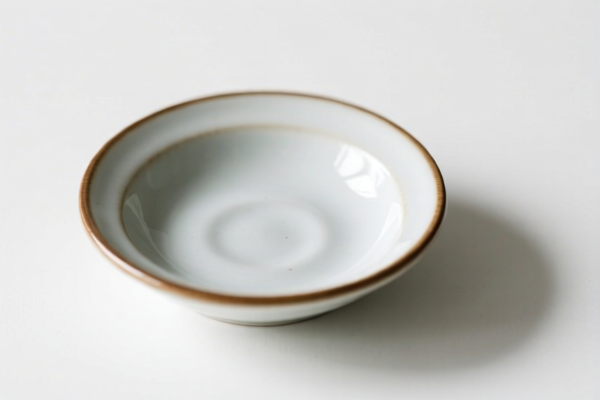
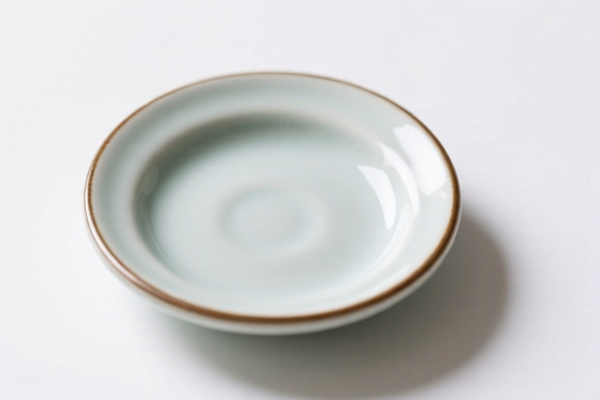
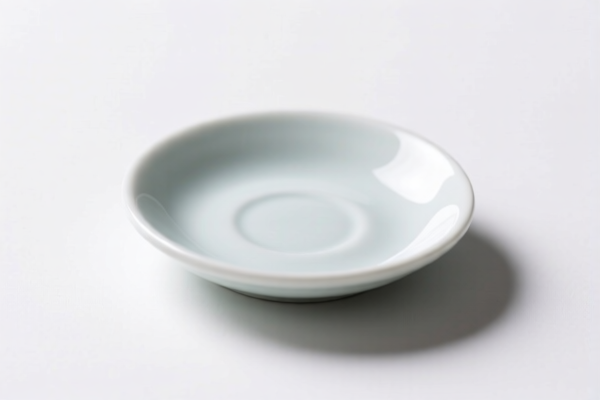
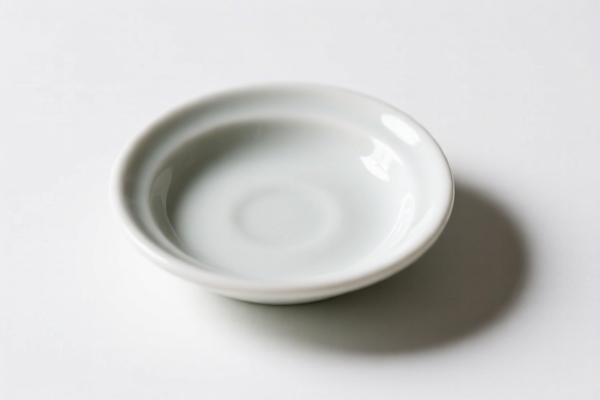
AI Analysis
🧼 Soap Dish (2-Piece, Short Style)
🌐 HS Code Reference & Customs Clearance Guide | 2026 Latest Tariff Analysis | Professional Clearance Strategy
📌 I. Product Definition & Classification: Do You Really Know "Soap Dishes"?
Soap dishes, simple yet essential household items, are primarily divided into two material categories in international trade:
1. Iron or Steel Soap Dishes (Metal): Typically made from stainless steel, iron, or other alloys. They are classified under Chapter 73 as articles of iron or steel. 2. Ceramic or Non-Metallic Soap Dishes: Made from ceramic, porcelain, or other non-metallic materials. They are classified under Chapter 69 as ceramic tableware, kitchenware, or other household articles.
⚠️ Key Distinction:
- If the soap dish is metallic (iron/steel) → It falls under HS Code 7323
- If the soap dish is ceramic/non-metallic → It falls under HS Code 6912
- Do NOT mix materials in one declaration; different materials lead to vastly different tariff rates.
📦 II. HS Code Classification Details (2026 Latest Tariff Authority Comparison)
| HS Code | Product Description | Material | Category | Total Tax Rate (CN→US) |
|---|---|---|---|---|
7323.99.90.80 |
Iron or steel soap dish, household/kitchen use | Iron/Steel | Metal Household Articles | 88.4% |
7323.99.90.30 |
Iron/steel soap dish, kitchen/tableware use | Iron/Steel | Kitchen/Tableware | 88.4% |
6912.00.48.90 |
Ceramic/non-ceramic soap dish, hygiene/household use | Ceramic | Hygiene/Household | 19.8% |
6912.00.50.00 |
Ceramic/non-metallic soap dish, other household items | Ceramic | Other Household Items | 16.0% |
🔍 Critical Reminder:
- Metal soap dishes suffer from massive tariff penalties due to Section 232 and Section 301 tariffs. - Ceramic soap dishes are relatively low-tariff, but still subject to basic duties and Section 301 surcharges. - "Short style" does not change the HS code; it is a design feature and does not affect classification.
💰 III. 2026 Latest Tariff Rate Details (Including Surcharges & Policy Add-ons)
✅ Applicable Country: United States (US)
✅ Origin: China (CN)
✅ Effective Date: Ongoing as of 2026
🎯 1. 7323.99.90.80 & 7323.99.90.30 —— Iron/Steel Soap Dishes (Metal)
| Item | Content |
|---|---|
| Basic Tariff | 3.4% (ad valorem) |
| Section 301 Surcharge | +25.0% (USITC Footnote 9903.88.01) |
| Section 232 Surcharge | +50% (Steel, Aluminum, Copper Products) |
| Total Tax Rate | 88.4% |
| Tax Calculation | CIF Value × 88.4% |
| De Minimis Exemption | ❌ Not Eligible (deny_de_minimis) |
| Legal Basis Path | IEEPA:9903.01.25 → IEEPA:9903.01.24 → USITC:7323.99.90.80/30 → FOOTNOTE:9903.88.01 |
📌 Explanation:
- Basic Tariff (3.4%): Standard duty for iron/steel household articles. - Section 301 Surcharge (25%): Imposed on Chinese goods under Trade Act Section 301. - Section 232 Surcharge (50%): Imposed on steel, aluminum, and copper products under Section 232 of the Trade Expansion Act. - Total 88.4%: This is an extremely high tariff. Importing metal soap dishes from China to the US is not cost-effective unless the product value is negligible or exempted.
🎯 2. 6912.00.48.90 —— Ceramic Soap Dish (Hygiene/Household)
| Item | Content |
|---|---|
| Basic Tariff | 9.8% (ad valorem) |
| Section 301 Surcharge | +0.0% |
| Section 122 Surcharge | +10% (Specific to Ceramic Non-Ceramic Soap Dish) |
| Total Tax Rate | 19.8% |
| Tax Calculation | CIF Value × 19.8% |
| De Minimis Exemption | ❌ Not Eligible (deny_de_minimis) |
| Legal Basis Path | IEEPA:9903.01.24 → USITC:6912.00.48.90 → FOOTNOTE:122 |
📌 Note:
- This code applies to ceramic or non-ceramic soap dishes classified under hygiene/household articles. - The Section 122 tariff (10%) is a specific surcharge for this subheading. - Total rate is 19.8%, significantly lower than metal alternatives.
🎯 3. 6912.00.50.00 —— Ceramic Soap Dish (Other Household Items)
| Item | Content |
|---|---|
| Basic Tariff | 6.0% (ad valorem) |
| Section 301 Surcharge | +0.0% |
| Section 122 Surcharge | +10% (Specific to Ceramic Non-Metallic Soap Dish) |
| Total Tax Rate | 16.0% |
| Tax Calculation | CIF Value × 16.0% |
| De Minimis Exemption | ❌ Not Eligible (deny_de_minimis) |
| Legal Basis Path | IEEPA:9903.01.24 → USITC:6912.00.50.00 → FOOTNOTE:122 |
📌 Note:
- This code applies to ceramic or non-metallic soap dishes classified under "other household articles." - Total rate is 16.0%, the lowest among all options. - If your soap dish is ceramic and does not fit the "hygiene" category precisely, this code is ideal.
🛠️ IV. Customs Clearance Practical Advice (Battle-Tested Pitfall Avoidance)
✅ 1. Required Documentation Checklist (All Mandatory)
| Document | Required? | Description |
|---|---|---|
| ✅ Product Specification Sheet | ✔️ | Includes dimensions, material (metal/ceramic), packaging details |
| ✅ Material Certificate | ✔️ | Proof of material (e.g., stainless steel grade or ceramic composition) |
| ✅ Product Photos (with Label) | ✔️ | Clear view of product, brand, model, and material |
| ✅ Commercial Invoice | ✔️ | Must specify "Soap Dish, 2-Piece, Short Style" and material |
| ✅ Packing List | ✔️ | Detail quantity, weight, and packaging structure |
| ✅ Origin Certificate (CO) | ✔️ | If not China origin, can apply for preferential rates |
✅ 2. Declaration Tips (Key Mantra)
🔥 "Material First, Style Second; Metal Pays High, Ceramic Pays Low!"
| Scenario | Correct Declaration | Wrong Practice |
|---|---|---|
| Ceramic soap dish | 6912.00.50.00 (16.0%) |
Misdeclare as metal → 88.4% |
| Metal soap dish | 7323.99.90.80 (88.4%) |
Misdeclare as ceramic → 16.0% (Audit Risk!) |
| Mixed materials (metal + ceramic) | Split declaration or choose main material | Combined declaration → Classification Error |
| "Short Style" design | No impact on HS Code | Do not use "Style" to justify lower tariff |
✅ 3. Special Case Handling
| Scenario | Handling Advice |
|---|---|
| OEM Custom Soap Dish | Provide customer order + design drawings to avoid "non-standard" classification |
| Ceramic with Metal Base | If metal base is integral, classify as 7323.99.90 (88.4%) |
| Gift Sets (Soap + Dish) | If soap is primary item, declare as soap; if dish is primary, declare as dish |
| Sample Shipments | Still subject to full tariffs; do not assume de minimis exemption |
🌍 V. Global Market Clearance Comparison (2026 Latest)
| Country/Region | Recommended HS Code | Tariff | Certification | Note |
|---|---|---|---|---|
| 🇺🇸 USA | 6912.00.50.00 |
16.0% (Ceramic) | None | Metal: 88.4% |
| 🇨🇳 China | 6912.00.50.00 |
5% | None | No surcharges |
| 🇪🇺 EU | 6912.00.50.00 |
0% | CE (if applicable) | No surcharges |
| 🇬🇧 UK | 6912.00.50.00 |
0% | UKCA | No surcharges |
| 🇦🇺 Australia | 6912.00.50.00 |
5% | RCM | No surcharges |
📌 Conclusion:
- USA is the only major market imposing heavy surcharges on Chinese imports. - Ceramic soap dishes are highly recommended for US exports due to lower tariffs (16%–19.8%) compared to metal (88.4%). - Metal soap dishes from China are not recommended for US market due to prohibitive tariffs.
📌 VI. Common Errors & Pitfall Avoidance (Lessons Learned)
❌ Mistake 1: Declaring ceramic soap dish as "Iron/Steel"
👉 Consequence: Tax jumps from 16% to 88.4% → Overpayment + Audit Risk
❌ Mistake 2: Declaring metal soap dish as "Ceramic"
👉 Consequence: Tax drops from 88.4% to 16% → Customs Penalty + Back Taxes!
❌ Mistake 3: Not specifying material in description
👉 Consequence: Customs cannot classify → Delayed Release or Return
❌ Mistake 4: Assuming "Short Style" affects tariff
👉 Consequence: No impact; classification remains same → Wasted Time
✅ Correct Declaration Example:
"Ceramic Soap Dish, 2-Piece Set, Short Style, White, Model XYZ, For Household Use"
🎯 VII. Conclusion: Professional Declaration, Time-Saving, Cost-Efficient!
🎯 Remember Mantra:
🔹 "Material Determines Tariff; Ceramic Saves Money, Metal Burns Cash!"
🔹 "HS Code is Life or Death; 16% vs 88%, Declare Correctly!"
📌 Pro Tip:
If your soap dish is originating from Vietnam, Mexico, Thailand, or Malaysia, you can apply for IEEPA Exemption, reducing tariffs to 0%–5%.
Recommend Advance Ruling (Customs Ruling) before shipment to avoid clearance risks.
📣 Immediate Action:
📞 Contact professional customs broker + Provide product images + Apply for HS Code Advance Ruling
🚀 Ensure your soap dishes clear customs smoothly, export efficiently, and maximize profits!
✨ Professional Clearance Starts with Accurate Classification!
💼 Every Penny of Your Cost Deserves Precise Calculation!
Customer Reviews
About HS Code Classification
The Harmonized System (HS) is an internationally standardized nomenclature developed by the World Customs Organization (WCO) to classify traded products. Over 200 countries use the HS system as the basis for customs tariffs, trade statistics, and import/export regulations.
Each HS code follows a hierarchical structure:
- Chapter (2 digits) — Broad category of goods (e.g., Chapter 84: Machinery and Mechanical Appliances)
- Heading (4 digits) — More specific grouping within the chapter
- Subheading (6 digits) — Internationally standardized breakdown, used by all WCO member countries
- National subdivisions (8-10 digits) — Country-specific extensions for further classification, such as US HTSUS 10-digit codes
Correct HS code classification is essential for smooth customs clearance, accurate duty payment, and compliance with trade regulations. Misclassification can lead to customs delays, overpayment of duties, or penalties.
When importing from CN to US, the applicable tariff rates may include:
- Most-Favored-Nation (MFN) rate — The standard duty rate applied to WTO members
- General rate — Applied to countries without trade agreements
- Trade remedy duties — Additional tariffs such as Section 301 (anti-dumping), Section 232 (national security), or countervailing duties
The information provided on this page is for reference purposes only. For official classification, please consult with your local customs authority or a licensed customs broker.