soap dish light luxury green
CN → US| HS Code | Tariff Rate | Origin | Destination | Doc |
|---|---|---|---|---|
| 7323999030 | 88.4% | CN | US | Official Doc |
| 6912004810 | 19.8% | CN | US | Official Doc |
| 7323999080 | 88.4% | CN | US | Official Doc |
| 3924104000 | 13.4% | CN | US | Official Doc |
| 3924905650 | 20.9% | CN | US | Official Doc |
Product Images


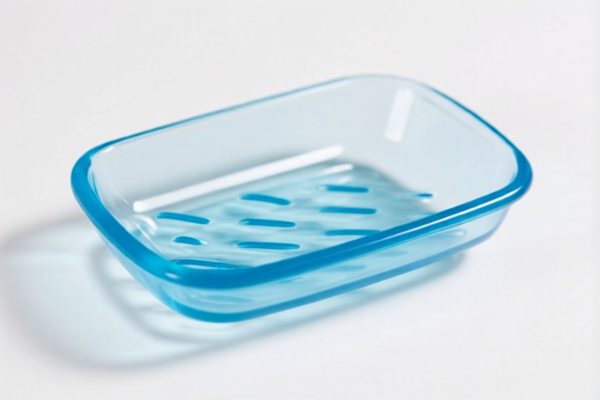
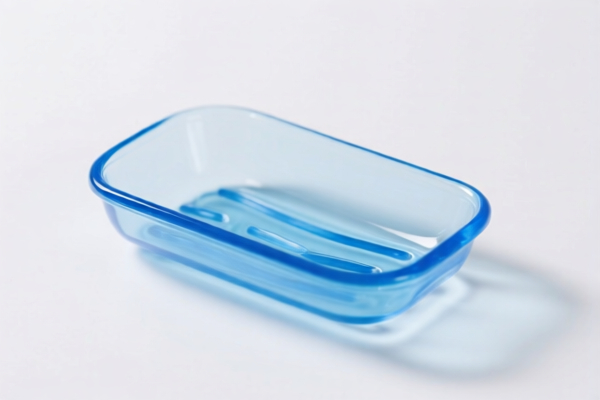
AI Analysis
🌿 Soap Dish (Light Luxury Green)
🌐 HS Code Reference & Customs Clearance Guide | 2026 Latest Tariff Analysis | Professional Clearance Strategy
📌 I. Product Definition & Classification: What Exactly is a "Light Luxury Green Soap Dish"?
A "Light Luxury Green Soap Dish" typically refers to a high-end bathroom or kitchen accessory designed for holding soap. The key characteristics are: * Material: Likely Porcelain/Ceramic (high-end, glazed finish), Metal (brass/gold-plated, though "green" suggests specific plating or paint), or High-Quality Plastic/Resin (mimicking jade or stone). * Aesthetics: "Light Luxury" implies a refined, modern minimalist design with premium finishes (e.g., matte glaze, gold accents). * Color: Green (various shades from emerald to sage).
⚠️ Critical Classification Point:
The HS Code depends entirely on the material. The name "Soap Dish" is too generic. You must declare the primary material to avoid misclassification and excessive duties.
📦 II. HS Code Classification Details (2026 Latest Tariff Authority Comparison)
Based on the provided data, here are the four possible HS Codes depending on the actual material of your product.
| HS Code | Product Description | Material Match | Tax Rate Summary | Key Matching Logic |
|---|---|---|---|---|
| 6912.00.48.10 | Ceramic Soap Dishes | Ceramic / Porcelain | 19.8% | Matches ceramic tableware/household items. No material conflict. |
| 3924.10.40.00 | Plastic Hygiene Articles | Plastic | 13.4% | Matches plastic hygiene/bathroom accessories. Most likely if it’s resin or high-grade plastic. |
| 3924.90.56.50 | Other Plastic Household Items | Plastic (Generic) | 20.9% | Fallback for plastic items not in specific subheadings. "Other" category. |
| 7323.99.90.30 | Iron/Steel Household Items | Metal (Iron/Steel) | 88.4% | Matches metal kitchen/bathroomware. High tax due to steel/aluminum tariffs. |
| 7323.99.90.80 | Iron/Steel Household Items (Other) | Metal (Iron/Steel) | 88.4% | General metal household items. High tax due to steel/aluminum tariffs. |
🔍 Key Distinction:
- Ceramic:6912.00.48.10(Lowest reasonable tax for high-end)
- Plastic:3924.10.40.00(Lowest overall tax)
- Metal:7323.99.90.30/80(Extremely High Tax)
💰 III. 2026 Latest Tariff Rate Breakdown (Including Additional Taxes & Policy Surcharges)
✅ Applicable Country: United States (US)
✅ Origin: China (CN)
✅ Effective Date: Post-November 10, 2025 (including subsequent imports)
🎯 1. 6912.00.48.10 — Ceramic Soap Dish (Recommended for High-End)
| Item | Content |
|---|---|
| Base Tariff | 9.8% |
| Section 301 Additional Tariff | 0.0% (No Section 301 tariff for ceramics) |
| Section 122 Tariff (China) | +10% (Specific to certain Chinese goods) |
| Total Tariff | 19.8% |
| Tax Calculation | CIF Value × 19.8% |
| De Minimis Eligibility | ❌ No (Deny de minimis for China-origin goods subject to these tariffs) |
| Legal Authority Path | Base Tariff → Section 122 Tariff → USITC:6912.00.48.10 |
📌 Explanation:
- Ceramic goods are exempt from Section 301 tariffs (unlike steel/aluminum).
- However, they are subject to the 10% Section 122 tariff under specific U.S. trade laws affecting Chinese imports.
- This is the most favorable tariff structure for a "light luxury" appearance if the material is ceramic.
🎯 2. 3924.10.40.00 — Plastic Hygiene Article
| Item | Content |
|---|---|
| Base Tariff | 3.4% |
| Section 301 Additional Tariff | 0.0% |
| Section 122 Tariff (China) | +10% |
| Total Tariff | 13.4% |
| Tax Calculation | CIF Value × 13.4% |
| De Minimis Eligibility | ❌ No |
| Legal Authority Path | Base Tariff → Section 122 Tariff → USITC:3924.10.40.00 |
📌 Explanation:
- Plastic hygiene articles have a low base rate.
- Like ceramics, they are exempt from Section 301 but subject to the 10% Section 122 tariff.
- Lowest overall cost if the product is indeed plastic/resin.
🎯 3. 7323.99.90.30 / 7323.99.90.80 — Metal (Iron/Steel) Household Item
| Item | Content |
|---|---|
| Base Tariff | 3.4% |
| Section 301 Additional Tariff | 25.0% (High tariff on steel/aluminum) |
| Section 122 Tariff (China) | 50.0% (Specific surcharge on steel, aluminum, copper products) |
| Total Tariff | 88.4% |
| Tax Calculation | CIF Value × 88.4% |
| De Minimis Eligibility | ❌ No |
| Legal Authority Path | Base Tariff → Section 301 → Section 122 → USITC:7323.99.90.30/80 |
📌 Critical Warning:
- If your "green" soap dish is made of metal (even if painted green), it falls under steel/aluminum tariffs.
- Total tariff is 88.4% (3.4% base + 25% Section 301 + 50% Section 122).
- This is prohibitively expensive for most retail products.
- Recommendation: Avoid declaring metal unless it is a very high-value luxury item where the margin can absorb 88% tax.
🛠️ IV. Customs Clearance Practical Advice (Pitfall Avoidance Guide)
✅ 1. Preparation Checklist (Mandatory Documents)
| Document | Required? | Explanation |
|---|---|---|
| ✅ Product Photos | ✔️ | Clear images showing the material (glaze, metal sheen, plastic texture) and green color. |
| ✅ Material Specification Sheet | ✔️ | Must explicitly state: "100% Ceramic," "ABS Plastic," or "Stainless Steel." |
| ✅ Commercial Invoice | ✔️ | Description: "Ceramic Soap Dish, Green, Luxury Design." Avoid generic "Household Item." |
| ✅ Packing List | ✔️ | Include dimensions and weight. |
| ✅ Origin Certificate (CO) | ✔️ | If non-China origin, may qualify for lower tariffs. |
| ✅ Third-Party Test Report | ✔️ | FDA/LFP compliance for ceramic tableware; RoHS for plastic/metal. |
✅ 2. Declaration Tips (Key Mantras)
🔥 "Material is King, Description is Queen, Tax Follows Truth!"
| Scenario | Correct Declaration | Incorrect Declaration | Consequence |
|---|---|---|---|
| Ceramic Soap Dish | "Ceramic Soap Dish, Green, Glazed" | "Plastic Soap Dish" | Severe Penalty: Misclassification, potential fraud charges. |
| Plastic/Resin | "Resin Soap Dish, Green, Plastic" | "Metal Soap Dish" | High Tax: If declared as metal, 88.4% applies. |
| Metal (Painted) | "Stainless Steel Soap Dish, Green Coated" | "Plastic Soap Dish" | High Tax: If declared as plastic, but found metal → Back taxes + fines. |
| Mixed Material | Disclose primary material (e.g., Ceramic with metal accents) | "Luxury Soap Dish" | Customs Hold: Ambiguous descriptions delay clearance. |
✅ 3. Special Cases
| Scenario | Handling Advice |
|---|---|
| "Light Luxury" Metal with Ceramic Base | Declare as Ceramic if the base structure is ceramic. Metal accents should be noted as "decorative." |
| Green Coated Plastic | Ensure the coating is not metallic. If it’s just paint, it’s still Plastic (3924.10.40.00). |
| OEM Custom Design | Provide design files to prove the intended material. |
| Gift Sets (Soap + Dish) | If sold together, declare the main article (the dish) or split value if possible. |
🌍 V. Global Market Comparison (2026 Latest)
| Country/Region | Recommended HS Code | Tariff (China Origin) | Certification Required | Notes |
|---|---|---|---|---|
| 🇺🇸 USA | 6912.00.48.10 (Ceramic) |
19.8% | FDA/LFP | Best Option. Low tax, high perceived value. |
| 🇺🇸 USA | 3924.10.40.00 (Plastic) |
13.4% | RoHS | Lowest cost, but may not fit "Luxury" branding. |
| 🇺🇸 USA | 7323.99.90.30 (Metal) |
88.4% | None | Avoid. Extremely high cost. |
| 🇪🇺 EU | 6912.00.48.10 |
0% | CE | No additional tariffs for ceramics. |
| 🇨🇳 China | 6912.00.48.10 |
9.8% | None | Domestic sales. |
📌 Conclusion:
- For the US Market: If your product is Ceramic, declare it as such (6912.00.48.10) for a 19.8% tariff.
- If Plastic: Declare as Plastic (3924.10.40.00) for 13.4%.
- If Metal: Be prepared for 88.4% tariff. Consider changing material to Ceramic or Plastic for cost efficiency.
📌 VI. Common Mistakes & Pitfall Guide (Lessons Learned)
❌ Mistake 1: Declaring a Metal Soap Dish as "Plastic" to save tax
👉 Consequence: Customs inspection reveals metal → Back taxes + 25-100% penalty.
❌ Mistake 2: Using "Luxury Soap Dish" as the only description
👉 Consequence: Customs cannot determine material → Delay + Request for Documentation.
❌ Mistake 3: Ignoring the Section 122 Tariff
👉 Consequence: Underpayment of the 10% surcharge → Audit and fines.
✅ Correct Practice:
"Ceramic Soap Dish, Green, Glazed Finish, Luxury Design, Model XYZ, FDA Compliant"
🎯 VII. Conclusion: Professional Declaration, Cost Saving, Efficiency!
🎯 Remember the Mantra:
🔹 "Ceramic is 19.8%, Plastic is 13.4%, Metal is 88.4%!"
🔹 "Material determines fate, description determines speed!"
📌 Tips:
- If your soap dish is Ceramic, it is the best balance of luxury look and reasonable tax for the US market.
- If it is Plastic, ensure it looks premium to justify "Light Luxury" pricing, but enjoy the lowest tax.
- Avoid Metal unless you are prepared for the 88.4% tax burden.
📣 Immediate Action:
📞 Contact your customs broker with photos and material specs.
🚀 Apply for Advance Ruling if unsure about the material classification.
📦 Ensure your invoice clearly states "Ceramic" or "Plastic" to match the HS Code.
✨ Professional clearance starts with accurate classification!
💼 Every dollar in tax saved is profit earned!
Customer Reviews
About HS Code Classification
The Harmonized System (HS) is an internationally standardized nomenclature developed by the World Customs Organization (WCO) to classify traded products. Over 200 countries use the HS system as the basis for customs tariffs, trade statistics, and import/export regulations.
Each HS code follows a hierarchical structure:
- Chapter (2 digits) — Broad category of goods (e.g., Chapter 84: Machinery and Mechanical Appliances)
- Heading (4 digits) — More specific grouping within the chapter
- Subheading (6 digits) — Internationally standardized breakdown, used by all WCO member countries
- National subdivisions (8-10 digits) — Country-specific extensions for further classification, such as US HTSUS 10-digit codes
Correct HS code classification is essential for smooth customs clearance, accurate duty payment, and compliance with trade regulations. Misclassification can lead to customs delays, overpayment of duties, or penalties.
When importing from CN to US, the applicable tariff rates may include:
- Most-Favored-Nation (MFN) rate — The standard duty rate applied to WTO members
- General rate — Applied to countries without trade agreements
- Trade remedy duties — Additional tariffs such as Section 301 (anti-dumping), Section 232 (national security), or countervailing duties
The information provided on this page is for reference purposes only. For official classification, please consult with your local customs authority or a licensed customs broker.