sock
CN → US| HS Code | Tariff Rate | Origin | Destination | Doc |
|---|---|---|---|---|
| 6115966010 | 36.3% | CN | US | Official Doc |
| 6115940000 | 28.8% | CN | US | Official Doc |
| 6115959000 | 31.0% | CN | US | Official Doc |
| 6115969020 | 24.6% | CN | US | Official Doc |
| 6115298010 | 26.0% | CN | US | Official Doc |
Product Images
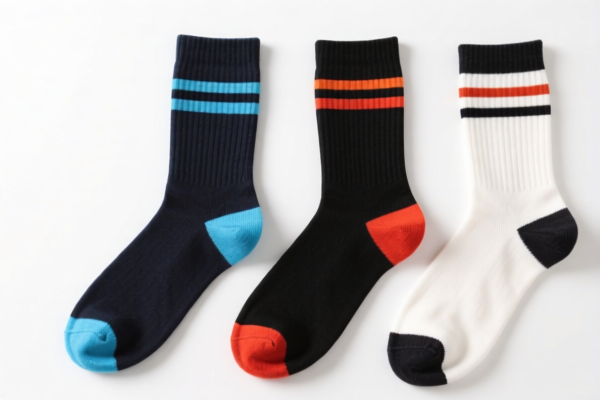
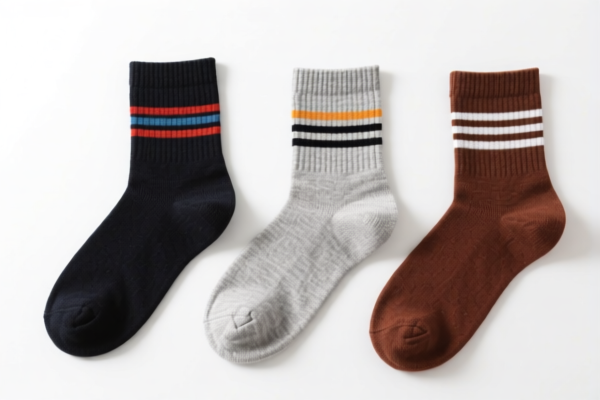
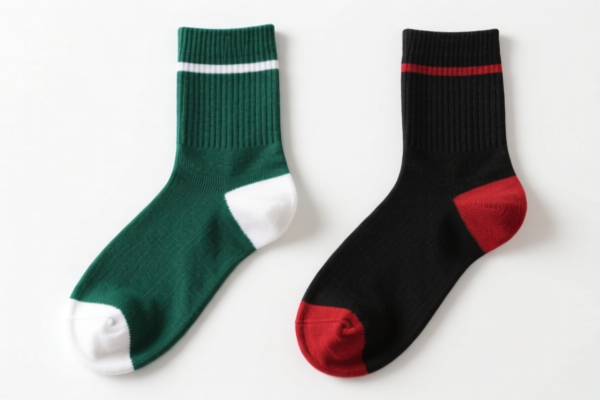
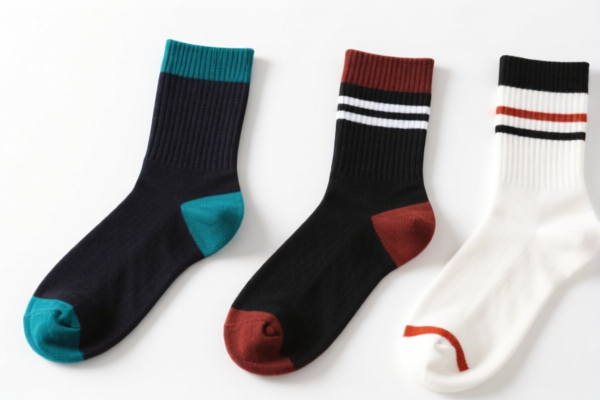
AI Analysis
🧦 Socks (Hosiery for the Feet)
🌐 HS Code Reference & Clearance Guide | 2026 Latest Tariff Analysis | Professional Customs Strategy
📌 1. Product Definition & Classification: Do You Really Understand "Socks"?
Socks are essential wearable accessories designed for foot protection, hygiene, and comfort. In international trade, they are primarily classified under Chapter 61 (Articles of Apparel and Clothing Accessories, Knitted or Crocheted) or Chapter 60 (Knitted or Crocheted Fabrics). The specific HS Code depends heavily on: 1. Material Composition: Cotton, Synthetic Fibers (Nylon, Polyester, Acrylic), or Wool. 2. Structure/Type: Knee-high, ankle, footless, or general hosiery. 3. Packaging: Sold individually or in pairs ("single" vs. "pair").
⚠️ Key Distinction Points:
- If the sock is knitted and classified as a general hosiery item not specified elsewhere (e.g., not specifically "cotton ankle socks" or "nylon pantyhose"), it often falls under 6115.9x series.
- If specifically identified as Cotton socks (often ankle/crew), they may fall under 6115.29 or 6115.95.
- If identified as Synthetic Fiber socks, they may fall under 6115.96 or 6115.94.
📦 2. HS Code Classification Details (2026 Latest Tariff Authority Comparison)
Based on the provided data, here are the most likely HS Codes for "Socks," along with their tax implications. Note that all codes below assume origin from China and import into the US, including specific retaliatory tariffs (Section 301/122).
| HS Code | Product Description | Material Inference | Total Tax Rate | Key Tariff Components |
|---|---|---|---|---|
6115.96.60.10 |
Socks, shape-matched, material unspecified | Likely Synthetic or Blended | 36.3% | Base: 18.8% + Section 301: 7.5% + Section 122: 10% |
6115.94.00.00 |
Socks, shape consistent with hosiery, material unclear | Mixed or Unspecified Fibers | 28.8% | Base: 11.3% + Section 301: 7.5% + Section 122: 10% |
6115.95.90.00 |
Socks (Pair), shape-matched | Likely Cotton or Other Fibers | 31.0% | Base: 13.5% + Section 301: 7.5% + Section 122: 10% |
6115.96.90.20 |
Socks (Pair), shape-matched | Synthetic Fiber or Cotton | 24.6% | Base: 14.6% + Section 301: 0.0% + Section 122: 10% |
6115.29.80.10 |
Pairs of Socks, shape/purpose consistent | Inferred Cotton | 26.0% | Base: 16.0% + Section 301: 0.0% + Section 122: 10% |
🔍 Focus Alert:
- Section 122 Tariff (10%): Applies to all listed codes. This is a specific additional duty for Chinese-origin goods.
- Section 301 / "Add-on" Tariff: Varies by HS Code. For6115.96.90.20and6115.29.80.10, this component is 0%, significantly lowering the total cost compared to other sub-categories.
- Base Duty: Ranges from 11.3% to 18.8%, heavily dependent on the precise material classification and sub-heading.
💰 3. 2026 Latest Tariff Rate Details (Including Additional Taxes & Policy Add-ons)
✅ Applicable Country: United States (US)
✅ Origin: China (CN)
✅ Effective Date: Current tariffs include Section 122 and Section 301 components as listed.
🎯 1. 6115.96.60.10 —— Socks, Shape-Matched, Unspecified Material
| Item | Content |
|---|---|
| Base Duty | 18.8% (ad valorem) |
| Section 301 Add-on | +7.5% |
| Section 122 Add-on | +10% |
| Total Tax Rate | 36.3% |
| Calculation Basis | CIF Value × 36.3% |
| De Minimis Exemption | ❌ Not Eligible (Deny De Minimis for Section 122/301 goods) |
| Legal Basis | USITC Subheading 6115.96.60.10, combined with Section 122 (EO 14024) and Section 301 lists. |
📌 Explanation:
- This code has the highest base duty (18.8%) among the options.
- It incurs both the 7.5% Section 301 duty and the 10% Section 122 duty.
- High Cost Risk: This classification is expensive. Ensure your product description does not inadvertently fall into this category if a cheaper alternative exists.
🎯 2. 6115.96.90.20 —— Socks (Pair), Synthetic Fiber or Cotton
| Item | Content |
|---|---|
| Base Duty | 14.6% |
| Section 301 Add-on | +0.0% |
| Section 122 Add-on | +10% |
| Total Tax Rate | 24.6% |
| Calculation Basis | CIF Value × 24.6% |
| De Minimis Exemption | ❌ Not Eligible |
| Legal Basis | USITC Subheading 6115.96.90.20, combined with Section 122. |
📌 Note:
- Significant Savings: The 0% Section 301 duty makes this code much cheaper than6115.96.60.10.
- Material Specificity: Ensure the product is clearly defined as synthetic fiber or cotton to justify this code. Misclassification can lead to penalties.
- Best Option for Synthetic/Cotton Blends: If your socks are primarily synthetic, this is likely the most cost-effective path among the listed options.
🎯 3. 6115.29.80.10 —— Pairs of Socks (Cotton)
| Item | Content |
|---|---|
| Base Duty | 16.0% |
| Section 301 Add-on | +0.0% |
| Section 122 Add-on | +10% |
| Total Tax Rate | 26.0% |
| Calculation Basis | CIF Value × 26.0% |
| De Minimis Exemption | ❌ Not Eligible |
| Legal Basis | USITC Subheading 6115.29.80.10, combined with Section 122. |
📌 Note:
- Cotton-Specific: This code is strongly associated with cotton socks. If your product is 100% cotton, this may be the correct classification.
- Competitive Rate: At 26.0%, it is competitive compared to other cotton-related subheadings that might incur Section 301 duties.
- Avoid Section 301: The 0% add-on is a key advantage.
🎯 4. 6115.95.90.00 —— Socks (Pair), Cotton or Other Fibers
| Item | Content |
|---|---|
| Base Duty | 13.5% |
| Section 301 Add-on | +7.5% |
| Section 122 Add-on | +10% |
| Total Tax Rate | 31.0% |
| Calculation Basis | CIF Value × 31.0% |
| De Minimis Exemption | ❌ Not Eligible |
| Legal Basis | USITC Subheading 6115.95.90.00, combined with Section 301 and Section 122. |
📌 Note:
- Moderate Cost: Higher base duty than6115.96.90.20but lower than6115.96.60.10.
- Section 301 Applies: The 7.5% add-on increases the total cost. Use this only if the product description strictly matches this subheading.
🎯 5. 6115.94.00.00 —— Socks, General Hosiery
| Item | Content |
|---|---|
| Base Duty | 11.3% |
| Section 301 Add-on | +7.5% |
| Section 122 Add-on | +10% |
| Total Tax Rate | 28.8% |
| Calculation Basis | CIF Value × 28.8% |
| De Minimis Exemption | ❌ Not Eligible |
| Legal Basis | USITC Subheading 6115.94.00.00, combined with Section 301 and Section 122. |
📌 Note:
- Lowest Base Duty: At 11.3%, this has the lowest base rate.
- However, the Section 301 duty makes the total 28.8%, which is higher than6115.96.90.20(24.6%) and6115.29.80.10(26.0%).
- General Category: Use only if the socks do not fit more specific subheadings (like cotton or synthetic-specific ones).
🛠️ 4. Clearance Practical Advice (Avoiding Pitfalls)
✅ 1. Required Documentation Checklist (Non-Negotiable)
| Document | Must Provide | Description |
|---|---|---|
| ✅ Product Specification Sheet | ✔️ | Include material composition (e.g., 80% Cotton, 20% Spandex), sock type (ankle, crew), and packaging details. |
| ✅ Material Composition Proof | ✔️ | Lab test reports or supplier declarations to prove fiber content. Critical for distinguishing between 6115.29, 6115.94, 6115.95, and 6115.96. |
| ✅ Product Photos | ✔️ | Clear images of the sock, label, and packaging. Show if sold as "single" or "pair." |
| ✅ Commercial Invoice | ✔️ | Clearly state "Socks" and specify material. Avoid vague terms like "Apparel." |
| ✅ Packing List | ✔️ | Detail the number of pairs per box. Customs may check if "pair" vs. "single" affects classification. |
| ✅ Certificate of Origin (CO) | ✔️ | Essential for verifying Chinese origin, triggering Section 122 and potentially Section 301. |
✅ 2. Declaration Tips (Key Strategy)
🔥 “Define Material, Specify Pair, Avoid Vague Terms!”
| Scenario | Correct Declaration | Incorrect Practice |
|---|---|---|
| Synthetic Socks (e.g., Nylon) | 6115.96.90.20 - "Socks, Synthetic Fiber, Pair" |
Calling them "Apparel Accessories" → Higher tax |
| Cotton Socks | 6115.29.80.10 - "Socks, Cotton, Pair" |
Calling them "General Hosiery" → 6115.94.00.00 (28.8%) |
| Unspecified Material | 6115.96.60.10 (Highest Risk) |
Assume lowest rate → Audit Risk |
| Sells as Single Sock | Verify if HS Code changes | Packaging as "Pair" when sold single → Misdeclaration |
✅ 3. Special Case Handling
| Situation | Handling Advice |
|---|---|
| Mixed Material Socks | If >50% cotton, lean towards 6115.29. If synthetic dominant, lean towards 6115.96. Get a lab test if uncertain. |
| Compression Socks | May require additional medical device classification or specific functional descriptions. Check if 6115.94 is more appropriate. |
| Custom/Graphic Socks | Ensure the primary material is declared. Graphics do not change the HS Code unless they constitute the primary value (rare for socks). |
| De Minimis (Section 321) | ❌ Not Applicable for China-origin socks due to Section 122 and 301 duties. Shipments valued under $800 will still be taxed. |
🌍 5. Global Market Comparison (2026 Latest)
| Country/Region | Recommended HS Code | Approx. Tariff (China Origin) | Key Requirements | Notes |
|---|---|---|---|---|
| 🇺🇸 USA | 6115.96.90.20 |
24.6% | Section 122 + 301 (if applicable) | High tariffs; ensure material accuracy to avoid 36.3% |
| 🇨🇳 China | 6115.29.80.10 |
~5-10% (Import Duty) | CCC (if applicable) | Lower tariffs; focus on quality standards |
| 🇪🇺 EU | 6115.95.90.00 |
~12-16% | CE (if medical), REACH | No Section 122/301; standard MFN rates apply |
| 🇬🇧 UK | 6115.96.90.20 |
~12-16% | UKCA | Post-Brexit rules; check UK Global Tariff |
📌 Conclusion:
- USA: Tariffs are the biggest cost driver. Selecting the right HS Code (e.g.,6115.96.90.20over6115.96.60.10) can save up to 11.7% in duties.
- EU/UK: Standard rates apply; no retaliatory tariffs. Focus on compliance and labeling.
📌 6. Common Mistakes & Pitfalls (Lessons Learned)
❌ Mistake 1: Declaring "Socks" without material specification
👉 Consequence: Customs may assign the highest base duty code (6115.96.60.10 at 36.3%) or demand a lab test, causing delays.
❌ Mistake 2: Mislabeling Cotton as Synthetic (or vice versa)
👉 Consequence: Duty rate mismatch (e.g., 26.0% vs. 31.0%). Potential fines and retroactive tax payments.
❌ Mistake 3: Assuming De Minimis ($800) applies
👉 Consequence: Section 122 and 301 duties apply regardless of value. Shippers expecting tax-free entry will face unexpected bills.
❌ Mistake 4: Using "Hosiery" for all sock types
👉 Consequence: 6115.94.00.00 (28.8%) might be less optimal than 6115.96.90.20 (24.6%) for synthetic socks. Precision saves money.
✅ Best Practice:
"Socks, 80% Cotton, 20% Polyester, Ankle Length, Sold in Pairs, HS Code 6115.29.80.10"
🎯 7. Conclusion: Precise Classification, Maximized Profit!
🎯 Remember the Golden Rules:
🔹 "Material is King: Cotton vs. Synthetic decides the Code."
🔹 "Avoid Section 301:6115.96.90.20and6115.29.80.10are your best friends (0% Add-on)."
🔹 "Section 122 is Unavoidable: Budget 10% extra for China-origin goods."
📌 Pro Tip:
If your socks are made in Vietnam, Bangladesh, or India, you may avoid Section 301 and potentially Section 122 (depending on current EO interpretations). Always verify the Country of Origin on the production label, not just the shipping origin.
📣 Immediate Action:
📞 Consult a licensed customs broker for an Advance Ruling on your specific sock material and construction.
🚀 Optimize your HS Code choice to reduce duty costs by up to 11.7%!
✨ Professional Clearance Starts with Accurate Classification!
💼 Every percentage point saved is pure profit!
Customer Reviews
About HS Code Classification
The Harmonized System (HS) is an internationally standardized nomenclature developed by the World Customs Organization (WCO) to classify traded products. Over 200 countries use the HS system as the basis for customs tariffs, trade statistics, and import/export regulations.
Each HS code follows a hierarchical structure:
- Chapter (2 digits) — Broad category of goods (e.g., Chapter 84: Machinery and Mechanical Appliances)
- Heading (4 digits) — More specific grouping within the chapter
- Subheading (6 digits) — Internationally standardized breakdown, used by all WCO member countries
- National subdivisions (8-10 digits) — Country-specific extensions for further classification, such as US HTSUS 10-digit codes
Correct HS code classification is essential for smooth customs clearance, accurate duty payment, and compliance with trade regulations. Misclassification can lead to customs delays, overpayment of duties, or penalties.
When importing from CN to US, the applicable tariff rates may include:
- Most-Favored-Nation (MFN) rate — The standard duty rate applied to WTO members
- General rate — Applied to countries without trade agreements
- Trade remedy duties — Additional tariffs such as Section 301 (anti-dumping), Section 232 (national security), or countervailing duties
The information provided on this page is for reference purposes only. For official classification, please consult with your local customs authority or a licensed customs broker.