socks
CN → US| HS Code | Tariff Rate | Origin | Destination | Doc |
|---|---|---|---|---|
| 6115966010 | 36.3% | CN | US | Official Doc |
| 6115940000 | 28.8% | CN | US | Official Doc |
| 6115220000 | 24.9% | CN | US | Official Doc |
| 6115210020 | 33.5% | CN | US | Official Doc |
| 6115959000 | 31.0% | CN | US | Official Doc |
| 6115103000 | 31.0% | CN | US | Official Doc |
Product Images
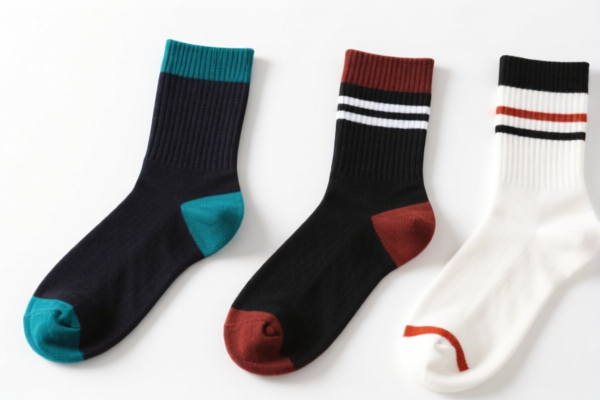
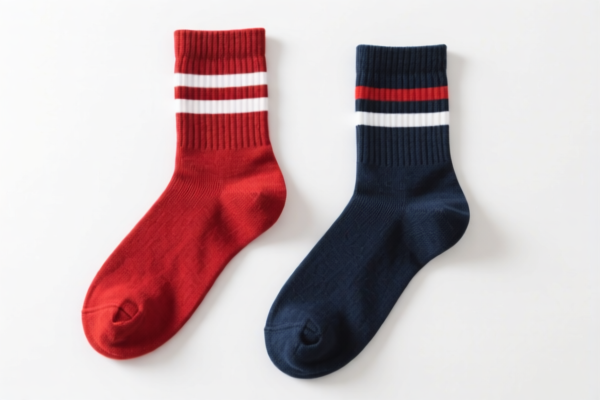
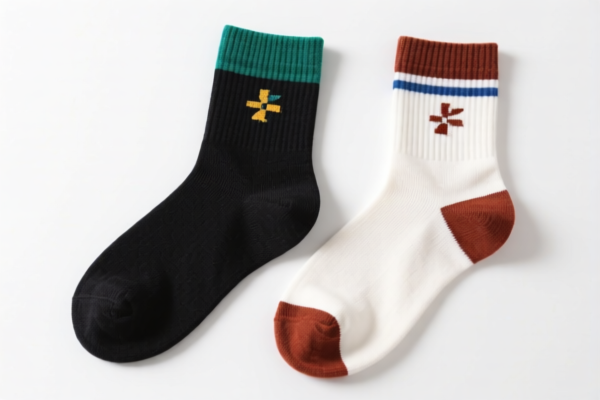

AI Analysis
🧦 Socks (The Ultimate Guide to HS Codes & US Import Taxation)
🌐 HS Code Reference & Clearance Guide | 2026 US Tariff Breakdown | Professional Entry Strategy
📌 I. Product Definition & Classification: Are You Wearing the Right Code?
Socks are a ubiquitous textile product, ranging from casual athletic wear to high-compression medical gear. In international trade, the material composition is the single most critical factor determining the HS Code and the resulting tax burden.
Socks are generally categorized by fiber content: * Synthetic Fiber Socks (e.g., Nylon, Polyester, Acrylic): Often fall under heading 6115.2 or 6115.21. * Cotton Socks: Fall under heading 6115.1 or 6115.95. * Other/Unspecified Material: Fall under heading 6115.9 or 6115.96. * Graduated Compression Socks: Specifically classified under 6115.10.
⚠️ Critical Distinction:
- If the material is Synthetic (Nylon), look at 6115.21.00.20 or 6115.22.00.00.
- If the material is Cotton, look at 6115.10.30.00 or 6115.95.90.00.
- If the material is Unknown/Unclassified, it defaults to 6115.96.60.10 or 6115.94.00.00.
📦 II. HS Code Classification Breakdown (2026 US Tariff Analysis)
Based on the provided data, here is the authoritative breakdown for Socks imported from China to the US:
| HS Code | Product Description & Logic | Material/Type | Total Tax Rate | Key Tax Components |
|---|---|---|---|---|
| 6115.22.00.00 | Nylon Socks (Synthetic) | Synthetic Fiber (Nylon) | 24.9% | Base: 14.9% + Sec 301 (7.5%) + 122 Clauses (10%) |
| 6115.94.00.00 | General Socks (Generic) | Unspecified/Other | 28.8% | Base: 11.3% + Sec 301 (7.5%) + 122 Clauses (10%) |
| 6115.95.90.00 | Cotton Socks (Standard) | Cotton | 31.0% | Base: 13.5% + Sec 301 (7.5%) + 122 Clauses (10%) |
| 6115.10.30.00 | Graduated Compression Socks | Cotton (Medical/Health) | 31.0% | Base: 13.5% + Sec 301 (7.5%) + 122 Clauses (10%) |
| 6115.21.00.20 | Nylon Socks (Specific Sub-cat) | Synthetic Fiber (Nylon) | 33.5% | Base: 16.0% + Sec 301 (7.5%) + 122 Clauses (10%) |
| 6115.96.60.10 | Socks (Unspecified Material) | Material Not Declared | 36.3% | Base: 18.8% + Sec 301 (7.5%) + 122 Clauses (10%) |
🔍 Detailed Logic for Each Code:
- 6115.22.00.00: Best for standard synthetic socks. No "Section 301" surcharge in this specific line, but the base rate is low enough to result in a competitive 24.9%.
- 6115.94.00.00: A safe fallback for socks where the material is hard to declare but not synthetic/cotton.
- 6115.95.90.00 & 6115.10.30.00: Both target Cotton. The Compression Socks (6115.10.30.00) share the same tax profile as standard Cotton socks.
- 6115.21.00.20: A specific sub-category for Nylon. Interestingly, the Base Duty is higher (16.0%), leading to the highest synthetic rate (33.5%) despite no 301 surcharge.
- 6115.96.60.10: Danger Zone! "Material not declared" leads to the highest classification (18.8% base), resulting in a 36.3% total tax. Always declare material!
💰 III. 2026 US Tariff Structure Deep Dive (China Origin)
✅ Target Market: United States (US)
✅ Country of Origin: China (CN)
✅ Applicable Dates: Current 2026 Tariff Regime
🎯 1. The "122 Clauses" Tax (The Hidden 10%)
- Component: 122 Clauses Tariff (10%)
- Applicability: Applies to ALL sock categories listed above.
- Legal Basis: Section 122 of the Trade Expansion Act (or related emergency provisions targeting Chinese textiles).
- Impact: This is a flat 10% added on top of the other duties. It is non-negotiable for Chinese-made socks.
🎯 2. Section 301 (Additional 7.5%)
- Component: Section 301 Additional Duty (7.5%)
- Applicability: Applies to 6115.21, 6115.94, 6115.95, 6115.10, 6115.96.
- Exception: 6115.22.00.00 (Standard Nylon) appears to have 0.0% Section 301 surcharge in the provided data, making it the most tax-efficient synthetic option.
🎯 3. Base Duty (MFN Rates)
Varies by fiber: * Synthetic (6115.22): 14.9% (Lowest Base) * Cotton (6115.95/10): 13.5% * Specific Nylon (6115.21): 16.0% * Generic (6115.94): 11.3% * Unknown (6115.96): 18.8% (Highest Base)
🛠️ IV. Clearance & Logistics Strategy (Action Plan)
✅ 1. Documentation Checklist (Mandatory for Socks)
| Document | Requirement | Why It Matters |
|---|---|---|
| Commercial Invoice | Must explicitly state "100% Cotton" or "100% Nylon" (or blend %) | Prevents classification as 6115.96.60.10 (36.3% tax). |
| Packing List | Must match invoice quantities and descriptions | Avoids "Short Pack" disputes at CBP. |
| Material Test Report | ISO/ASTM test for fiber content | Crucial to prove "Cotton" vs "Synthetic" if audited. |
| Country of Origin CO | China Origin Certificate | Required to calculate the exact Section 301 + 122 Clause duties. |
| Product Images | Close-ups of tags and fabric texture | CBP may request proof of material composition during examination. |
✅ 2.申报技巧 (Declarations) - THE GOLDEN RULES
🔥 "Material Matters: Declare it or Pay 36%!"
| Scenario | CORRECT Declaration (Low Tax) | WRONG Declaration (High Tax) |
|---|---|---|
| Nylon Socks | 6115.22.00.00 (24.9%) |
6115.21.00.20 (33.5%) or 6115.96.60.10 (36.3%) |
| Cotton Socks | 6115.95.90.00 (31.0%) |
6115.96.60.10 (36.3%) if material is hidden |
| Mixed Blends | Declare the dominant fiber (if >50%) | "Material Unknown" → 36.3% |
| Compression Socks | 6115.10.30.00 (31.0%) |
6115.94.00.00 (28.8%) - Wait, this is cheaper! (See Note) |
💡 Strategic Note:
Interestingly,6115.94.00.00(Generic/Other) has a lower total tax (28.8%) than Cotton socks (31.0%). However, you cannot arbitrarily claim cotton socks are "Other." You must declare the material accurately. Misdeclaration leads to seizure, penalties, and back-dated duties.
✅ 3. Special Situations & Risk Mitigation
| Situation | Strategy |
|---|---|
| Sample Shipments | Even samples attract the 36.3% if material is not declared. Use a "De Minimis" exemption only if value < $800 (but be careful with commercial intent). |
| Re-exports from Mexico | If socks are made in Mexico and simply transshipped through China, you need a USMCA Certificate of Origin to avoid Chinese Section 301/122 duties. |
| Audits | If CBP questions your cotton claim, they will demand an FTIR Test Report or Microscopy Analysis. Do not guess the material! |
| Compression Socks | Ensure marketing materials explicitly state "Graduated Compression" to justify 6115.10.30.00 vs general cotton socks. |
🌍 V. Global Market Comparison (US vs. Others)
| Region | Recommended HS Code for Socks | Typical Total Duty (China Origin) | Key Risk |
|---|---|---|---|
| 🇺🇸 USA | 6115.22.00.00 (Nylon) |
24.9% | 122 Clauses (10%) + Section 301 (7.5%) |
| 🇪🇺 EU | Varies by Material | ~10-14% | No Section 301, but GSP/Preferences apply |
| 🇨🇦 Canada | Varies | ~15-20% | CUSMA (USMCA) benefits if applicable |
| 🇦🇺 Australia | Varies | ~5% | Low base duties, no aggressive trade wars |
📌 Conclusion:
The US market is the most expensive for Chinese socks due to the combination of Base Duty + Section 301 (7.5%) + 122 Clauses (10%). Nylon socks (6115.22.00.00) are the most tax-efficient at 24.9%. Avoid "Unspecified Material" at all costs!
📌 VI. Common Pitfalls & "Don't Do This" List
❌ Pitfall 1: Blurring Material Lines
👉 Result: If you ship "Blended Socks" and say "Cotton," but tests show 60% Nylon, you get hit with the higher nylon tax (33.5%) AND fines.
❌ Pitfall 2: Missing the "122 Clause"
👉 Result: Budgeting only for the "Base" and "301" tax. You will be short 10% of the value at the border, leading to cash flow issues or seizure.
❌ Pitfall 3: Using "Unspecified" to Simplify
👉 Result: 6115.96.60.10 at 36.3% is the most expensive option. It is the default for "lazy" declarations. Never do this.
✅ Correct Approach:
"Men's Crew Socks, 80% Cotton, 20% Spandex, Made in China, for Retail."
HS Code:6115.95.90.00→ Tax: 31.0% (Safe and compliant).
🎯 VII. Final Verdict & Action Items
🎯 The Golden Formula for Socks Importers:
🔹 "Know the Fiber, Pick the Code, Pay the 10%."
🔹 "Nylon = 24.9% (Best), Cotton = 31.0% (Standard), Unknown = 36.3% (Punishment)."
🚀 Immediate Steps for Shipment: 1. Verify Material Composition: Get a lab report for every batch. 2. Select HS Code: * If Nylon: 6115.22.00.00 (Lowest Risk/Tax). * If Cotton: 6115.95.90.00 or 6115.10.30.00. * If Generic: 6115.94.00.00 (Only if material is truly unknown/other). 3. Calculate Budget: Add 24.9% to 36.3% to your landed cost. 4. File Correctly: Ensure the entry summary (Form 7501) matches the invoice exactly.
📌 Pro Tip:
If you are importing large volumes, consider bonded warehousing to defer the 122 Clause duty until the goods are released, but remember the total liability remains the same.
✨ Smart Importing Starts with Precision!
💼 Don't let 10% hidden taxes erase your profit margin.
📞 Consult a licensed broker before the first container leaves the factory!
Customer Reviews
About HS Code Classification
The Harmonized System (HS) is an internationally standardized nomenclature developed by the World Customs Organization (WCO) to classify traded products. Over 200 countries use the HS system as the basis for customs tariffs, trade statistics, and import/export regulations.
Each HS code follows a hierarchical structure:
- Chapter (2 digits) — Broad category of goods (e.g., Chapter 84: Machinery and Mechanical Appliances)
- Heading (4 digits) — More specific grouping within the chapter
- Subheading (6 digits) — Internationally standardized breakdown, used by all WCO member countries
- National subdivisions (8-10 digits) — Country-specific extensions for further classification, such as US HTSUS 10-digit codes
Correct HS code classification is essential for smooth customs clearance, accurate duty payment, and compliance with trade regulations. Misclassification can lead to customs delays, overpayment of duties, or penalties.
When importing from CN to US, the applicable tariff rates may include:
- Most-Favored-Nation (MFN) rate — The standard duty rate applied to WTO members
- General rate — Applied to countries without trade agreements
- Trade remedy duties — Additional tariffs such as Section 301 (anti-dumping), Section 232 (national security), or countervailing duties
The information provided on this page is for reference purposes only. For official classification, please consult with your local customs authority or a licensed customs broker.