socks pair
CN → US| HS Code | Tariff Rate | Origin | Destination | Doc |
|---|---|---|---|---|
| 6115298010 | 26.0% | CN | US | Official Doc |
| 6115959000 | 31.0% | CN | US | Official Doc |
| 6115969020 | 24.6% | CN | US | Official Doc |
| 3926204050 | 16.5% | CN | US | Official Doc |
| 6115298010 | 26.0% | CN | US | Official Doc |
Product Images
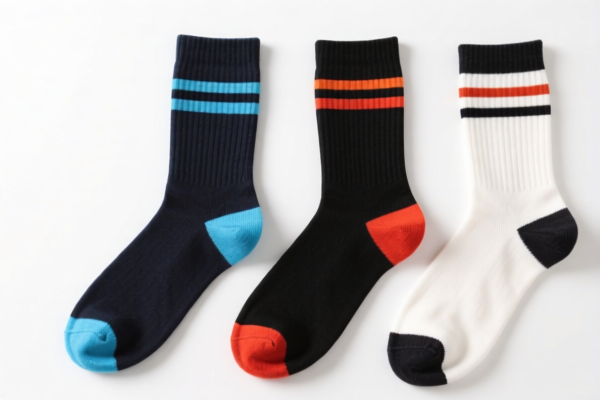
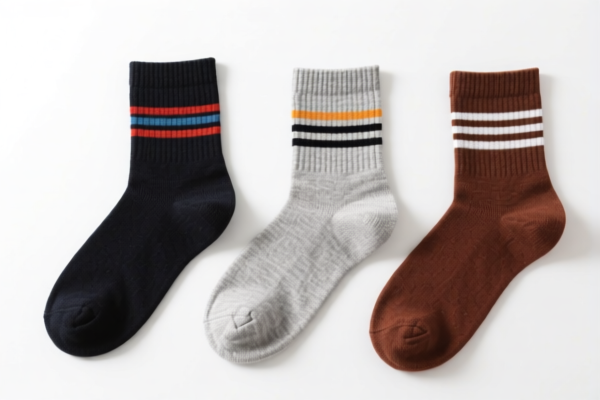
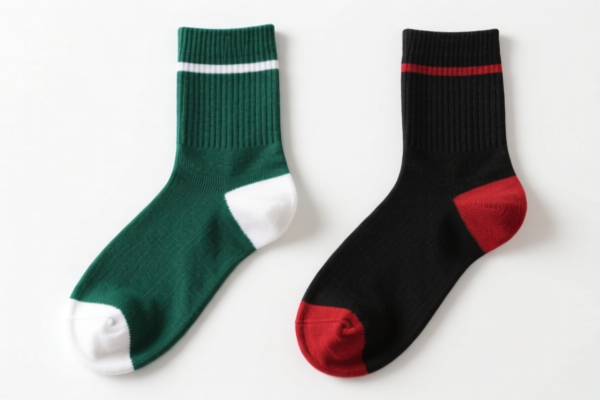
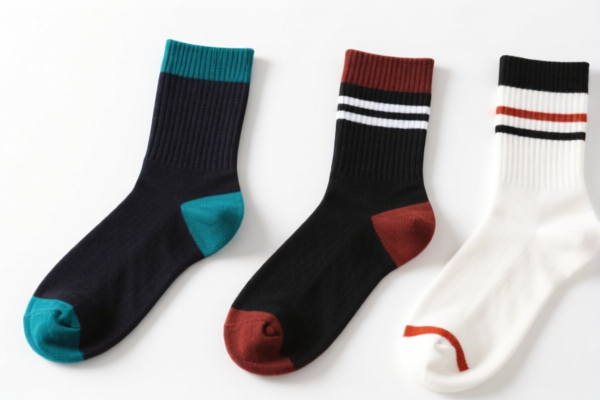
AI Analysis
🧦 Socks, Pair (双/对袜子)
🌐 HS Code Reference & Customs Clearance Guide | 2026 Latest Tariff Analysis | Strategic Entry Strategy
📌 I. Product Definition & Classification: Do You Really Know "Socks"?
Socks are essential apparel items, categorized internationally based on fiber material and knitting method. In international trade, the classification of "socks, pair" depends heavily on whether they are knitted and what material they are made of.
Knitted Socks (Chapter 61): The vast majority of socks fall here. The key distinction is the fiber content: * Cotton (60%+): Most common consumer socks. * Synthetic Fibers (Polyester, Nylon, Acrylic): Athletic socks, hosiery. * Other Textile Materials: Wool, blends, etc.
Non-Knitted or Non-Textile Items: * Plastic Models: If the item is a display stand or model made of plastic (not wearable), it falls under plastics.
⚠️ Key Distinction:
- If it is a wearable textile product → Look at Chapter 61 (6115.xx).
- If it is a plastic display model of a sock → Look at Chapter 39 (3926.20).
- Material determines the sub-heading: Cotton vs. Synthetic vs. Other.
📦 II. HS Code Classification Details (2026 Latest Tariff Authority Comparison)
Based on the provided data, here are the specific HS Codes for "Socks, Pair" and related items:
| HS Code | Product Description | Inferred Material | Key Characteristics |
|---|---|---|---|
6115.29.80.10 |
Socks, Pair (Knitted/Crocheted) | Cotton | Most common for basic cotton socks. |
6115.95.90.00 |
Socks, Pair (Knitted/Crocheted) | Cotton or Other Textile Fibers | Broader category for non-synthetic, non-standard cotton blends or other textiles. |
6115.96.90.20 |
Socks, Pair (Knitted/Crocheted) | Synthetic Fibers or Cotton | Typically used for synthetic blends or specific knit structures. |
3926.20.40.50 |
Sock Model / Display Stand | Plastic | Non-wearable. Used for retail display or training. |
🔍 Critical Reminder:
- "Socks, Pair" must be worn: If the item is not intended to be worn but is a plastic mock-up, do NOT use Chapter 61 codes. Use3926.20.40.50. - Material Declaration: For Chapter 61 codes, you must specify the exact fiber composition (e.g., "80% Cotton, 20% Polyester") to avoid customs reclassification disputes.
💰 III. 2026 Latest Tariff Rate Breakdown (Including Additional Taxes, Policy Surcharges)
✅ Applicable Country: United States (US)
✅ Origin: China (CN)
✅ Effective Time: Current Rates (Including Section 301 & IEEPA)
🎯 1. 6115.29.80.10 —— Cotton Socks (Pair)
| Item | Content |
|---|---|
| Base Tariff | 16.0% |
| Section 301 Surcharge | 0.0% (Note: Based on provided data, no additional 25% Section 301 listed for this specific sub-code in the source, but verify latest updates) |
| IEEPA Surcharge (Section 122) | 10.0% |
| Total Tax Rate | 26.0% |
| Tax Calculation | CIF Value × 26% |
| De Minimis Eligibility | ❌ No (Deny De Minimis) |
| Legal Basis Path | IEEPA: Section 122 (10%) → USITC: 6115.29.80.10 |
📌 Explanation:
- This code is for Cotton socks. - The 10% IEEPA tariff is added to the base 16%. - Total 26% is significant. High-volume retailers must factor this into margin calculations.
🎯 2. 6115.95.90.00 —— Other Textile Socks (Pair)
| Item | Content |
|---|---|
| Base Tariff | 13.5% |
| Section 301 Surcharge | 7.5% (Note: Specific surcharge indicated in data) |
| IEEPA Surcharge (Section 122) | 10.0% |
| Total Tax Rate | 31.0% |
| Tax Calculation | CIF Value × 31% |
| De Minimis Eligibility | ❌ No (Deny De Minimis) |
| Legal Basis Path | IEEPA: Section 122 (10%) → USITC: 6115.95.90.00 |
📌 Warning:
- This code has the highest total tax rate (31%) among the wearable sock codes. - It applies to non-cotton or specialty textile socks. Ensure you are not misclassifying synthetic socks here if a more specific synthetic code applies, but also avoid misclassifying cotton socks here to avoid under-declaration.
🎯 3. 6115.96.90.20 —— Synthetic/Blended Socks (Pair)
| Item | Content |
|---|---|
| Base Tariff | 14.6% |
| Section 301 Surcharge | 0.0% |
| IEEPA Surcharge (Section 122) | 10.0% |
| Total Tax Rate | 24.6% |
| Tax Calculation | CIF Value × 24.6% |
| De Minimis Eligibility | ❌ No (Deny De Minimis) |
| Legal Basis Path | IEEPA: Section 122 (10%) → USITC: 6115.96.90.20 |
📌 Opportunity:
- This is the lowest total tax rate (24.6%) for wearable socks in the provided data. - If your socks are made of synthetic fibers (polyester, nylon) or specific blends, verify if they qualify for this code to save 1.4% - 6.4% compared to other codes.
🎯 4. 3926.20.40.50 —— Plastic Sock Models (Display Only)
| Item | Content |
|---|---|
| Base Tariff | 6.5% |
| Section 301 Surcharge | 0.0% |
| IEEPA Surcharge (Section 122) | 10.0% |
| Total Tax Rate | 16.5% |
| Tax Calculation | CIF Value × 16.5% |
| De Minimis Eligibility | ❌ No (Deny De Minimis) |
| Legal Basis Path | IEEPA: Section 122 (10%) → USITC: 3926.20.40.50 |
📌 Note:
- This is for non-wearable plastic models. - While the tax rate is lower (16.5%), you cannot use this for actual socks. Misclassification leads to heavy fines and seizure.
🛠️ IV. Customs Clearance Practical Advice (实战避坑指南)
✅ 1. Preparation Checklist (Must-Haves)
| Document | Required | Explanation |
|---|---|---|
| ✅ Fiber Composition Label | ✔️ | Must clearly state % of Cotton, Polyester, Wool, etc. |
| ✅ Product Photos | ✔️ | Show packaging, label, and texture to prove it's wearable (unless it's a plastic model). |
| ✅ Commercial Invoice | ✔️ | Must specify "Socks, Pair" and material. |
| ✅ Packing List | ✔️ | Include gross/net weight, number of pairs. |
| ✅ IEEPA Origin Statement | ✔️ | Confirm Chinese origin to apply correct Section 122 tariffs. |
✅ 2. Declaration Tips (Key Mantras)
🔥 "Material First, Wearable vs. Display, Tariff Difference is Real!"
| Scenario | Correct Declaration | Wrong Practice |
|---|---|---|
| Cotton Socks | 6115.29.80.10 (26%) |
Misclassify as Synthetic (6115.96.90.20) → Under-declaration Penalty |
| Synthetic Socks | 6115.96.90.20 (24.6%) |
Misclassify as Cotton → Over-payment (minor) or Dispute |
| Plastic Display Model | 3926.20.40.50 (16.5%) |
Declare as Wearable Socks → High Tax (26%+) + Compliance Risk |
| Mixed Fiber Socks | Determine dominant fiber | Vague description "Textile Socks" → Customs Assessment Delay |
✅ 3. Special Cases Handling
| Situation | Handling Advice |
|---|---|
| Sample Pairs | Even if free, declare value. Do NOT use De Minimis ($800) for socks from China due to Section 122/301 restrictions. |
| Socks with Rubber Soles | If soles are substantial, still likely 6115.xx, but ensure material breakdown is accurate. |
| OEM Branded Socks | Provide authorization letters if requested, but focus on material for HS Code. |
| Plastic Sock Hangers/Mannequins | Ensure they are not "part of the sock" but separate items. If sold together, may need separate line items. |
🌍 V. Global Market Comparison (2026 Latest)
| Country/Region | Recommended HS Code (Wearable) | Total Tax Rate (China Origin) | Certification | Notes |
|---|---|---|---|---|
| 🇺🇸 USA | 6115.29.80.10 / 6115.96.90.20 |
24.6% - 26.0% | None specific | High Tariff due to IEEPA 10%. |
| 🇨🇳 China | 6115.xx |
~5-15% | N/A | Low import tax, but focus on export compliance. |
| 🇪🇺 EU | 6115.xx |
12% + VAT | CE (if safety) | No Section 122 equivalent, but standard MFN rates apply. |
| 🇦🇺 Australia | 6115.xx |
5% | N/A | Low duty, easy clearance. |
📌 Conclusion:
- The USA is the most expensive market for Chinese socks due to the 10% IEEPA surcharge and potential Section 301 duties. - Cost Optimization: If possible, verify if your synthetic socks can be classified under6115.96.90.20(24.6%) instead of6115.95.90.00(31%) to save money.
📌 VI. Common Errors & Pitfalls (Lessons Learned)
❌ Error 1: Declaring "Plastic Sock Models" as "Cotton Socks"
👉 Consequence: You pay 26% tax instead of 16.5%, AND risk customs audit for misclassification.
❌ Error 2: Ignoring Fiber Content
👉 Consequence: Customs may reclassify from 6115.96 (24.6%) to 6115.95 (31%) if they suspect synthetic content is misrepresented.
❌ Error 3: Using De Minimis for Socks
👉 Consequence: Rejected. Socks from China are subject to Section 122 and potentially Section 301, blocking the $800 exemption. Must file formal entry.
✅ Correct Practice:
"Men's Cotton Crew Socks, 3-Pair Pack, 80% Cotton/20% Polyester, Made in China, HS 6115.29.80.10"
🎯 VII. Conclusion: Precision Classification Saves Money!
🎯 Remember the Mantras:
🔹 "Cotton 26%, Synthetic 24.6%, Other Textile 31%, Plastic Model 16.5%."
🔹 "Check Fiber! Check Use! Check Origin!"
🔹 "No De Minimis for China Socks!"
📌 Pro Tip:
If your socks are made in Vietnam, Bangladesh, or India, you may avoid the 10% IEEPA and Section 301 surcharges, reducing total tax to just the base rate (e.g., ~14-16%). Consider supply chain diversification if margins are tight.
📣 Immediate Action:
📞 Verify Fiber Composition with your supplier.
📦 Choose the Correct HS Code based on material (Cotton vs. Synthetic).
🚀 Plan for Formal Entry, as De Minimis is not an option.
✨ Professional Clearance Starts with Accurate Classification!
💼 Every Percentage Point Counts in Global Trade!
Customer Reviews
About HS Code Classification
The Harmonized System (HS) is an internationally standardized nomenclature developed by the World Customs Organization (WCO) to classify traded products. Over 200 countries use the HS system as the basis for customs tariffs, trade statistics, and import/export regulations.
Each HS code follows a hierarchical structure:
- Chapter (2 digits) — Broad category of goods (e.g., Chapter 84: Machinery and Mechanical Appliances)
- Heading (4 digits) — More specific grouping within the chapter
- Subheading (6 digits) — Internationally standardized breakdown, used by all WCO member countries
- National subdivisions (8-10 digits) — Country-specific extensions for further classification, such as US HTSUS 10-digit codes
Correct HS code classification is essential for smooth customs clearance, accurate duty payment, and compliance with trade regulations. Misclassification can lead to customs delays, overpayment of duties, or penalties.
When importing from CN to US, the applicable tariff rates may include:
- Most-Favored-Nation (MFN) rate — The standard duty rate applied to WTO members
- General rate — Applied to countries without trade agreements
- Trade remedy duties — Additional tariffs such as Section 301 (anti-dumping), Section 232 (national security), or countervailing duties
The information provided on this page is for reference purposes only. For official classification, please consult with your local customs authority or a licensed customs broker.