sofa cover
CN → US| HS Code | Tariff Rate | Origin | Destination | Doc |
|---|---|---|---|---|
| 6304920000 | 23.8% | CN | US | Official Doc |
| 6304930000 | 23.8% | CN | US | Official Doc |
| 9401991020 | 17.5% | CN | US | Official Doc |
| 9401999021 | 10.0% | CN | US | Official Doc |
| 6304920000 | 23.8% | CN | US | Official Doc |
Product Images
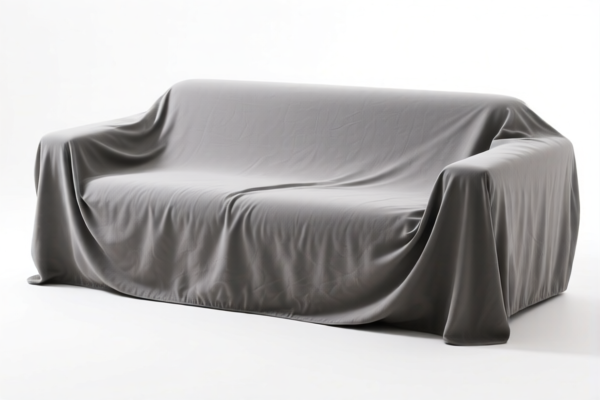
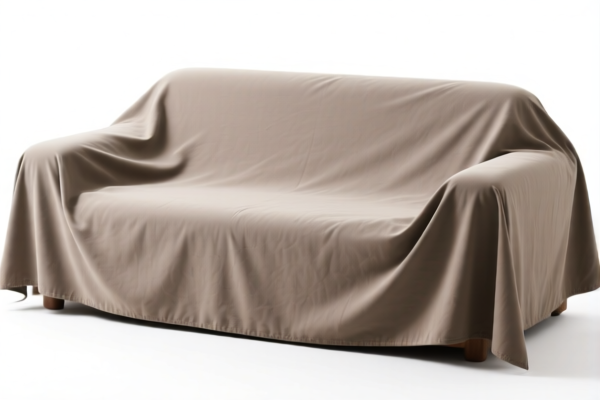
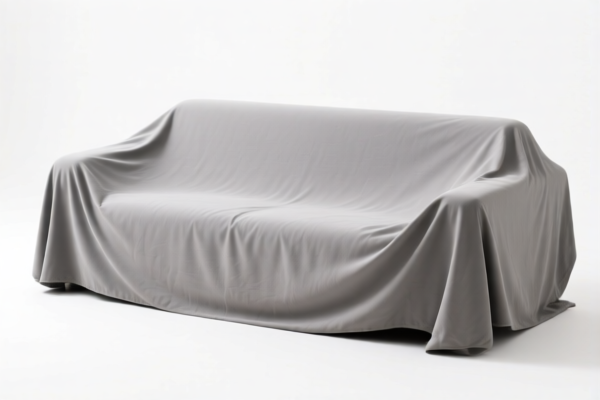
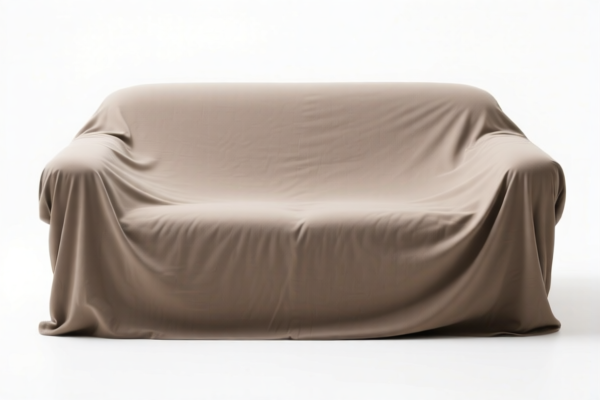
AI Analysis
🛋️ Sofa Covers (Textile Home Furnishings)
🌐 HS Code Reference & Customs Clearance Guide | 2026 Latest Tariff Analysis | Professional Clearance Strategy
📌 I. Product Definition & Classification: Do You Really Know What a "Sofa Cover" Is?
Sofa covers are essential textile products used in home furnishing and furniture maintenance. In international trade, they are categorized based on their function (part of furniture vs. household textile) and material composition (cotton, synthetic fibers, etc.).
There are two main classification paths for sofa covers: 1. As a "Part/Accessory of Furniture": If primarily viewed as a protective component of the seat. 2. As a "Household Textile Article": If primarily viewed as a furnishing made of specific fabrics (cotton or synthetic).
⚠️ Key Distinction Point:
- If classified as a furniture part, it often benefits from lower base tariffs but may still face additional duties depending on origin.
- If classified as a textile furnishing, it is subject to standard textile tariffs (often higher base rates) plus additional duties.
- Material matters: Cotton-based items have different sub-categories compared to synthetic fiber-based items.
📦 II. HS Code Classification Details (2026 Latest Tariff Authority Comparison)
| HS Code | Product Description | Application Scenario | Material/Type Inference |
|---|---|---|---|
9401.99.90.21 |
Parts/Accessories of seats | Sofa cover viewed as a seat component | Textile material inferred (Base: 0%) |
6304.92.00.00 |
Household furnishing articles of cotton | Sofa cover viewed as a textile furnishing | Cotton or non-knitted cotton blend |
6304.93.00.00 |
Household furnishing articles of man-made fibers | Sofa cover viewed as a textile furnishing | Synthetic fiber or fabric material |
9401.99.10.20 |
Furniture parts matching textile form | Sofa cover matching seat use with textile form | No material conflict, textile form |
6304.92.00.00 (Double Sofa) |
Household furnishing for double sofa | Sofa cover for double-seat sofas | Cotton or blended cotton |
🔍 Key Reminder:
-9401codes classify the item as a part of furniture. This is often advantageous for base tariff (0%).
-6304codes classify the item as a textile furnishing. This carries a higher base tariff (6.3%).
- Regardless of the base tariff, additional US tariffs (122 Clause/Section 301) significantly impact the total cost.
💰 III. 2026 Latest Tariff Rate Details (Including Additional Duties & Policy Add-ons)
✅ Applicable Country: United States (US)
✅ Origin: China (CN)
✅ Effective Time: 2025/2026 Current Rates
✅ Key Policy: "122 Clause" (Refers to Section 301/IEEPA Additional Duties on Chinese Goods)
🎯 1. 9401.99.90.21 —— Sofa Cover as Seat Part
| Item | Content |
|---|---|
| Base Tariff | 0.0% |
| Section 301 Additional Tariff | 0.0% |
| 122 Clause / IEEPA Tariff | 10.0% |
| Total Tax Rate | 10.0% |
| Tax Calculation | CIF Value × 10% |
| Legal Basis | 9401.99.90.21 + 122 Clause Policy |
📌 Explanation:
- The base tariff is 0% because it is classified under "Parts of Seats."
- However, a 10% additional tariff applies (often referred to as the "122 Clause" or specific Section 301 item).
- Total Cost Impact: Significantly lower than textile classifications.
🎯 2. 9401.99.10.20 —— Sofa Cover Matching Seat Use
| Item | Content |
|---|---|
| Base Tariff | 0.0% |
| Section 301 Additional Tariff | 7.5% |
| 122 Clause / IEEPA Tariff | 10.0% |
| Total Tax Rate | 17.5% |
| Tax Calculation | CIF Value × 17.5% |
| Legal Basis | 9401.99.10.20 + 7.5% + 10% |
📌 Explanation:
- Similar to above, classified as a furniture part.
- Base tariff is 0%.
- Total Additional Duties: 7.5% + 10% = 17.5%.
- Note: This code may carry a slightly higher additional duty (7.5%) compared to the 0% additional in9401.99.90.21, resulting in a higher total rate.
🎯 3. 6304.92.00.00 / 6304.93.00.00 —— Sofa Cover as Household Furnishing (Textile)
| Item | Content |
|---|---|
| Base Tariff | 6.3% |
| Section 301 Additional Tariff | 7.5% |
| 122 Clause / IEEPA Tariff | 10.0% |
| Total Tax Rate | 23.8% |
| Tax Calculation | CIF Value × 23.8% |
| Legal Basis | 6304.92/93 + 6.3% + 7.5% + 10% |
📌 Explanation:
-6304.92: Cotton or non-knitted furnishing.
-6304.93: Man-made fiber furnishing.
- Base Tariff is 6.3%.
- Total Additional Duties: 7.5% + 10% = 17.5%.
- Total Cost Impact: 23.8% is the highest among the options due to the higher base rate.
🛠️ IV. Customs Clearance Practical Advice (Practical Pitfall Avoidance Guide)
✅ 1. Preparation Checklist (Must-Have Documents)
| Document | Required | Description |
|---|---|---|
| ✅ Product Specification | ✔️ | Material composition (e.g., 100% Cotton, Polyester blend), dimensions, care labels. |
| ✅ Material Composition Statement | ✔️ | Critical for distinguishing between 6304 (Textile) and 9401 (Furniture Part). |
| ✅ Product Photos | ✔️ | Show the cover's shape, whether it fits specific sofa models, and texture. |
| ✅ Commercial Invoice | ✔️ | Clearly state "Sofa Cover" and describe material accurately. Avoid vague terms like "Furniture Accessory" if material is textile. |
| ✅ Packing List | ✔️ | Detail quantity and weight. |
✅ 2. Declaration Strategy (Key Tips)
🔥 "Define Purpose, Declare Material, Choose Code Wisely!"
| Scenario | Recommended Declaration | Risk Warning |
|---|---|---|
| Generic Sofa Cover | Use 9401.99.90.21 if possible for 10% rate |
If declared as textile, rate jumps to 23.8%. |
| High-End/Custom Fit | 9401.99.10.20 (17.5%) |
Ensure it matches the "seat part" definition strictly. |
| Mass-Market Cotton Cover | 6304.92.00.00 (23.8%) |
Common for cotton-rich covers. Be prepared for higher duty. |
| Synthetic/Fabric Cover | 6304.93.00.00 (23.8%) |
Standard for polyester/acrylic blends. |
📌 Note:
- Customs officers may re-classify your goods. If your invoice says "Sofa Cover" but provides no material details, they may default to the textile category (6304), leading to the 23.8% rate.
- Strategy: Provide clear material data to support the furniture part (9401) classification if the product is structurally a seat cover, aiming for the 10-17.5% range.
✅ 3. Special Handling
| Situation | Handling Suggestion |
|---|---|
| Mixed Materials | Declare the predominant material. If >50% cotton, 6304.92 is likely. |
| OEM for Furniture Brands | Provide OEM contract or design specs to prove it's a "furniture part" (9401). |
| Kit of Covers | If sold as a set (e.g., 1 seat + 2 cushions), declare as a complete unit if possible. |
🌍 V. Global Market Comparison (2026 Latest)
| Country/Region | Recommended HS Code | Estimated Tariff (China Origin) | Notes |
|---|---|---|---|
| 🇺🇸 USA | 9401.99.90.21 |
10.0% | Best option if classified as furniture part. |
| 🇺🇸 USA | 6304.92.00.00 |
23.8% | Higher cost if classified as textile. |
| 🇪🇺 EU | 6304.91 |
~3-4% | Generally lower additional tariffs, but VAT applies. |
| 🇨🇳 China | 6304.92 |
6.3% | Domestic or importing into China. |
📌 Conclusion:
- USA Market: The choice between9401(10-17.5%) and6304(23.8%) is critical for profit margins.
- Strategy: Aim for9401.99.90.21if the product is clearly a seat cover, to save 13.8% in duties compared to the textile classification.
📌 VI. Common Errors & Pitfall Guide (Lessons Learned)
❌ Error 1: Declaring "Sofa Cover" without specifying material.
👉 Consequence: Customs may assume it's a textile furnishing (6304) → 23.8% tax.
👉 Fix: Always specify "100% Cotton Sofa Cover" or "Polyester Sofa Cover."
❌ Error 2: Using 9401 for generic throw pillows not fitted to seats.
👉 Consequence: Misclassification. Throw pillows are usually 6304.
👉 Fix: Ensure the product is specifically for "seats" or "sofas" to qualify for 9401.
❌ Error 3: Ignoring the "122 Clause" / IEEPA duties.
👉 Consequence: Unexpected bill at customs.
👉 Fix: Factor in the 10% additional duty for all Chinese-origin goods into your pricing.
✅ Correct Practice:
"Sofa Cover, Seat Part, 100% Cotton, Model XYZ, Designed for Specific Sofa Series"
🎯 VII. Conclusion: Professional Declaration, Cost Saving!
🎯 Remember the Golden Rule:
🔹 "Furniture Part (
9401): 10-17.5% Tax.
Textile Furnishing (6304): 23.8% Tax.
Choose9401if applicable to save 13%+!"
📌 Tip:
If your sofa covers are custom-made to fit specific furniture, provide design drawings or fit guides to support the 9401 classification. This can significantly reduce customs costs.
📣 Action Required:
📞 Consult with a customs broker to confirm if your specific product design qualifies for
9401.99.90.21.
📄 Ensure your commercial invoice clearly states "Parts of Seats" and material details.
🚀 Clear Compliance, Lower Costs, Higher Profits!
✨ Professional Customs Clearance Starts with Accurate Classification!
💼 Every Percentage Point Matters!
Customer Reviews
About HS Code Classification
The Harmonized System (HS) is an internationally standardized nomenclature developed by the World Customs Organization (WCO) to classify traded products. Over 200 countries use the HS system as the basis for customs tariffs, trade statistics, and import/export regulations.
Each HS code follows a hierarchical structure:
- Chapter (2 digits) — Broad category of goods (e.g., Chapter 84: Machinery and Mechanical Appliances)
- Heading (4 digits) — More specific grouping within the chapter
- Subheading (6 digits) — Internationally standardized breakdown, used by all WCO member countries
- National subdivisions (8-10 digits) — Country-specific extensions for further classification, such as US HTSUS 10-digit codes
Correct HS code classification is essential for smooth customs clearance, accurate duty payment, and compliance with trade regulations. Misclassification can lead to customs delays, overpayment of duties, or penalties.
When importing from CN to US, the applicable tariff rates may include:
- Most-Favored-Nation (MFN) rate — The standard duty rate applied to WTO members
- General rate — Applied to countries without trade agreements
- Trade remedy duties — Additional tariffs such as Section 301 (anti-dumping), Section 232 (national security), or countervailing duties
The information provided on this page is for reference purposes only. For official classification, please consult with your local customs authority or a licensed customs broker.