sofa cushion
CN → US| HS Code | Tariff Rate | Origin | Destination | Doc |
|---|---|---|---|---|
| 6307909885 | 24.5% | CN | US | Official Doc |
| 3926305000 | 22.8% | CN | US | Official Doc |
| 3926909989 | 22.8% | CN | US | Official Doc |
| 9404902090 | 23.5% | CN | US | Official Doc |
| 6307909891 | 24.5% | CN | US | Official Doc |
Product Images
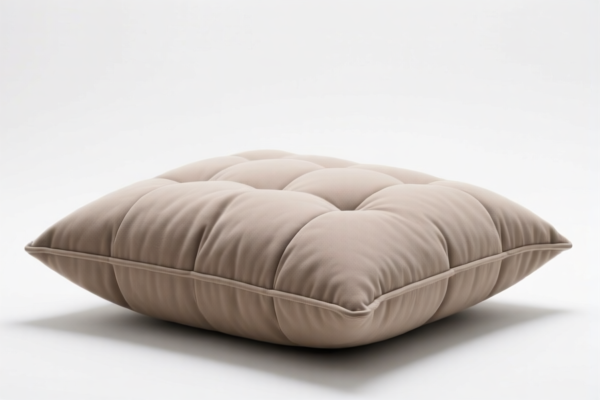
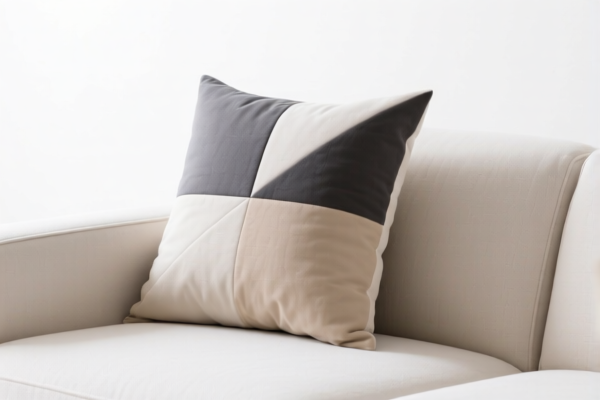


AI Analysis
🛋️ Sofa Cushions: The Ultimate HS Code Classification Guide & US Customs Strategy | 2026 Tax & Compliance Deep Dive
🌐 HS Code Reference & Customs Clearance Guide | 2026 Latest Tariff Rates | Professional Compliance Strategy
📌 I. Product Definition & Classification: What Exactly is a "Sofa Cushion"?
Sofa cushions are essential components of furniture, designed for seating comfort. In international trade, they are not a single uniform category. Their classification depends heavily on Material Composition and Specific Form.
1. Textile/Soft Furnishings (The Majority Case):
Cushions made of cotton, polyester, silk, or other fabrics, filled with down, foam, or fiber. These fall under Chapter 63 (Other made-up textile articles).
2. Plastic/Rubber Articles:
Cushions or pads made entirely of plastic, foam rubber, or synthetic materials used as furniture parts. These fall under Chapter 39 or Chapter 94.
⚠️ Key Distinction Point:
- If the product is a finished textile item (fabric cover + filling) → Chapter 63.
- If the product is a molded plastic part or foam rubber component for furniture → Chapter 39 or Chapter 94.
- Note: Many importers mistakenly classify textile cushions under Chapter 94 (Furniture), but Chapter 63 is often more accurate for textile-based soft furnishings.
📦 II. HS Code Classification Matrix (2026 Latest Tariff Authority)
| HS Code | Product Description | Material Logic | Tax Burden (China Origin to US) |
|---|---|---|---|
| 6307.90.98.85 | Other made-up textile articles; other articles including dress or pattern patterns. | Textile fabric + Filling (Foam/Down). Fits "Other made-up articles" (兜底类目). No material conflict. | 24.5% |
| 6307.90.98.91 | Other made-up textile articles; other articles. | Finished consumer goods (textile). Not a specific excluded item (like flags/towels). | 24.5% |
| 3926.30.50.00 | Other articles of plastics. | Plastic or plastic-based furniture accessories/connectors. | 22.8% |
| 3926.90.99.89 | Other articles of plastics and articles of other materials. | Plastic/Foam/Synthetic extension. Fits "Other" under plastic articles. | 22.8% |
| 9404.90.20.90 | Mattress supports; articles of bedding and similar furnishing (e.g., pillows, cushions). | Filled/Plush items. Specifically matches "Pillows, cushions and similar furnishing". | 23.5% |
🔍 Critical Analysis:
- Chapter 63 (Textile): Best for fabric-covered cushions. Code6307.90.98.85and91are "catch-all" categories for textile accessories.
- Chapter 94 (Furniture Parts): Code9404.90.20.90is specifically for furnishing articles like pillows and cushions. This is often the most precise code if the cushion is considered a "furnishing" rather than just a "textile article."
- Chapter 39 (Plastics): Only use if the cushion is solid plastic, hard foam, or molded synthetic without textile covers. If it has a fabric cover, do not use these codes.
💰 III. 2026 Tariff Rate Breakdown (Detailed Tax Clauses)
✅ Target Market: United States (US)
✅ Origin: China (CN)
✅ Effective Date: Rates apply to imports since Nov 10, 2025 (including subsequent entries).
🎯 1. 6307.90.98.85 & 6307.90.98.91 (Textile-Based Cushions)
| Component | Rate | Legal Basis / Explanation |
|---|---|---|
| Base Tariff | 7.0% | Standard Most Favored Nation (MFN) rate for "Other made-up textile articles." |
| Section 301 Tariff | 7.5% | Additional duty under US Trade Act Section 301 for specific Chinese goods. |
| IEEPA 122 Clause Tariff | 10.0% | Additional duty under the International Emergency Economic Powers Act (IEEPA), specifically targeting Chinese imports. |
| Total Effective Rate | 24.5% | Sum of all applicable duties. |
| De Minimis Eligibility | ❌ Denied | These goods are not eligible for the $800 de minimis exemption (Section 321). Must enter via formal entry. |
📌 Why 24.5%?
- The 7.0% is the base duty for textile accessories.
- The 7.5% is the standard Section 301 additional tariff.
- The 10.0% is the IEEPA surcharge.
- Total: 24.5%. This is a high-cost classification. Profit margins must be calculated accordingly.
🎯 2. 9404.90.20.90 (Furnishing/Bedding Cushions)
| Component | Rate | Legal Basis / Explanation |
|---|---|---|
| Base Tariff | 6.0% | Standard rate for "Other articles of bedding and similar furnishing." |
| Section 301 Tariff | 7.5% | Additional duty under US Trade Act Section 301. |
| IEEPA 122 Clause Tariff | 10.0% | Additional duty under IEEPA for Chinese imports. |
| Total Effective Rate | 23.5% | Sum of all applicable duties. |
| De Minimis Eligibility | ❌ Denied | Formal entry required. |
📌 Why 23.5%?
- This code is often 1% cheaper than the textile codes (6307) because the base tariff is lower (6% vs 7%).
- It is classified as a "furnishing article" rather than a general "textile article."
- Recommendation: If your cushion is clearly a "cushion for furniture/bedding," this code is often preferred for cost savings.
🎯 3. 3926.30.50.00 & 3926.90.99.89 (Plastic/Synthetic Parts)
| Component | Rate | Legal Basis / Explanation |
|---|---|---|
| Base Tariff | 5.3% | Standard rate for "Other articles of plastics." |
| Section 301 Tariff | 7.5% | Additional duty under US Trade Act Section 301. |
| IEEPA 122 Clause Tariff | 10.0% | Additional duty under IEEPA. |
| Total Effective Rate | 22.8% | Sum of all applicable duties. |
| De Minimis Eligibility | ❌ Denied | Formal entry required. |
📌 Why 22.8%?
- This is the lowest tax rate among the options, but it only applies if the product is truly plastic/synthetic.
- If you classify a fabric cushion under this code, Customs will reclassify it and penalize you.
- Use this only for hard plastic pads, molded foam inserts without fabric covers, or pure plastic furniture parts.
🛠️ IV. Customs Clearance Practical Advice (Avoiding Pitfalls)
✅ 1. Documentation Checklist (Mandatory)
| Document | Required? | Purpose |
|---|---|---|
| Product Specification Sheet | ✔️ | Must detail: Material (e.g., 100% Polyester, Polyurethane Foam), Dimensions, Fill Weight. |
| Product Photos | ✔️ | Clear images of front, back, and label showing material content. |
| Commercial Invoice | ✔️ | Must clearly state "Sofa Cushion" and not just "Cushion" or "Textile Item." |
| Packing List | ✔️ | Must match invoice exactly. |
| Country of Origin Certificate | ✔️ | If claiming any potential exemptions (rare for China origin). |
| HS Code Justification | ✔️ | Brief explanation of why the code was chosen (e.g., "Textile cushion filled with foam, used for sofa seating"). |
✅ 2. Classification Strategy: Which Code to Choose?
| Scenario | Recommended HS Code | Reason |
|---|---|---|
| Fabric-covered cushion (Standard Sofa Cushion) | 9404.90.20.90 |
Best fit for "Furnishing articles." Lowest base rate (6%). |
Fabric-covered cushion (If 9404 is rejected) |
6307.90.98.85 |
Safe "textile accessory" fallback. |
| Pure Foam/Plastic insert (No fabric) | 3926.90.99.89 |
Correct for plastic/synthetic materials. Lowest total rate (22.8%). |
| Mixed Material (Fabric + Foam + Plastic backing) | 9404.90.20.90 |
Principal character is "furnishing," not plastic part. |
🔥 Pro Tip:
"Material is King, Form is Queen."
- If it looks like a pillow/cushion →9404.
- If it looks like a generic textile item →6307.
- If it looks like a hard plastic block →3926.
✅ 3. Common Customs Errors & Penalties
❌ Error 1: Declaring a fabric cushion as 3926.90.99.89 (Plastic).
👉 Consequence: Customs will reclassify to 9404 or 6307, issue a penalty, and delay shipment.
👉 Cost Impact: Potential duty increase + storage fees.
❌ Error 2: Declaring as 6307.90.98.91 without specifying "Cushion."
👉 Consequence: Vague description leads to examination. Customs may ask for more info, delaying clearance by 3-5 days.
👉 Solution: Always use specific terms: "Sofa Cushion, Textile, Filled."
❌ Error 3: Ignoring the IEEPA 10% Tariff.
👉 Consequence: Underpayment of duties. CBP will demand back payment + interest + 20% penalty.
👉 Solution: Always calculate Base + 301 + IEEPA in your cost model.
🌍 V. Global Market Comparison (2026)
| Market | Recommended HS Code | Estimated Total Duty (China Origin) | Notes |
|---|---|---|---|
| 🇺🇸 USA | 9404.90.20.90 |
23.5% | High due to IEEPA + Section 301. |
| 🇨🇳 China | 6307.90.98.91 |
10-15% | Domestic export rates vary. No IEEPA. |
| 🇪🇺 EU | 9404.90.90 |
0-4% | Generally low duty. No Section 301. |
| 🇬🇧 UK | 9404.90.90 |
0-4% | Post-Brexit rates similar to EU. |
| 🇨🇦 Canada | 9404.90.90 |
0% | Free trade under CUSMA. |
📌 Key Insight:
The US market is the most expensive due to the 24.5% effective duty rate.
- Europe/Asia/Canada are significantly cheaper.
- Strategy: If selling globally, consider non-US manufacturing (e.g., Vietnam, Bangladesh) to avoid IEEPA/Section 301 tariffs.
📌 VI. Summary & Action Plan
🎯 Final Recommendation for US Importers:
- Best Code:
9404.90.20.90(23.5% Total Duty)- Why? It specifically targets "cushions" as furnishing articles. Lower base rate than textile codes.
- Alternative Code:
6307.90.98.85(24.5% Total Duty)- Why? Safer if the item is ambiguous, but costs 1% more.
- Avoid:
3926.90.99.89(22.8%) unless the item is 100% plastic/synthetic.
✅ Clearance Checklist:
- [ ] Confirm Material: Is it textile or plastic?
- [ ] Select HS Code:
9404.90.20.90(Textile Cushion) or3926.90.99.89(Plastic Part). - [ ] Calculate Duty: Include Base + 7.5% (301) + 10% (IEEPA).
- [ ] Prepare Docs: Invoice, Packing List, Photo of Label.
- [ ] File Entry: Use Formal Entry (De Minimis does NOT apply).
🚀 Conclusion: Maximize Profit, Minimize Risk
🔹 "HS Code determines your cost. A 1% difference is $1,000 on a $100,000 shipment!"
🔹 "Don't guess. Classify correctly. Avoid penalties. Sleep well."
📌 Immediate Action:
1. Verify Material: Check your supplier’s specs.
2. Choose 9404.90.20.90 for standard fabric cushions.
3. Budget for 23.5% Duty in your pricing model.
4. Consult a Customs Broker for pre-classification ruling if unsure.
✨ Professional Clearance Starts with Precise Classification!
💼 Every cent saved is profit gained.
Customer Reviews
About HS Code Classification
The Harmonized System (HS) is an internationally standardized nomenclature developed by the World Customs Organization (WCO) to classify traded products. Over 200 countries use the HS system as the basis for customs tariffs, trade statistics, and import/export regulations.
Each HS code follows a hierarchical structure:
- Chapter (2 digits) — Broad category of goods (e.g., Chapter 84: Machinery and Mechanical Appliances)
- Heading (4 digits) — More specific grouping within the chapter
- Subheading (6 digits) — Internationally standardized breakdown, used by all WCO member countries
- National subdivisions (8-10 digits) — Country-specific extensions for further classification, such as US HTSUS 10-digit codes
Correct HS code classification is essential for smooth customs clearance, accurate duty payment, and compliance with trade regulations. Misclassification can lead to customs delays, overpayment of duties, or penalties.
When importing from CN to US, the applicable tariff rates may include:
- Most-Favored-Nation (MFN) rate — The standard duty rate applied to WTO members
- General rate — Applied to countries without trade agreements
- Trade remedy duties — Additional tariffs such as Section 301 (anti-dumping), Section 232 (national security), or countervailing duties
The information provided on this page is for reference purposes only. For official classification, please consult with your local customs authority or a licensed customs broker.