sofa tray
CN → US| HS Code | Tariff Rate | Origin | Destination | Doc |
|---|---|---|---|---|
| 4420110090 | 13.2% | CN | US | Official Doc |
| 3926305000 | 22.8% | CN | US | Official Doc |
| 4420908000 | 38.2% | CN | US | Official Doc |
| 3926909989 | 22.8% | CN | US | Official Doc |
| 4420110090 | 13.2% | CN | US | Official Doc |
Product Images
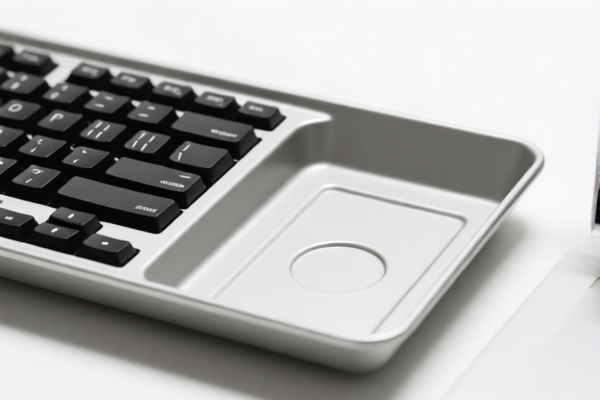
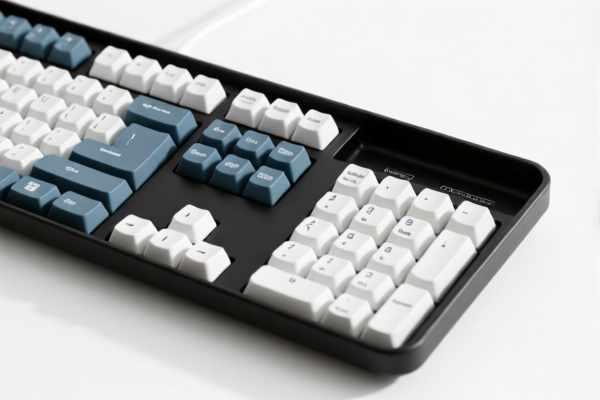
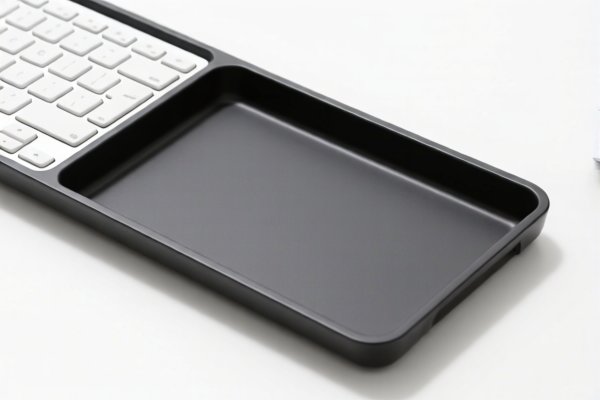
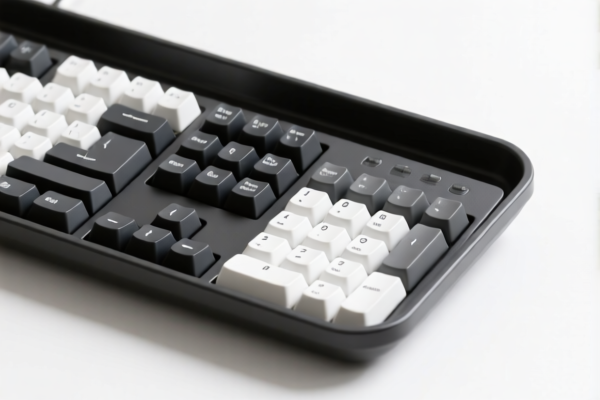
AI Analysis
🛋️ Sofa Tray (Lap Desk / Bed Tray Table)
🌐 HS Code Reference & Customs Clearance Guide | 2026 Latest Tariff Analysis | Professional Clearance Strategy
📌 I. Product Definition & Classification: What Exactly is a "Sofa Tray"?
A "Sofa Tray" (also known as a Lap Desk, Bed Tray Table, or Overbed Table) is a versatile piece of furniture accessory designed to provide a stable surface while seated on a sofa or lying in bed. In international trade, its classification depends heavily on material, function, and construction.
It is generally categorized into two main types:
1. Wooden/Bamboo Trays: Made primarily from wood, bamboo, or similar natural materials. These are often considered "household furniture" or "wooden articles." * Key Feature: Natural material dominance.
2. Plastic/Composite Trays: Made from plastic, resin, or composite materials. These may be simple flat trays or include attached storage compartments. * Key Feature: Synthetic material dominance.
⚠️ Critical Distinction Point:
- If the tray is wooden/bamboo and used for general household purposes →归入 4420 (Wooden Articles of Furniture/Ornamental).
- If the tray is plastic/resin and is a standalone article →归入 3926 (Plastic Articles).
- Do NOT classify under "Furniture" (Chapter 94) unless it has legs or a permanent structural frame attached; simple trays are usually Chapter 44 or 39.
📦 II. HS Code Classification Details (2026 Latest Tariff Authority Match)
Based on the provided data <DATA>, here are the precise HS Codes for Sofa Trays, categorized by material and specific configuration.
| HS Code | Product Description (Summary) | Applicable Scenario | Material/Type | Total Tax Rate |
|---|---|---|---|---|
4420.11.00.90 |
Wooden/Bamboo Tray, Complying with Other Bamboo/Tableware & Kitchen Utensils | Standard wooden/bamboo lap trays for sofas/beds | 🪵 Wood/Bamboo | 13.2% |
4420.11.00.90 |
Wooden/Bamboo Tray Based on Tray Accessory Attributes | Wooden trays classified specifically as accessory items | 🪵 Wood/Bamboo | 13.2% |
3926.30.50.00 |
Plastic or Composite Furniture Connectors/Accessories | Plastic tray frames or attached plastic components for furniture | 🧱 Plastic/Composite | 22.8% |
3926.90.99.89 |
Plastic or Resin Other Articles | General plastic/resin trays without specific furniture connector classification | 🧱 Plastic/Resin | 22.8% |
4420.90.80.00 |
Decorative Articles of Wood or Similar Material | High-end, ornate wooden trays with decorative carving/patterns | 🪵 Wood (Decorative) | 38.2% |
🔍 Key Insight:
- Wooden Trays: Most standard sofa trays fall under4420.11.00.90with a lower tax rate of 13.2%.
- Plastic Trays: Fall under3926with a higher base rate, totaling 22.8%.
- Decorative Wooden Trays: If the tray is primarily for decoration rather than utility, it may be classified under4420.90.80.00, triggering a much higher tax of 38.2%. Avoid this classification for functional trays!
💰 III. 2026 Latest Tariff Rate Breakdown (Including Surtaxes & Policy Add-ons)
✅ Applicable Country: United States (US)
✅ Country of Origin: China (CN)
✅ Effective Time: From November 10, 2025 (and subsequent imports)
🎯 1. 4420.11.00.90 —— Wooden/Bamboo Sofa Tray (Utility)
| Item | Content |
|---|---|
| Base Tariff | 3.2% |
| Surtax (301) | 0.0% |
| Section 301 (Item 122) | +10.0% |
| Total Effective Tax Rate | 13.2% |
| Tax Calculation | CIF Value × 13.2% |
| De Minimis Eligibility | ❌ No (Deny De Minimis for US Customs) |
| Legal Basis Path | Base: 3.2% → Surtax: 0.0% → Sec 301 (Item 122): 10% |
📌 Explanation:
- Base Tax (3.2%): Standard Most Favored Nation (MFN) rate for wooden articles.
- Surtax (0.0%): Unlike some electronics, basic wooden trays may not fall under the highest 301 surtax bracket (which is often 25%).
- Section 301 (10%): A specific additional tariff applied to Chinese wood products (Item 122 list).
- Total: 13.2% is moderate and manageable for cost planning.
🎯 2. 3926.30.50.00 & 3926.90.99.89 —— Plastic/Composite Sofa Tray
| Item | Content |
|---|---|
| Base Tariff | 5.3% |
| Surtax (301) | 7.5% |
| Section 301 (Item 122) | +10.0% |
| Total Effective Tax Rate | 22.8% |
| Tax Calculation | CIF Value × 22.8% |
| De Minimis Eligibility | ❌ No |
| Legal Basis Path | Base: 5.3% → Surtax: 7.5% → Sec 301 (Item 122): 10% |
📌 Explanation:
- Base Tax (5.3%): Standard rate for plastic articles.
- Surtax (7.5%): Plastic items often attract a mid-tier 301 surtax.
- Section 301 (10%): Additional tariff for Chinese plastic goods.
- Total: 22.8% is significantly higher than wooden trays. Material choice impacts cost heavily!
🎯 3. 4420.90.80.00 —— Decorative Wooden Tray (Risk Category)
| Item | Content |
|---|---|
| Base Tariff | 3.2% |
| Surtax (301) | 25.0% |
| Section 301 (Item 122) | +10.0% |
| Total Effective Tax Rate | 38.2% |
| Tax Calculation | CIF Value × 38.2% |
| De Minimis Eligibility | ❌ No |
| Legal Basis Path | Base: 3.2% → Surtax: 25.0% → Sec 301 (Item 122): 10% |
📌 Explanation:
- Why is it so high? This HS Code is for "other wooden articles" often used as decoration. The 25% surtax indicates these items are on the highest tariff list (likely due to competition concerns or broader category classification).
- Warning: Do NOT classify a functional sofa tray here unless it is purely ornamental. Misclassification leads to massive back-taxes and penalties.
🛠️ IV. Customs Clearance Practical Advice (Field Risk Avoidance Guide)
✅ 1. Essential Documentation Checklist (No Exceptions)
| Document | Required | Description |
|---|---|---|
| ✅ Product Specification Sheet | ✔️ | Material (Wood/Plastic), Dimensions, Weight, Intended Use (Sofa/Bed). |
| ✅ Material Composition Certificate | ✔️ | Critical for distinguishing between 4420 (Wood) and 3926 (Plastic). |
| ✅ Product Photos (Labeled) | ✔️ | Show the tray in use on a sofa/bed. Highlight handles, legs, or storage compartments. |
| ✅ Commercial Invoice | ✔️ | Clearly state: "Wooden Lap Desk for Sofa" or "Plastic Bed Tray." Avoid vague terms like "Accessory". |
| ✅ Packing List | ✔️ | List quantities, gross/net weight. |
| ✅ Declaration of Non-Decorative Purpose | ✔️ | If claiming 4420.11.00.90 (13.2%) instead of 4420.90.80.00 (38.2%), prove it is functional. |
✅ 2. Declaration Tips (Key Mantras)
🔥 "Material First, Function Second, Name Precise, Tax Minimized!"
| Scenario | Correct Declaration | Wrong Practice |
|---|---|---|
| Wooden Tray with Handle | 4420.11.00.90 "Wooden Lap Desk for Sofa" |
Declare as "Kitchen Utensil" → May be rejected if not for food. |
| Plastic Tray with Compartments | 3926.90.99.89 "Plastic Office/Bed Tray" |
Declare as "Furniture Accessory" 3926.30.50.00 only if it's a connector. |
| Ornate Carved Wooden Tray | 4420.90.80.00 "Decorative Wooden Platter" |
Try to declare as utility tray → Risk of audit & penalty. |
| Mixed Material (Wood Top, Plastic Base) | Declare based on Essential Character | Split components → Complex valuation & higher tax risk. |
💡 Essential Character Rule: If a tray has both wood and plastic parts, classify based on the material that gives it its essential function/appearance. Usually, the top surface material determines the classification.
✅ 3. Special Cases Handling
| Scenario | Handling Advice |
|---|---|
| OEM Custom Trays | Provide design files showing dimensions and material. Ensure the design is clearly for "sofa/bed use." |
| Trays with Attached Storage | If storage is integral (e.g., a cup holder molded into plastic), declare as the tray itself (3926). Do not separate "cup holder" as a different HS Code. |
| Foldable Wooden Trays | Still classified under 4420. Foldability does not change the material-based HS Code. |
| Gift Sets (Tray + Items) | If sold as a set (e.g., Tray + Remote Holder), the Essential Character of the set determines the HS Code. Usually, the tray dominates. |
🌍 V. Global Market Customs Comparison (2026 Latest)
| Country/Region | Recommended HS Code | Estimated Duty | Certification Requirements | Notes |
|---|---|---|---|---|
| 🇺🇸 USA | 4420.11.00.90 (Wood)3926.90.99.89 (Plastic) |
13.2% (Wood) 22.8% (Plastic) |
No special certs for basic trays. | High scrutiny on origin. Misclassification risks 301 penalties. |
| 🇨🇳 China | 4420.11.00 (Wood)3926.90.99 (Plastic) |
5-10% (Import Duty) | None for domestic sale. | Lower tax burden for importers. |
| 🇪🇺 EU | 4420.90 (Wood)3926.90 (Plastic) |
3-4.5% (Wood) 4.5% (Plastic) |
CE (if electronic components), FSC (Wood). | No US-style Section 301 taxes. |
| 🇬🇧 UK | 4420.90 (Wood)3926.90 (Plastic) |
3-4.5% | Similar to EU post-Brexit. | Check for UKCA marking if applicable. |
📌 Conclusion:
- The USA is the most challenging market due to Section 301 (122 Clause) and Surtaxes.
- Material choice is critical: Wooden trays (13.2%) are 9.6% cheaper in total tax than plastic trays (22.8%).
- Decorative classification (38.2%) is a costly trap for functional items.
📌 VI. Common Errors & Pitfall Guide (Lessons Learned)
❌ Error 1: Classifying a functional wooden sofa tray as "Decorative Article" (4420.90.80.00).
👉 Consequence: Tax jumps from 13.2% to 38.2% → Huge cost increase!
❌ Error 2: Declaring plastic trays as "Furniture Connectors" (3926.30.50.00) when they are standalone products.
👉 Consequence: Customs may reject the classification, leading to delays and re-classification to 3926.90.99.89 (22.8%) with potential fines.
❌ Error 3: Vague description: "Wooden Accessory."
👉 Consequence: Customs cannot determine the specific HS Code → Hold at port for inspection.
❌ Error 4: Ignoring Section 301 Item 122.
👉 Consequence: Missing the 10% surtax in budget planning → Profit margin erosion.
✅ Correct Declaration Example:
"Wooden Lap Desk for Sofa, Model XYZ, Dimensions 24x16 inches, Made of Pine Wood, Non-Decorative, for Household Use"
🎯 VII. Conclusion: Smart Classification, Profit Protection!
🎯 Remember the Mantra:
🔹 "Wood is Best (13.2%), Plastic is Mid (22.8%), Decorative is Pain (38.2%)."
🔹 "Material Matters, Function Defines, Name Describes, Tax Follows."
📌 Pro Tip:
If you are importing wooden trays from China, ensure the supplier provides a FSC Certificate if your US buyer is eco-conscious, though not required for customs duty.
For plastic trays, consider sourcing from Vietnam or Mexico if possible, to potentially avoid Section 301 (122 Clause) and reduce total tax burden significantly.
📣 Immediate Action:
📞 Consult a licensed customs broker for Advance Ruling if your product has mixed materials.
📝 Ensure your commercial invoice explicitly states "Lap Desk for Sofa" and "Wooden/Plastic" to prevent misclassification.
🚀 Optimize your material choice and declaration to save up to 25% in taxes!
✨ Professional Clearance Starts with Precise Classification!
💼 Your Cost is Every Cent; Save It Wisely!
Customer Reviews
About HS Code Classification
The Harmonized System (HS) is an internationally standardized nomenclature developed by the World Customs Organization (WCO) to classify traded products. Over 200 countries use the HS system as the basis for customs tariffs, trade statistics, and import/export regulations.
Each HS code follows a hierarchical structure:
- Chapter (2 digits) — Broad category of goods (e.g., Chapter 84: Machinery and Mechanical Appliances)
- Heading (4 digits) — More specific grouping within the chapter
- Subheading (6 digits) — Internationally standardized breakdown, used by all WCO member countries
- National subdivisions (8-10 digits) — Country-specific extensions for further classification, such as US HTSUS 10-digit codes
Correct HS code classification is essential for smooth customs clearance, accurate duty payment, and compliance with trade regulations. Misclassification can lead to customs delays, overpayment of duties, or penalties.
When importing from CN to US, the applicable tariff rates may include:
- Most-Favored-Nation (MFN) rate — The standard duty rate applied to WTO members
- General rate — Applied to countries without trade agreements
- Trade remedy duties — Additional tariffs such as Section 301 (anti-dumping), Section 232 (national security), or countervailing duties
The information provided on this page is for reference purposes only. For official classification, please consult with your local customs authority or a licensed customs broker.