soft bovine full grain lining leather
CN → US| HS Code | Tariff Rate | Origin | Destination | Doc |
|---|---|---|---|---|
| 4115100000 | 35.0% | CN | US | Official Doc |
| 4113906000 | 36.6% | CN | US | Official Doc |
| 4113903000 | 38.3% | CN | US | Official Doc |
| 4107111040 | 35.0% | CN | US | Official Doc |
| 4107191040 | 35.0% | CN | US | Official Doc |
Product Images
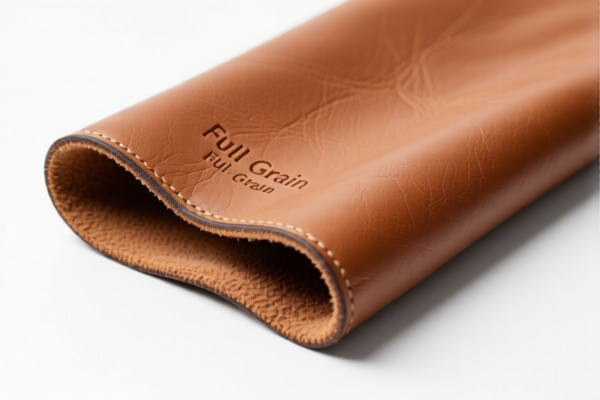
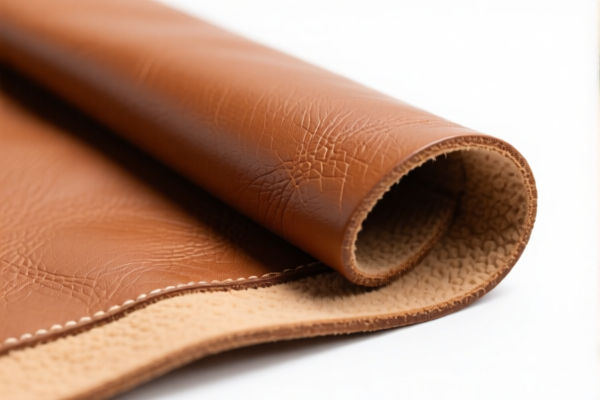
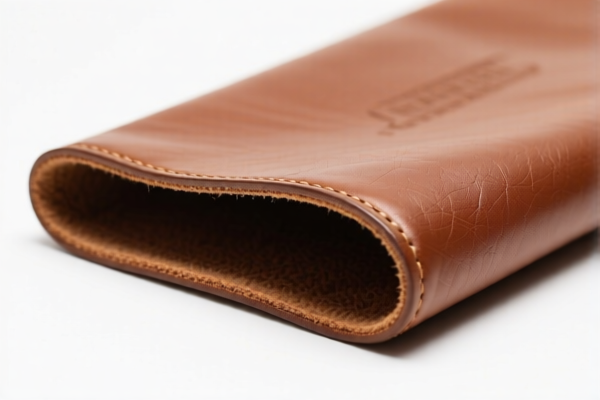
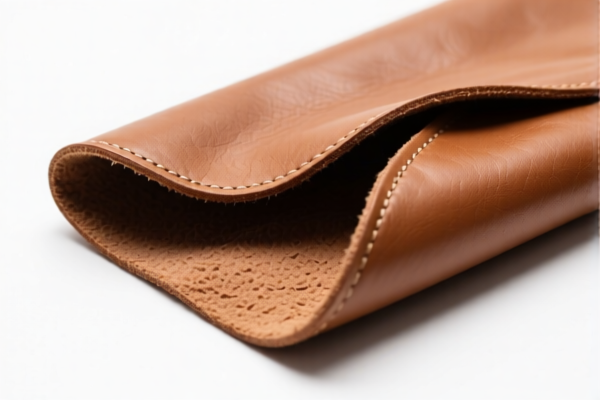
AI Analysis
🐂 Soft Bovine Full Grain Lining Leather: HS Code Classification & Customs Clearance Guide (2026)
🌐 HS Code Reference & Customs Clearance Guide | 2026 Latest Tariff Analysis | Professional-Level Compliance Strategy
📌 I. Product Definition & Classification: What Exactly Is "Soft Bovine Full Grain Lining Leather"?
Soft Bovine Full Grain Lining Leather is a premium tanned leather product made from the inner side of bovine hides. It is characterized by its full-grain nature (preserving the natural grain structure) and its specific application as a lining material for bags, shoes, jackets, and accessories.
In international trade, classification depends heavily on two factors:
1. Processing Level: Is it merely tanned and dressed, or has it undergone further processing (e.g., embossing, coating)?
2. Specific Use/Structure: Is it categorized as a "lining leather" (sub-category of chrome-tanned leather) or as "other tanned leather"?
⚠️ Key Distinction:
- If classified strictly under Chrome-Tanned Bovine Leather for Lining → HS 4107
- If classified under Other Tanned Bovine Leather (due to further processing or non-lining specifics) → HS 4113
- If classified as a Composite Leather Base → HS 4115
📦 II. HS Code Classification Details (2026 Latest Tariff Authority Comparison)
| HS Code | Product Description | Applicable Scenario | Tax Rate (China→US) | Notes |
|---|---|---|---|---|
4115.10.00.00 |
Bovine full-grain lining, classified as composite leather base | Leather used as a substrate for composite materials, sheets/linings | 35.0% | Requires proof of composite structure |
4113.90.60.00 |
Bovine full-grain lining, fancy leather, further processed | Embossed, coated, or decorated leather not intended solely as lining | 36.6% | Higher base tax due to "fancy" status |
4113.90.30.00 |
Bovine full-grain lining, non-fancy, further processed, no wool/hair | Standard tanned leather, further processed but not for lining-specific classification | 38.3% | Highest base tax among non-composite options |
4107.11.10.40 |
Bovine full-grain lining, matches lining leather classification | Pure lining leather, chrome-tanned, bovine, specifically for linings | 35.0% | Most common for pure lining use |
4107.19.10.40 |
Bovine full-grain lining, material/usage fits lining leather | Bovine leather, lining purpose, meets restrictive conditions | 35.0% | Alternative to 4107.11 if structural criteria differ slightly |
🔍 Critical Reminder:
- HS 4107 codes are generally preferred for pure lining leathers with lower base tariffs (0%), but subject to Section 301 tariffs.
- HS 4113 codes apply when leather is further processed (e.g., embossed, coated) or does not meet strict "lining" definitions, resulting in higher base tariffs (1.6%–3.3%).
- HS 4115 is used if the leather serves as a base for composite leather, requiring specific documentation.
💰 III. 2026 Latest Tariff Rate Breakdown (Including Additional Taxes, Policy Add-ons)
✅ Applicable Country: United States (US)
✅ Country of Origin: China (CN)
✅ Effective Date: From November 10, 2025 (including subsequent imports)
🎯 1. 4115.10.00.00 & 4107.11.10.40 & 4107.19.10.40 —— Lining/Composite Leather
| Item | Content |
|---|---|
| Base Duty Rate | 0% (ad valorem) |
| Section 301 Additional Duty | +25% (from USITC Footnote 9903.41.10.00 / 9903.10.00) |
| IEEPA Additional Duty | +10% (Targeting China/HK products, effective Nov 10, 2025) |
| Total Effective Rate | 35.0% |
| Tax Calculation | CIF Value × 35% |
| De Minimis Exemption Eligible? | ❌ No (deny_de_minimis) |
| Legal Path | IEEPA:9903.01.25 → USITC:4107/4115 → FOOTNOTE:301 |
📌 Explanation:
- The 25% Section 301 tariff is imposed under the U.S. Trade Act of 1974, Section 301, targeting Chinese imports.
- The 10% IEEPA tariff is levied under the International Emergency Economic Powers Act, specifically targeting certain Chinese goods.
- Combined Rate: 35%. This is a high tariff, requiring advance cost planning.
🎯 2. 4113.90.60.00 —— Fancy Further-Processed Leather
| Item | Content |
|---|---|
| Base Duty Rate | 1.6% |
| Section 301 Additional Duty | +25% |
| IEEPA Additional Duty | +10% |
| Total Effective Rate | 36.6% |
| Tax Calculation | CIF Value × 36.6% |
| De Minimis Exemption Eligible? | ❌ No |
| Legal Path | IEEPA:9903.01.25 → USITC:4113.90.60 → FOOTNOTE:301 |
📌 Note:
- The base rate is slightly higher (1.6%) due to the "fancy" classification.
- Applies to embossed, coated, or decorated leathers that do not qualify as pure lining leather.
🎯 3. 4113.90.30.00 —— Non-Fancy Further-Processed Leather
| Item | Content |
|---|---|
| Base Duty Rate | 3.3% |
| Section 301 Additional Duty | +25% |
| IEEPA Additional Duty | +10% |
| Total Effective Rate | 38.3% |
| Tax Calculation | CIF Value × 38.3% |
| De Minimis Exemption Eligible? | ❌ No |
| Legal Path | IEEPA:9903.01.25 → USITC:4113.90.30 → FOOTNOTE:301 |
📌 Note:
- Highest total rate (38.3%) due to the highest base duty (3.3%) among the listed options.
- Applies to non-fancy, further-processed leather not meeting lining-specific criteria.
🛠️ IV. Customs Clearance Practical Advice (Avoid Pitfalls Guide)
✅ 1. Required Documentation Checklist (Mandatory)
| Document | Required? | Description |
|---|---|---|
| ✅ Product Specification Sheet | ✔️ | Includes material composition, tanning method (chrome/wet-blue), grain type, finish, dimensions |
| ✅ Photos of Product | ✔️ | Clear images showing surface texture, back side, and any embossing/coating |
| ✅ Commercial Invoice | ✔️ | Must clearly state: "Soft Bovine Full Grain Lining Leather" and HS Code |
| ✅ Packing List | ✔️ | Details quantity, weight, and packaging type |
| ✅ Certificate of Origin (CO) | ✔️ | Proof of Chinese origin (triggers tariffs) |
| ✅ Third-Party Test Report | ✔️ | ISO, REACH, or other quality/safety certifications (if applicable) |
✅ 2. Declaration Tips (Key Mnemonics)
🔥 "Specify Use, Clarify Process, Avoid Ambiguity!"
| Scenario | Correct Declaration | Wrong Practice |
|---|---|---|
| Pure lining leather | HS 4107.11.10.40 or 4107.19.10.40 |
Misdeclare as "garment leather" → Higher base tax |
| Embossed/Decorated leather | HS 4113.90.60.00 |
Declare as "plain lining" → Customs audit/delay |
| Composite leather base | HS 4115.10.00.00 |
Fail to provide composite structure proof → Rejection |
| General tanned leather | HS 4113.90.30.00 |
Ambiguous description → Highest tariff rate |
✅ 3. Special Cases Handling
| Situation | Advice |
|---|---|
| OEM Custom Leather | Provide customer PO + design specs to justify classification |
| Leather with Additional Coating | Declare as "fancy leather" (4113.90.60.00) to avoid misclassification penalties |
| Sample Imports | Even samples are subject to tariffs; declare accurately |
| Leather for Non-US Markets | If transshipped, ensure documentation reflects final destination and origin correctly |
🌍 V. Global Market Comparison (2026 Latest)
| Country/Region | Recommended HS Code | Tariff (China Origin) | Certification | Notes |
|---|---|---|---|---|
| 🇺🇸 USA | 4107.11.10.40 / 4113.90.60.00 |
35%–38.3% | REACH, Prop65 (if applicable) | High additional tariffs apply |
| 🇨🇳 China | 4107.11.10.40 / 4113.90.60.00 |
5%–10% | CCC (if applicable) | No additional tariffs |
| 🇪🇺 EU | 4107.11.10.40 / 4113.90.60.00 |
0%–6.5% | REACH, RoHS | No additional tariffs |
| 🇬🇧 UK | 4107.11.10.40 / 4113.90.60.00 |
0%–6.5% | UKCA | No additional tariffs |
| 🇯🇵 Japan | 4107.11.10.40 / 4113.90.60.00 |
0%–5.5% | JIS | No additional tariffs |
📌 Conclusion:
- The USA imposes significantly higher tariffs (35%–38.3%) compared to other major markets.
- China-origin leather imports to the US face steep costs due to Section 301 and IEEPA tariffs.
- Consider supply chain diversification (e.g., sourcing from Vietnam, Mexico, or Thailand) to mitigate tariff risks.
📌 VI. Common Errors & Pitfalls (Blood Lesson Guide)
❌ Error 1: Declaring "fancy leather" as "plain lining leather"
👉 Consequence: Customs reclassifies to 4113.90.60.00 → Back taxes + penalties!
❌ Error 2: Failing to specify "lining use" in documentation
👉 Consequence: Customs may classify under general leather → Higher base tariff (3.3%) + 35% add-ons = 38.3%
❌ Error 3: Ignoring IEEPA 10% tariff in cost calculation
👉 Consequence: Underestimating landed cost → Profit margin erosion
❌ Error 4: Using vague terms like "leather sheets" without technical details
👉 Consequence: Customs delays for clarification → Demurrage fees + stockouts
✅ Correct Practice:
"Soft Bovine Full Grain Leather, Chrome-Tanned, Lining Purpose, Unembossed, 0.8mm Thickness, Roll Packaging, HS 4107.11.10.40"
🎯 VII. Conclusion: Professional Declaration, Cost Efficiency, Risk Mitigation
🎯 Remember the Mnemonic:
🔹 "Lining Use → 4107 (35%); Fancy Process → 4113 (36.6%–38.3%); Composite → 4115 (35%)"
🔹 "HS Code Determines Fate, Tariff Differs by 3.3%, One Mistake Costs Thousands!"
📌 Pro Tip:
If your leather is sourced from Vietnam, Mexico, Thailand, or Malaysia, you may be eligible for IEEPA Exemptions or lower Section 301 rates.
Recommend pre-advance ruling (Advance Ruling) with U.S. Customs to confirm classification and avoid post-clearance audits.
📣 Immediate Action:
📞 Engage a Professional Broker + Provide Product Specs + Apply for Advance Ruling
🚀 Ensure Smooth Clearance, Efficient Export, and Maximized Profit Margins!
✨ Professional Customs Clearance Starts with Accurate Classification!
💼 Every Cent of Your Cost Deserves Precision!
Customer Reviews
About HS Code Classification
The Harmonized System (HS) is an internationally standardized nomenclature developed by the World Customs Organization (WCO) to classify traded products. Over 200 countries use the HS system as the basis for customs tariffs, trade statistics, and import/export regulations.
Each HS code follows a hierarchical structure:
- Chapter (2 digits) — Broad category of goods (e.g., Chapter 84: Machinery and Mechanical Appliances)
- Heading (4 digits) — More specific grouping within the chapter
- Subheading (6 digits) — Internationally standardized breakdown, used by all WCO member countries
- National subdivisions (8-10 digits) — Country-specific extensions for further classification, such as US HTSUS 10-digit codes
Correct HS code classification is essential for smooth customs clearance, accurate duty payment, and compliance with trade regulations. Misclassification can lead to customs delays, overpayment of duties, or penalties.
When importing from CN to US, the applicable tariff rates may include:
- Most-Favored-Nation (MFN) rate — The standard duty rate applied to WTO members
- General rate — Applied to countries without trade agreements
- Trade remedy duties — Additional tariffs such as Section 301 (anti-dumping), Section 232 (national security), or countervailing duties
The information provided on this page is for reference purposes only. For official classification, please consult with your local customs authority or a licensed customs broker.