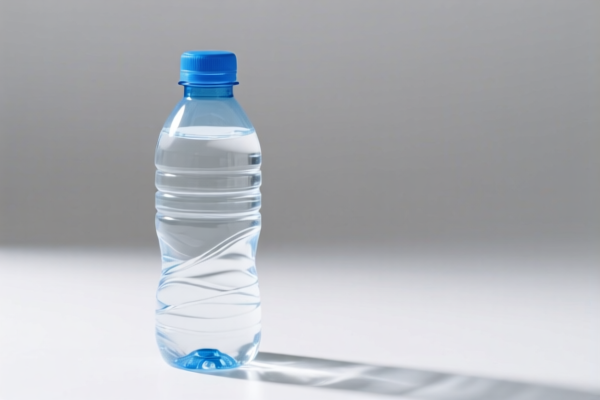
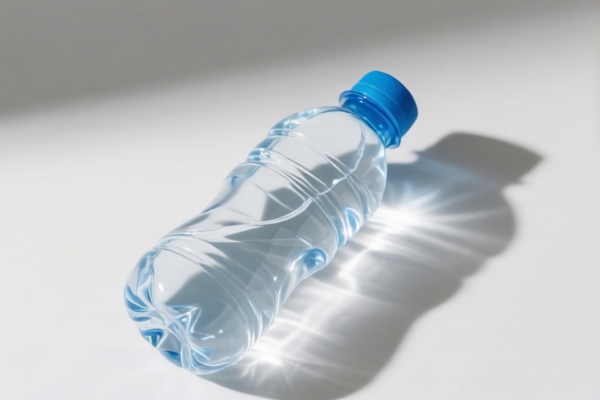
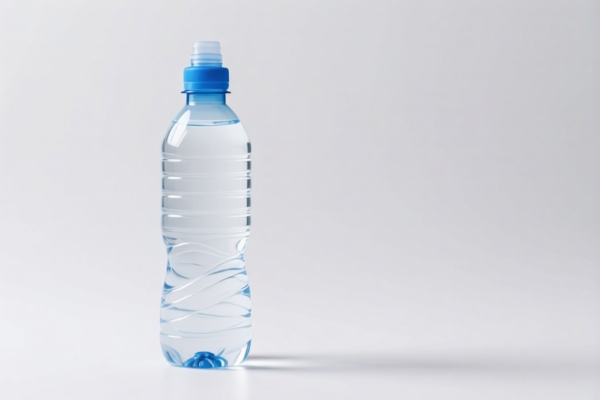
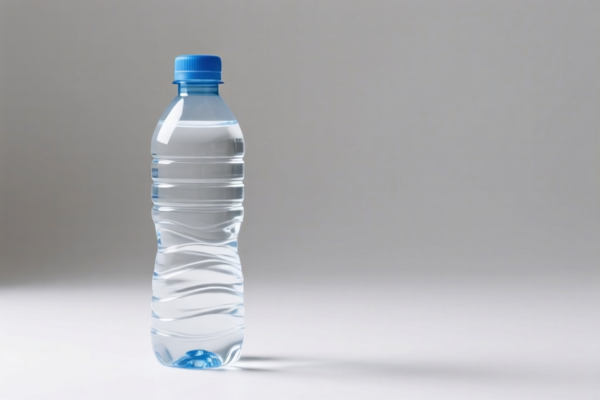
soft water bottle
CN → US| HS Code | Tariff Rate | Origin | Destination | Doc |
|---|---|---|---|---|
| 3924102000 | 24.0% | CN | US | Official Doc |
| 4014901000 | 10.0% | CN | US | Official Doc |
| 3926909989 | 22.8% | CN | US | Official Doc |
| 3926902100 | 21.7% | CN | US | Official Doc |
| 3924104000 | 13.4% | CN | US | Official Doc |
Product Images
AI Analysis
🧴 Soft Water Bottle (Flexible Water Containers)
🌐 HS Code Reference & Clearance Guide | 2026 Latest Tariff Analysis | Professional Clearance Strategy
📌 I. Product Definition & Classification: Do You Really Understand "Soft Water Bottles"?
"Soft Water Bottle" is a broad term in international trade, referring to flexible containers made from materials like silicone, TPU, or plastic. Their classification depends entirely on material composition and specific intended use.
Plastic-Based Containers: Rigid or semi-rigid plastic bottles/cups used for kitchen or household purposes.
Silicone/TPU/Rubber-Based Containers: Flexible, foldable, or collapsible bottles made from soft materials.
⚠️ Key Distinction Point:
- If made of Silicone/TPU/Soft Rubber → It is classified as a rubber/plastic article under Chapter 40 or 39, often with lower base tariffs but subject to specific "122 Clause" tariffs.
- If made of Plastic (Kitchen/Household) → It is classified under Chapter 39 (Plastics), specifically as tableware or household articles, generally attracting higher base tariffs.
- If it falls into a miscellaneous plastic category (not clearly tableware) → It may fall under "Other Plastic Articles," with intermediate tariff rates.
📦 II. HS Code Classification Details (2026 Latest Tariff Authority Comparison)
Based on the provided data, here are the exact HS Codes, their descriptions, and corresponding tax structures for "Soft Water Bottles."
| HS Code | Product Description | Material & Usage | Total Tax | Tax Breakdown (Base + Add-ons) |
|---|---|---|---|---|
3924.10.20.00 |
Plastic Kitchen/Household Water Vessels | Material: Plastic Use: Water containers for kitchen/household |
24.0% | Base: 6.5% Add-on: 7.5% 122 Clause: 10% |
4014.90.10.00 |
Silicone/TPU/Soft Rubber Containers | Material: Silicone, TPU, or Soft Rubber Use: General containers |
10.0% | Base: 0.0% Add-on: 0.0% 122 Clause: 10% |
3926.90.99.89 |
Other Unspecified Plastic Articles | Material: Plastic Use: Not specifically listed elsewhere |
22.8% | Base: 5.3% Add-on: 7.5% 122 Clause: 10% |
3926.90.21.00 |
Plastic Articles like Hot Water Bottles/Enema Bags | Material: Plastic Use: Similar to hot water bottles, enema bags, etc. |
21.7% | Base: 4.2% Add-on: 7.5% 122 Clause: 10% |
3924.10.40.00 |
Plastic Tableware & Other Household Articles | Material: Plastic or Silicone Use: Plastic tableware and other household items |
13.4% | Base: 3.4% Add-on: 0.0% 122 Clause: 10% |
🔍 Key Reminder:
- The "122 Clause" tariff of 10% appears to be a consistent additional tax across all these categories in the provided data.
- Silicone/TPU bottles (4014.90.10.00) offer the lowest total tax (10%) because they have 0% base and 0% add-on tariffs, unlike plastic alternatives which incur 6.5%–5.3% base tariffs and 7.5% add-ons.
- Misclassifying a silicone bottle as a plastic one (3924.10.20.00) could increase your tax burden from 10% to 24%.
💰 III. 2026 Latest Tariff Rate Details (Including Surtaxes & Policy Add-ons)
✅ Applicable Country: USA (US)
✅ Origin: China (CN)
✅ Effective Date: As per provided data (specific date not listed, but includes "122 Clause")
🎯 1. 3924.10.20.00 – Plastic Kitchen/Household Water Vessels
| Item | Content |
|---|---|
| Base Tariff | 6.5% |
| Add-on Tariff (Section 301/Other) | 7.5% |
| 122 Clause Tariff | 10% |
| Total Tax Rate | 24.0% |
| Tax Calculation | CIF Value × 24% |
| De Minimis Eligibility | ❌ Not Eligible (High tariff rates typically exceed de minimis thresholds for clearance advantages) |
| Legal Basis Path | HS:3924.10.20.00 → Base:6.5% + Add-on:7.5% + 122:10% |
📌 Explanation:
- This classification is for plastic water vessels used in kitchens or households.
- The 24% total rate is relatively high due to the combination of base, add-on, and 122 clause tariffs.
- Ensure the product is indeed made of plastic and clearly intended for kitchen/household use.
🎯 2. 4014.90.10.00 – Silicone/TPU/Soft Rubber Containers
| Item | Content |
|---|---|
| Base Tariff | 0.0% |
| Add-on Tariff | 0.0% |
| 122 Clause Tariff | 10% |
| Total Tax Rate | 10.0% |
| Tax Calculation | CIF Value × 10% |
| De Minimis Eligibility | ❌ Not Eligible (Even at 10%, it is subject to standard customs duties) |
| Legal Basis Path | HS:4014.90.10.00 → Base:0.0% + Add-on:0.0% + 122:10% |
📌 Note:
- This is the most cost-effective classification for "soft" bottles if made of silicone, TPU, or soft rubber.
- Zero base and add-on tariffs make this category highly attractive.
- However, the 122 Clause (10%) still applies, so it is not duty-free.
🎯 3. 3926.90.99.89 – Other Unspecified Plastic Articles
| Item | Content |
|---|---|
| Base Tariff | 5.3% |
| Add-on Tariff | 7.5% |
| 122 Clause Tariff | 10% |
| Total Tax Rate | 22.8% |
| Tax Calculation | CIF Value × 22.8% |
| De Minimis Eligibility | ❌ Not Eligible |
| Legal Basis Path | HS:3926.90.99.89 → Base:5.3% + Add-on:7.5% + 122:10% |
📌 Note:
- This is a fallback category for plastic articles not specifically listed elsewhere.
- Use this only if the bottle does not fit neatly into "tableware" (3924.10.40.00) or "kitchen vessels" (3924.10.20.00).
🎯 4. 3926.90.21.00 – Plastic Articles Similar to Hot Water Bottles
| Item | Content |
|---|---|
| Base Tariff | 4.2% |
| Add-on Tariff | 7.5% |
| 122 Clause Tariff | 10% |
| Total Tax Rate | 21.7% |
| Tax Calculation | CIF Value × 21.7% |
| De Minimis Eligibility | ❌ Not Eligible |
| Legal Basis Path | HS:3926.90.21.00 → Base:4.2% + Add-on:7.5% + 122:10% |
📌 Note:
- This category is for plastic articles similar to hot water bottles or enema bags.
- If your "soft water bottle" resembles a hot water bottle in shape/function, this may apply, but 21.7% is still higher than the silicone option.
🎯 5. 3924.10.40.00 – Plastic Tableware & Other Household Articles
| Item | Content |
|---|---|
| Base Tariff | 3.4% |
| Add-on Tariff | 0.0% |
| 122 Clause Tariff | 10% |
| Total Tax Rate | 13.4% |
| Tax Calculation | CIF Value × 13.4% |
| De Minimis Eligibility | ❌ Not Eligible |
| Legal Basis Path | HS:3924.10.40.00 → Base:3.4% + Add-on:0.0% + 122:10% |
📌 Note:
- This category covers plastic or silicone tableware and other household items.
- It has no add-on tariff (0%), which makes it cheaper than3924.10.20.00(24%) but slightly more expensive than pure silicone containers (10%).
- If your bottle is marketed as tableware (e.g., for eating/drinking), this may be a good compromise.
🛠️ IV. Practical Clearance Suggestions (Battle-Tested Pitfall Guide)
✅ 1. Preparation Checklist (Required Documents)
| Document | Must Provide | Description |
|---|---|---|
| ✅ Product Spec Sheet | ✔️ | Material composition (Silicone? TPU? Plastic?), dimensions, capacity |
| ✅ Material Certificate | ✔️ | Proof of material (e.g., FDA, LFGB, BPA-free certificates for food contact) |
| ✅ Product Photos | ✔️ | Clear images of the bottle, including flexibility, labels, and packaging |
| ✅ Commercial Invoice | ✔️ | Must specify material and use (e.g., "Silicone Foldable Water Bottle") |
| ✅ Packing List | ✔️ | Detailed packing info to avoid misclassification |
| ✅ Customs Declaration | ✔️ | Accurate HS Code based on material and use |
✅ 2. Declaration Tips (Key Rules)
🔥 "Material Defines Code, Use Defines Subcategory!"
| Scenario | Correct HS Code | Wrong Practice |
|---|---|---|
| Silicone/TPU Bottle | 4014.90.10.00 |
Declare as plastic → 24% tax instead of 10% |
| Plastic Kitchen Bottle | 3924.10.20.00 |
Declare as "other plastic" → 22.8% (if misclassified) |
| Plastic Tableware Bottle | 3924.10.40.00 |
Declare as "hot water bottle" → 21.7% (if not applicable) |
| Ambiguous Plastic Bottle | 3926.90.99.89 |
Declare as "kitchen vessel" → 24% (if not specific) |
✅ 3. Special Cases Handling
| Scenario | Handling Advice |
|---|---|
| OEM Custom Bottle | Provide design drawings and material specs to prove classification |
| Mixed Material Bottle | Declare based on principal material (e.g., if 90% silicone, declare as silicone) |
| Bottle with Cap/Lid | Declare as one unit; do not separate cap and bottle |
| Food Contact Material | Ensure FDA/LFGB certification is provided to avoid rejection |
| Collapsible/Foldable | Clearly state "foldable" in description to support 4014.90.10.00 if silicone |
🌍 V. Global Market Clearance Comparison (2026 Latest)
| Country/Region | Recommended HS Code | Tariff Rate | Certification Requirements | Notes |
|---|---|---|---|---|
| 🇺🇸 USA | 4014.90.10.00 (Silicone) |
10% | FDA, BPA-free | Highest tax for plastic (24%) |
| 🇨🇳 China | 4014.90.10.00 |
Low/Zero (depending on agreement) | GB Standards | Prefer silicone for export |
| 🇪🇺 EU | 4014.90.10.00 |
0% (if MFN) | CE, Food Contact Regulations | No add-on tariffs in EU |
| 🇦🇺 Australia | 4014.90.10.00 |
5% | RCM, Food Standards | Lower tariffs than USA |
| 🇯🇵 Japan | 4014.90.10.00 |
0% | JIS, Food Safety | No add-on tariffs |
📌 Conclusion:
- USA is the most expensive market for plastic bottles due to high base and add-on tariffs.
- Silicone/TPU bottles (4014.90.10.00) are the most tariff-efficient for USA imports (10% vs 24% for plastic).
- Europe and Asia have lower or no additional tariffs, making any material classification feasible.
📌 VI. Common Errors & Pitfall Guide (Lessons Learned)
❌ Error 1: Declaring a silicone bottle as plastic (3924.10.20.00)
👉 Consequence: Tax jumps from 10% to 24% → Extra 14% cost!
❌ Error 2: Declaring a plastic bottle as silicone (4014.90.10.00)
👉 Consequence: Customs inspection → Delay, fines, or rejection due to material mismatch.
❌ Error 3: Not providing food contact certification
👉 Consequence: Product seized or returned due to safety concerns.
❌ Error 4: Using vague descriptions like "Water Bottle" without material specs
👉 Consequence: Customs cannot determine HS Code → Audit risk.
✅ Correct Practice:
"Silicone Foldable Water Bottle, BPA-Free, FDA Approved, 500ml, Collapsible Design, Model XYZ"
🎯 VII. Conclusion: Precise Declaration Saves Money!
🎯 Remember the Golden Rules:
🔹 "Silicone is King (10%), Plastic is Expensive (24%)!"
🔹 "Material Matters, Use Defines, Declaration Saves!"
🔹 "122 Clause Applies to All, But Base Tax Varies!"
📌 Tips:
- If your bottle is silicone/TPU, always use 4014.90.10.00 to minimize taxes in the USA.
- If it is plastic, choose 3924.10.40.00 (13.4%) if it qualifies as tableware, otherwise 3924.10.20.00 (24%).
- Always provide material certificates and clear product descriptions to avoid customs delays.
📣 Take Action Now:
📞 Consult with a professional customs broker + Provide product photos + Apply for HS Code pre-ruling
🚀 Ensure your soft water bottle clears customs smoothly, efficiently, and cost-effectively!
✨ Professional clearance starts with accurate classification!
💼 Every percentage point in tax is real cost!
Customer Reviews
About HS Code Classification
The Harmonized System (HS) is an internationally standardized nomenclature developed by the World Customs Organization (WCO) to classify traded products. Over 200 countries use the HS system as the basis for customs tariffs, trade statistics, and import/export regulations.
Each HS code follows a hierarchical structure:
- Chapter (2 digits) — Broad category of goods (e.g., Chapter 84: Machinery and Mechanical Appliances)
- Heading (4 digits) — More specific grouping within the chapter
- Subheading (6 digits) — Internationally standardized breakdown, used by all WCO member countries
- National subdivisions (8-10 digits) — Country-specific extensions for further classification, such as US HTSUS 10-digit codes
Correct HS code classification is essential for smooth customs clearance, accurate duty payment, and compliance with trade regulations. Misclassification can lead to customs delays, overpayment of duties, or penalties.
When importing from CN to US, the applicable tariff rates may include:
- Most-Favored-Nation (MFN) rate — The standard duty rate applied to WTO members
- General rate — Applied to countries without trade agreements
- Trade remedy duties — Additional tariffs such as Section 301 (anti-dumping), Section 232 (national security), or countervailing duties
The information provided on this page is for reference purposes only. For official classification, please consult with your local customs authority or a licensed customs broker.