soil ph meter
CN → US| HS Code | Tariff Rate | Origin | Destination | Doc |
|---|---|---|---|---|
| 9025801000 | 36.7% | CN | US | Official Doc |
| 9025805000 | 19.1% | CN | US | Official Doc |
| 9027504015 | 35.0% | CN | US | Official Doc |
| 9027898030 | 35.0% | CN | US | Official Doc |
Product Images
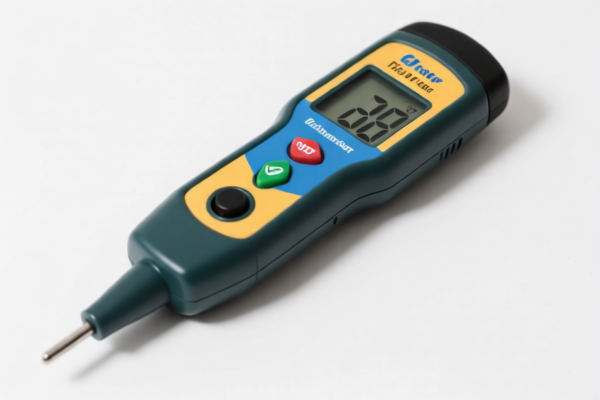
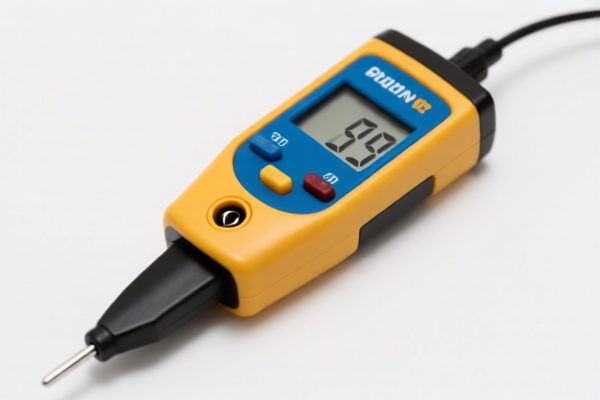
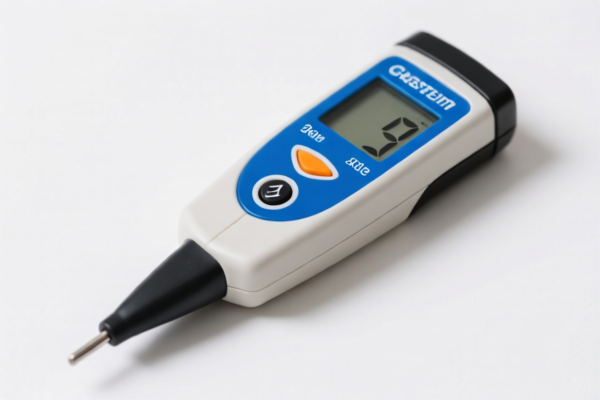
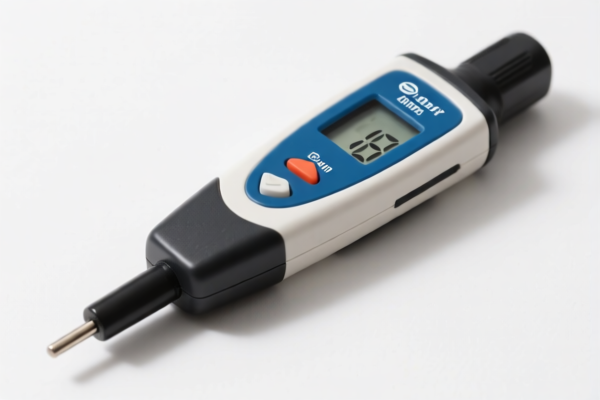
AI Analysis
🌱 Soil pH Meter (Soil Acidity/Alkalinity Testers)
🌐 HS Code Reference & Customs Clearance Guide | 2026 Latest Tariff Analysis | Professional Clearance Strategy
📌 I. Product Definition & Classification: Do You Really Understand “Soil pH Meters”?
Soil pH meters are essential agricultural and gardening tools used to measure the acidity or alkalinity of soil. In international trade, their classification depends heavily on how they work (electronic vs. mechanical) and what they measure (specific chemical property vs. general instrument).
1. Electronic Soil pH Meters:
These devices contain internal circuits, sensors (electrodes), and often digital displays to provide a numerical pH reading. They are considered "electrical instruments" for physical or chemical analysis.
2. Mechanical/Analog Soil Testers:
Some simple testers use a galvanometer (needle) and lack complex electrical processing or digital conversion. These may fall under "other instruments."
⚠️ Key Distinction Point:
- If the device has electronic components, digital display, or requires a battery for signal processing → It is likely an Electrical Instrument.
- If it is purely mechanical/analog without electronic analysis capabilities → It may fall under Other Instruments.
📦 II. HS Code Classification Details (2026 Latest Tariff Authority Comparison)
Based on the provided data, here are the two potential HS Codes for Soil pH Meters:
| HS Code | Product Description | Applicable Scenario | Electrical? |
|---|---|---|---|
9025.80.10.00 |
Hydrometers, thermometers, barometers, hygrometers, psychrometers, and any combination; Electrical instruments | Soil pH meters with electronic/digital displays and sensors | ✅ Yes (Electrical) |
9025.80.50.00 |
Hydrometers, thermometers, barometers, hygrometers, psychrometers, and any combination; Other instruments | Simple analog/mechanical soil testers with needle gauges | ❌ No (Other) |
9027.50.40.15 |
Instruments for physical or chemical analysis (e.g., spectrometers, gas analysis); Electrical Chemical analysis instruments | Advanced soil analysis devices that perform quantitative chemical analysis (beyond just pH) | ✅ Yes (Chemical Analysis) |
9027.89.80.30 |
Instruments for physical or chemical analysis; Other Chemical analysis instruments | Complex laboratory-grade soil analyzers that are not purely pH meters but perform broader chemical tests | ❌ Other (Non-Electrical Chemical Analysis) |
🔍 Important Note:
- Most common consumer and agricultural soil pH meters (digital or analog) are classified under 9025.80 because pH measurement is often grouped with other physical property measurements in this chapter.
- Do not confuse with9027(Chemical Analysis) unless the device performs complex chemical reactions or spectral analysis. A simple pH electrode is typically a physical measurement of hydrogen ion activity, falling under9025.
💰 III. 2026 Latest Tariff Rate Breakdown (Detailed Tax Clauses)
✅ Applicable Country: United States (US)
✅ Origin: China (CN)
✅ Effective Date: As per current trade regulations (2025-2026)
🎯 1. 9025.80.10.00 —— Electrical Soil pH Meters (Digital/Electronic)
| Item | Content |
|---|---|
| Base Duty Rate | 0.0% (Ad valorem) |
| Additional Duty (Section 301) | 0.0% |
| Total Tax Rate | 0.0% |
| Tax Calculation | CIF Value × 0% = $0 |
| De Minimis Eligibility | ✅ Yes (If value < $800, may enter duty-free) |
| Legal Basis | HTSUS 9025.80.10.00 |
📌 Explanation:
- Electrical instruments for measuring physical properties (like pH, when categorized under hygrometers/psychrometers analogs) currently face 0% additional tariff in this specific subheading.
- This is a highly favorable classification for cost-effective export.
🎯 2. 9025.80.50.00 —— Other Soil pH Meters (Analog/Mechanical)
| Item | Content |
|---|---|
| Base Duty Rate | 0.0% (Ad valorem) |
| Additional Duty (Section 301) | 0.0% |
| Total Tax Rate | 0.0% |
| Tax Calculation | CIF Value × 0% = $0 |
| De Minimis Eligibility | ✅ Yes (If value < $800) |
| Legal Basis | HTSUS 9025.80.50.00 |
📌 Explanation:
- Analog or non-electrical soil testers are also classified under 0% total tax.
- Similar to electrical versions, no Section 301 additional duties apply to this specific subheading.
🎯 3. 9027.50.40.15 —— Advanced Electrical Chemical Analysis Instruments
| Item | Content |
|---|---|
| Base Duty Rate | 0.0% |
| Additional Duty (Section 301) | +25.0% |
| Total Tax Rate | 25.0% |
| Tax Calculation | CIF Value × 25% |
| De Minimis Eligibility | ❌ No (Subject to additional duties) |
| Legal Basis | IEEPA:9903.01.25 → USITC:9027.50.40.15 |
📌 Explanation:
- Avoid this classification for standard soil pH meters unless they are sophisticated lab equipment performing multi-component chemical analysis.
- This incurs a 25% penalty tariff, significantly increasing costs.
🎯 4. 9027.89.80.30 —— Other Chemical Analysis Instruments
| Item | Content |
|---|---|
| Base Duty Rate | 0.0% |
| Additional Duty (Section 301) | +25.0% |
| Total Tax Rate | 25.0% |
| Tax Calculation | CIF Value × 25% |
| De Minimis Eligibility | ❌ No |
| Legal Basis | IEEPA:9903.01.25 → USITC:9027.89.80.30 |
📌 Explanation:
- Like the previous category, this 25% additional duty applies to broader chemical analysis devices.
- Standard soil pH meters should NOT be declared under this heading unless they exceed simple pH measurement.
🛠️ IV. Customs Clearance Practical Advice (Expert Pitfall Avoidance Guide)
✅ 1. Document Preparation Checklist (Essential)
| Document | Required | Description |
|---|---|---|
| ✅ Product Specifications | ✔️ | Clearly state: "Soil pH Meter," Model Number, Range (e.g., 3.5-8.5), Power Source (Battery/Cordless) |
| ✅ User Manual | ✔️ | Proof of function: Shows how pH is measured, calibration steps, and sensor type |
| ✅ Photos (Internal & External) | ✔️ | Show if it is digital (with screen) or analog (with needle). Crucial for proving it's a 9025 instrument, not 9027. |
| ✅ Commercial Invoice | ✔️ | Description must NOT include words like "Chemical Analyzer" or "Lab Spectrometer" if it's a simple pH meter. |
| ✅ Packing List | ✔️ | Include batteries (if present) and calibration solutions. Note: Lithium batteries may require additional shipping docs. |
✅ 2. Declaration Tips (Key Mnemonic)
🔥 “Simple pH is 9025, Complex Chem is 9027. Don’t overstate, keep it light!”
| Scenario | Correct Declaration | Wrong Declaration |
|---|---|---|
| Standard Digital Soil pH Meter | 9025.80.10.00 |
9027.50.40.15 → Triggers 25% Tax! |
| Analog Needle Soil Tester | 9025.80.50.00 |
9027.89.80.30 → Triggers 25% Tax! |
| Lab-Grade Multi-Parameter Soil Analyzer | 9027.50.40.15 |
9025.80.10.00 → Under-declares, Risk of Audit |
✅ 3. Special Case Handling
| Scenario | Handling Advice |
|---|---|
| Soil pH Pen with Calibration Solution | Declare as a set. The primary function (pH measurement) determines the HS Code. |
| Batteries Included | If lithium batteries are inside, provide MSDS and UN38.3 test reports for air freight. Sea freight may have fewer restrictions. |
| Kit with Multiple Tools (e.g., pH + Moisture + Light) | If the device is a single unit measuring multiple parameters, classify based on the primary function. If it’s a combined instrument, refer to GRI 3(b). Often, if pH is the main feature, 9025 may still apply. |
| Marketing as “Chemical Tester” | Avoid this term on invoices if it’s a simple pH meter. Use “Physical Property Tester” or “Soil Condition Meter” to align with 9025. |
🌍 V. Global Market Clearance Comparison (2026 Latest)
| Country/Region | Recommended HS Code | Duty Rate (China Origin) | Certification Requirements | Notes |
|---|---|---|---|---|
| 🇺🇸 USA | 9025.80.10.00 / 9025.80.50.00 |
0% | FCC (if wireless/electronic) | Avoid 9027 unless necessary |
| 🇨🇳 China | 9025.80.10.00 |
0-5% | CCC (if applicable) | No additional tariffs |
| 🇪🇺 EU | 9025.80 |
0-4.5% | CE, RoHS | Harmonized Tariff Schedule applies |
| 🇯🇵 Japan | 9025.80 |
0-3.5% | PSE (if electrical) | Low import duties |
| 🇦🇺 Australia | 9025.80 |
0-5% | RCM, SAA | No significant penalties |
📌 Conclusion:
- The USA currently offers a 0% duty for standard soil pH meters under9025.
- Misclassification as9027is the biggest risk, leading to a 25% unexpected cost.
- Accurate description and photos are critical to justify9025.
📌 VI. Common Mistakes & Pitfall Guide (Lessons Learned)
❌ Mistake 1: Labeling the product as “Chemical Analyzer” on the invoice
👉 Consequence: Customs may classify it under 9027 → 25% Additional Duty!
❌ Mistake 2: Claiming a simple needle tester is “Electronic”
👉 Consequence: Mismatch between description and HS Code → Customs Inspection Delay
❌ Mistake 3: Ignoring Battery Regulations
👉 Consequence: Lithium batteries without proper docs → Shipment Rejected or Fined
❌ Mistake 4: Using Generic Terms like “Gadget” or “Tester”
👉 Consequence: Customs cannot determine function → Manual Classification & Potential Errors
✅ Correct Approach:
“Digital Soil pH Meter, Model XYZ, Measures Soil Acidity 3.5-8.5, Battery Powered, FCC Certified, Not for Chemical Analysis”
🎯 VII. Conclusion: Smart Classification, Save Costs, Ensure Smooth Clearance!
🎯 Remember the Golden Rule:
🔹 “Simple pH is 9025 (0%), Complex Chem is 9027 (25%).”
🔹 “Accurate Description is Key, Avoid the 25% Penalty!”
📌 Pro Tip:
If your soil meter has advanced features like Bluetooth connectivity, app integration, or multi-parameter analysis (N, P, K, Moisture, pH), consult a customs broker. While it may still qualify for 9025, the complexity could trigger a review. For standard pH meters, stick to 9025.80.10.00 or 9025.80.50.00 to enjoy 0% tariffs.
📣 Immediate Action:
📞 Verify HS Code with Broker + Provide Clear Product Photos + Use Precise Invoice Description
🚀 Ensure Smooth Clearance, Avoid Surprises, Maximize Profit!
✨ Professional Customs Clearance Starts with Accurate Classification!
💼 Every Dollar Saved on Duties is a Dollar Earned!
Customer Reviews
About HS Code Classification
The Harmonized System (HS) is an internationally standardized nomenclature developed by the World Customs Organization (WCO) to classify traded products. Over 200 countries use the HS system as the basis for customs tariffs, trade statistics, and import/export regulations.
Each HS code follows a hierarchical structure:
- Chapter (2 digits) — Broad category of goods (e.g., Chapter 84: Machinery and Mechanical Appliances)
- Heading (4 digits) — More specific grouping within the chapter
- Subheading (6 digits) — Internationally standardized breakdown, used by all WCO member countries
- National subdivisions (8-10 digits) — Country-specific extensions for further classification, such as US HTSUS 10-digit codes
Correct HS code classification is essential for smooth customs clearance, accurate duty payment, and compliance with trade regulations. Misclassification can lead to customs delays, overpayment of duties, or penalties.
When importing from CN to US, the applicable tariff rates may include:
- Most-Favored-Nation (MFN) rate — The standard duty rate applied to WTO members
- General rate — Applied to countries without trade agreements
- Trade remedy duties — Additional tariffs such as Section 301 (anti-dumping), Section 232 (national security), or countervailing duties
The information provided on this page is for reference purposes only. For official classification, please consult with your local customs authority or a licensed customs broker.