solid state non volatile storage device
CN → US| HS Code | Tariff Rate | Origin | Destination | Doc |
|---|---|---|---|---|
| 8542320071 | 60.0% | CN | US | Official Doc |
| 8542320051 | 60.0% | CN | US | Official Doc |
| 8523510000 | 17.5% | CN | US | Official Doc |
| 8523590000 | 35.0% | CN | US | Official Doc |
| 8471709000 | 35.0% | CN | US | Official Doc |
| 8471706000 | 35.0% | CN | US | Official Doc |
Product Images
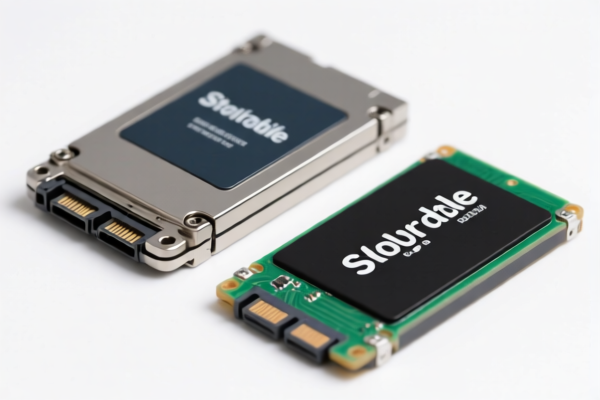
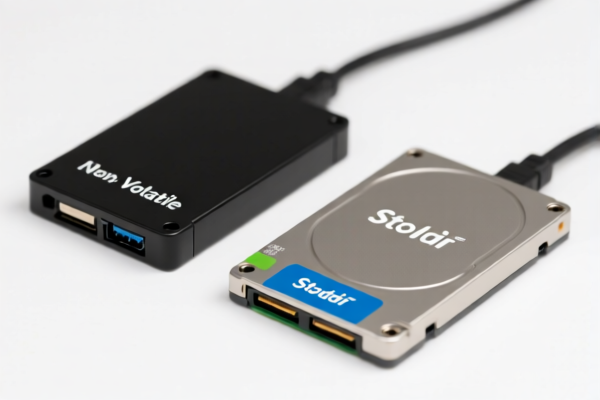


AI Analysis
💾 Solid State Non-Volatile Storage Devices (SSD)
🌐 HS Code Reference & Customs Clearance Guide | 2026 Latest Tariff Analysis | Professional Clearance Strategy
📌 Part 1: Product Definition & Classification: Do You Really Understand "SSDs"?
Solid State Non-Volatile Storage Devices are critical components in modern computing, AI servers, and industrial control systems. In international trade, these devices are classified based on their internal architecture (logic integration) and form factor (module vs. standalone device).
The classification hinges on two key factors: 1. Integrated Circuit vs. Semiconductor: Is the device a complete "Integrated Circuit" (IC) or a discrete semiconductor/memory cell array? 2. Storage Type: Is it classified under "Integrated Circuits" (Chapter 85.42) or "Storage Media/Peripherals" (Chapter 85.23 or 84.71)?
⚠️ Critical Distinction:
- If the storage device is technically an Integrated Circuit (logic + memory on a chip/module) → It falls under 8542.
- If the storage device is considered a discrete storage medium or peripheral → It falls under 8523 or 8471.
📦 Part 2: HS Code Classification Details (2026 Latest Tariff Authority Comparison)
| HS Code | Product Description | Applicability | Material/Architecture Inference |
|---|---|---|---|
8542.32.00.71 |
Solid-state non-volatile storage devices, classified as memory, material inferred as integrated circuit, fits "other" characteristics. | High-end memory modules, complex logic-storage hybrids. | ✅ Integrated Circuit (IC) |
8542.32.00.51 |
Solid-state non-volatile storage devices, non-volatile storage logic consistent with EEPROM, categorized as memory, material inferred as IC. | EEPROM-like logic storage, complex memory arrays. | ✅ Integrated Circuit (IC) |
8523.51.00.00 |
Solid-state non-volatile storage devices, core material and form factor fully consistent with classification explanation. | Standard NAND flash modules, simple memory sticks. | ❌ Discrete Semiconductor/Media |
8523.59.00.00 |
Solid-state non-volatile storage devices, fully consistent with non-volatile solid-state storage devices in classification explanation, material and use meet requirements. | Generic solid-state media not elsewhere specified. | ❌ Discrete Semiconductor/Media |
8471.70.90.00 |
Solid-state non-volatile storage devices, classified as storage equipment, material inferred as electronic semiconductor, no conflict with "other storage devices". | External SSDs, USB drives, peripheral storage units. | ❌ Electronic Semiconductor (Peripheral) |
8471.70.60.00 |
Solid-state non-volatile storage devices, storage purpose is clear, solid-state non-volatile attribute complies with storage medium physical form characteristics. | Specific peripheral storage units for data processing machines. | ❌ Electronic Semiconductor (Peripheral) |
🔍 Key Reminder:
- Integrated Circuit (IC) Classifications (8542): These are treated as components. They are subject to higher additional tariffs due to their complex semiconductor nature.
- Peripheral/Media Classifications (8523/8471): These are treated as finished goods or media. Tariffs vary but are generally lower than the IC category.
💰 Part 3: 2026 Latest Tariff Rate Details (Including Additional Taxes, Policy Surcharges)
✅ Applicable Country: United States (US)
✅ Country of Origin: China (CN)
✅ Effective Time: November 10, 2025 (and subsequent imports)
🎯 1. 8542.32.00.71 —— Solid-State Memory (Integrated Circuit)
| Item | Content |
|---|---|
| Base Tariff | 0% (ad valorem) |
| Section 301 Additional Tariff | +50.0% (High-tier semiconductor tariff) |
| Section 122 Tariff | +10% (Specific trade remedy) |
| Total Tariff Rate | 60.0% |
| Tax Calculation | CIF Value × 60% |
| De Minimis Eligibility | ❌ No (deny_de_minimis) |
| Legal Basis Path | Section 301 → Section 122 → USITC:8542.32.00.71 |
📌 Explanation:
- The 50% Section 301 tariff applies because this is classified as a high-complexity integrated circuit.
- The 10% Section 122 tariff is an additional layer for specific strategic goods.
- Total 60%: This is an extremely high cost barrier. Misclassification here can destroy profit margins.
🎯 2. 8542.32.00.51 —— Solid-State Memory (EEPROM-like Logic)
| Item | Content |
|---|---|
| Base Tariff | 0% |
| Section 301 Additional Tariff | +50.0% |
| Section 122 Tariff | +10% |
| Total Tariff Rate | 60.0% |
| Tax Calculation | CIF Value × 60% |
| De Minimis Eligibility | ❌ No |
| Legal Basis Path | Section 301 → Section 122 → USITC:8542.32.00.51 |
📌 Note:
- Same tariff structure as above.
- Even if the storage logic is "EEPROM-like," the Integrated Circuit classification triggers the high tariff.
🎯 3. 8523.51.00.00 —— Solid-State Storage Media (Discrete)
| Item | Content |
|---|---|
| Base Tariff | 0% |
| Section 301 Additional Tariff | +7.5% |
| Section 122 Tariff | +10% |
| Total Tariff Rate | 17.5% |
| Tax Calculation | CIF Value × 17.5% |
| De Minimis Eligibility | ❌ No |
| Legal Basis Path | Section 301 → Section 122 → USITC:8523.51.00.00 |
📌 Explanation:
- Significant Savings: Compared to the 8542 category, this classification saves 42.5% in tariffs.
- Condition: The device must be classified as "storage media" (discrete memory) rather than an "integrated circuit." This usually applies to simpler NAND modules or flash drives without complex logic processing.
🎯 4. 8523.59.00.00 —— Other Solid-State Storage Media
| Item | Content |
|---|---|
| Base Tariff | 0% |
| Section 301 Additional Tariff | +25.0% |
| Section 122 Tariff | +10% |
| Total Tariff Rate | 35.0% |
| Tax Calculation | CIF Value × 35% |
| De Minimis Eligibility | ❌ No |
| Legal Basis Path | Section 301 → Section 122 → USITC:8523.59.00.00 |
📌 Note:
- A middle-ground option. If the device doesn't fit8523.51exactly, it falls here.
- Still significantly cheaper than the 60% IC rate, but more expensive than8523.51.
🎯 5. 8471.70.90.00 & 8471.70.60.00 —— Storage Units for Data Processing Machines
| Item | Content |
|---|---|
| Base Tariff | 0% |
| Section 301 Additional Tariff | +25.0% |
| Section 122 Tariff | +10% |
| Total Tariff Rate | 35.0% |
| Tax Calculation | CIF Value × 35% |
| De Minimis Eligibility | ❌ No |
| Legal Basis Path | Section 301 → Section 122 → USITC:8471.70.x0.00 |
📌 Explanation:
- These codes apply to peripheral storage devices (e.g., external SSDs, USB drives) connected to data processing machines.
- Condition: The device must be seen as a "unit" for a computer, not just a raw memory component.
- Tariff: 35% total.
🛠️ Part 4: Customs Clearance Practical Advice (Battle-Tested Pitfall Guide)
✅ 1. Documentation Checklist (Absolutely Required)
| Document | Required | Description |
|---|---|---|
| ✅ Product Spec Sheet | ✔️ | Must detail chip architecture (IC vs. Discrete), interface (USB, SATA, PCIe), and logic type. |
| ✅ Circuit Diagram / Block Diagram | ✔️ | Critical to prove if the device contains logic processing circuits (points to 8542) or is pure storage (points to 8523/8471). |
| ✅ Product Photos (Label) | ✔️ | Clear view of model number, brand, and input/output specs. |
| ✅ Third-Party Test Report | ✔️ | FCC, CE, RoHS, UL (if applicable). |
| ✅ Commercial Invoice | ✔️ | Must describe product accurately (e.g., "Solid State Drive" vs. "Memory Module"). |
| ✅ Certificate of Origin | ✔️ | Essential for claiming any potential exemptions (though rare for China-origin SSDs under current tariffs). |
| ✅ Packing List | ✔️ | Show relationship between main unit and accessories. |
✅ 2. Classification Strategy (Key Mantra)
🔥 "Logic Defines IC, Media Defines 8523, Peripheral Defines 8471!"
| Scenario | Correct Classification | Risk if Misclassified |
|---|---|---|
| Complex Memory Module with Logic Controller | 8542.32.00.71 / 8542.32.00.51 |
If wrongly declared as 8523 → 60% vs 17.5% (Back taxes + Penalties) |
| Simple NAND Flash Stick/Module | 8523.51.00.00 |
If wrongly declared as 8542 → Overpay taxes unnecessarily |
| External USB SSD / Drive | 8471.70.90.00 / 8471.70.60.00 |
If wrongly declared as 8542 → 60% vs 35% |
| Generic Solid-State Media | 8523.59.00.00 |
Used if specific 8523.51 doesn't fit exactly |
✅ 3. Special Cases Handling
| Case | Handling Advice |
|---|---|
| OEM/Custom SSDs | Provide client orders + design schematics. Prove if it's a "component" or "finished good." |
| SSDs with USB Interface | Often eligible for 8471.70 (35%) if viewed as a peripheral. Avoid 8542 (60%). |
| Military/Aerospace SSDs | May qualify for special exemptions or different HTS codes. Consult customs broker early. |
| Mixed Shipments | Do not mix 8542 and 8523 items in one line item unless clearly separated. |
🌍 Part 5: Global Market Clearance Comparison (2026 Latest)
| Country/Region | Recommended HS Code | Tariff (China Origin) | Certification Requirements | Notes |
|---|---|---|---|---|
| 🇺🇸 USA | 8542.32.00.71 / 8523.51.00.00 |
60% (IC) / 17.5% (Media) | FCC + RoHS | Highest tariff risk. Classification is critical. |
| 🇨🇳 China | 8523.51.00.00 |
5% - 15% (varies) | CCC + RoHS | Lower tariffs for domestic trade. |
| 🇪🇺 EU | 8523.51.00.00 |
0% - 4.5% (CE Marked) | CE + RoHS | No Section 301/122 equivalents. |
| 🇬🇧 UK | 8523.51.00.00 |
0% - 4.5% | UKCA + RoHS | Post-Brexit standards apply. |
| 🇯🇵 Japan | 8523.51.00.00 |
0% | PSE | Generally low tariffs. |
📌 Conclusion:
- USA is the only major market imposing punitive additional tariffs (301/122) on SSDs.
- Classification strategy in the US is the #1 cost driver. A shift from8542to8523or8471can save 25-42.5% in taxes.
📌 Part 6: Common Errors & Pitfall Guide (Lessons Learned)
❌ Error 1: Declaring a complex logic-enabled memory module as 8523.51 (17.5%)
👉 Consequence: Customs audits reveal it contains integrated circuits → Assessed 60% + Penalties!
❌ Error 2: Declaring an external USB SSD as 8542 (60%)
👉 Consequence: Overpayment. It should be 8471.70 (35%).
❌ Error 3: Vague Description: "Storage Device"
👉 Consequence: Customs cannot determine architecture → Delay or Forced Classification.
❌ Error 4: Ignoring Section 122
👉 Consequence: Missing the 10% Surtax leads to underpayment.
✅ Correct Practice:
"Solid State Drive, USB 3.0, 1TB, External, Model XYZ, FCC Certified" →
8471.70.90.00(35%)
"Memory Module, DDR4, with Control IC, Model ABC" →8542.32.00.71(60%)
🎯 Part 7: Conclusion: Precision in Classification, Profit in Your Pocket!
🎯 Remember the Mantra:
🔹 "IC is 60%, Media is 17.5%, Peripheral is 35%. Choose wisely!"
🔹 "Provide Schematics! Without them, Customs decides, and you lose money."
📌 Pro Tip:
If your SSDs are originating from Vietnam, Malaysia, Thailand, or Mexico, you may apply for IEEPA/Section 301 Exclusions (if applicable and granted), potentially reducing rates to 0-5%.
Recommendation: Apply for an Advance Ruling (Ruling Letter) from US Customs and Border Protection (CBP) before shipment to lock in the correct, lower tariff rate.
📣 Immediate Action:
📞 Contact a professional customs broker + Provide Product Schematics + Apply for HS Code Advance Ruling
🚀 Let your Solid State Storage Devices Clear Smoothly, Efficiently, and Profitably!
✨ Professional Clearance Starts with Accurate Classification!
💼 Every Percentage Point of Tax Saved is Pure Profit!
Customer Reviews
About HS Code Classification
The Harmonized System (HS) is an internationally standardized nomenclature developed by the World Customs Organization (WCO) to classify traded products. Over 200 countries use the HS system as the basis for customs tariffs, trade statistics, and import/export regulations.
Each HS code follows a hierarchical structure:
- Chapter (2 digits) — Broad category of goods (e.g., Chapter 84: Machinery and Mechanical Appliances)
- Heading (4 digits) — More specific grouping within the chapter
- Subheading (6 digits) — Internationally standardized breakdown, used by all WCO member countries
- National subdivisions (8-10 digits) — Country-specific extensions for further classification, such as US HTSUS 10-digit codes
Correct HS code classification is essential for smooth customs clearance, accurate duty payment, and compliance with trade regulations. Misclassification can lead to customs delays, overpayment of duties, or penalties.
When importing from CN to US, the applicable tariff rates may include:
- Most-Favored-Nation (MFN) rate — The standard duty rate applied to WTO members
- General rate — Applied to countries without trade agreements
- Trade remedy duties — Additional tariffs such as Section 301 (anti-dumping), Section 232 (national security), or countervailing duties
The information provided on this page is for reference purposes only. For official classification, please consult with your local customs authority or a licensed customs broker.