spanners
CN → US| HS Code | Tariff Rate | Origin | Destination | Doc |
|---|---|---|---|---|
| 8205593080 | 35.0% | CN | US | Official Doc |
| 8204120000 | 44.0% | CN | US | Official Doc |
| 8204110030 | 44.0% | CN | US | Official Doc |
| 8205595560 | 40.3% | CN | US | Official Doc |
| 8467115040 | 35.0% | CN | US | Official Doc |
| 8467290040 | 17.5% | CN | US | Official Doc |
| 8205598000 | 38.7% | CN | US | Official Doc |
Product Images
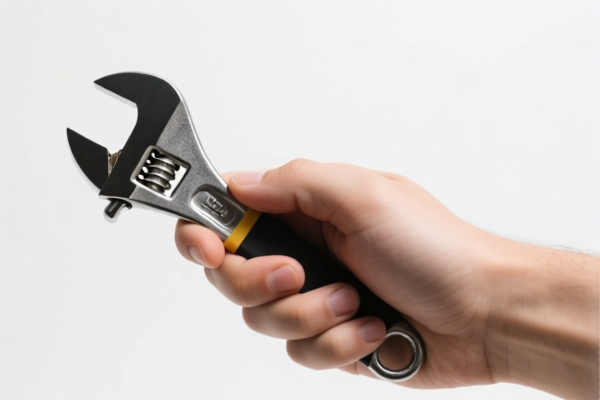
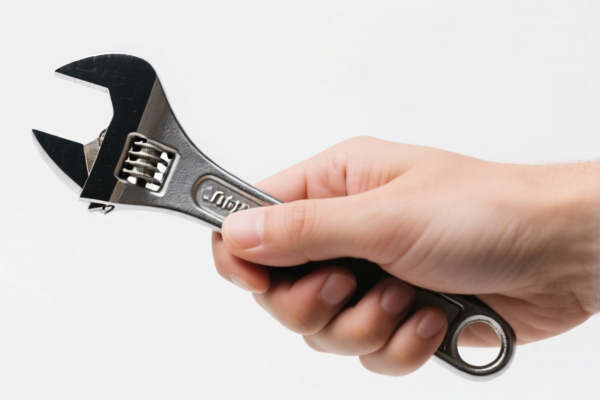
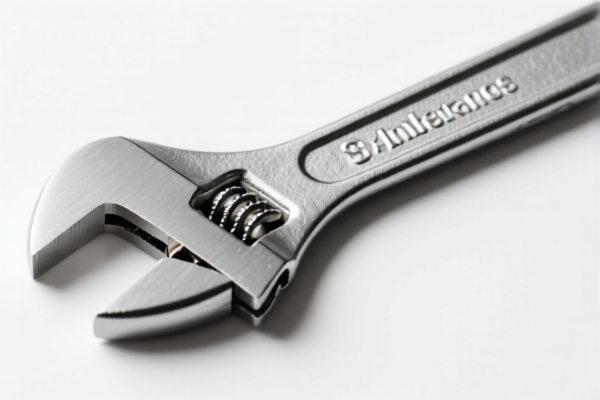
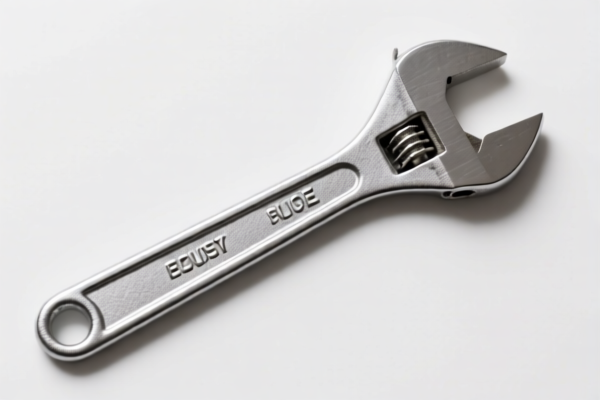
AI Analysis
🔧 Spanners (Wrenches) – The Ultimate HS Code & Tariff Guide 2026
🌐 HS Code Reference & Customs Clearance Guide | 2026 Latest Tariff Analysis | Professional Strategy
📌 I. Product Definition & Classification: Do You Really Understand “Spanners”?
In international trade, "Spanners" (or Wrenches) are primarily classified under Chapter 82 (Tools, Implements, Cutlery, Spoons and Forks, of Base Metal) as Hand Tools. However, depending on the power source and specific mechanism, they may fall under Chapter 84 (Machinery).
Key Classification Distinction:
- Hand Tools (Manual): Powered by human effort, made of iron/steel, stainless steel, etc. → HS Chapter 82
- Power Tools: Powered by electricity, pneumatic, hydraulic, or internal combustion. → HS Chapter 84
⚠️ Critical Alert:
- If it is a standard manual spanner (adjustable, combination, ring spanner) → 8204/8205
- If it is an impact wrench or screwdriver powered by machinery → 8467
- Material matters: Stainless steel may have slightly different base rates but still faces the same high surcharges.
📦 II. HS Code Classification Details (2026 Latest Tariff Authority)
Based on the provided data, here are the precise classifications for spanners:
| HS Code | Product Description | Material/Type | Summary Logic |
|---|---|---|---|
8204.12.00.00 |
Hand Wrenches | Metal (Steel/Iron) | Matches "Hand Wrenches" exactly. Inferred material: Metal. |
8204.11.00.30 |
Hand Wrenches & Parts | Metal (Steel/Iron) | Fits "Manual Wrenches & Related Parts". No conflict. |
8205.59.30.80 |
Other Hand Tools | Metal (Inferred) | Classified as other hand tools. Inferred material: Metal. |
8205.59.55.60 |
Other Iron/Steel Hand Tools | Iron/Steel | Fits "Other iron or steel hand tools". |
8205.59.80.00 |
Stainless Steel Hand Tools | Stainless Steel | Specifically for stainless steel spanners. |
8467.11.50.40 |
Other Tools for Working Metal | Various | "Spanner" fits tool type, no material/shape conflict. Likely power tool context. |
8467.29.00.40 |
Screw-Driving/Impact Tools | Power-Powered | Fits "Screw driving and impact wrenches". |
🔍 Key Takeaway:
- Manual Spanners almost always go to 8204 or 8205.
- Power Impact Wrenches go to 8467.
- Stainless Steel is a sub-category of hand tools but does not escape the high tariff rates listed below.
💰 III. 2026 Latest Tariff Rate Breakdown (Including Surcharges & Policy Add-ons)
✅ Applicable Country: USA (US)
✅ Origin: China (CN) (Implied by "Section 301" and "122 Clause" mentions in data)
✅ Effective Date: 2025–2026 (Current Trade War Context)
🎯 1. 8204.12.00.00 & 8204.11.00.30 —— Standard Hand Wrenches
| Item | Content |
|---|---|
| Base Duty Rate | 9.0% (Ad Valorem) |
| Section 301 Surcharge | +25.0% |
| "122 Clause" Surcharge | +10.0% |
| Total Effective Rate | 44.0% |
| Tax Calculation | CIF Value × 44% |
| De Minimis Exemption | ❌ NOT Allowed (High-risk category) |
| Legal Basis Path | USITC:8204.11.00.30 → Section 301: 25% → 122 Clause: 10% |
📌 Explanation:
- Base 9%: Standard MFN rate for hand wrenches.
- 25% Section 301: Trump/Biden era tariff on Chinese goods (List 3/4A).
- 10% "122 Clause": Likely refers to a specific administrative or recent policy add-on (e.g., related to specific import controls or national security measures).
- Total 44% is extremely high. Must be factored into cost structure.
🎯 2. 8205.59.30.80 & 8205.59.80.00 —— Other Hand Tools / Stainless Steel
| Item | Content |
|---|---|
| Base Duty Rate | 0.0% – 3.7% (Varies by sub-subcategory) |
| Section 301 Surcharge | +25.0% |
| "122 Clause" Surcharge | +10.0% |
| Total Effective Rate | 35.0% (for 8205.59.30.80) 38.7% (for 8205.59.80.00) |
| Tax Calculation | CIF Value × 35% / 38.7% |
| De Minimis Exemption | ❌ NOT Allowed |
📌 Explanation:
-8205.59.30.80: Base 0% + 25% + 10% = 35%
-8205.59.80.00(Stainless): Base 3.7% + 25% + 10% = 38.7%
- Stainless steel does NOT qualify for lower duties in this trade context.
🎯 3. 8205.59.55.60 —— Iron/Steel Hand Tools
| Item | Content |
|---|---|
| Base Duty Rate | 5.3% |
| Section 301 Surcharge | +25.0% |
| "122 Clause" Surcharge | +10.0% |
| Total Effective Rate | 40.3% |
| Tax Calculation | CIF Value × 40.3% |
| De Minimis Exemption | ❌ NOT Allowed |
📌 Explanation:
- Specifically for "Other iron or steel hand tools".
- Total 40.3% is still prohibitively high for low-margin goods.
🎯 4. 8467.11.50.40 —— Power Tools (Other)
| Item | Content |
|---|---|
| Base Duty Rate | 0.0% |
| Section 301 Surcharge | +25.0% |
| "122 Clause" Surcharge | +10.0% |
| Total Effective Rate | 35.0% |
| Tax Calculation | CIF Value × 35% |
| De Minimis Exemption | ❌ NOT Allowed |
📌 Explanation:
- If classified as "Other tools for working metal" under 8467, base duty is 0%, but surcharges still apply.
🎯 5. 8467.29.00.40 —— Screw-Driving/Impact Wrenches
| Item | Content |
|---|---|
| Base Duty Rate | 0.0% |
| Section 301 Surcharge | +7.5% (Note: Different from 25%) |
| "122 Clause" Surcharge | +10.0% |
| Total Effective Rate | 17.5% |
| Tax Calculation | CIF Value × 17.5% |
| De Minimis Exemption | ❌ NOT Allowed |
📌 Critical Distinction:
- Impact Wrenches (8467.29.00.40) have a lower Section 301 rate of 7.5% instead of 25%.
- Total 17.5% is significantly cheaper than manual spanners (44%!).
- Strategy: If your product is a powered impact wrench, ensure correct classification to save 26.5% in tariffs.
🛠️ IV. Customs Clearance Practical Advice (Real-World Pitfall Avoidance)
✅ 1. Documentation Checklist (Non-Negotiable)
| Document | Required? | Notes |
|---|---|---|
| ✅ Product Specifications | ✔️ | Must include: Material (Steel/Stainless), Type (Manual/Power), Drive Size (e.g., 1/4", 3/8") |
| ✅ Product Photos | ✔️ | Clear images of jaws, handle, and any power cord/battery. |
| ✅ Commercial Invoice | ✔️ | Describe as "Hand Spanner" or "Impact Wrench", NOT generic "Tool". |
| ✅ Bill of Lading/Airway Bill | ✔️ | Ensure HS Codes match invoice. |
| ✅ Country of Origin | ✔️ | Must be "China" if applicable. |
✅ 2. Declaration Tactics (Key Mantras)
🔥 "Manual = 8204 (44%), Power = 8467 (17.5%)"
| Scenario | Correct HS Code | Wrong Code | Consequence |
|---|---|---|---|
| Manual Adjustable Spanner | 8204.12.00.00 |
8467.29.00.40 |
Over-declaration risk: Customs may reclassify and charge 44% instead of 17.5%? No, manual is never 8467. Misclassification = Penalties. |
| Impact Wrench | 8467.29.00.40 |
8204.12.00.00 |
Under-declaration risk: If declared as manual (44%) but it's power (17.5%), you overpaid. But if declared as power (17.5%) but it's manual (44%), you underpaid by 26.5% + penalties. |
| Stainless Steel Spanner | 8205.59.80.00 |
8204.12.00.00 |
Minor difference (38.7% vs 44%), but accurate material declaration is crucial for compliance. |
✅ 3. Special Cases
| Situation | Advice |
|---|---|
| OEM Branded Spanners | Provide authorization letter to avoid IP issues, but HS Code remains the same. |
| Sets of Spanners | If sold in a box (e.g., 10-piece set), classify based on principal purpose. Usually 8204. |
| Digital/Torque Spanners | If electronic, may shift to 8543 or 8467, but often still 8204 if primarily hand-held. Verify with ruling. |
| Small Parts (Jaws Only) | Classified as "Parts" under 8204.10 or 8205. Same high tariffs apply. |
🌍 V. Global Market Comparison (2026)
| Country/Region | Recommended HS Code | Tariff (China Origin) | Notes |
|---|---|---|---|
| 🇺🇸 USA | 8204.12.00.00 |
44% | High due to Section 301 + 122 Clause. |
| 🇺🇸 USA | 8467.29.00.40 |
17.5% | Lower for powered tools. |
| 🇨🇳 China | 8204.12.00.00 |
~9-12% | Import tariff into China is lower; no Section 301. |
| 🇪🇺 EU | 8204.12.00.00 |
~4-6% | No Section 301 equivalent. VAT applies separately. |
| 🇬🇧 UK | 8204.12.00.00 |
~4-6% | Post-Brexit tariffs similar to EU. |
📌 Conclusion:
- USA is the most expensive market for spanners due to political tariffs.
- Power tools (8467) enjoy lower tariffs in the US compared to manual tools.
- Non-US markets are far more competitive tariff-wise.
📌 VI. Common Errors & Pitfalls (Lessons Learned)
❌ Error 1: Declaring an Impact Wrench as a Manual Spanner
👉 Consequence: You pay 44% instead of 17.5%. Overpayment!
(Though rare, some importers do this to simplify, but it’s costly.)
❌ Error 2: Declaring a Manual Spanner as an Impact Wrench
👉 Consequence: Under-declaration of 26.5%. Customs will audit, demand back taxes + 20-50% penalty.
👉 Risk: High. Customs brokers can easily see the difference (no motor/cord vs. motor/cord).
❌ Error 3: Ignoring the "122 Clause" 10%
👉 Consequence: Underestimating landed cost. Budgeting 25% + 9% = 34% is wrong. It’s 44% or 35%.
✅ Correct Practice:
"Identify Power Source First!"
- No power? → 8204/8205 (44% or 35-40%)
- Battery/Electric/Pneumatic? → 8467 (17.5% or 35%)
- Always include Material (Stainless vs. Steel) for precise HS sub-code.
🎯 VII. Conclusion: Professional Declaration, Cost Optimization!
🎯 Remember the Mantra:
🔹 "Manual = 8204 (44%) | Power = 8467 (17.5%) | Stainless = 38.7%"
🔹 "Misclassification Costs 26.5% in Tariffs!"
🔹 "Always Declare Material & Power Source Clearly!"
📌 Pro Tip:
- If you are importing large volumes of manual spanners, consider supply chain diversification to Vietnam/Mexico for Section 301 exemption (if eligible).
- For powered tools, leverage the 17.5% rate by ensuring proper classification and providing proof of power source (e.g., photos showing battery/motor).
- Apply for Advance Ruling if you have mixed tool kits (e.g., wrench + screwdriver) to get a binding decision on the correct HS Code.
📣 Take Action Now:
📞 Consult a licensed Customs Broker | 📸 Provide Clear Product Images | 📝 Apply for HS Code Advance Ruling
🚀 Clear Customs Smoothly, Reduce Costs, Maximize Profits!
✨ Professional Customs Clearance Starts with Accurate Classification!
💼 Every Percent Saved in Tariffs is Pure Profit!
Customer Reviews
About HS Code Classification
The Harmonized System (HS) is an internationally standardized nomenclature developed by the World Customs Organization (WCO) to classify traded products. Over 200 countries use the HS system as the basis for customs tariffs, trade statistics, and import/export regulations.
Each HS code follows a hierarchical structure:
- Chapter (2 digits) — Broad category of goods (e.g., Chapter 84: Machinery and Mechanical Appliances)
- Heading (4 digits) — More specific grouping within the chapter
- Subheading (6 digits) — Internationally standardized breakdown, used by all WCO member countries
- National subdivisions (8-10 digits) — Country-specific extensions for further classification, such as US HTSUS 10-digit codes
Correct HS code classification is essential for smooth customs clearance, accurate duty payment, and compliance with trade regulations. Misclassification can lead to customs delays, overpayment of duties, or penalties.
When importing from CN to US, the applicable tariff rates may include:
- Most-Favored-Nation (MFN) rate — The standard duty rate applied to WTO members
- General rate — Applied to countries without trade agreements
- Trade remedy duties — Additional tariffs such as Section 301 (anti-dumping), Section 232 (national security), or countervailing duties
The information provided on this page is for reference purposes only. For official classification, please consult with your local customs authority or a licensed customs broker.