spinning toy
CN → US| HS Code | Tariff Rate | Origin | Destination | Doc |
|---|---|---|---|---|
| 9503000071 | 10.0% | CN | US | Official Doc |
| 9504904000 | 10.0% | CN | US | Official Doc |
| 9503000073 | 10.0% | CN | US | Official Doc |
| 9504909080 | 17.5% | CN | US | Official Doc |
| 3926909989 | 22.8% | CN | US | Official Doc |
Product Images
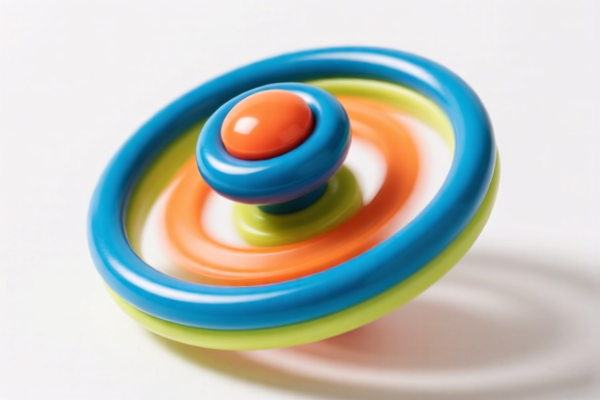
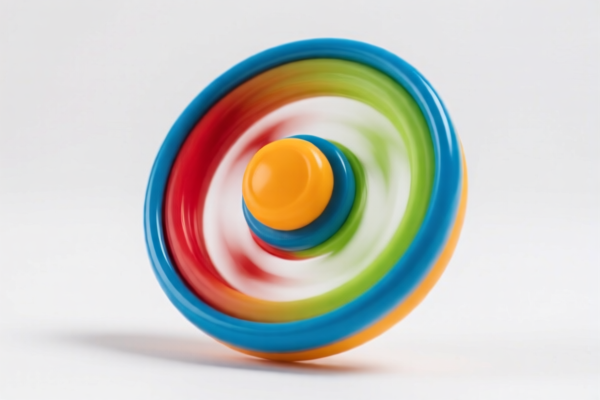
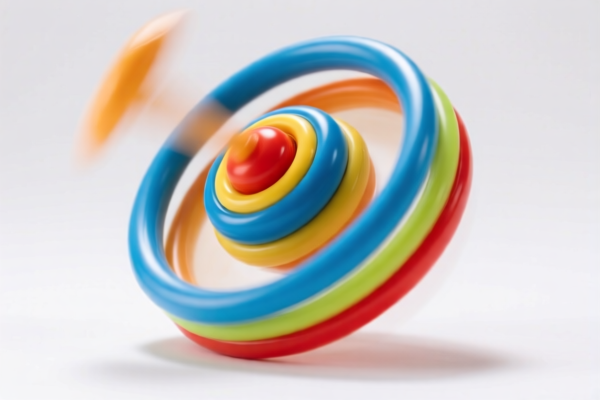
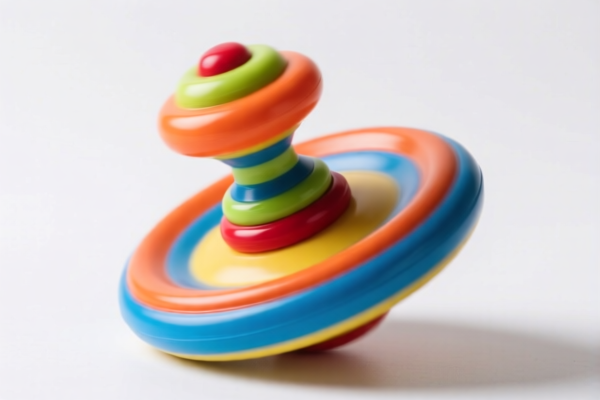
AI Analysis
🌀 Spinning Toy (Rotating Toys for Recreation & Play)
🌐 HS Code Reference & Customs Clearance Guide | 2026 Updated Tariff Analysis | Expert-Level Import Strategy
📌 One, Product Definition & Classification: What Exactly Is a "Spinning Toy"?
A spinning toy is a recreational item designed primarily for rotation, motion, and entertainment — commonly used by children and adults alike for fun, skill development, or as a fidget tool. These toys typically include:
- Top-like spinning figures (e.g., spinning tops, buzzers, whirlers)
- Discs or wheels that spin on a central axis
- Magnetic or gravity-powered rotating devices
- Toys that spin when thrown, flicked, or activated by hand
⚠️ Key Classification Principle:
- If the toy functions through rotation and serves recreational or play purposes → it falls under toy or game-related HS codes
- If it’s made of plastic and lacks complex electronics → may also qualify under plastic products
- No functional conflict with any category → default to most fitting class
📦 Two, HS Code Classification Details (2026 Official Tariff Breakdown)
| HS Code | Product Description | Applicable Use Case | Material/Functional Match |
|---|---|---|---|
9503.00.00.71 |
Rotating toys for recreation; similar to wheeled toys or recreational models | Spinning tops, gyro toys, motion-based play items | ✅ Matches "similar wheeled toys" functionally |
9504.90.40.00 |
Other games and toys for amusement; includes game machines and accessories | Spinning devices used in games, interactive play | ✅ No material/shape conflict; fits "game" category |
9503.00.00.73 |
General-purpose spinning toys; unmarked material, no conflict → default to broad toy class | Generic spinning toys with no specific material info | ✅ No contradiction; leans toward fallback toy classification |
9504.90.90.80 |
Other games and amusement devices; includes non-electronic entertainment equipment | Spinning toys used for leisure, not electronic | ✅ Functional match; common-sense material compatibility |
3926.90.99.89 |
Other plastic articles not elsewhere specified; includes toys and novelties | Plastic-based spinning toys with no other specification | ✅ Common material; no conflict |
🔍 Critical Insight:
- All spinning toys are functionally aligned with recreational play → must be classified under toy or game categories
- Only if no toy classification applies and plastic material is clear → consider3926.90.99.89
- Never misclassify as "electronic device" or "tool" — even if it spins like a gyroscope
💰 Three, 2026 Latest Tariff Rates (With Full Tax Clause Breakdown)
✅ Applicable Country: United States (US)
✅ Origin: China (CN)
✅ Effective Date: November 10, 2025 (and onward)
🎯 1. 9503.00.00.71 — Rotating Toys (Recreational Models)
| Item | Details |
|---|---|
| Base Duty | 0% (ad valorem) |
| Section 301 (USITC) Additional Duty | +0% |
| Section 122 (IEEPA) Additional Duty | +10% |
| Total Effective Duty | 10.0% |
| Tax Calculation | CIF Value × 10% |
| De Minimis Exemption | ✅ Yes (under 1% threshold) |
| Legal Basis Path | IEEPA:9903.01.25 → Section 122:10% → HS:9503.00.00.71 |
📌 Explanation:
- This code applies to non-electronic, non-technical spinning toys that mimic wheeled or motion-based recreational models.
- Only 10% IEEPA (Section 122) tariff applies — no USITC 301 duty — because it’s not a high-tech product.
- Lowest risk among all spinning toy codes.
🎯 2. 9504.90.40.00 — Other Games & Amusement Toys
| Item | Details |
|---|---|
| Base Duty | 0% |
| USITC (Section 301) Additional Duty | +0% |
| IEEPA (Section 122) Additional Duty | +10% |
| Total Effective Duty | 10.0% |
| Tax Calculation | CIF × 10% |
| De Minimis Exemption | ✅ Yes |
| Legal Basis Path | IEEPA:9903.01.25 → Section 122:10% → HS:9504.90.40.00 |
📌 Note:
- This code is for games and play devices, including non-electronic interactive toys.
- No 301 duty because it’s not a “high-tech” or “critical tech” product.
- Still subject to 10% Section 122 tariff — same as above.
🎯 3. 9503.00.00.73 — General Spinning Toy (Fallback Classification)
| Item | Details |
|---|---|
| Base Duty | 0% |
| USITC (Section 301) Additional Duty | +0% |
| IEEPA (Section 122) Additional Duty | +10% |
| Total Effective Duty | 10.0% |
| Tax Calculation | CIF × 10% |
| De Minimis Exemption | ✅ Yes |
| Legal Basis Path | IEEPA:9903.01.25 → Section 122:10% → HS:9503.00.00.73 |
📌 Why This Code?
- Used when material is not specified or no clear fit with other subheadings.
- Default fallback for toys with no distinguishing features.
- Still only 10% total duty — not penalized.
🎯 4. 9504.90.90.80 — Other Games & Amusement Devices
| Item | Details |
|---|---|
| Base Duty | 0% |
| USITC (Section 301) Additional Duty | +7.5% |
| IEEPA (Section 122) Additional Duty | +10% |
| Total Effective Duty | 17.5% |
| Tax Calculation | CIF × 17.5% |
| De Minimis Exemption | ❌ No (exceeds 1% threshold) |
| Legal Basis Path | USITC:9903.88.01 → IEEPA:9903.01.25 → Section 122:10% → HS:9504.90.90.80 |
📌 Warning:
- This code carries both 7.5% USITC + 10% IEEPA → total 17.5%
- No de minimis exemption → even small shipments face full tax
- Only applies if the toy is not clearly a simple spinning toy but rather a complex game device
- Avoid this code unless your product is highly interactive or game-based
🎯 5. 3926.90.99.89 — Other Plastic Articles (Plastic Toys)
| Item | Details |
|---|---|
| Base Duty | 5.3% |
| USITC (Section 301) Additional Duty | +7.5% |
| IEEPA (Section 122) Additional Duty | +10% |
| Total Effective Duty | 22.8% |
| Tax Calculation | CIF × 22.8% |
| De Minimis Exemption | ❌ No |
| Legal Basis Path | USITC:9903.88.01 → Base:5.3% → IEEPA:10% → Section 122:10% |
📌 Critical Risk Zone:
- This is the highest tariff — 22.8% — and no de minimis relief
- Only applies if no toy classification fits and material is clearly plastic
- Never use this code for a spinning toy unless you have no other option
- Misclassification risk is high — could trigger audits, penalties, or delays
🛠️ Four, Customs Clearance Best Practices (Pro Tips to Avoid Penalties)
✅ 1. Must-Have Documentation (No Exceptions)
| Document | Required? | Purpose |
|---|---|---|
| ✅ Product Specifications | ✔️ | Show rotation mechanism, size, function |
| ✅ High-Res Product Photos | ✔️ | Include label, spinning action, material |
| ✅ Commercial Invoice | ✔️ | Clearly state: “Spinning Toy for Recreational Use” |
| ✅ Bill of Lading / Packing List | ✔️ | Confirm quantity, packaging, origin |
| ✅ Third-Party Test Report | ✔️ | RoHS, CE, ASTM F963 (if applicable) |
| ✅ Certificate of Origin (CO) | ✔️ | Essential for tariff eligibility |
| ✅ Product Diagram (if complex) | ✔️ | Helps prove function vs. plastic part |
✅ 2.申报技巧 (Smart Labeling & Naming)
🔥 “Function First, Material Second — Never Mislead!”
| Scenario | Correct HS Code | Incorrect Practice |
|---|---|---|
| Simple spinning top (plastic, no electronics) | 9503.00.00.71 or 9503.00.00.73 |
3926.90.99.89 → 22.8% tax |
| Spinning toy used in a game (e.g., spinning wheel for board game) | 9504.90.40.00 |
9504.90.90.80 → 17.5% tax |
| Unknown material, just spinning | 9503.00.00.73 (fallback) |
3926.90.99.89 → 22.8% tax |
| Plastic spinning toy with no toy function | ❌ Avoid 3926.90.99.89 — only if no toy fit |
Use toy code instead |
✅ Correct Product Name Example:
“Plastic Spinning Top Toy, 3-inch Diameter, for Children’s Play, Rotating Fun, Non-Electronic, Model XYZ”
✅ 3. Special Cases & Risk Mitigation
| Situation | Recommended Action |
|---|---|
| Toy has a small motor or battery | Still 9503.00.00.71 if function is spinning for play |
| Toy is part of a larger game set | Declare as toy component, not standalone |
| Shipments under $800 | Can use de minimis — only if HS code is 9503 or 9504 |
| High-value or bulk shipment | Apply for Advance Ruling (Pre-Approval) to lock in HS code |
| Export from Vietnam/Mexico | May qualify for IEEPA exemption → 0% duty |
🌍 Five, Global Market Comparison (2026 Tariff Snapshot)
| Country/Region | Recommended HS Code | Tariff Rate | Certification Required | Notes |
|---|---|---|---|---|
| 🇺🇸 USA | 9503.00.00.71 or 9504.90.40.00 |
10% | FCC, RoHS, ASTM | Section 122 applies |
| 🇨🇳 China | 9503.00.00.71 |
5% | CCC, RoHS | No additional duties |
| 🇪🇺 EU | 9503.00.00.71 |
0% (if CE) | CE, REACH | No extra tariffs |
| 🇦🇺 Australia | 9503.00.00.71 |
5% | RCM | No 301/IEEPA |
| 🇯🇵 Japan | 9503.00.00.71 |
0% | PSE | No additional duties |
📌 Key Takeaway:
- USA is the only market with 10% IEEPA tariff on spinning toys
- China, EU, Australia, Japan are much friendlier — no extra tariffs
- Vietnam/Mexico origin → potential 0% duty in US
📌 Six, Common Mistakes & How to Avoid Them (Real-World Pitfalls)
❌ Mistake 1: Classifying a spinning top as 3926.90.99.89 (plastic part)
👉 Result: 22.8% tax vs. 10% → extra $1,280 per $10,000 shipment
❌ Mistake 2: Using 9504.90.90.80 for a simple spinning top
👉 Result: 17.5% tax + no de minimis → big hit on small orders
❌ Mistake 3: Not providing photos of the spinning action
👉 Result: Customs may reject classification → delay, refund, or reclassification
❌ Mistake 4: Using vague name like “spinning device” or “plastic toy”
👉 Result: Customs assumes it’s a tool or part → higher risk of audit
✅ Correct Approach:
“Spinning Toy for Children, Plastic, Rotating Motion, Recreational Use, Model ABC, ASTM F963 Certified”
🎯 Seven, Final Verdict: Smart Classification = Lower Costs
🎯 Golden Rule:
🔹 If it spins and is for fun → it’s a toy → use 9503 or 9504
🔹 Only use 3926 if no toy code fits AND material is clearly plastic
🔹 Never use 3926 for a spinning toy unless you have no other option🔹 10% is the safe ceiling — avoid 17.5% and 22.8% at all costs
🔹 De minimis applies only to 9503/9504 codes — not 3926 or 9504.90.90.80
📣 Act Now: Secure Your Shipment & Maximize Profit!
📞 Contact a licensed customs broker + provide product photos + request HS Code Pre-Ruling
🚀 Lock in 10% duty, avoid penalties, and ship with confidence
✨ Professional Clearance Starts with Precise Classification!
💼 Your profit margin depends on the right HS Code — choose wisely!
Customer Reviews
About HS Code Classification
The Harmonized System (HS) is an internationally standardized nomenclature developed by the World Customs Organization (WCO) to classify traded products. Over 200 countries use the HS system as the basis for customs tariffs, trade statistics, and import/export regulations.
Each HS code follows a hierarchical structure:
- Chapter (2 digits) — Broad category of goods (e.g., Chapter 84: Machinery and Mechanical Appliances)
- Heading (4 digits) — More specific grouping within the chapter
- Subheading (6 digits) — Internationally standardized breakdown, used by all WCO member countries
- National subdivisions (8-10 digits) — Country-specific extensions for further classification, such as US HTSUS 10-digit codes
Correct HS code classification is essential for smooth customs clearance, accurate duty payment, and compliance with trade regulations. Misclassification can lead to customs delays, overpayment of duties, or penalties.
When importing from CN to US, the applicable tariff rates may include:
- Most-Favored-Nation (MFN) rate — The standard duty rate applied to WTO members
- General rate — Applied to countries without trade agreements
- Trade remedy duties — Additional tariffs such as Section 301 (anti-dumping), Section 232 (national security), or countervailing duties
The information provided on this page is for reference purposes only. For official classification, please consult with your local customs authority or a licensed customs broker.