split cowhide leather
CN → US| HS Code | Tariff Rate | Origin | Destination | Doc |
|---|---|---|---|---|
| 411142 | 0.0% | CN | US | Official Doc |
| 411190 | 0.0% | CN | US | Official Doc |
| 4107122000 | 37.4% | CN | US | Official Doc |
| 4107123000 | 13.6% | CN | US | Official Doc |
| 4202213000 | 40.3% | CN | US | Official Doc |
| 4202216000 | 45.0% | CN | US | Official Doc |
Product Images
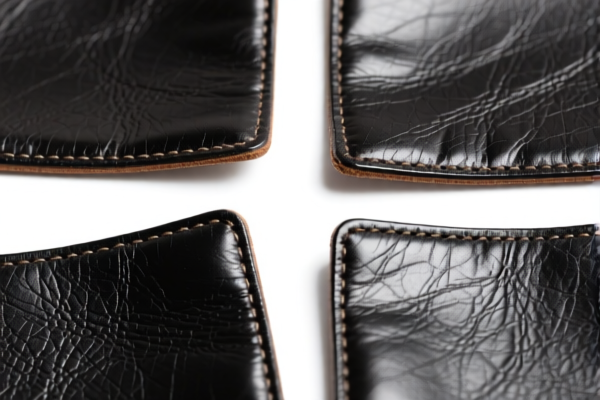
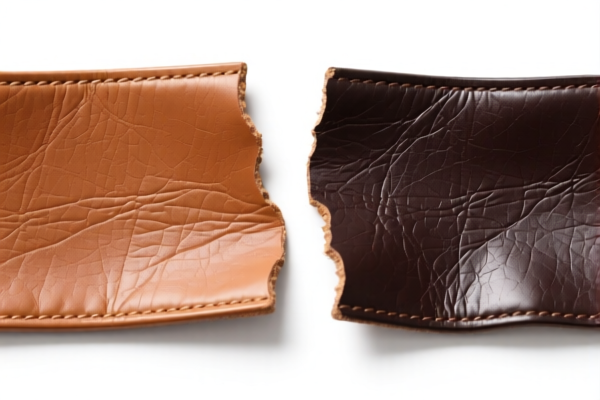
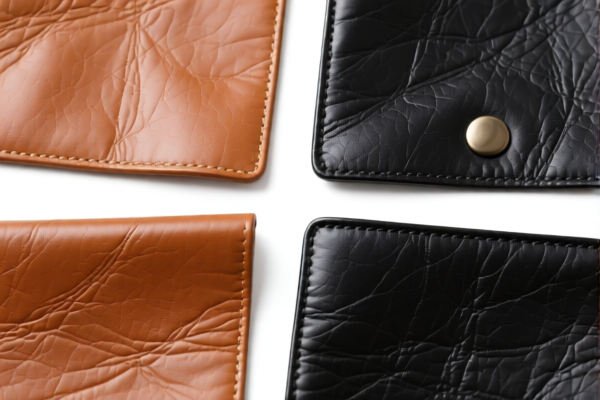
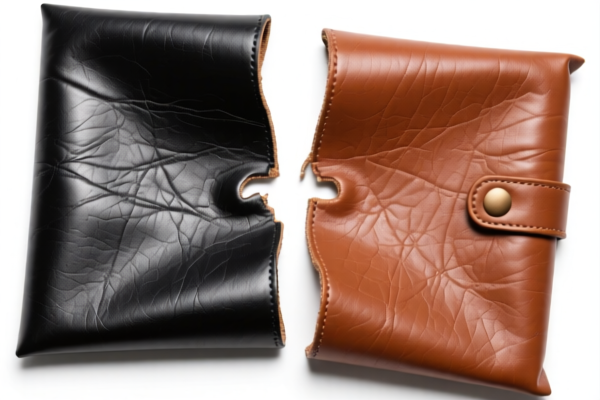
AI Analysis
🐄 Split Cowhide Leather (皮革分層牛皮)
🌐 HS Code Reference & Customs Clearance Guide | 2026 Latest Tariff Analysis | Professional Clearance Strategy
📌 I. Product Definition & Classification: Do You Really Understand "Split Cowhide"?
Split cowhide leather is a crucial raw material in the global leather goods and footwear industry. It is derived by splitting full-grain cowhide into layers. In international trade, the classification depends heavily on the processing stage (limed, beamhouse, crimped vs. fully tanned/finished) and the quality/usage.
Two Main Categories: 1. Raw/Pre-Tanned Split Leather: Leather that has been split but not fully tanned or finished for direct use. Often used for further processing (crust leather, suede production). 2. Finished/Prepared Split Leather: Leather that has undergone tanning and further preparation (crusting, dyeing, etc.), ready for specific applications like bags, shoes, or upholstery.
⚠️ Key Distinction Point:
- If the leather is not fully prepared (e.g., only limed, beamhouse finished, or crimped) and is suitable for manufacturing leather goods but not yet "finished leather" → It falls under Heading 4111.
- If the leather is fully prepared (tanned, crusted, etc.) and meets specific surface area/split criteria → It falls under Heading 4107.
- Crucial Note: The term "Split Cowhide" itself is not a single HS code. It must be differentiated by its state of preparation and specific description.
📦 II. HS Code Classification Details (2026 Latest Tariff Authority Comparison)
| HS Code | Product Description | Applicable Scenario | State of Preparation |
|---|---|---|---|
4111.42 |
Split cowhide leather, whether or not further prepared but not further worked than limed, beamhouse finished, or crimped, suitable for use in the manufacture of leather goods, footwear, or other articles. | Raw split leather, pre-tanned splits for further processing (e.g., suede making). | ⚠️ Not Fully Prepared (Limed/Beamhouse/Crimped only) |
4111.90 |
Other split cowhide leather, not elsewhere specified, including that which has been further processed but not to the extent of being fully finished leather for direct use in articles. | Other split leathers that don't fit 4111.42 exactly, but still not fully finished. |
⚠️ Partially Prepared |
4107.12.20.00 |
Leather further prepared after tanning or crusting... of bovine... without hair on... Whole hides and skins: Grain splits: Of bovines, and of a unit surface area not exceeding 28 square feet (2.6 m²)... Other: Not fancy | Fully tanned split leather, non-fancy, small surface area (<2.6 m²). Used for accessories, small leather goods. | ✅ Fully Prepared (Tanned/Crusted) |
4107.12.30.00 |
Leather further prepared after tanning or crusting... of bovine... without hair on... Whole hides and skins: Grain splits: Of bovines, and of a unit surface area not exceeding 28 square feet (2.6 m²)... Other: Fancy | Fully tanned split leather, fancy/embossed/colored, small surface area (<2.6 m²). Used for high-end fashion items. | ✅ Fully Prepared (Tanned/Crusted) |
4202.21.30.00 |
...Handbags... with outer surface of leather or composition leather: Of reptile leather | Note: This code is for handbags made of reptile leather, NOT cowhide. Included in DATA for comparison, but NOT applicable to cowhide. | ❌ Irrelevant (Wrong Material) |
4202.21.60.00 |
...Handbags... with outer surface of leather or composition leather: Other: Valued not over $20 each | Note: This code is for handbags valued ≤$20, made of leather/composition leather. If the user is importing finished leather, this is NOT applicable. If importing cheap leather handbags, it might be. | ❌ Irrelevant (Wrong Product Type) |
🔍 Critical Reminder:
- Raw/Pre-Tanned Splits: Must use4111.42or4111.90. Do NOT use4107codes unless fully tanned/prepared.
- Finished Split Leather (Small Area): Must use4107.12.20.00(Non-fancy) or4107.12.30.00(Fancy).
- Finished Leather Goods (e.g., Bags): If the product is a handbag made of cowhide, use4202series, NOT4107/4111.
- Reptile Leather Bags:4202.21.30.00is for reptile, not cowhide. Exclude if importing cowhide.
💰 III. 2026 Latest Tariff Rate Breakdown (Including Supplementary Taxes, Policy Add-ons)
✅ Applicable Country: United States (US)
✅ Origin: China (CN)
✅ Effective Date: 2025-11-10 onwards (including subsequent imports)
🎯 1. 4111.42 —— Split Cowhide Leather (Not Further Prepared Than Limed/Beamhouse/Crimped)
| Item | Content |
|---|---|
| Base Tariff | Failed to retrieve tax information |
| USITC Supplementary Tariff | Failed to retrieve tax information |
| IEEPA Supplementary Tariff | Failed to retrieve tax information |
| Total Tariff Rate | Error |
| Tax Calculation | Error |
| De Minimis Eligibility | ❌ Unknown |
| Legal Basis Path | N/A |
📌 Explanation:
- The system failed to retrieve specific tariff details for4111.42.
- Action Required: Please consult with a customs broker or check the latest USITC database for the most current rates for "Split Cowhide, not further prepared."
- Risk: Incorrect classification could lead to misclassification penalties. Ensure the leather is indeed "not further prepared than limed/beamhouse/crimped."
🎯 2. 4111.90 —— Other Split Cowhide Leather
| Item | Content |
|---|---|
| Base Tariff | Failed to retrieve tax information |
| USITC Supplementary Tariff | Failed to retrieve tax information |
| IEEPA Supplementary Tariff | Failed to retrieve tax information |
| Total Tariff Rate | Error |
| Tax Calculation | Error |
| De Minimis Eligibility | ❌ Unknown |
| Legal Basis Path | N/A |
📌 Explanation:
- Similar to4111.42, specific tax details are missing for4111.90.
- Action Required: Verify with customs authorities. This code is for split leathers not specified elsewhere, often implying minimal processing.
🎯 3. 4107.12.20.00 —— Fully Prepared Split Cowhide Leather (Not Fancy, ≤2.6 m²)
| Item | Content |
|---|---|
| Base Tariff | 2.4% (ad valorem) |
| USITC Supplementary Tariff | +25.0% (from USITC Footnote 9903.88.01) |
| IEEPA Supplementary Tariff | Not specified (Assumed 0% or included in total) |
| Total Tariff Rate | 27.4% |
| Tax Calculation | CIF Value × 27.4% |
| De Minimis Eligibility | ❌ Unlikely (High tariff rate suggests no de minimis) |
| Legal Basis Path | USITC:4107.12.20.00 → FOOTNOTE:9903.88.01 |
📌 Explanation:
- "USITC Supplementary Tariff 25%": This is the Section 301 tariff applied to Chinese-origin leather goods.
- "Base Tariff 2.4%": The standard Most Favored Nation (MFN) rate for this specific prepared leather.
- Total Rate 27.4%: This is a significant tariff. Importers must factor this into their cost structure.
- Condition: The leather must be grain splits, of bovine origin, with a surface area ≤2.6 m² (28 sq ft), and not fancy (i.e., plain, not embossed/colored for high-end fashion).
🎯 4. 4107.12.30.00 —— Fully Prepared Split Cowhide Leather (Fancy, ≤2.6 m²)
| Item | Content |
|---|---|
| Base Tariff | 3.6% (ad valorem) |
| USITC Supplementary Tariff | +0.0% |
| IEEPA Supplementary Tariff | Not specified (Assumed 0%) |
| Total Tariff Rate | 3.6% |
| Tax Calculation | CIF Value × 3.6% |
| De Minimis Eligibility | ✅ Possible (Low total rate may allow de minimis for small shipments, but check specific rules) |
| Legal Basis Path | USITC:4107.12.30.00 |
📌 Explanation:
- "Base Tariff 3.6%": The MFN rate for "fancy" prepared split leather.
- Total Rate 3.6%: This is a much lower tariff compared to4107.12.20.00.
- Condition: The leather must be grain splits, of bovine origin, with a surface area ≤2.6 m² (28 sq ft), and fancy (i.e., embossed, colored, or otherwise specially finished for high-end use).
- Advantage: Avoiding the 25% Section 301 tariff makes this a cost-effective option for importing high-value, fancy split leathers from China.
🎯 5. 4202.21.30.00 & 4202.21.60.00 —— Handbags (Irrelevant for Raw Leather)
| Item | Content |
|---|---|
| Applicability | NOT APPLICABLE to raw/split cowhide leather. These codes are for finished handbags. |
| Tariff | 0% (but irrelevant for leather raw material) |
📌 Explanation:
- If you are importing finished cowhide handbags, these codes may apply (depending on value and material).
- If you are importing raw/split leather, DO NOT USE these codes. Misclassification can lead to severe penalties.
🛠️ IV. Customs Clearance Practical Advice (Practical Pitfall Avoidance Guide)
✅ 1. Document Preparation Checklist (All Required)
| Document | Must Provide | Description |
|---|---|---|
| ✅ Product Specification Sheet | ✔️ | Include leather type (split cowhide), tanning process, surface area, whether fancy/not fancy, intended use. |
| ✅ Photos of Leather | ✔️ | Show texture, side (grain/split), and any embossing/coloring to determine "fancy" status. |
| ✅ Commercial Invoice | ✔️ | Clearly state "Split Cowhide Leather," HS Code, and value. |
| ✅ Packing List | ✔️ | Detail weight, dimensions, and number of hides/pieces. |
| ✅ Customs Declaration Form | ✔️ | Accurately fill in HS Code based on preparation stage. |
| ✅ Origin Certificate | ✔️ | If applicable, to prove Chinese origin for tariff calculation. |
✅ 2. Declaration Tips (Key Mantra)
🔥 "Split Leather: Check Prep Stage, Check Surface Area, Check Fancy Status!"
| Scenario | Correct HS Code | Wrong Code | Consequence |
|---|---|---|---|
| Raw/Pre-Tanned Split | 4111.42 or 4111.90 |
4107.12.20.00 |
27.4% vs. Unknown/Error → Potential misclassification penalty. |
| Fancy Split (≤2.6 m²) | 4107.12.30.00 |
4107.12.20.00 |
3.6% vs. 27.4% → Underpayment of 23.8% → Fine + Back Taxes! |
| Non-Fancy Split (≤2.6 m²) | 4107.12.20.00 |
4107.12.30.00 |
27.4% vs. 3.6% → Overpayment → Lost profit. |
| Finished Cowhide Handbag | 4202.21.60.00 (if ≤$20) |
4107.12.30.00 |
0% vs. 3.6% → Misclassification. |
| Reptile Leather Bag | 4202.21.30.00 |
4107.12.30.00 |
Wrong Material → Severe Penalty. |
✅ 3. Special Cases Handling
| Situation | Handling Advice |
|---|---|
| OEM Custom Leather | Provide customer orders + design specs. Ensure "fancy" status is documented. |
| Mixed Surface Areas | If hides exceed 2.6 m², they may fall under different subheadings. Check USITC guidelines for larger sizes. |
| "Fancy" Definition | "Fancy" includes embossed, colored, or specially finished leathers. If in doubt, consult a customs broker. |
| De Minimis | For low-value shipments (<$800), de minimis may apply, but high tariffs (27.4%) make it risky. |
🌍 V. Global Market Customs Comparison (2026 Latest)
| Country/Region | Recommended HS Code (Fancy Split ≤2.6 m²) | Tariff | Certification | Notes |
|---|---|---|---|---|
| 🇺🇸 USA | 4107.12.30.00 |
3.6% | N/A | Avoid 4107.12.20.00 (27.4%) if possible. |
| 🇨🇳 China | 4107.12.30.00 |
~5-10% | N/A | Check local tax rules. |
| 🇪🇺 EU | 4107.12.30.00 |
0-6.5% | REACH | Varies by country. |
| 🇦🇺 Australia | 4107.12.30.00 |
5% | N/A | No special tariffs. |
| 🇯🇵 Japan | 4107.12.30.00 |
0-6.2% | N/A | Check JETRO guidelines. |
📌 Conclusion:
- USA: Tariff savings of 23.8% by classifying as "Fancy" (4107.12.30.00) vs. "Not Fancy" (4107.12.20.00).
- EU/Australia/Japan: Lower tariffs, no Section 301 impact.
- Risk: Misclassifying "Not Fancy" as "Fancy" to avoid 25% tariff is fraud and carries heavy penalties.
📌 VI. Common Errors & Pitfall Avoidance Guide (Blood & Tears Lessons)
❌ Error 1: Classifying "Fancy" split leather as "Not Fancy" (4107.12.30.00 → 4107.12.20.00)
👉 Consequence: Pay 27.4% instead of 3.6% → Lose 23.8% profit!
❌ Error 2: Classifying "Not Fancy" split leather as "Fancy" (4107.12.20.00 → 4107.12.30.00)
👉 Consequence: Underpay tariffs → Fine, Seizure, Back Taxes!
❌ Error 3: Using 4107 codes for raw/limed split leather (4111.42)
👉 Consequence: Misclassification → Customs Detention, Penalty!
❌ Error 4: Using 4202 codes for raw leather
👉 Consequence: Wrong product type → Rejected Shipment!
✅ Correct Practice:
"Tanned? Check Surface Area (<2.6 m²)? Check Fancy Status? Then pick
4107. Not Tanned? Use4111. Finished Bag? Use4202.
🎯 VII. Conclusion: Professional Classification, Save Time & Money!
🎯 Remember the Mantra:
🔹 "Split Leather: Prep Stage First, Surface Area Second, Fancy Status Third!"
🔹 "Not Fancy: 27.4%, Fancy: 3.6%. Choose Wisely!"
🔹 "HS Code is King, Misclassification is Death!"
📌 Tips:
- If your split leather is fancy and ≤2.6 m², classify as 4107.12.30.00 to save 23.8% in tariffs.
- If it is not fancy or >2.6 m², use 4107.12.20.00 or other applicable codes.
- If it is raw/limed, use 4111.42.
- Consult a customs broker if unsure about "fancy" status or surface area measurements.
📣 Immediate Action:
📞 Contact Professional Customs Broker + Provide Leather Photos + Apply for Advance Ruling
🚀 Let Your Leather, Clear Customs Smoothly, Efficiently Go Global, Profit Double!
✨ Professional Clearance Starts with Accurate Classification!
💼 Every Dollar of Your Cost Deserves Precise Calculation!
Customer Reviews
About HS Code Classification
The Harmonized System (HS) is an internationally standardized nomenclature developed by the World Customs Organization (WCO) to classify traded products. Over 200 countries use the HS system as the basis for customs tariffs, trade statistics, and import/export regulations.
Each HS code follows a hierarchical structure:
- Chapter (2 digits) — Broad category of goods (e.g., Chapter 84: Machinery and Mechanical Appliances)
- Heading (4 digits) — More specific grouping within the chapter
- Subheading (6 digits) — Internationally standardized breakdown, used by all WCO member countries
- National subdivisions (8-10 digits) — Country-specific extensions for further classification, such as US HTSUS 10-digit codes
Correct HS code classification is essential for smooth customs clearance, accurate duty payment, and compliance with trade regulations. Misclassification can lead to customs delays, overpayment of duties, or penalties.
When importing from CN to US, the applicable tariff rates may include:
- Most-Favored-Nation (MFN) rate — The standard duty rate applied to WTO members
- General rate — Applied to countries without trade agreements
- Trade remedy duties — Additional tariffs such as Section 301 (anti-dumping), Section 232 (national security), or countervailing duties
The information provided on this page is for reference purposes only. For official classification, please consult with your local customs authority or a licensed customs broker.