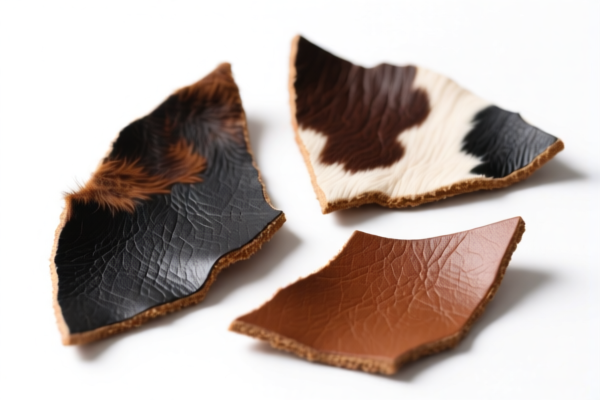
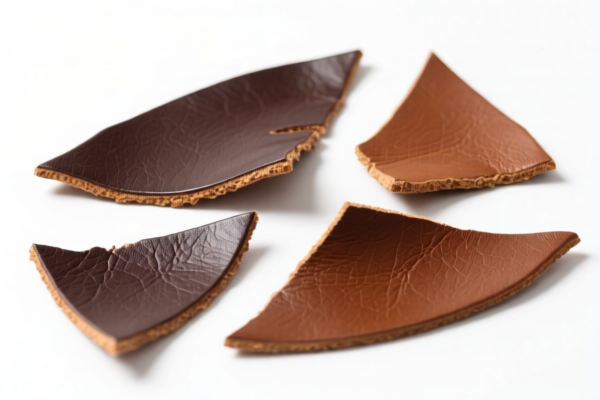
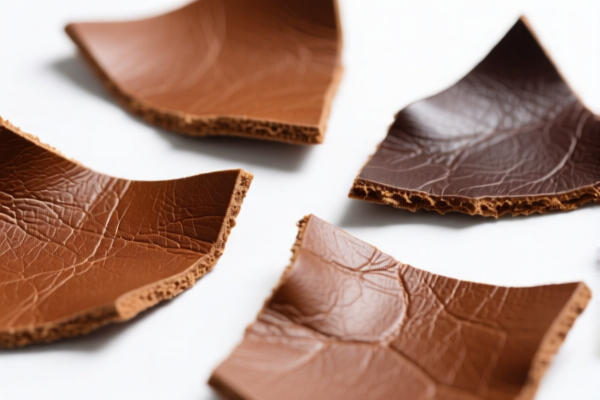
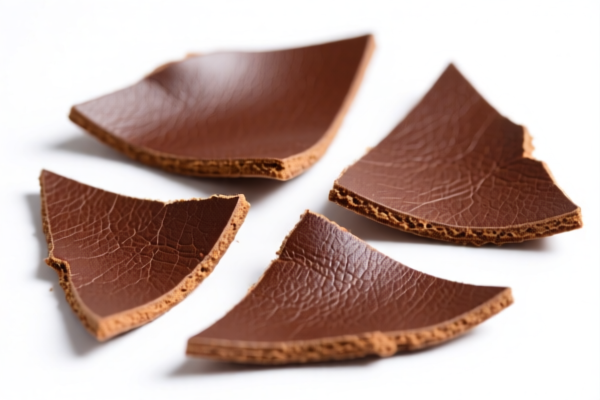
split leather for car interior
CN → US| HS Code | Tariff Rate | Origin | Destination | Doc |
|---|---|---|---|---|
| 9401991010 | 17.5% | CN | US | Official Doc |
| 8708295160 | 0.0% | CN | US | Official Doc |
| 8708998180 | 37.5% | CN | US | Official Doc |
| 4205001000 | 35.0% | CN | US | Official Doc |
| 4205008000 | 35.0% | CN | US | Official Doc |
Product Images
AI Analysis
🚗 Split Leather for Car Interior (Automotive Trim Parts)
🌐 HS Code Reference & Customs Clearance Guide | 2026 Latest Tariff Analysis | Professional Entry Strategy
📌 1. Product Definition: What is "Split Leather"?
Split leather (corrected grain leather) is the lower layer of the hide remaining after the top grain is separated. In the automotive industry, it is widely used for: * Seat covers & bolsters * Door panel inserts * Dashboard trims * Center console covers
⚠️ Critical Classification Point:
The key to accurate classification is determining whether the leather is used as a raw material/component or if it has been manufactured into a specific automotive part. * If it is cut, shaped, and stitched into a specific car part (e.g., a pre-molded seat cushion cover), it falls under Chapter 87 (Vehicles) or Chapter 42 (Articles of Leather). * If it is simply a sheet or roll of processed leather intended for further manufacturing, it falls under Chapter 41 or 42.
📦 2. HS Code Classification Details (Based on Provided Data)
| HS Code | Product Description | Application Context | Key Classification Logic |
|---|---|---|---|
| 9401.99.10.10 | Car Interior Furniture Parts | For vehicle interiors; matches requirements of 9401.99.10.10. | Classified as a part of automotive seating/furniture. |
| 8708.29.51.60 | Body Parts & Accessories | Leather car interior parts classified as body parts/accessories. | Specifically notes steel, aluminum, copper products surcharge. |
| 8708.99.81.80 | Other Vehicle Parts/Accessories | Leather car interior parts classified under Chapter 87 "Other parts and accessories." | General category for automotive components not elsewhere specified. |
| 4205.00.10.00 | Other Leather Articles (Technical) | Leather for machinery/technical uses; no material conflict. | Classified under "Other articles of leather" for technical/mechanical applications. |
| 4205.00.80.00 | Other Leather Articles (General) | Leather goods in article form; matches "Other leather articles" classification. | General category for manufactured leather goods not specified elsewhere. |
🔍 Important Note:
Chapter 87 (8708) applies when the item is considered a specific part of the vehicle (e.g., a finished seat cover kit). * Chapter 42 (4205) applies when the item is considered a general leather article or component that doesn't strictly fit the "part" definition of Chapter 87, or if it's for industrial/technical use. * Chapter 94 (9401) applies specifically if the item is classified as a seat or part thereof* (furniture).
💰 3. 2026 Latest Tariff Rate Breakdown (Including Surcharges)
✅ Applicable Country: United States (US)
✅ Origin: China (CN)
✅ Effective Time: 2025 November 10 onwards (for subsequent imports)
🎯 1. 9401.99.10.10 —— Car Interior Furniture Parts (Seat Parts)
| Item | Content |
|---|---|
| Base Duty | 0.0% |
| Additional Duty (Section 301) | 7.5% |
| IEEPA Surcharge (Section 122/232) | 10% |
| Total Duty Rate | 17.5% |
| Calculation Basis | CIF Value × 17.5% |
| De Minimis Eligibility | ❌ No (deny_de_minimis) |
| Legal Authority Path | Base: 9401.99.10.10 → Section 301: 7.5% → IEEPA: 10% |
📌 Explanation:
This classification offers the lowest total tariff* among the options. * The 7.5% additional duty is a specific Section 301 rate for this subheading. * The 10% IEEPA surcharge applies to Chinese-origin products.
🎯 2. 8708.29.51.60 —— Body Parts & Accessories (With Metal Components?)
| Item | Content |
|---|---|
| Base Duty | 2.5% |
| Additional Duty (Section 301) | 25.0% |
| IEEPA Surcharge (Section 122/232) | 10% |
| Steel/Aluminum/Copper Surcharge | 50% |
| Total Duty Rate | 2.5% + 85.0% = 87.5%* |
| Calculation Basis | CIF Value × (2.5% Base + 85% Surcharges) |
| De Minimis Eligibility | ❌ No |
| Legal Authority Path | Base: 8708.29.51.60 → Section 301: 25% → IEEPA: 10% → Section 232: 50% |
📌 Warning:
Extremely High Tariff! The 50% surcharge for steel, aluminum, and copper products is triggered if the leather part contains any metal components (e.g., buckles, zippers, frames) or is classified under this specific subheading that implies metal content. * Verify material composition: If there is no metal*, this classification may be incorrect. Misclassification can lead to severe penalties.
🎯 3. 8708.99.81.80 —— Other Vehicle Parts/Accessories
| Item | Content |
|---|---|
| Base Duty | 2.5% |
| Additional Duty (Section 301) | 25.0% |
| IEEPA Surcharge (Section 122/232) | 10% |
| Total Duty Rate | 37.5% |
| Calculation Basis | CIF Value × 37.5% |
| De Minimis Eligibility | ❌ No |
| Legal Authority Path | Base: 8708.99.81.80 → Section 301: 25% → IEEPA: 10% |
📌 Explanation:
This is a common classification for automotive parts that are not specific body panels. * The total rate of 37.5%* is significantly higher than the furniture seat classification (9401).
🎯 4. 4205.00.10.00 —— Other Leather Articles (Technical/Mechanical)
| Item | Content |
|---|---|
| Base Duty | 0.0% |
| Additional Duty (Section 301) | 25.0% |
| IEEPA Surcharge (Section 122/232) | 10% |
| Total Duty Rate | 35.0% |
| Calculation Basis | CIF Value × 35.0% |
| De Minimis Eligibility | ❌ No |
| Legal Authority Path | Base: 4205.00.10.00 → Section 301: 25% → IEEPA: 10% |
📌 Explanation:
* Used if the leather is deemed a "technical article" rather than a vehicle part or furniture part. * High tariff due to broad Section 301 applicability to leather goods.
🎯 5. 4205.00.80.00 —— Other Leather Articles (General)
| Item | Content |
|---|---|
| Base Duty | 0.0% |
| Additional Duty (Section 301) | 25.0% |
| IEEPA Surcharge (Section 122/232) | 10% |
| Total Duty Rate | 35.0% |
| Calculation Basis | CIF Value × 35.0% |
| De Minimis Eligibility | ❌ No |
| Legal Authority Path | Base: 4205.00.80.00 → Section 301: 25% → IEEPA: 10% |
📌 Explanation:
* Same rate as4205.00.10.00. * Applied to general leather goods that don't fit more specific categories.
🛠️ 4. Customs Clearance Practical Advice (Avoiding Pitfalls)
✅ 1. Documentation Checklist (All Required)
| Document | Required? | Notes |
|---|---|---|
| ✅ Product Specification Sheet | ✔️ | Must detail material (split leather), dimensions, stitching, and exact intended use (e.g., "Seat Cover for Model X"). |
| ✅ Technical Drawings/CAD | ✔️ | Shows if the item is pre-cut/pre-sewn for a specific vehicle model. |
| ✅ Product Photos | ✔️ | Clear images of the item, labels, and any metal hardware (zippers, buckles). |
| ✅ Commercial Invoice | ✔️ | Clearly state "Split Leather Automotive Interior Part" or "Car Seat Cover," not just "Leather." |
| ✅ Packing List | ✔️ | Itemize quantities and weights. |
| ✅ Origin Certificate | ✔️ | Proves Chinese origin (triggers IEEPA/301 duties). |
| ✅ Material Composition Statement | ✔️ | Crucial: Confirm if there are ANY metal components (steel, aluminum, copper). If yes, 8708.29.51.60 may trigger the 50% surcharge. |
✅ 2. Classification Strategy (Key Mnemonic)
🔥 "Seats are 9401, Parts are 8708, Metal is 50%, Leather is 4205!"
| Scenario | Correct HS Code | Risk |
|---|---|---|
| Pre-formed seat covers/cushions | 9401.99.10.10 |
Lowest Risk & Cost (17.5%). Best for furniture parts. |
| Interior trim panels (door dash, console) | 8708.99.81.80 |
Medium Risk & Cost (37.5%). |
| Parts with metal buckles/frames | 8708.29.51.60 |
HIGH RISK! Triggers 50% surcharge if metal is present. Avoid unless necessary. |
| Raw split leather sheets/rolls | 4205.00.80.00 |
High Cost (35%). Not recommended if it can be classified as a car part. |
| Leather for technical/industrial use | 4205.00.10.00 |
High Cost (35%). Only if not for automotive. |
📌 Pro Tip:
If the product is a complete seat cover (stitched, shaped, ready to install), argue for 9401.99.10.10 as a "part of seating." This saves 20-70% in tariffs compared to other classifications.
✅ 3. Special Cases
| Scenario | Recommendation |
|---|---|
| Leather with Metal Zippers/Buckles | Check if metal content exceeds de minimis thresholds. If significant, consider removing metal hardware or arguing for non-metal classification if possible. |
| OEM Custom Parts | Provide the OE (Original Equipment) part number and vehicle model. Helps justify classification under 8708 or 9401. |
| Mixed Shipments | Do not mix raw leather (4205) with finished parts (8708/9401) in one shipment unless clearly segregated. Mixed classification can lead to audits. |
| Transshipment via Third Countries | Not recommended. US Customs tracks origin rigorously. Transshipment does not negate IEEPA/301 duties if origin is China. |
🌍 5. Global Market Comparison (2026)
| Country/Region | Recommended HS Code | Tariff (China Origin) | Notes |
|---|---|---|---|
| 🇺🇸 USA | 9401.99.10.10 |
17.5% | Best rate. Avoid 8708.29.51.60 due to metal surcharge. |
| 🇨🇳 China | 9401.99.10.10 |
5% | No additional surcharges. |
| 🇪🇺 EU | 9401.99.10.10 |
0-4% | No 301/IEEPA surcharges. |
| 🇨🇦 Canada | 9401.99.10.10 |
0% (if under CUSMA) | Check origin rules. |
| 🇯🇵 Japan | 9401.99.10.10 |
5-8% | No additional surcharges. |
📌 Conclusion:
The US market is the most expensive due to Section 301 and IEEPA tariffs. Classification as a seat part (9401.99.10.10) is critical to minimize costs.
📌 6. Common Mistakes & Pitfalls (Lessons Learned)
❌ Mistake 1: Classifying finished seat covers as "Leather Articles" (4205).
👉 Consequence: Tariff jumps from 17.5% to 35%. Loss: 17.5% extra cost.
❌ Mistake 2: Using 8708.29.51.60 for leather parts with metal buckles.
👉 Consequence: Tariff jumps to 87.5%. Loss: 70% extra cost. Avoid this classification if possible.
❌ Mistake 3: Not declaring metal content in 8708.29.51.60.
👉 Consequence: Seizure, penalties, and retroactive duty assessments.
❌ Mistake 4: Vague description "Leather for Car."
👉 Consequence: Customs may reclassify to the highest applicable tariff. Always specify: "Split Leather Car Seat Cover, Model XYZ."
✅ Correct Approach:
"Split Leather Automotive Seat Cover, Pre-sewn, Model: Ford F-150 2024, No Metal Components."
🎯 7. Conclusion: Professional Declaration, Save Costs
🎯 Remember the Mnemonic:
🔹 "Seat Cover = 9401 (17.5%)
🔹 Car Part = 8708 (37.5%)
🔹 Metal Part = 8708.29.51.60 (87.5%)
🔹 Raw Leather = 4205 (35%)"
🔹 "Choose 9401 to save 70%!"
📌 Pro Tip:
If your supplier provides metal-free leather parts, always aim for 9401.99.10.10 or 8708.99.81.80. Avoid 8708.29.51.60 unless absolutely necessary.
Request an Advance Ruling from US Customs and Border Protection (CBP) for high-volume shipments to ensure classification stability.
📣 Immediate Action:
📞 Consult a licensed customs broker.
📄 Provide detailed product photos and specifications.
🚀 Optimize your HS Code choice to maximize profit margins!
✨ Professional clearance starts with accurate classification!
💼 Every percentage point of tariff matters!
Customer Reviews
About HS Code Classification
The Harmonized System (HS) is an internationally standardized nomenclature developed by the World Customs Organization (WCO) to classify traded products. Over 200 countries use the HS system as the basis for customs tariffs, trade statistics, and import/export regulations.
Each HS code follows a hierarchical structure:
- Chapter (2 digits) — Broad category of goods (e.g., Chapter 84: Machinery and Mechanical Appliances)
- Heading (4 digits) — More specific grouping within the chapter
- Subheading (6 digits) — Internationally standardized breakdown, used by all WCO member countries
- National subdivisions (8-10 digits) — Country-specific extensions for further classification, such as US HTSUS 10-digit codes
Correct HS code classification is essential for smooth customs clearance, accurate duty payment, and compliance with trade regulations. Misclassification can lead to customs delays, overpayment of duties, or penalties.
When importing from CN to US, the applicable tariff rates may include:
- Most-Favored-Nation (MFN) rate — The standard duty rate applied to WTO members
- General rate — Applied to countries without trade agreements
- Trade remedy duties — Additional tariffs such as Section 301 (anti-dumping), Section 232 (national security), or countervailing duties
The information provided on this page is for reference purposes only. For official classification, please consult with your local customs authority or a licensed customs broker.