split leather for card holder
CN → US| HS Code | Tariff Rate | Origin | Destination | Doc |
|---|---|---|---|---|
| 4107997050 | 15.0% | CN | US | Official Doc |
| 4202999000 | 55.0% | CN | US | Official Doc |
| 4107127090 | 15.0% | CN | US | Official Doc |
| 4202316000 | 43.0% | CN | US | Official Doc |
Product Images
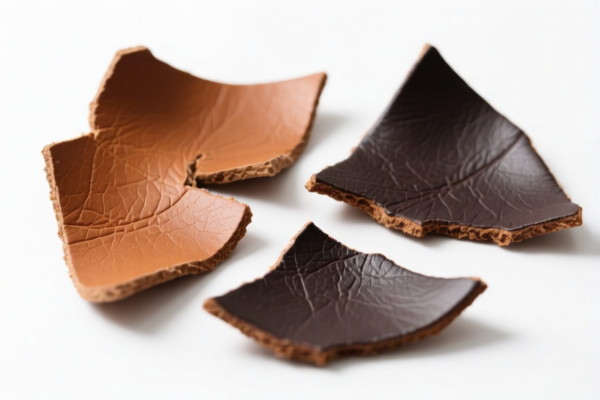
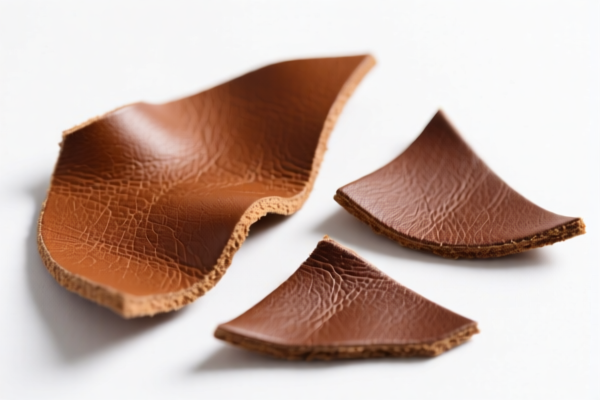

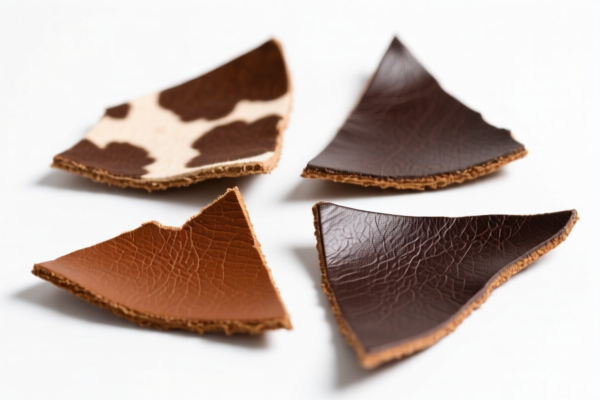
AI Analysis
🖼️ Split Leather for Card Holder (牛皮革分切料用于卡包)
🌐 HS Code Reference & Customs Clearance Guide | 2026 Latest Tariff Analysis | Professional Strategy for US Imports
📌 1. Product Definition & Classification: Is it Material or Finished Goods?
"Split Leather for Card Holder" refers to cattle leather that has been mechanically split into layers. The critical distinction in customs classification lies in whether the goods are considered raw materials (Chapter 41) or finished/accessory articles (Chapter 42).
Key Classification Logic: * Chapter 41 (Hides and Skins): If the leather is merely processed, split, or dressed but not yet manufactured into a final article with a specific shape for a specific use, it is classified as leather material. * Chapter 42 (Articles of Leather): If the leather is cut to shape, assembled, or manufactured into a specific article (like a card holder, even if unfinished or semi-finished), it is classified as an article of leather.
⚠️ Critical Distinction Point:
- If the product is a blank, cut-to-shape piece ready for assembly into a card holder, customs may argue it is a "part of an article," pushing it to Chapter 42.
- If it is raw split leather (rectangular or irregular sheets) intended for further manufacturing, it stays in Chapter 41.
- US Customs Specifics: For Chinese-origin goods, misclassification can lead to massive tariff differences (15% vs. 43-55%) due to Section 301 and Section 122 tariffs.
📦 2. HS Code Classification Details (2026 Latest Tariff Reference)
| HS Code | Product Description | Application/Use | Chapter Status |
|---|---|---|---|
4107.99.70.50 |
Other split cattle leather, not further prepared | General split leather material | ✅ Chapter 41 (Material) |
4202.99.90.00 |
Other travel goods, handbags, and similar articles; parts thereof | Card holders, wallets, leather accessories | ❌ Chapter 42 (Article) |
4107.12.70.90 |
Split cattle leather, vegetable or chrome tanned | Chrome-tanned split leather material | ✅ Chapter 41 (Material) |
4202.31.60.00 |
Articles of plastics, paper, or other materials; parts thereof | Specifically categorized "other" leather accessories (Card holders) | ❌ Chapter 42 (Article) |
🔍 Key Insight:
-4107...codes refer to leather material itself.
-4202...codes refer to finished/semi-finished articles (like card holders).
- The difference in duty burden is significant: 15% for material vs. 43-55% for articles.
💰 3. 2026 Latest Tariff Rate Details (Including Additional Duties & Policy Surcharges)
✅ Applicable Country: United States (US)
✅ Country of Origin: China (CN)
✅ Effective Time: Current tariffs apply (Section 301 & Section 122)
🎯 1. 4107.99.70.50 —— Split Cattle Leather (Material)
| Item | Content |
|---|---|
| Base Duty Rate | 5.0% (Ad Valorem) |
| Section 301 Duty (Add-on) | 0.0% (Note: Some split leathers may be exempt or have different rates depending on specific preparation, but based on data, it is 0% here) |
| Section 122 Duty | +10% (Specific to certain leather articles/materials under current executive orders) |
| Total Duty Rate | 15.0% |
| Tax Calculation | CIF Value × 15% |
| De Minimis Eligibility | ❌ No (Commercial shipments over $800 require formal entry; duties apply) |
| Legal Basis Path | HTSUS:4107.99.70.50 → USITC:Section 122 |
📌 Explanation:
- This classification treats the item as raw material.
- The 10% Section 122 duty is a special additional tariff often applied to leather goods to protect domestic tanning industries.
- Total 15% is significantly lower than Chapter 42 rates.
🎯 2. 4202.99.90.00 —— Other Leather Articles (Card Holder Category)
| Item | Content |
|---|---|
| Base Duty Rate | 20.0% |
| Section 301 Duty (Add-on) | +25% (Standard Section 301 tariff on Chinese leather goods) |
| Section 122 Duty | +10% |
| Total Duty Rate | 55.0% |
| Tax Calculation | CIF Value × 55% |
| De Minimis Eligibility | ❌ No |
| Legal Basis Path | HTSUS:4202.99.90.00 → USITC:Section 301 → Section 122 |
📌 Warning:
- This is the highest risk classification. If Customs determines the "split leather" is actually a cut-to-shape card holder blank, it will be reclassified here.
- 55% total duty includes a heavy 25% Section 301 penalty.
🎯 3. 4107.12.70.90 —— Chrome-Tanned Split Cattle Leather
| Item | Content |
|---|---|
| Base Duty Rate | 5.0% |
| Section 301 Duty (Add-on) | 0.0% |
| Section 122 Duty | +10% |
| Total Duty Rate | 15.0% |
| Tax Calculation | CIF Value × 15% |
| De Minimis Eligibility | ❌ No |
| Legal Basis Path | HTSUS:4107.12.70.90 → Section 122 |
📌 Note:
- Similar to4107.99.70.50, this is a material classification.
- Specify "Chrome-Tanned" clearly to support this classification.
🎯 4. 4202.31.60.00 —— Other Articles of Leather (Card Holder Specific)
| Item | Content |
|---|---|
| Base Duty Rate | 8.0% |
| Section 301 Duty (Add-on) | +25% |
| Section 122 Duty | +10% |
| Total Duty Rate | 43.0% |
| Tax Calculation | CIF Value × 43% |
| De Minimis Eligibility | ❌ No |
| Legal Basis Path | HTSUS:4202.31.60.00 → Section 301 → Section 122 |
📌 Note:
- This code is often used for small leather goods like card holders, key cases, etc., that are not handbags.
- Even though the base rate is low (8%), the 25% Section 301 pushes the total to 43%.
🛠️ 4. Customs Clearance Practical Advice (Pitfall Avoidance Guide)
✅ 1. Documentation Checklist (Mandatory)
| Document | Required? | Explanation |
|---|---|---|
| ✅ Product Specification Sheet | ✔️ | Must specify: "Unfinished split leather," "Not cut to shape," "No stitching." |
| ✅ Commercial Invoice | ✔️ | Description: "Cattle Leather Split, Chrome-Tanned, for Further Manufacture." Avoid words like "Card Holder Blank." |
| ✅ Photos of Product | ✔️ | Show raw, rectangular, or irregular shapes. NO hole punches, stitching, or branded shapes. |
| ✅ Certificate of Origin | ✔️ | To confirm Chinese origin for Section 301/122 assessment. |
| ✅ Packing List | ✔️ | Ensure no accessories (zippers, linings) are packed with the leather if claiming Chapter 41. |
✅ 2. Declaration Tips (Key Mantras)
🔥 “Material vs. Article: Shape is King, Name is Queen!”
| Scenario | Correct Declaration | Incorrect Declaration |
|---|---|---|
| Raw split leather sheets | 4107.99.70.50 (15%) |
4202.99.90.00 (55%) |
| Cut-to-shape card holder blank | 4202.31.60.00 (43%) |
4107.12.70.90 (15%) ⚠️ Risk of Penalty |
| Fully assembled card holder | 4202.99.90.00 (55%) |
4107.99.70.50 (15%) Risk of Penalty |
📌 Warning:
- If the leather is cut to the exact shape of a card holder, even without stitching, US Customs may classify it as a "part of an article" under Chapter 42.
- To stay in Chapter 41 (15%), ensure the leather is not shaped for a specific final use (i.e., it remains in rectangular or irregular sheet form).
✅ 3. Special Handling Cases
| Situation | Recommendation |
|---|---|
| OEM Custom Shapes | If custom-cut, expect 43-55% duty. Justify with "Finished Accessory" classification. |
| Mixed Shipments | If raw leather and finished card holders are in one shipment, separate them on the invoice. Do not mix. |
| Section 122 Impact | Leather goods are heavily scrutinized under Section 122. Ensure all documentation proves origin and processing level. |
| Value Declaration | Declare accurate CIF value. Under-valuation can lead to audits and retroactive duties. |
🌍 5. Global Market Clearance Comparison (2026)
| Country/Region | Recommended HS Code | Duty Rate | Certification | Note |
|---|---|---|---|---|
| 🇺🇸 USA | 4107.99.70.50 |
15% | None | Best for raw materials. 4202... is 43-55%. |
| 🇨🇳 China | 4107.99.70.50 |
~5% | N/A | Low duty for import. |
| 🇪🇺 EU | 4107.12.70.90 |
~8-12% | REACH | No Section 301 equivalent. |
| 🇬🇧 UK | 4107.99.70.50 |
~5-8% | UKCA | Post-Brexit rules may vary. |
📌 Conclusion:
- The US market is the most challenging due to the combination of Section 301 (25%) and Section 122 (10%).
- Strategy: If possible, import raw split leather (Chapter 41) and manufacture card holders domestically to benefit from the 15% rate instead of 43-55%.
📌 6. Common Errors & Pitfalls (Lessons Learned)
❌ Error 1: Declaring "Card Holder Blanks" as "Split Leather"
👉 Consequence: Customs reclassifies to Chapter 42 → 30%+ additional duty + penalties!
❌ Error 2: Not specifying Tanning Method
👉 Consequence: Customs may use "Other" rates, potentially leading to higher base duties.
❌ Error 3: Packing Finished Goods with Raw Materials
👉 Consequence: Entire shipment may be audited or misclassified.
❌ Error 4: Ignoring Section 122
👉 Consequence: Unexpected 10% surcharge on top of base duty.
✅ Correct Practice:
"Cattle Split Leather, Chrome-Tanned, Rectangular Sheets, For Further Manufacturing into Leather Goods."
🎯 7. Conclusion: Professional Declaration Saves Money!
🎯 Remember:
🔹 "Material = 15%, Article = 43-55%."
🔹 "Don't cut, don't shape, don't brand if you want 15%."
🔹 "Section 301 and 122 are the twin enemies of Chinese leather."
📌 Pro Tip:
If your business model involves imported leather blanks, consider supply chain diversification (e.g., sourcing from Vietnam or Mexico) to avoid US tariffs. Alternatively, apply for Exclusions under Section 301 if available (check current lists).
📣 Immediate Action:
📞 Consult a licensed customs broker for Pre-Ruling on your specific product design.
🚀 Declare accurately, pay less, clear faster!
✨ Professional Clearance Starts with Accurate Classification!
💼 Every Percentage Point Counts in Profit Margins!
Customer Reviews
About HS Code Classification
The Harmonized System (HS) is an internationally standardized nomenclature developed by the World Customs Organization (WCO) to classify traded products. Over 200 countries use the HS system as the basis for customs tariffs, trade statistics, and import/export regulations.
Each HS code follows a hierarchical structure:
- Chapter (2 digits) — Broad category of goods (e.g., Chapter 84: Machinery and Mechanical Appliances)
- Heading (4 digits) — More specific grouping within the chapter
- Subheading (6 digits) — Internationally standardized breakdown, used by all WCO member countries
- National subdivisions (8-10 digits) — Country-specific extensions for further classification, such as US HTSUS 10-digit codes
Correct HS code classification is essential for smooth customs clearance, accurate duty payment, and compliance with trade regulations. Misclassification can lead to customs delays, overpayment of duties, or penalties.
When importing from CN to US, the applicable tariff rates may include:
- Most-Favored-Nation (MFN) rate — The standard duty rate applied to WTO members
- General rate — Applied to countries without trade agreements
- Trade remedy duties — Additional tariffs such as Section 301 (anti-dumping), Section 232 (national security), or countervailing duties
The information provided on this page is for reference purposes only. For official classification, please consult with your local customs authority or a licensed customs broker.