sponge pad
CN → US| HS Code | Tariff Rate | Origin | Destination | Doc |
|---|---|---|---|---|
| 4016990500 | 20.9% | CN | US | Official Doc |
| 9404210095 | 38.0% | CN | US | Official Doc |
| 9404902090 | 23.5% | CN | US | Official Doc |
| 4016100000 | 35.0% | CN | US | Official Doc |
| 4016100000 | 35.0% | CN | US | Official Doc |
Product Images
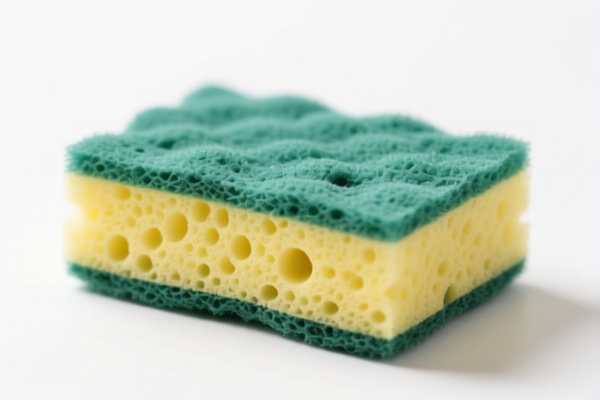
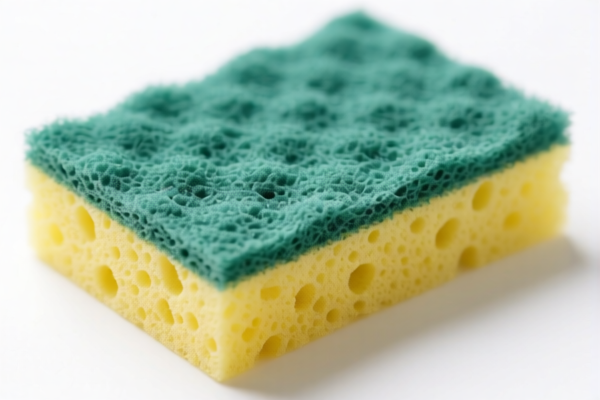
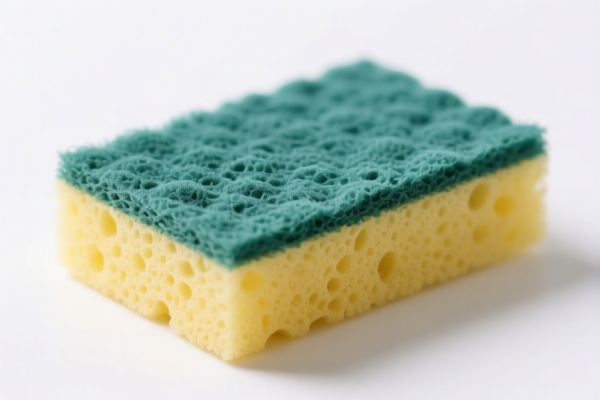
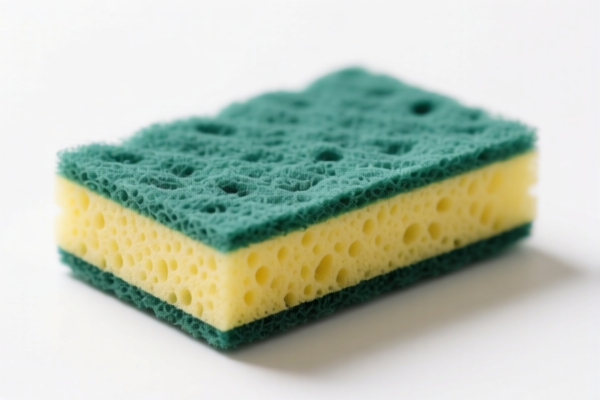
AI Analysis
🧽 Sponge Pads (Sponge Cushions, Foam Mats & Similar Items)
🌐 HS Code Reference & Clearance Guide | 2026 Latest Tariff Breakdown | Professional Clearance Strategy
📌 I. Product Definition & Classification: Do You Really Understand "Sponge Pads"?
"Sponge pads" is a broad term often used in daily life, but in international trade, it refers to cells of rubber or plastic materials with specific shapes and applications. In the HS Code system, they are primarily classified under two main categories:
1. Sponge Rubber Products (Chapter 40)
- Material: Sulfurized rubber or synthetic rubber.
- Structure: Cellular or porous structure (foam-like).
- Applications: Industrial cushions, seals, gaskets, or other rubber articles.
2. Furniture & Bedding Accessories (Chapter 94)
- Material: Cellulosic foam, polyurethane foam, or cell rubber.
- Structure: Soft, elastic pads.
- Applications: Mattresses, cushions, pillows, and similar bedding or seating items.
⚠️ Key Differentiation Point: - If the product is made of rubber (sulfurized or synthetic) → HS Code 4016 series. - If the product is made of foam/plastic and used as bedding/cushion → HS Code 9404 series.
📦 II. HS Code Classification Details (2026 Latest Tariff Reference)
Based on the provided data, here is the authoritative classification for sponge pads:
| HS Code | Product Description | Material/Structure | Application Scope |
|---|---|---|---|
| 4016.99.05.00 | Sponge pad, other household articles | Sulfurized/synthetic rubber, common shape | Household items (general category) |
| 9404.21.00.95 | Sponge pad, mattress/cushion type | Foam plastic or cell rubber | Mattresses, cushions, bedding |
| 9404.90.20.90 | Sponge pad, cushion/similar item | Cell rubber or plastic | Cushions, similar furniture accessories |
| 4016.10.00.00 | Sponge pad, honeycomb/porous rubber | Sulfurized/synthetic rubber, honeycomb structure | Other rubber articles (industrial/technical) |
| 4016.10.00.00 (Note: Duplicate in source) | Sponge pad cover/inferred rubber product | Sulfurized/synthetic rubber, article form | Rubber articles (general) |
🔍 Important Reminder: - "Sponge pad" made of rubber → 4016 series (Chapter 40). - "Sponge pad" made of foam/plastic for bedding/cushions → 9404 series (Chapter 94). - Misclassification risk: Using "9404" for rubber pads or "4016" for foam bedding can lead to tariff penalties.
💰 III. 2026 Latest Tariff Rate Breakdown (Including Additional Taxes & Policy Surcharges)
✅ Applicable Country: United States (US)
✅ Origin: China (CN)
✅ Effective Date: As per latest 2026 tariff rules (including Section 301, 232, and "122" clauses)
🎯 1. HS Code 4016.99.05.00 — Sponge Pad (Household Rubber Article)
| Item | Detail |
|---|---|
| Base Tariff | 3.4% |
| Section 301 (Additional Tariff) | +7.5% |
| "122" Clause Tariff | +10% |
| Total Tariff Rate | 20.9% |
| Tax Calculation | CIF Value × 20.9% |
| De Minimis Exemption | ❌ No |
| Legal Basis | USITC:4016.99.05.00 → Section 301 → "122" Clause |
📌 Explanation: - Base rate is low (3.4%) for general household rubber items. - However, Section 301 and "122" clause (specific to Chinese rubber products) significantly increase the total tax burden. - Total 20.9% is high compared to base rate — critical for cost planning.
🎯 2. HS Code 9404.21.00.95 — Sponge Pad (Mattress/Cushion Type)
| Item | Detail |
|---|---|
| Base Tariff | 3.0% |
| Section 301 (Additional Tariff) | +25.0% |
| "122" Clause Tariff | +10% |
| Total Tariff Rate | 38.0% |
| Tax Calculation | CIF Value × 38.0% |
| De Minimis Exemption | ❌ No |
| Legal Basis | USITC:9404.21.00.95 → Section 301 → "122" Clause |
📌 Note: - This is the highest tariff rate among all sponge pad classifications. - 25% Section 301 is the main driver — extremely high cost impact. - Even if the base tariff is low (3.0%), total 38% can make the product uncompetitive in the US market.
🎯 3. HS Code 9404.90.20.90 — Sponge Pad (Cushion/Similar Item)
| Item | Detail |
|---|---|
| Base Tariff | 6.0% |
| Section 301 (Additional Tariff) | +7.5% |
| "122" Clause Tariff | +10% |
| Total Tariff Rate | 23.5% |
| Tax Calculation | CIF Value × 23.5% |
| De Minimis Exemption | ❌ No |
| Legal Basis | USITC:9404.90.20.90 → Section 301 → "122" Clause |
📌 Note: - Slightly higher base rate (6.0%) but lower Section 301 (7.5%) compared to mattress type. - Total 23.5% is moderate — more viable than 38%, but still significant.
🎯 4. HS Code 4016.10.00.00 — Sponge Pad (Honeycomb/Porous Rubber)
| Item | Detail |
|---|---|
| Base Tariff | 0.0% |
| Section 301 (Additional Tariff) | +25.0% |
| "122" Clause Tariff | +10% |
| Total Tariff Rate | 35.0% |
| Tax Calculation | CIF Value × 35.0% |
| De Minimis Exemption | ❌ No |
| Legal Basis | USITC:4016.10.00.00 → Section 301 → "122" Clause |
📌 Note: - Base tariff is 0%, but Section 301 (25%) and "122" clause (10%) push total to 35%. - Very high cost impact — must be carefully evaluated before importing.
🛠️ IV. Clearance Practical Tips (Real-World Pitfall Avoidance)
✅ 1. Document Checklist (Must-Have)
| Document | Required | Explanation |
|---|---|---|
| ✅ Product Specification Sheet | ✔️ | Must specify material (rubber vs. foam), structure (honeycomb/porous), and application. |
| ✅ Material Certificate | ✔️ | Confirm whether made of sulfurized/synthetic rubber or polyurethane foam. |
| ✅ Product Photos (with Label) | ✔️ | Show shape, texture, and any branding/certification. |
| ✅ Third-Party Test Report | ✔️ | For rubber products: UL, REACH, RoHS; For foam: Flammability, VOC tests. |
| ✅ Commercial Invoice | ✔️ | Clearly state "Sponge Pad", material, and HS Code. |
| ✅ Country of Origin Certificate | ✔️ | If not China, may apply for reduced tariffs. |
| ✅ Packing List | ✔️ | Ensure no split declaration (e.g., pad + cover). |
✅ 2. Declaration Strategy (Key Mnemonic)
🔥 "Material First, Then Use, Name Precise, Tax Down!"
| Situation | Correct Declaration | Wrong Practice |
|---|---|---|
| Rubber sponge pad (honeycomb) | 4016.10.00.00 |
Misreport as 9404 → 35% vs 38% |
| Foam cushion/mattress | 9404.21.00.95 or 9404.90.20.90 |
Misreport as 4016 → 35% vs 23.5% |
| General household rubber pad | 4016.99.05.00 |
Misreport as 9404 → 20.9% vs 38% |
| Rubber sponge cover | 4016.10.00.00 |
Misreport as 9404 → 35% vs 23.5% |
⚠️ Critical Warning: - Material matters more than shape. - Rubber → 4016, Foam/Plastic for bedding → 9404. - Misclassification can lead to 15%~17% extra tax!
✅ 3. Special Cases Handling
| Situation | Handling Advice |
|---|---|
| Custom OEM Sponge Pads | Provide design specs + material proof to avoid "non-standard" penalties. |
| Sponge Pads with Fabric Cover | Still classified by core material (rubber vs. foam), not cover. |
| Industrial vs. Household Use | Industrial → 4016; Household → 9404. Provide usage proof. |
| Mixed Materials | Classify based on predominant material (rubber > foam). |
🌍 V. Global Market Clearance Comparison (2026 Latest)
| Country/Region | Recommended HS Code | Tariff | Certification Required | Notes |
|---|---|---|---|---|
| 🇺🇸 USA | 9404.21.00.95 (Mattress) / 4016.99.05.00 (Household) |
20.9%~38% | USCP, FCC (if applicable) | Highest tax burden globally. |
| 🇨🇳 China | Same as above | 3.0%~6.0% | CCC, RoHS | No Section 301/122. |
| 🇪🇺 EU | Same as above | 0%~4.5% | CE, REACH | No Section 301, lower base rates. |
| 🇦🇺 Australia | Same as above | 5% | RCM | Moderate tariffs. |
| 🇯🇵 Japan | Same as above | 0%~3% | PSE, JIS | Lowest tariffs among major markets. |
📌 Conclusion: - USA is the most expensive market for sponge pads due to Section 301 + "122" clause. - Consider shifting supply chain to Vietnam, Mexico, or Thailand to avoid high tariffs. - Foam products for bedding (9404) have higher Section 301 (25%) than rubber (7.5%~25%).
📌 VI. Common Mistakes & Pitfall Avoidance (Lessons Learned)
❌ Mistake 1: Classifying rubber sponge pad as 9404
👉 Result: 38% tariff instead of 20.9% → 17% extra cost.
❌ Mistake 2: Classifying foam cushion as 4016
👉 Result: 35% tariff instead of 23.5% → 11.5% extra cost.
❌ Mistake 3: Failing to provide material certificate
👉 Result: Customs detention, delay, or retroactive tax assessment.
❌ Mistake 4: Using vague terms like "Sponge" without specifying material
👉 Result: Classification dispute, 20%~30% higher tax.
✅ Best Practice:
"Sponge Pad, Polyurethane Foam, Cushion Type, 9404.21.00.95, Certified Flammability, Made in China"
🎯 VII. Conclusion: Professional Classification, Smooth Clearance, Cost Savings!
🎯 Remember the Mnemonic:
🔹 "Material First, Then Use, Name Precise, Tax Down!"
🔹 "HS Code determines tax, 15% difference can kill profit!"
📌 Pro Tips:
- If your sponge pads are made in Vietnam, Mexico, Thailand, you may apply for Section 301 exemption, reducing tariff to 0%~5%.
- Apply for Advance Ruling before shipment to avoid clearance delays.
📣 Take Action Now:
📞 Contact professional customs broker + Provide product photos + Apply for HS Code Advance Ruling
🚀 Ensure smooth clearance, cost efficiency, and profit maximization!
✨ Professional Classification, Starting with Precision!
💼 Every cent of your cost deserves precise calculation!
Customer Reviews
About HS Code Classification
The Harmonized System (HS) is an internationally standardized nomenclature developed by the World Customs Organization (WCO) to classify traded products. Over 200 countries use the HS system as the basis for customs tariffs, trade statistics, and import/export regulations.
Each HS code follows a hierarchical structure:
- Chapter (2 digits) — Broad category of goods (e.g., Chapter 84: Machinery and Mechanical Appliances)
- Heading (4 digits) — More specific grouping within the chapter
- Subheading (6 digits) — Internationally standardized breakdown, used by all WCO member countries
- National subdivisions (8-10 digits) — Country-specific extensions for further classification, such as US HTSUS 10-digit codes
Correct HS code classification is essential for smooth customs clearance, accurate duty payment, and compliance with trade regulations. Misclassification can lead to customs delays, overpayment of duties, or penalties.
When importing from CN to US, the applicable tariff rates may include:
- Most-Favored-Nation (MFN) rate — The standard duty rate applied to WTO members
- General rate — Applied to countries without trade agreements
- Trade remedy duties — Additional tariffs such as Section 301 (anti-dumping), Section 232 (national security), or countervailing duties
The information provided on this page is for reference purposes only. For official classification, please consult with your local customs authority or a licensed customs broker.